
Water Damage Restoration in Bay Wood, NY
Bay Wood's Aging Homes Don't Get a Second Warning
Hear from Our Customers

Flooded Basement Cleanup in Bay Wood
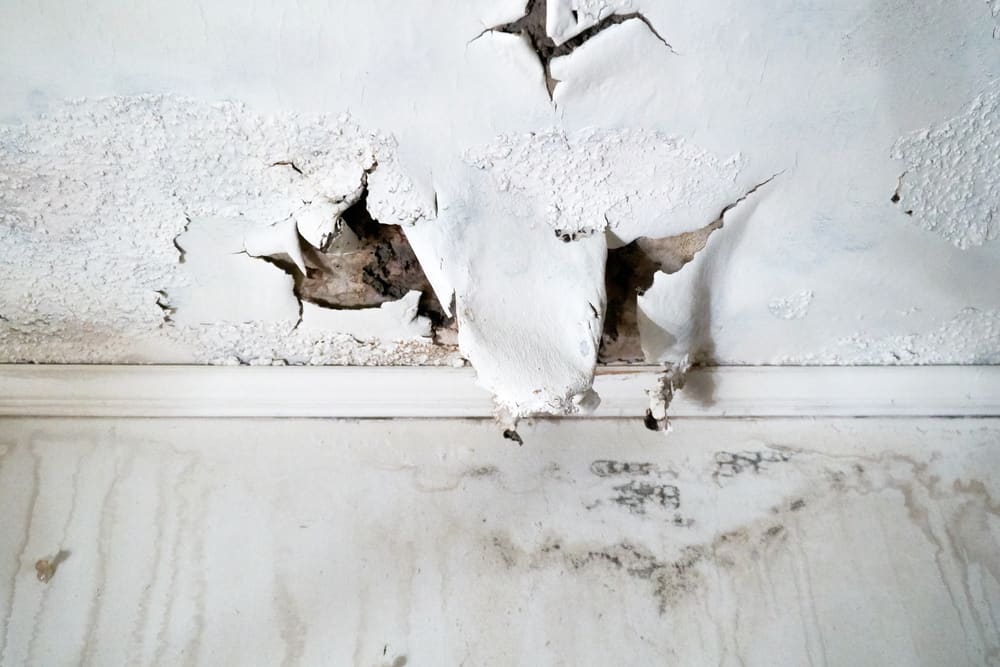
When water gets into a Bay Wood home, the damage rarely stays where you can see it. It wicks into original plaster walls, saturates subfloor materials, and settles behind baseboards in places a household fan will never reach. What looks like a manageable mess on the surface can turn into a mold problem within 48 hours and in a home built before 1960, the materials it’s hiding in were never designed with modern moisture resistance in mind.
Most of Bay Wood’s housing stock was built during the postwar suburban boom that filled the Town of Islip with ranch homes and Cape Cods. Those homes have character and value the median home here is approaching $450,000 but they also have plumbing systems, drainage infrastructure, and basement construction that are now 65 to 75 years old. When something fails, it tends to fail completely. A galvanized steel pipe that’s been corroding from the inside for decades doesn’t develop a slow drip; it gives way. A sump pump overwhelmed by the kind of rainfall that dropped 13.57 inches on the Town of Islip in a single August day doesn’t slow down gradually; it stops.
What you get on the other side of working with us: moisture fully extracted from the spaces you can’t see, a home that’s been dried to industry standard, documentation your insurance company can use, and a clear path through the claim not a stack of paperwork you’re left to figure out alone.
Residential Water Damage Repair, Suffolk County
We’ve been serving Long Island homeowners for close to three decades. That history means we’ve worked through every major storm pattern, pipe failure season, and flooding event that has shaped the water damage profile of Bay Wood and surrounding Suffolk County communities.
We’re based in West Babylon, directly accessible from Bay Wood via Sunrise Highway. When you call our 631 number, you’re reaching a local team not a national dispatch center routing a crew from three counties away. That matters when you’re dealing with a flooded basement at midnight and every hour is adding to the damage and the cost.
We’re IICRC-certified, licensed, bonded, and insured. The Brentwood Fire Department covers Bay Wood’s emergency response zone, and when the fire department clears the scene, you need a restoration team that can move immediately. That’s what we’re built to do.
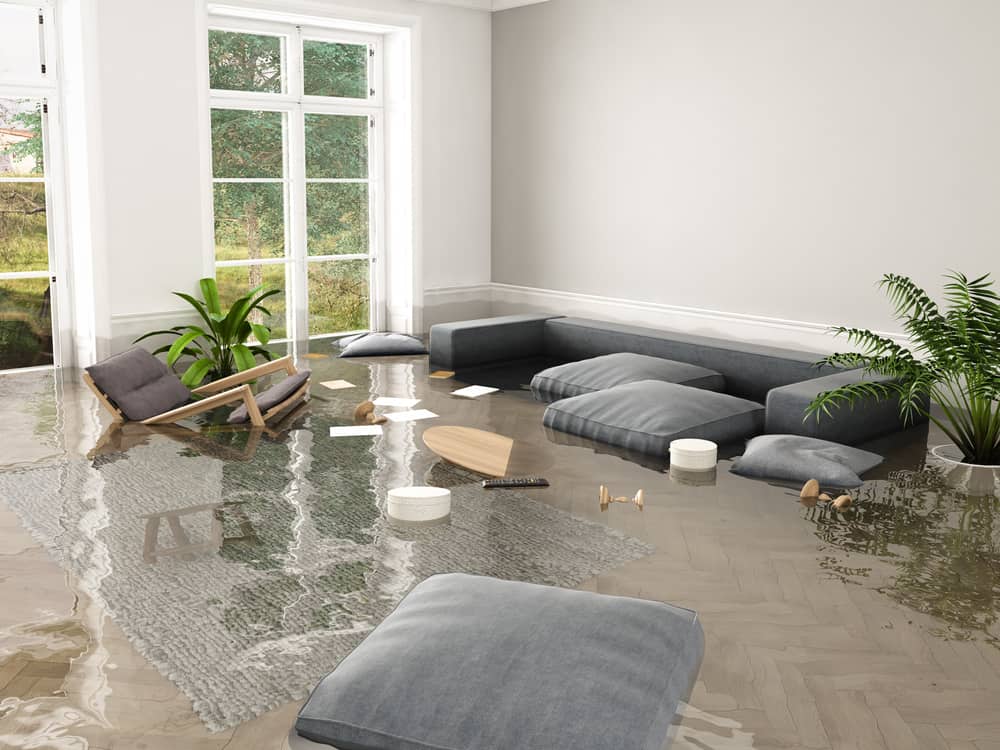
24/7 Water Damage Restoration, Bay Wood, NY
The first call is straightforward. You describe what’s happening, and we mobilize. There’s no intake form, no callback window, no waiting until business hours. Given that Bay Wood sits on a high water table and many homes here depend on sump pumps as their primary defense against basement flooding, the window between “manageable” and “structural problem” is often measured in hours, not days.
Once on site, we do a full moisture assessment not just a visual walkthrough. Industrial-grade moisture meters go into the walls, the subfloor, and any cavity where water could have migrated. In a pre-1960 Bay Wood home, this step is especially important because the original construction materials absorb and hold moisture differently than modern building products. What reads as dry to the eye can still be saturated behind the surface.
From there, extraction and structural drying begin. Commercial dehumidifiers and air movers work through the affected areas systematically, and progress is tracked with readings not guesswork. If mold prevention treatment is needed, it’s applied during this phase. Because the Town of Islip uses a permit tracking system for flood damage assessments, restoration work here is documented from the start, which also supports your insurance claim. We handle that documentation and work directly with your insurer so you’re not caught in the middle.

Ready to get started?
Burst Pipe Water Damage Repair, Bay Wood
Water damage restoration isn’t just cleanup it’s a multi-phase process that runs from initial extraction through complete reconstruction, and in Bay Wood, the scope of that process reflects the specific character of the homes here. Finished basements are common in the postwar housing stock throughout this hamlet, and when water gets into a finished space, the restoration involves flooring, drywall, insulation, framing, and personal property not just drying a concrete slab.
We handle the full range: emergency water removal, structural drying and dehumidification, antimicrobial treatment, mold prevention, and complete rebuild. You don’t manage multiple contractors or wait for a mitigation company to hand off to a reconstruction crew. It’s one call, one team, one point of contact from the moment the water is extracted to the moment the space is back to the condition it was in before the damage.
Our services extend across the full range of water damage scenarios common to Bay Wood burst pipes in exterior walls during a cold snap, sump pump failures during summer convective storms, appliance leaks in aging homes where water heaters and washing machines are well past their expected service life, and flood restoration following the kind of heavy rainfall events that have repeatedly overwhelmed drainage systems across the Town of Islip. Whatever the source, the process is the same: find it, dry it, document it, and fix it completely.

Does homeowners insurance cover water damage from a burst pipe in Bay Wood?
In most cases, yes but the details matter. Standard homeowners insurance typically covers sudden, accidental water damage from internal sources like a burst pipe, a failed water heater, or a washing machine overflow. What it does not cover is flooding from an external source, like groundwater rising into your basement during a storm. That requires a separate flood insurance policy, and it’s a distinction that catches a lot of Bay Wood homeowners off guard when they file a claim.
For Bay Wood specifically, this distinction is especially relevant. Many homes here have both risks: aging galvanized or copper pipes that can fail without warning, and a high water table that can push groundwater into basements during heavy rain events. If a pipe bursts, your homeowners policy is likely to respond. If the water came in because a storm overwhelmed your drainage system or your sump pump couldn’t keep up, you’re in flood insurance territory. We work directly with insurance adjusters and can help document the source of damage clearly from the start which is often the most important factor in whether a claim gets approved or disputed.
How fast does mold start growing after water damage in a home?
The EPA’s guidance is 24 to 48 hours and that’s under average conditions. In a home that’s already warm and humid, mold spores can begin germinating even faster. Visible growth typically appears within 48 to 72 hours, but microscopic growth starts before you can see anything. By the time you notice a musty smell or a dark spot on the wall, the problem is already established.
This timeline is part of why response speed matters so much. A water event that happens on a Friday evening and doesn’t get addressed until Monday morning has already given mold a full weekend to get started. In Bay Wood’s older homes, where original plaster walls and wood subfloors absorb moisture readily, the conditions for mold growth are often better than in newer construction. Consumer-grade fans can move air, but they can’t pull moisture out of wall cavities or subfloor materials and that’s where mold establishes itself before anyone notices. Professional drying equipment and moisture detection are the only reliable way to know the space is actually dry, not just dry on the surface.
My basement flooded after a heavy rainstorm what should I do first?
Before anything else, make sure the space is electrically safe. If water is near outlets, the electrical panel, or any appliances, don’t enter the basement until the power to that area has been shut off at the breaker. Once it’s safe to enter, your first call should be to a restoration company not your insurance company, and not a general contractor.
Calling restoration first matters because proper documentation of the damage, before anything is moved or dried, is what supports your insurance claim. An adjuster who arrives after a homeowner has already started cleaning up has less to work with, and claims can be reduced or disputed as a result. In the Town of Islip, flood damage to properties is tracked through the town’s permit system, which means the documentation trail starts from the first professional assessment. We can be on site in Bay Wood quickly via Sunrise Highway, assess the full extent of the damage including moisture inside walls and under flooring and begin extraction immediately while creating the documentation your insurer needs.
How long does water damage restoration typically take for a Bay Wood home?
It depends on the scope, but here’s a realistic picture: water extraction typically takes one to three days. Structural drying getting the moisture out of walls, floors, and framing usually runs three to five days with commercial equipment running continuously. For a finished basement in a Bay Wood home that’s taken on a moderate amount of water, the full process from extraction through completed repairs often runs about two to three weeks.
Where it gets longer is when hidden moisture wasn’t caught early, when mold remediation becomes part of the scope, or when structural materials need to be replaced rather than dried. That’s why the initial moisture assessment is so important finding everything on day one prevents the situation where a homeowner thinks the job is done, only to discover a mold problem six weeks later inside a wall that was never properly dried. The age of Bay Wood’s housing stock means there are more places for moisture to hide than in a newer home, and a thorough assessment at the start is what keeps the timeline from expanding unexpectedly.
What's the difference between water damage restoration and just drying things out?
Drying is one step in a much larger process. Professional water damage restoration starts with extraction removing standing water with industrial-grade equipment then moves into structural drying, which uses commercial dehumidifiers and air movers to pull moisture out of building materials, not just the air in the room. After that comes moisture verification, where readings confirm that materials have reached acceptable dryness levels before anything is closed up or rebuilt.
Beyond drying, restoration includes antimicrobial treatment to prevent mold, damage assessment for materials that need to be replaced rather than dried, and reconstruction of anything that was removed or damaged beyond recovery drywall, flooring, insulation, framing. In a Bay Wood home with a finished basement, that reconstruction scope can be significant. The difference between a company that dries and leaves versus one that handles the full scope matters a great deal when you’re looking at a basement that had carpet, drywall, and furniture in it. We handle every phase, which means you’re not left managing the handoff between a mitigation crew and a separate rebuild contractor.
Is First Response Restoration and Cleaning Inc. familiar with water damage in Bay Wood and the Town of Islip?
Yes and that familiarity comes from nearly 30 years of working across Long Island, including communities throughout Suffolk County with the same post-war housing profile as Bay Wood. We understand what water damage looks like in homes built before 1960: where the galvanized pipes tend to fail, how original plaster and wood subfloor materials respond to moisture, and how the high water table conditions throughout the Town of Islip’s interior communities create basement flooding risk that’s different from the storm surge risk facing the South Shore waterfront communities to the south.
We’re based in West Babylon, which puts our team close to Bay Wood via Sunrise Highway a real advantage when response time directly affects how much damage occurs and how much the restoration ultimately costs. We also have direct experience working with insurance adjusters on Long Island claims, and with the Town of Islip’s permit and flood damage documentation requirements. That combination local knowledge, proximity, and insurance coordination experience is what makes the process go smoothly for Bay Wood homeowners from the first call through the final repair.
Useful Links
Other Services we provide in Bay Wood