
Water Damage Restoration in Bridgehampton, NY
When Your Bridgehampton Home Sits Empty, Water Doesn't Wait
Hear from Our Customers

Flood Restoration Bridgehampton, NY
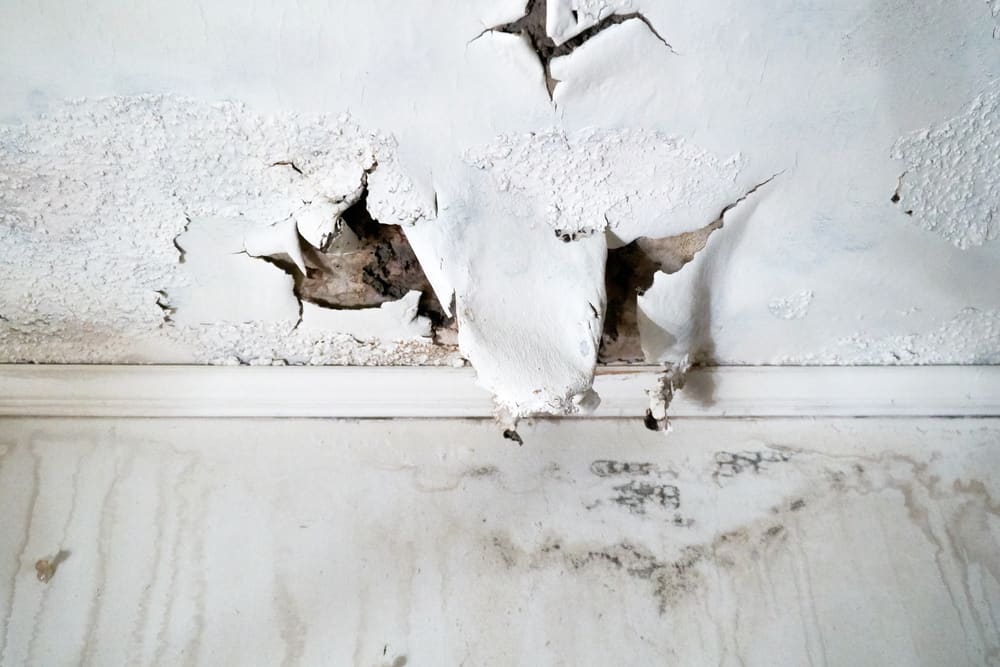
Here’s the scenario that plays out in Bridgehampton more than most people realize: a pipe freezes and bursts sometime in January, the house sits empty until April, and by the time someone walks in to open the place for the season, there’s saturated drywall, warped flooring, and mold growing behind walls that look perfectly fine from the outside. What started as a few hundred dollars worth of plumbing is now a restoration project that touches every room on the lower level. That’s not a worst-case scenario in Bridgehampton it’s a common one.
Bridgehampton has one of the highest seasonal vacancy rates on all of Long Island, with roughly three out of every four homes sitting unoccupied at any given time. When water intrusion goes undetected for weeks, the damage compounds in ways that consumer-grade cleanup simply can’t address. Hidden moisture inside walls, under subfloors, and in structural cavities requires industrial-grade drying equipment and moisture mapping not fans and a wet-vac.
When the restoration is done correctly, you get more than a dry house. You get a fully documented record of what happened, what was found, and what was remediated the kind of documentation that holds up with your insurance adjuster and protects the value of a property that, in this market, is worth protecting. In a community where median listing prices sit at $8.5 million, cutting corners on water damage restoration isn’t a savings. It’s a liability.
Residential Water Damage Repair Bridgehampton, NY
We’ve been serving Suffolk County homeowners for close to three decades. That kind of longevity on Long Island through Hurricane Sandy, multiple nor’easter seasons, and countless burst pipe emergencies across the South Fork means the team that shows up at your Bridgehampton property has seen what coastal water damage actually looks like, not just what it looks like in a training manual.
We’re licensed, bonded, and insured, with IICRC-certified technicians who follow the industry’s gold-standard restoration protocols. That matters for a straightforward reason: when you’re filing a claim on a high-value Bridgehampton property, the documentation and process standards of the company doing the work directly affect how that claim gets handled. Insurers recognize IICRC-certified work. Adjusters take it seriously.
We cover all of Suffolk County with a dedicated local line 631-587-5300 and work directly with your insurance company on documentation, adjuster coordination, and billing. For seasonal owners managing a situation from Manhattan or further away, that’s not a convenience. It’s the difference between a claim that moves forward and one that stalls.
Burst Pipe Water Damage Restoration Bridgehampton
When you call, our first priority is getting a certified technician on-site as quickly as possible to assess the full scope of the damage. In Bridgehampton, that assessment often involves damage that has been progressing for longer than a typical emergency a pipe that burst in December may not be discovered until the property manager does a spring walkthrough in March. The initial assessment accounts for that. It’s not just a visual inspection; it includes moisture mapping with professional-grade meters and, where needed, thermal imaging to find water that has traveled into walls, under floors, and into structural cavities that aren’t visible to the eye.
Once the scope is documented, water extraction begins immediately using industrial-grade equipment not the kind of setup you rent from a hardware store. Structural drying follows, with commercial dehumidifiers and air movers positioned to pull moisture out of building materials at the source. This phase typically runs three to five days depending on the extent of saturation, and moisture readings are taken throughout to confirm that drying targets are actually being met.
After the structure is confirmed dry, any materials that can’t be salvaged drywall, insulation, flooring are removed and replaced. Because Bridgehampton properties often involve custom finishes and high-end construction, this phase is handled carefully and with attention to what’s there. Throughout the entire process, all findings, readings, and completed work are documented for your insurance claim. If your restoration requires permits through the Town of Southampton’s Building Department which applies to any structural repairs or mechanical work that process is factored into the timeline from the start.
Ready to get started?
Storm Damage Restoration and Flooded Basement Cleanup Bridgehampton
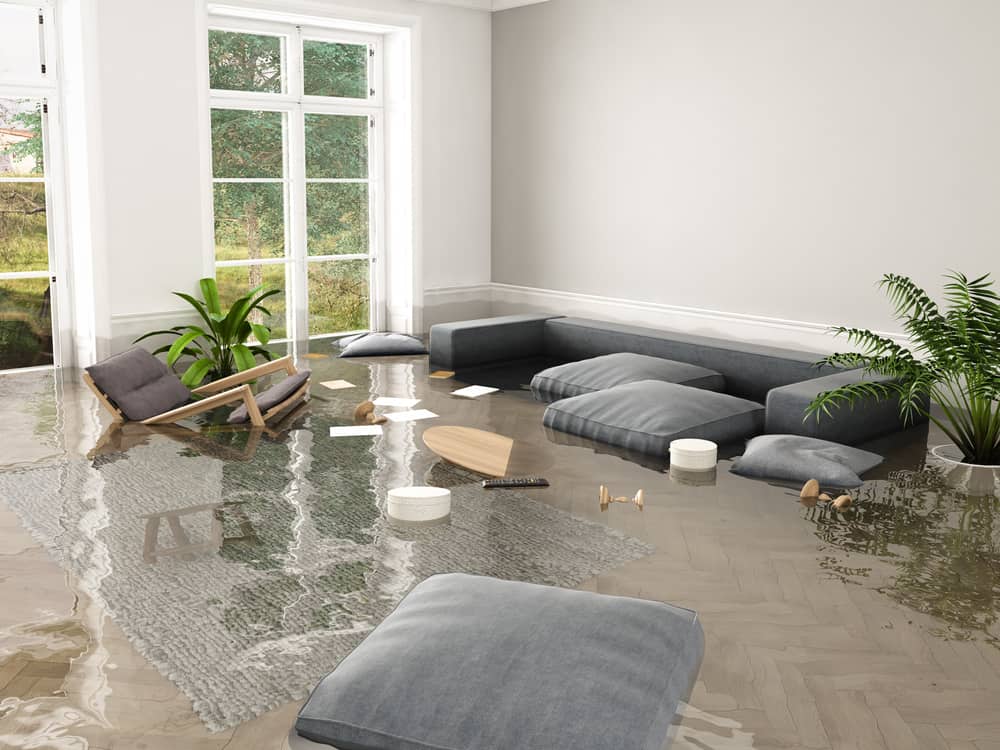
Water damage restoration covers a lot of ground, and in Bridgehampton specifically, the scope of a job often goes beyond what a typical inland property would involve. The South Fork’s exposure to Atlantic storms, nor’easters, and the flooding dynamics of Mecox Bay means that water intrusion in Bridgehampton can arrive from multiple directions at once ocean-side surge from the south, bay flooding from the west, and heavy rainfall overwhelming drainage in low-lying areas near the pond and wetland corridors.
What we include: emergency water extraction, structural drying and dehumidification, moisture mapping and thermal imaging, antimicrobial treatment to prevent mold growth, removal and disposal of unsalvageable materials, and full reconstruction through to finished surfaces. For properties near the ocean or Mecox Bay that fall within Southampton Town’s Coastal Erosion Hazard Area designations, the restoration process accounts for the additional regulatory requirements that can affect how repair work is permitted and executed. We handle that coordination so it doesn’t fall on you.
For seasonal homeowners who aren’t on-site, the process includes regular photo documentation and clear communication at each phase so you know exactly what was found, what was done, and what comes next, without needing to be in Bridgehampton to stay informed. We handle insurance billing directly, which means you’re not caught in the middle between your contractor and your insurer when you’re trying to manage this from a distance.

What should I do if I discover water damage in my Bridgehampton home after months away?
The first thing to do is not touch anything until you have a professional assessment. It sounds counterintuitive when you’re looking at visible water or damage, but disturbing saturated materials before moisture mapping is done can actually spread contamination and make it harder to document the full extent of the loss for your insurance claim. Call us before you start pulling up flooring or opening walls.
In Bridgehampton specifically, the concern with damage that has gone undetected for weeks or months is that what you can see is almost never the whole picture. Water travels. It wicks into wall cavities, soaks into subfloors, and creates conditions for mold growth in places that look fine from the outside. Our assessment using moisture meters and thermal imaging will show you where the water actually went not just where it landed. That full picture is also what your insurance adjuster needs to process the claim properly, so getting it documented correctly from the start protects you financially as well.
Does homeowners insurance cover water damage from a burst pipe in a vacant seasonal home?
Generally, yes standard homeowners insurance covers sudden and accidental water damage from internal sources like burst pipes, and that coverage typically applies whether the home is occupied or vacant at the time. However, there are important caveats that come up frequently with seasonal properties in Bridgehampton. If an adjuster determines that the pipe froze and burst because the home was left without adequate heat and the policy requires the property to be maintained at a minimum temperature the claim can be denied on the grounds of negligence or failure to maintain the property.
This is a real issue in Bridgehampton, where many seasonal owners reduce heat in vacant homes over the winter to cut costs. If your policy has a minimum temperature requirement and you weren’t meeting it, the insurer has grounds to dispute the claim. The other complication is documenting the date of loss when no one was present. Our assessment process is designed to help establish the timeline of damage as clearly as the physical evidence allows, which strengthens your position with the adjuster. It’s also worth knowing that standard homeowners insurance never covers flooding from external sources storm surge, rising groundwater, or bay overflow require separate flood insurance.
How fast does mold start growing after water damage in a Hamptons property?
Mold spores can begin germinating within 24 hours under the right conditions, and visible growth typically appears within 48 to 72 hours of initial water exposure. In a Bridgehampton home that has been sitting closed and unventilated which describes most seasonal properties during the off-season those conditions are almost always present. Warmth, darkness, and moisture are all mold needs, and a sealed house with wet building materials provides exactly that environment.
The reason this matters practically is that it changes how you should think about the timeline of damage in a property that’s been vacant. If a pipe burst in January and you’re discovering it in April, you’re not dealing with water damage anymore you’re dealing with water damage and an active mold situation, and those require different remediation steps. Mold remediation involves containment, removal of affected materials, antimicrobial treatment, and air quality verification. It’s a more involved process than drying alone, and it needs to be done by certified technicians following established protocols.
How long does water damage restoration typically take for a Bridgehampton estate home?
The honest answer is that it depends heavily on how long the water has been present and how much of the structure it has affected. For a situation caught quickly say, a washing machine overflow discovered the same day the drying phase alone typically runs three to five days, with any necessary repairs adding time from there. For a property where water has been sitting for weeks, you’re looking at a more involved process: extended drying, mold assessment and remediation if growth is present, removal of saturated materials, and reconstruction of finishes.
For a typical Bridgehampton scenario seasonal home, winter pipe burst, discovered in spring a realistic timeline from initial assessment through completed restoration is often three to six weeks, depending on the scope. Homes with high-end custom finishes, complex mechanical systems, or significant structural saturation will be on the longer end of that range. If the work involves structural repairs that require permits from the Town of Southampton’s Building Department, permit processing time is factored into the overall schedule. We’ll give you a clear scope and timeline estimate after the initial assessment, so you’re not guessing about when the property will be ready.
What's the difference between flood damage and water damage for insurance purposes in Bridgehampton?
This distinction matters enormously and catches a lot of Bridgehampton property owners off guard. Standard homeowners insurance covers sudden, accidental water damage from internal sources a burst pipe, an appliance failure, a roof leak from a storm. It does not cover flooding, which is defined as water that enters the home from an external source: storm surge from the Atlantic, overflow from Mecox Bay, rising groundwater, or surface water from heavy rain. For flooding coverage, you need a separate flood insurance policy, typically through FEMA’s National Flood Insurance Program.
Given Bridgehampton’s position on the South Fork bordered by the ocean to the south and Mecox Bay to the west, with documented flooding events tied to major storms this is not an abstract concern. Properties in low-lying areas near the bay or in the oceanfront zone along Ocean Road and Mecox Road are particularly exposed. If you experienced water intrusion during a storm event and you’re not sure whether your homeowners policy or a flood policy applies, the source of the water is the determining factor. Our assessment and documentation process identifies the source clearly, which helps establish which policy applies and reduces the risk of a coverage dispute.
Can First Response Restoration & Cleaning Inc. handle water damage restoration at a Bridgehampton property if I'm not able to be there in person?
Yes, and this is one of the more common situations we handle in Bridgehampton. A significant portion of the hamlet’s property owners live in New York City or elsewhere and aren’t able to be on-site when damage is discovered or when restoration is underway. The process is designed to work for owners who are managing this remotely. After the initial assessment, you’ll receive clear documentation of what was found including photos, moisture readings, and a written scope of work so you understand exactly what you’re dealing with before any work begins.
Throughout the restoration, we communicate at each phase so you’re not waiting for updates or trying to track down information. We handle insurance coordination directly, which means we work with your adjuster on documentation and billing without requiring you to serve as the go-between. If access to the property needs to be arranged through a property manager or a neighbor which is standard practice for many Bridgehampton seasonal homes that’s a straightforward arrangement we’ve worked with many times. The goal is that your property gets fully restored to the standard it deserves, whether you’re on Montauk Highway watching it happen or back in the city waiting for the call that it’s done.
Useful Links
Other Services we provide in Bridgehampton