
Water Damage Restoration in Deer Park, NY
Deer Park's Aging Homes Don't Wait Neither Do We
Hear from Our Customers

Flood Restoration, Suffolk County NY
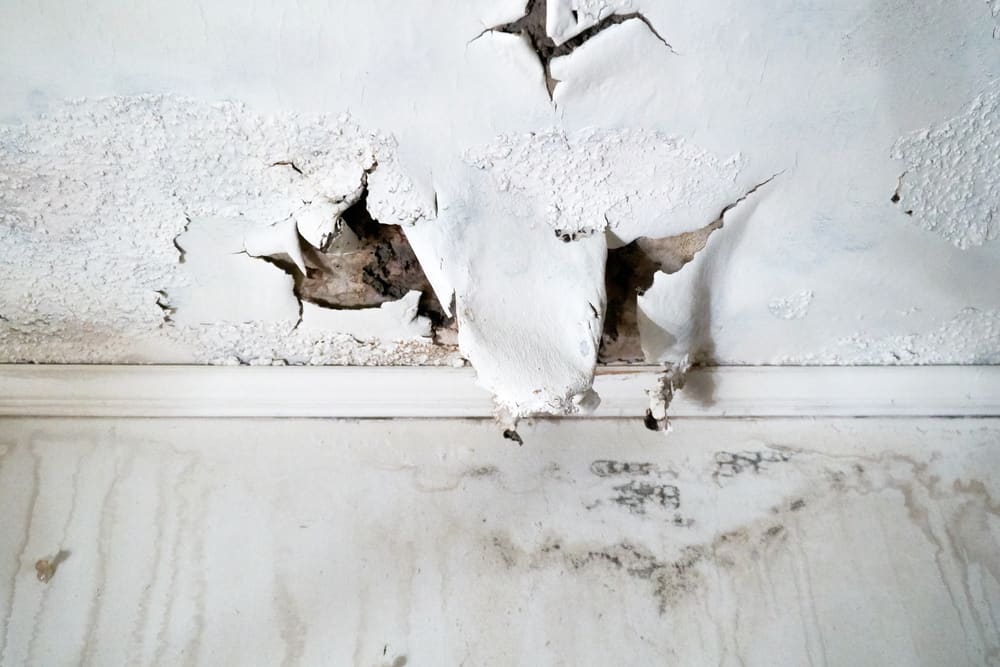
Water damage in a Deer Park home rarely announces itself. It’s the finished basement that absorbed three inches of water before anyone noticed. It’s the below-grade family room where the drywall has been quietly wicking moisture since the sump pump gave out during a storm. By the time most homeowners discover it, the clock on mold growth is already running and the EPA is clear that 24 to 48 hours is all it takes for mold to take hold.
What changes when the restoration is done right is that you stop wondering what’s still hiding behind the walls. We use industrial moisture meters, thermal imaging, and professional-grade drying equipment to reach the places a box fan never will inside concrete block walls, under subfloors, behind baseboards. That’s the difference between a job that looks finished and one that actually is.
Deer Park’s housing stock is one of the most age-concentrated on Long Island. Nearly 68% of homes here were built between the 1940s and 1960s, which means aging galvanized pipes, older foundations, and below-grade living spaces that weren’t designed with modern waterproofing in mind. We know that context shapes how the restoration gets done it’s not a footnote, it’s the foundation of our approach.
Residential Water Damage Repair, Deer Park
First Response Restoration and Cleaning Inc. has been working in Long Island homes for close to three decades. We’re headquartered in West Babylon, roughly three to five miles from the center of Deer Park, and have been handling water damage calls across Suffolk County long enough to know exactly what the homes here look like from the inside the split-levels, the hi-ranches, the Cape Cods built in the 1950s that have been updated on the surface but still carry original infrastructure underneath.
We’re IICRC-certified, licensed, bonded, and insured. Every technician follows documented restoration protocols that insurance adjusters recognize, which matters when you’re filing a claim on a finished basement that took real money to build out. We work directly with insurance carriers, handling the documentation and billing so you’re not stuck in the middle of a dispute while your lower level sits unfinished.
This isn’t a national franchise dispatching crews from across the Island. We’re a local operation that has been answering calls from Deer Park, North Babylon, Wyandanch, and Brentwood for years and the difference shows in how the work gets done.
Emergency Water Removal, Basement Water Extraction
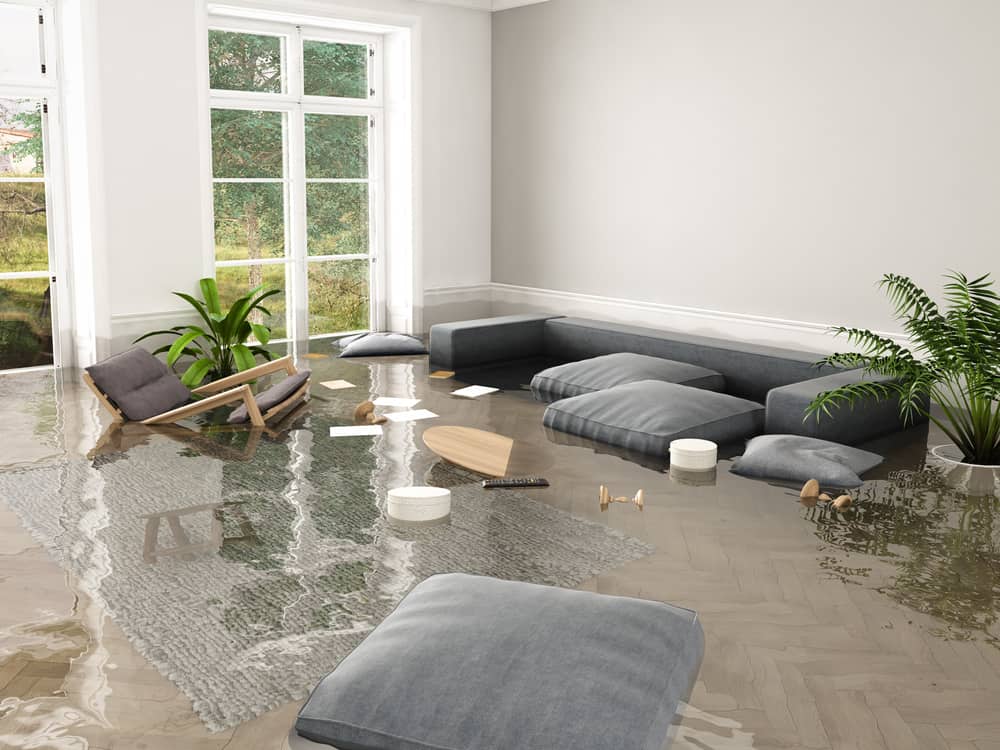
The process starts the moment you call. Whether it’s 2 AM after a nor’easter or a Wednesday afternoon when you come home to a flooded lower level, the first step is getting a crew on-site fast because in Deer Park’s older homes, water moves quickly through porous concrete block walls and into finished assemblies that take far longer to dry than they did to soak.
Once on-site, we assess the full scope of the damage. That includes moisture readings inside walls and under flooring, not just what’s visible on the surface. Standing water gets extracted, then the structural drying phase begins using industrial air movers and dehumidifiers placed strategically to pull moisture out of the building materials themselves. This phase typically runs three to five days depending on the extent of the damage, and moisture levels are monitored throughout so drying is confirmed not assumed.
Any structural repairs replacing drywall, flooring, or other affected materials fall under the Town of Babylon Building Division’s permit requirements, and we handle that process as part of full-service restoration. From water extraction through rebuild, we manage the whole scope, with direct insurance billing so you have one point of contact instead of three.

Ready to get started?
24/7 Water Damage Restoration, Deer Park NY
Water damage restoration in Deer Park covers more ground than most homeowners expect when they first make the call. It’s not just extraction and a few fans running for a day. For a below-grade family room in a 1960s split-level one of the most common scenarios in this hamlet the full scope includes water removal, structural drying, antimicrobial treatment to address mold risk, moisture documentation for the insurance claim, and reconstruction of the affected assemblies. Restoration costs for that type of event in Deer Park’s housing stock can range from $7,000 to $18,000 depending on the extent of the damage, which is exactly why insurance coordination matters.
We also handle burst pipe water damage, which is a real and recurring risk in homes with aging galvanized supply lines particularly during Long Island winters when pipes running through exterior walls or unheated spaces are vulnerable. Sewer backup cleanup is another category that comes up in Deer Park given the hamlet’s connection to Babylon’s aging municipal system. That’s a Category 3 contamination situation requiring full decontamination, not just drying, and we handle it accordingly.
Storm damage restoration, flooded basement cleanup, and sump pump failure response round out the most common calls we receive from this area. The Deer Park Avenue corridor’s documented drainage issues during heavy rainfall mean that homes on adjacent residential streets face basement flooding risk that has nothing to do with a plumbing failure and everything to do with an overwhelmed drainage system. Whatever the source, our response is the same: fast, thorough, and documented from start to finish.

Does homeowners insurance cover water damage from a burst pipe in Deer Park?
In most cases, yes standard homeowners insurance covers sudden and accidental water damage, and a burst pipe falls squarely into that category. If a supply line fails unexpectedly and floods your basement or lower level, your policy will typically cover the extraction, drying, and restoration costs. What it won’t cover is damage that resulted from a slow, ongoing leak that went unaddressed insurers treat that as a maintenance issue rather than an accident.
The distinction matters in Deer Park specifically because so many homes here have aging galvanized pipes that may have been showing signs of corrosion for years before they finally fail. If there’s any question about how the damage will be characterized, having proper documentation from an IICRC-certified restoration company is your strongest protection. We work directly with insurance carriers and handle the documentation and adjuster communication, so the claim process doesn’t fall entirely on you while you’re also dealing with a flooded home.
How quickly can mold develop after a basement floods in a Long Island home?
The EPA’s guidance is clear: mold can begin growing within 24 to 48 hours of water intrusion. That’s not a worst-case estimate it’s the standard timeline under typical indoor conditions. In practice, mold spores can start germinating in as little as 24 hours, and visible growth often appears within 48 to 72 hours if moisture isn’t addressed.
For Deer Park homeowners, this timeline is especially relevant because many of the hamlet’s split-level and hi-ranch homes have finished below-grade family rooms with drywall, carpeting, and wood framing all materials that absorb and hold moisture. If you’re a commuter who left for the city in the morning and came home to a flooded lower level in the evening, the water may have been sitting for eight to ten hours by the time you discover it. That’s already a significant portion of the mold window gone. Calling for professional extraction and drying immediately not the next morning is what keeps a water damage event from becoming a mold remediation project.
What is the difference between flood damage and water damage for insurance purposes?
This is one of the most common points of confusion, and it has real financial consequences. Standard homeowners insurance covers water damage from internal sources burst pipes, appliance overflows, roof leaks, and similar sudden events. It does not cover flooding, which is defined as water that enters the home from an external source such as storm surge, overflowing bodies of water, or surface water runoff.
For most Deer Park residents, this distinction is actually favorable. Because Deer Park sits in an interior position within the Town of Babylon well away from Great South Bay and the south-shore coastal communities that bore the brunt of Hurricane Sandy’s storm surge the majority of water damage events here originate from internal infrastructure failure or drainage overload rather than coastal flooding. A burst pipe, a sump pump failure, or a basement that takes on water from an overwhelmed storm drain during a heavy rain event are all typically covered under a standard homeowners policy. If you’re in a FEMA-designated flood zone and want coverage for external flooding, that requires a separate flood insurance policy through the National Flood Insurance Program.
How long does water damage restoration take for a finished basement in Deer Park, NY?
For a finished below-grade family room which is one of the most common water damage scenarios in Deer Park’s split-level and hi-ranch homes the timeline generally breaks down into two phases. The mitigation phase, which covers water extraction and structural drying, typically takes three to five days. Drying time depends on how long the water was present, how much material absorbed it, and the severity of the intrusion.
The reconstruction phase replacing drywall, flooring, and any other damaged materials comes after the structure is confirmed dry and follows the Town of Babylon Building Division’s permit process for structural work. That phase can add one to three weeks depending on the scope. From start to finish, a moderate finished basement event typically takes around two to three weeks. More extensive damage involving structural components or mold remediation can extend that timeline. The key factor that keeps timelines shorter is calling quickly the sooner extraction begins, the less material needs to be replaced.
What causes basement flooding in Deer Park homes during heavy rainstorms?
There are a few distinct causes, and they don’t all come from the same source. The most common is sump pump failure either mechanical failure, a power outage during the storm, or the pump simply being overwhelmed by the volume of water coming in. Deer Park’s relatively flat topography and the shallow water table associated with the pine barrens geography mean groundwater can rise quickly during extended rainfall, putting significant pressure on sump systems that weren’t designed for that load.
The Deer Park Avenue corridor adds another layer. The Route 231 commercial strip with its strip malls, parking lots, and impervious surfaces generates significant stormwater runoff during heavy rain events. When the drainage system along that corridor gets overwhelmed, water can back up and find its way into the basements of residential properties on adjacent streets. That’s a drainage problem, not a plumbing problem, and it can happen even in homes with functional sump pumps. Older homes near the Carll River on the hamlet’s western edge can also experience elevated groundwater intrusion during wet seasons. Knowing the source of the water matters because it affects both the remediation approach and how the insurance claim is categorized.
Is it safe to stay in my Deer Park home during water damage restoration?
It depends on the type and extent of the damage. For a contained event a burst pipe in one room, an appliance overflow, or a limited area of basement flooding most homeowners can remain in the home while drying equipment runs. The industrial air movers and dehumidifiers are loud and will run continuously for several days, but they don’t create a health hazard in unaffected parts of the house.
The situation changes with two specific scenarios that come up regularly in Deer Park. The first is sewer backup, which is a Category 3 biohazard situation. If sewage has entered the home which can happen in lower-lying parts of the hamlet when Babylon’s aging municipal system gets overwhelmed during a major storm the affected areas are not safe to occupy until full decontamination is complete. The second is significant mold growth. If visible mold is present or the damage has been sitting long enough that mold is likely, the affected areas should be vacated until remediation is done. In either case, the assessment during the initial visit will give you a clear answer about what’s safe and what isn’t there’s no reason to guess.
Useful Links
Other Services we provide in Deer Park