
Water Damage Restoration in East Islip, NY
South Shore Homes Need More Than a Surface Dry
Hear from Our Customers

Flood Restoration Services in East Islip
When water gets into a Cape Cod or split-level in East Islip, it doesn’t just sit on the floor. It travels into wall cavities, under subfloor assemblies, and into the framing of homes built in the 1950s, 60s, and 70s without modern waterproofing in mind. The fans and wet-vacs you rent from the hardware store don’t reach any of that. What looks dry on the surface can be quietly saturating the structure behind it.
That’s the real risk in an East Islip home. The water table throughout much of the Town of Islip sits close to the surface, which means storm water doesn’t drain quickly after a heavy event. During a coastal storm, bay water can push inland and stay in contact with your foundation long after the rain stops. The EPA is clear that mold can begin forming within 24 to 48 hours of water exposure and in East Islip’s conditions, that window is not a hypothetical. It’s the reality of where you live.
What proper restoration looks like is this: moisture pulled from places you can’t see, the structure genuinely dried to measurable standards, and every step documented in a way that supports your insurance claim. That’s the difference between a cleanup and a restoration.
Trusted Water Damage Restoration, Suffolk County
We’re headquartered in West Babylon about 15 miles west of East Islip along the South Shore corridor. This isn’t a national franchise routing calls through a regional dispatch center. We’re a locally rooted company that has been serving Nassau and Suffolk County homeowners for nearly 30 years, through every major storm event this stretch of coastline has seen.
Our team is IICRC-certified, licensed, bonded, and insured. That matters for more than just peace of mind it matters for your insurance claim. Insurance adjusters expect work that follows documented, certified protocols. When the documentation isn’t there, claims get complicated. We’ve spent decades working directly with Long Island insurance companies, which means the paperwork, the billing, and the coordination with your adjuster are handled by people who have done this hundreds of times before.
For East Islip homeowners whether you’re in The Moorings, Deer Run, or a raised ranch one block from Montauk Highway the 631 number reaches a real South Shore team, not a call center.
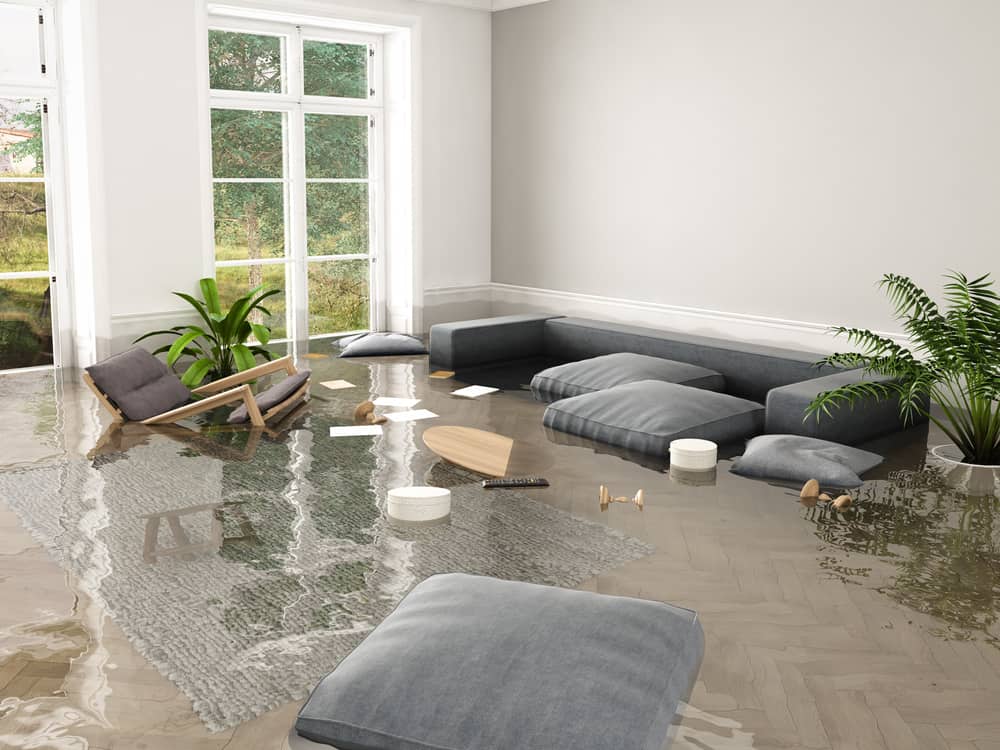
East Islip Water Damage Restoration Process
The first call starts the clock. We offer 24/7 emergency response, and in a community where the worst flooding has historically arrived without warning the 2014 flash flood that put the South Shore underwater from Babylon to East Islip began before dawn on a Tuesday response time genuinely matters. When we arrive, the first priority is assessment: where the water came from, how far it traveled, and what’s been affected beyond what’s visible. Industrial moisture meters and thermal imaging find what the eye misses.
Water extraction comes next, using equipment built for the job not consumer-grade tools. After extraction, the drying phase begins with industrial air movers and dehumidifiers placed specifically to pull moisture out of wall assemblies, under flooring, and from structural framing. This phase typically runs three to five days and is monitored with daily moisture readings to confirm the structure is actually drying, not just appearing to dry.
In East Islip, any structural repairs or reconstruction work requires compliance with Town of Islip building permit requirements. If the damage involves mold, New York State’s Mold Law under Article 32 of the Labor Law applies mold remediation must be performed by a licensed contractor. We handle all of this under one roof, one point of contact, and one insurance billing relationship, from initial water removal through complete reconstruction.
Ready to get started?
Residential Water Damage Repair in East Islip
Water damage restoration in East Islip isn’t a single service it’s a sequence. We handle the full scope: emergency water removal, structural drying, moisture mapping, antimicrobial treatment, mold remediation when needed, drywall removal and replacement, flooring restoration, and complete reconstruction. You don’t coordinate five contractors. You make one call.
For East Islip’s post-war housing stock specifically, that full-scope capability matters. The Cape Cods and split-levels that define this community were built with below-grade family rooms, partial basements, and foundation walls that were never designed with modern waterproofing standards. When storm surge from Great South Bay or a burst pipe in an aging plumbing system introduces water into one of these homes, the damage path is rarely simple. Water follows the framing, travels under floors, and collects in places that require professional moisture mapping to find not a visual inspection.
We also work directly with your homeowners insurance carrier. Sudden, accidental water damage from internal sources like burst pipes is typically covered under standard homeowners policies. Flooding from storm surge or groundwater is a separate question that often involves FEMA flood insurance. We have the experience to document the damage in a way that supports whichever coverage applies to your situation and to have that conversation with your adjuster directly, so you don’t have to navigate it alone.

Does homeowners insurance cover water damage from a burst pipe in East Islip?
Generally, yes standard homeowners insurance covers sudden, accidental water damage from internal sources like burst pipes, failed appliances, or an overflowing water heater. The key word is sudden. If the damage resulted from a pipe that burst unexpectedly, your policy is likely to cover it. If an adjuster determines the pipe had been leaking slowly over time and the damage was gradual, that’s where coverage disputes tend to arise.
In East Islip, where a significant portion of the housing stock consists of homes built in the 1950s through 1970s, aging plumbing systems are a real factor. Older galvanized or cast-iron pipes are more prone to sudden failure, and when they go, they go fast. The documentation of how and when the damage occurred matters enormously for your claim outcome. We work directly with insurance carriers and can help ensure the damage is documented in a way that accurately reflects what happened which protects your claim from the start.
What's the difference between flood damage and water damage for insurance purposes?
This is one of the most important distinctions for any East Islip homeowner to understand, especially given the community’s South Shore location on Great South Bay. Standard homeowners insurance covers water damage from internal sources pipes, appliances, roof leaks but it never covers flooding. Flooding, by insurance definition, means water that originates outside the home and enters from the ground up: storm surge, overland flow, rising bay water. That requires a separate FEMA flood insurance policy.
The gap between these two types of coverage is where a lot of East Islip homeowners get caught off guard after a storm event. If bay water pushed into your home during a coastal storm, your homeowners policy won’t cover it. If your sump pump failed during that same storm and water backed up through the drain, that may be covered under a separate sump pump rider. The specifics matter, and they vary by policy. We’ve spent nearly 30 years working with Long Island insurance adjusters on exactly these questions and can help you understand what documentation supports each type of claim.
How quickly does mold start growing after water damage in a South Shore home?
The EPA states that mold can begin forming within 24 to 48 hours of water exposure. In an East Islip home where the water table is already close to the surface and storm events can leave water in contact with your foundation for extended periods after the rain stops that window is tight. Mold spores are always present in the air. All they need is moisture and a surface to land on, and the post-war wall assemblies common in East Islip’s Cape Cods and split-levels give them plenty of options: paper-faced drywall, wood framing, insulation, subfloor materials.
The reason this matters practically is that visible mold typically appears 48 to 72 hours after water exposure, but microscopic growth starts earlier. By the time you can see it, you already have a remediation situation, not just a drying situation. Acting within that first 24-hour window getting professional extraction and drying equipment running is the most effective way to keep a water damage event from becoming a mold remediation project. That’s why our 24/7 emergency response isn’t a marketing line. It’s the difference between two very different scopes of work.
Can I dry out my flooded East Islip basement myself with fans and a dehumidifier?
You can remove standing water and reduce surface moisture, but consumer-grade fans and dehumidifiers don’t reach the places where water damage actually causes long-term problems. In a typical East Islip basement or below-grade family room common in the split-level homes throughout the community water that enters during a storm event doesn’t stay on the concrete floor. It wicks into the base of drywall, travels along wood framing, saturates insulation, and collects under flooring assemblies. A box fan circulating air in the room does nothing for moisture that’s already inside the wall.
Professional restoration equipment industrial air movers, commercial-grade dehumidifiers, and thermal imaging combined with calibrated moisture meters is specifically designed to pull moisture out of structural assemblies and confirm with measurable readings that the structure is actually dry. That documentation also matters for your insurance claim. If you attempt a DIY cleanup and mold appears six months later, the insurance conversation becomes significantly more complicated. Starting with professional assessment removes that risk.
How long does water damage restoration typically take for a home in East Islip?
It depends on the scope, but here’s a realistic range. Minor water damage affecting a limited area a single room, a contained appliance leak can be addressed in 24 to 48 hours of active drying after extraction. A more typical basement flooding situation in an East Islip home, where water has entered through the foundation or from a sump pump failure during a storm, usually takes around two to three weeks from initial extraction through final repairs. That includes three to five days of active structural drying, followed by assessment, any necessary drywall or flooring removal, antimicrobial treatment, and reconstruction.
If the water source was contaminated bay water intrusion, sewage backup, or groundwater the remediation process is more involved and the timeline extends accordingly. Mold remediation, if needed, adds additional time and must be performed by a New York State licensed contractor under Article 32 of the Labor Law. We handle the full sequence, which means you’re not waiting on a separate contractor to start the next phase. One company, one timeline, one point of contact.
Why should East Islip homeowners call a restoration company before calling their insurance company?
Calling a restoration company first is actually the smarter sequence for most homeowners, and here’s why. When water damage happens, the clock on mold growth starts immediately. Waiting to get insurance authorization before beginning mitigation can cost you days and in a South Shore home where storm conditions may have already saturated the ground around your foundation, those days matter. Most insurance policies actually require you to take reasonable steps to mitigate further damage. Waiting can complicate your claim, not protect it.
Calling us first means the damage gets documented professionally from the moment we arrive photos, moisture readings, a written assessment of the source and scope. That documentation is exactly what your insurance adjuster needs to process your claim. We work directly with insurance carriers and have been doing so with Long Island adjusters for nearly 30 years. Our team can communicate with your insurer on your behalf, handle the billing directly, and make sure the paperwork reflects the actual scope of the damage. You’re not left trying to explain technical restoration terminology to an adjuster while also managing a flooded home.
Useful Links
Other Services we provide in East Islip