
Water Damage Restoration in East Moriches, NY
When Moriches Bay Comes Through Your Door
Hear from Our Customers

Flood Restoration in East Moriches, NY
The goal isn’t just to get the water out. It’s to make sure your walls, subfloors, and structural cavities are actually dry not just dry on the surface and that every step is documented properly so your insurance claim holds up. For East Moriches homeowners near Moriches Bay, that distinction matters more than most people realize.
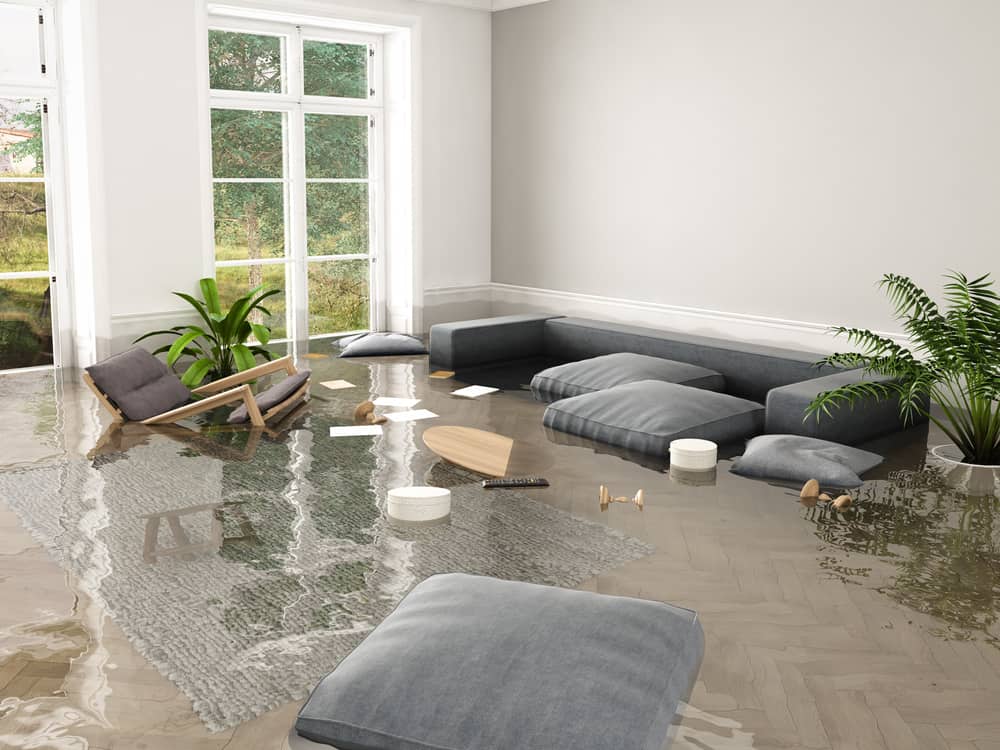
When bay water enters a home, it’s not clean water from a burst pipe. It’s Category 3 contaminated floodwater that carries bacteria, sediment, and everything else the bay brings with it. The restoration process for that kind of intrusion is more involved, more urgent, and requires a certified approach that your insurance adjuster will actually recognize. IICRC-certified work isn’t just about quality in a FEMA flood zone community like East Moriches, it’s about making sure the documentation supports your claim.
And because East Moriches has a meaningful number of seasonal and second homes properties that can sit unoccupied through the winter there’s another layer to this. A burst pipe in a vacant home near Tuthill Cove or Newport Beach can go undetected for weeks. By the time someone walks through the door in spring, what started as a manageable problem has often become a mold situation behind the walls. Catching the full scope of that damage not just what’s visible is exactly what a thorough assessment is for.
Suffolk County Water Damage Specialists
We’re based in West Babylon, Suffolk County the same county as East Moriches. When you call the 631 number, you’re reaching our local team, not a national call center routing a crew from out of state. That matters when demand surges after a nor’easter hits the South Shore and half the East Moriches area is dealing with bay flooding at the same time.
Our IICRC-certified technicians are licensed, bonded, and insured in New York State. That’s not a formality it’s what separates a legitimate restoration company from the storm chasers who show up in neighborhoods like Newport Beach after a major event and disappear before the work is finished. We’ve been here for nearly three decades, and we’ll be here after the next storm too.
We also work directly with your insurance company, handling the documentation and billing coordination so you’re not stuck playing intermediary between your insurer and your contractor while your home is still wet.
Emergency Water Removal in East Moriches, NY
When you call, the first priority is getting a team to your property quickly because every hour that water sits, it wicks further into walls, under flooring, and into structural cavities that you can’t see. In East Moriches, where the coastal humidity is already elevated year-round from Moriches Bay, that process happens faster than it would in a drier inland environment. Industrial-grade equipment is what actually moves moisture out of a humid coastal home.
Once on site, we do a full assessment using professional moisture meters to map where the water has traveled not just where it’s visible. This step is especially important for seasonal properties and older homes in the East Moriches Historic District, where plaster walls and original wood subfloors hold moisture differently than modern construction. You’ll know the actual scope of the damage before any work begins.
From there, water extraction and structural drying happen in sequence, followed by antimicrobial treatment to address any mold risk before it becomes a mold problem. If structural repairs or reconstruction are needed, we handle that too one company, start to finish. For properties in the Town of Brookhaven’s FEMA flood zones along Moriches Bay, we document the process in a way that supports both standard homeowners insurance claims and NFIP flood insurance claims, which often run simultaneously after a bay flooding event.
Ready to get started?
Residential Water Damage Repair in East Moriches
Water damage restoration in East Moriches covers a wider range of scenarios than most inland Long Island communities. There’s the obvious storm surge flooding from Moriches Bay which, during Sandy, reached extreme levels at the USGS monitoring station right here in East Moriches, and as recently as January 2024 hit 6.07 feet above datum during a single storm event. There’s the seasonal home that nobody checked on since October and now has a burst pipe that’s been running inside the walls since January. And there’s the slower, quieter damage the aging plumbing in a 19th-century home in the Historic District, the water heater that finally gave out, the washing machine connection that failed while the owners were away.
We handle all of it. Our services include emergency water removal and basement water extraction, structural drying and dehumidification, mold remediation, sewage backup cleanup, fire and smoke damage restoration, and full reconstruction when structural repairs are needed. The scope adapts to what the property actually needs whether that’s a straightforward flooded basement cleanup after a nor’easter or a comprehensive restoration of a waterfront home that took a direct hit from storm surge.
For East Moriches homeowners in FEMA Zone AE or VE particularly those along Moriches Bay, near Tuthill Cove, or in the Newport Beach community we understand how to navigate the dual-claim reality of coordinating both a homeowners insurance claim and an NFIP flood insurance claim at the same time. That experience is genuinely useful when you’re already dealing with the disruption of a flooded home.

Does homeowners insurance cover flooding from Moriches Bay storm surge?
Standard homeowners insurance does not cover flooding and that distinction is critical for East Moriches residents. Your homeowners policy typically covers sudden, accidental water damage from internal sources, like a burst pipe or a failed water heater. But when Moriches Bay pushes water into your home during a storm, that’s classified as flood damage, and it falls under a separate NFIP flood insurance policy not your standard homeowners coverage.
The complication for many East Moriches homeowners is that a single storm event can trigger both types of damage simultaneously. Wind-driven rain that gets in through a damaged roof or window may be covered under your homeowners policy, while the bay water that came in through the foundation falls under flood insurance. Having a restoration company that understands how to document and separate these two damage types is genuinely valuable when you’re filing claims with two different insurers at the same time. We work directly with both types of insurers and handle the documentation coordination so you’re not left navigating that alone.
How quickly can mold develop after a basement floods in East Moriches?
Mold can begin forming within 24 to 48 hours of flooding and in East Moriches, the coastal humidity from Moriches Bay makes that window even more relevant. Elevated ambient humidity slows the natural evaporation of surface moisture and keeps conditions favorable for mold growth longer than they would be in a drier inland environment. Consumer fans and basic wet-vacs don’t remove moisture from inside walls or under flooring, so even a home that looks dry on the surface can have active mold growth developing behind the drywall within a couple of days.
This is why the 24 to 48 hour window isn’t just a statistic it’s the actual timeline you’re working against. If you had water in your home and you’re not sure whether it was fully dried, that uncertainty is worth a call. A professional moisture assessment with industrial meters can tell you definitively whether there’s hidden moisture present, rather than finding out six months later when you’re dealing with a mold remediation project instead of a straightforward drying job.
What should I do immediately after my East Moriches home floods?
The first thing is to make sure it’s safe to be in the space if there’s any possibility that floodwater has reached electrical panels, outlets, or appliances, don’t enter until power to that area has been shut off. If the water came from Moriches Bay or a sewage backup, treat it as contaminated and avoid direct contact. Then call a restoration company before you call your insurance company getting a professional on site quickly to document the damage and begin extraction actually strengthens your claim, because the damage is captured before it worsens.
While you’re waiting for the team to arrive, if it’s safe to do so, move valuables and furniture out of the affected area and take your own photos and video of everything visible. Don’t run standard fans or a household dehumidifier and assume the problem is handled those tools can’t reach moisture inside walls or under subfloors. In East Moriches, where bay flooding often means Category 3 contaminated water, the extraction and treatment process requires professional-grade equipment and antimicrobial treatment that goes well beyond what a consumer cleanup can accomplish.
How does water damage restoration work for a seasonal home in East Moriches?
Seasonal properties present a specific challenge that’s particularly common in East Moriches given its proximity to the Hamptons and the number of homes used primarily in summer. When a burst pipe or slow leak goes undetected in a vacant home for weeks or months, the damage profile is fundamentally different from a flooding event that gets discovered immediately. Water has had time to saturate subfloors, soak insulation, wick up wall cavities, and establish mold colonies often in multiple areas throughout the home before anyone walks through the door.
The assessment process for a seasonal home starts with a thorough moisture mapping of the entire property, not just the obvious wet areas. Industrial moisture meters identify where water has traveled, including inside walls and under flooring where visible inspection won’t catch it. From there, the restoration scope is built around what the property actually needs which in a long-undetected damage situation often includes mold remediation in addition to structural drying and repairs. If you’re opening up an East Moriches property in spring and something doesn’t look or smell right, a professional assessment is the right first call before you start pulling up floors yourself.
How long does water damage restoration typically take in East Moriches, NY?
The timeline depends entirely on the scope of the damage. A relatively contained flooded basement say, from a burst pipe caught within a day might be fully dried and restored within one to two weeks. A more significant event, like bay flooding that saturated multiple rooms and drove water into walls and subfloors, typically runs closer to three weeks from initial extraction through final repairs. If structural damage is involved or mold remediation is needed, the timeline extends further and can run several months for severe cases.
In East Moriches, the coastal humidity environment is a real factor in the drying timeline. High ambient humidity from Moriches Bay means that structural drying takes longer than it would in a drier climate, and industrial dehumidifiers have to work harder to pull moisture out of building materials. This is one of the reasons professional equipment matters here a consumer dehumidifier running in a coastal home is fighting against the ambient humidity in a way that significantly extends the effective drying time. We’ll give you a realistic timeline estimate during the initial assessment based on the actual conditions in your home.
Are older homes in the East Moriches Historic District harder to restore after water damage?
They can be, and the difference is mostly in the materials. Older homes in East Moriches including those in the Historic District with structures dating to the 19th century often have plaster walls, original wood subfloors, and building materials that absorb and hold moisture very differently than modern drywall and engineered flooring. Plaster walls, for example, can hold significant moisture internally while appearing dry on the surface, which means moisture meters are essential a visual inspection alone won’t tell you what’s actually happening inside the wall.
The restoration approach for an older home also has to account for the value of what’s there. Aggressive demolition that might be standard practice in a newer build cutting out large sections of drywall to speed up drying isn’t always the right call when you’re dealing with original plaster, period millwork, or historic structural elements. The goal is to dry the structure thoroughly while preserving as much of the original material as possible. That requires experience with older Long Island housing stock, not just a generic restoration protocol applied to every home regardless of age or construction type.
Useful Links
Other Services we provide in East Moriches