
Water Damage Restoration in East Setauket, NY
When Nine Feet of Water Hits East Setauket, You Need More Than a Quick Fix
Hear from Our Customers

Flood Restoration in East Setauket, NY
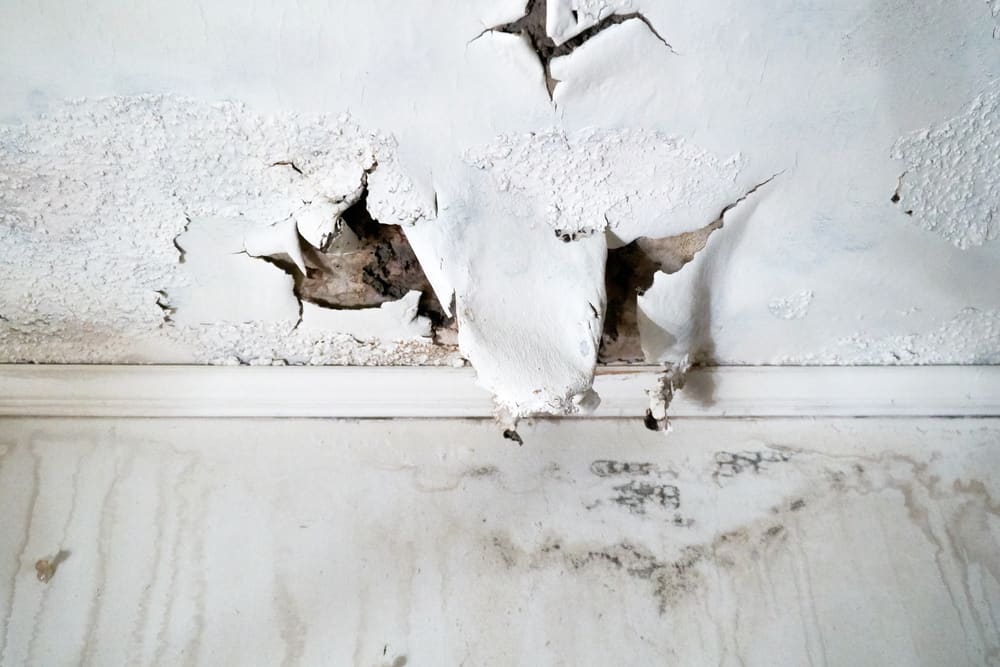
When water gets into your home whether it’s from a burst pipe at 2 a.m. or a storm that overwhelms your sump pump the visible damage is only part of the problem. Moisture that wicks into walls, subfloors, and framing doesn’t announce itself. It just sits there until mold does.
The EPA is clear: you have 24 to 48 hours to dry a water-damaged area before mold growth begins. That window is real, and it closes fast.
East Setauket’s housing stock makes this especially critical. Many homes here were built in the mid-century era ranch homes, bi-levels, and colonials with basements that were never designed with today’s waterproofing standards in mind. Older concrete block foundations absorb moisture differently than poured concrete, and the plumbing systems in homes from the 1960s and 1970s are now well past their expected service life. When those systems fail, the damage doesn’t stay on the surface.
What you get with proper restoration isn’t just a dry floor it’s confirmation that moisture is gone from places you can’t see, documentation your insurance company will actually accept, and assurance that you won’t be dealing with a mold problem six months from now. That’s the difference between a cleanup and a restoration.
Residential Water Damage Repair in East Setauket, NY
We’ve been serving Long Island homeowners for nearly three decades. We’re based in West Babylon, Suffolk County, and operate a dedicated 631 number for Suffolk County calls the same area code as East Setauket. When you call us, you reach a local team, not a national dispatch center routing a crew from somewhere else.
Our technicians are IICRC-certified the industry’s most recognized credential, and the one insurance companies expect when reviewing a claim. We’re also licensed, bonded, and insured, which matters when restoration work in New York State involves mold remediation under Article 32 of the NYS Labor Law or structural repairs that may require permits from the Town of Brookhaven.
After the August 2024 storm put East Setauket in the Governor’s Disaster Emergency Declaration with sinkholes reported in the hamlet and basements filling with feet of water the Three Village area learned firsthand what it means to need a restoration company that actually shows up. We’ve been that company on Long Island for nearly 30 years.
24/7 Water Damage Restoration in East Setauket, NY
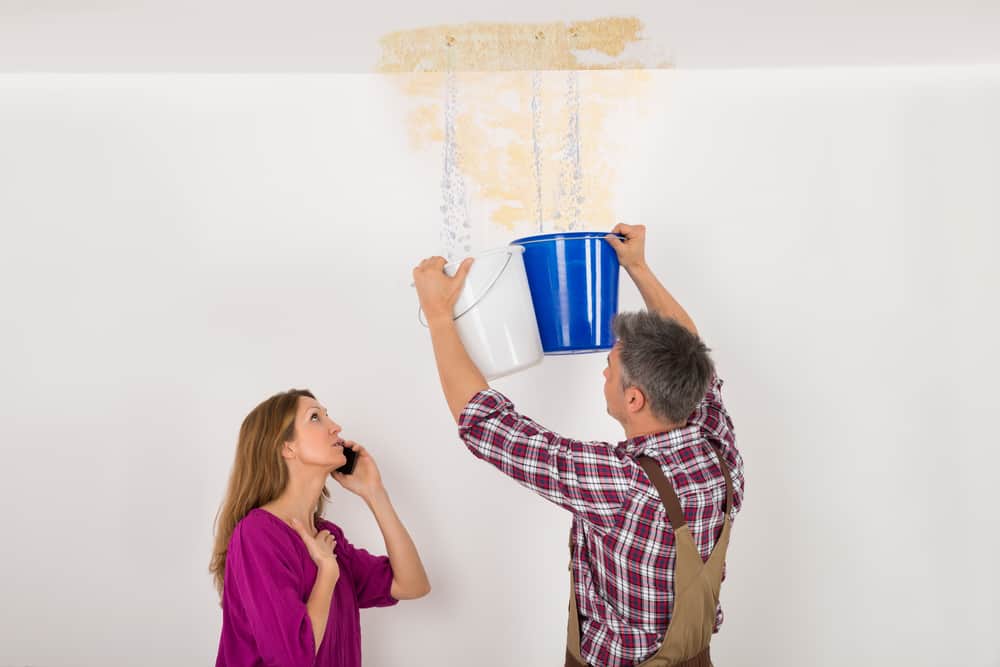
It starts with a call any hour, any day. When you reach out to us, our goal is to get someone to your property fast, because every hour that passes increases the scope of what needs to be done.
The first thing our team does on arrival is assess the full extent of the damage, including areas you can’t see. We use industrial moisture meters and thermal imaging to find water inside walls, under floors, and in structural cavities that a visual inspection would miss entirely.
Once the scope is mapped, water extraction begins immediately. Our commercial-grade pumps and extraction equipment remove standing water far more effectively than consumer-grade tools, and the process moves quickly because speed directly affects your outcome.
After extraction, the drying phase begins air movers, industrial dehumidifiers, and targeted equipment work through the structure over several days, with moisture readings taken regularly to confirm the drying is progressing correctly.
Throughout the process, everything is documented damage photos, moisture readings, equipment logs, and scope of work. This documentation isn’t just for your records; it’s what your insurance company needs to process your claim properly. We work directly with your insurer, handling communication and billing so you’re not stuck in the middle.
Once the structure is confirmed dry, we walk you through what repairs are needed and handle the rebuild from drywall to flooring to full reconstruction if the damage warrants it.
Ready to get started?
Flooded Basement Cleanup in East Setauket, NY
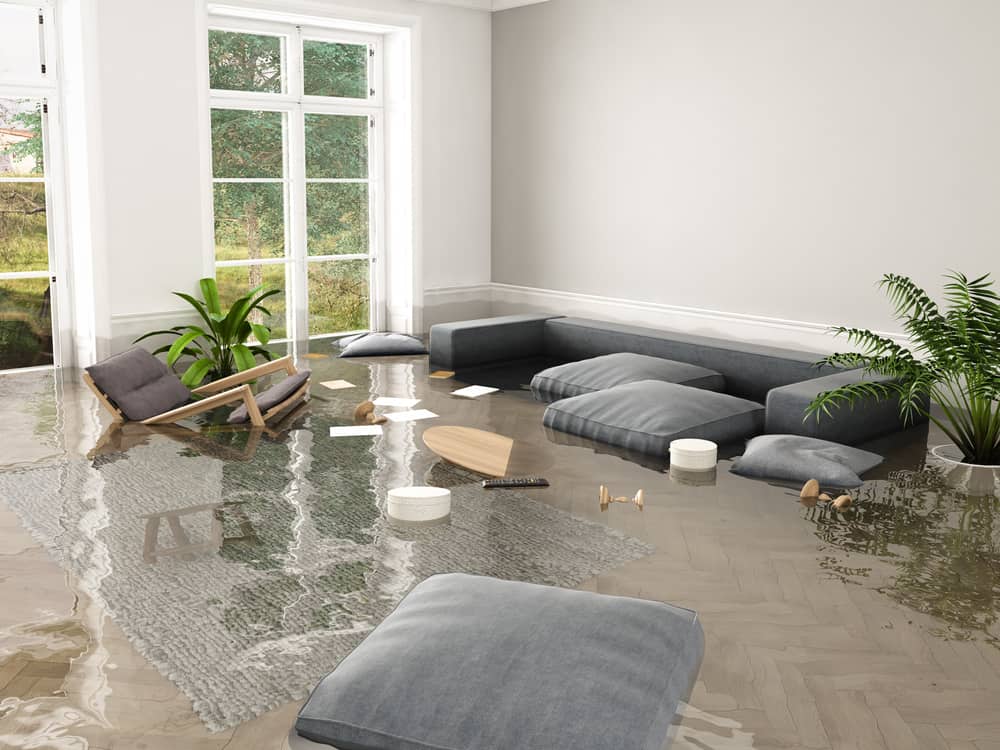
Basement flooding is the most common water emergency in East Setauket, and it’s also the most commonly mishandled. The combination of a high water table, older foundation construction, and the storm exposure that comes with being on the North Shore near Setauket Harbor and Conscience Bay means that basements here take on water from multiple directions not just from a failed appliance or a burst pipe, but from groundwater pushing through foundation walls during heavy rain events.
Running fans for a few days doesn’t fix that. We handle the full scope: water extraction, structural drying, moisture mapping, antimicrobial treatment to stop mold before it starts, and complete documentation for your insurance claim.
For homes with finished basements which are common across East Setauket’s mid-century and renovated colonial housing stock we also manage contents protection and coordinate the rebuild so your finished space is restored, not just dried out.
Beyond basement flooding, we handle burst pipe water damage, storm damage restoration, sewage backup cleanup, water heater and appliance failures, and mold remediation following any water intrusion event. For homeowners in the 11733 ZIP code whether you’re north of Route 25A near the harbor-facing neighborhoods or south near the Route 347 corridor our response is the same: IICRC-certified technicians, direct insurance coordination, and a process that doesn’t stop at the surface.

Does homeowners insurance cover water damage from the August 2024 storm in East Setauket?
The answer depends on the source of the water, and that distinction matters more than most homeowners realize. Standard homeowners insurance typically covers sudden, accidental water damage from internal sources a burst pipe, a failed appliance, or a roof leak caused by wind. What it does not cover is flooding, which is defined as water entering from outside the structure, including storm surge, overland flooding, and groundwater seepage.
The August 2024 storm that triggered the Governor’s Disaster Emergency Declaration for Suffolk County caused both types of damage across East Setauket. Some homes had internal pipe failures or sump pump overflows that are likely covered under standard policies. Others had water enter through foundation walls or window wells from rising groundwater and overland flow and that type of intrusion typically falls under flood insurance, which requires a separate policy through the National Flood Insurance Program.
If you’re unsure how your damage is categorized, the documentation we collect during restoration moisture mapping, damage photos, scope of work is critical to supporting your claim correctly. We work directly with your insurance company and can help ensure the claim is presented with the documentation adjusters need to process it properly.
How do I know if my basement in East Setauket has hidden moisture after a flood?
The most common mistake after a basement flood is assuming that once the standing water is gone and the floor feels dry, the problem is resolved. It isn’t. Moisture that absorbs into concrete block foundations, wood framing, drywall, and insulation doesn’t evaporate on its own it stays trapped inside the structure and creates the conditions mold needs to grow.
Many homeowners don’t see visible mold until weeks after the initial event, by which point it has already established itself inside the wall cavity. In East Setauket’s older homes particularly those with concrete block foundations common in mid-century construction this kind of hidden moisture is especially likely after a significant flooding event.
Professional moisture detection uses calibrated meters and thermal imaging to measure moisture levels inside materials, not just on surfaces. A reading that looks dry to the eye can show elevated moisture content in the framing behind the drywall. The only reliable way to confirm a basement is truly dry is with professional equipment and documented readings taken over the course of the drying process.
If your basement flooded and you dried it yourself or used a company that didn’t provide moisture documentation, it’s worth having a professional assessment done before mold becomes a visible and much more expensive problem.
How long does water damage restoration typically take for a flooded basement?
For most flooded basements, the timeline breaks down into a few phases. Water extraction typically takes one to three days depending on the volume of water and the size of the affected area. The drying phase where industrial dehumidifiers and air movers run continuously generally takes three to five days for a standard basement, though that timeline extends if moisture has penetrated deeply into framing, concrete, or insulation.
After drying is confirmed through moisture readings, any mold treatment, demolition of unsalvageable materials, and reconstruction begins. For a typical basement flood affecting a couple of rooms, the full process from extraction through final repairs generally runs about three weeks.
More severe damage like the kind documented in East Setauket during the August 2024 storm, where some basements took on several feet of water can extend that timeline significantly, particularly if structural materials need to be replaced or if mold remediation is required. The drying phase cannot be rushed without risking incomplete results. Equipment needs to run long enough for moisture readings to confirm the structure has reached its target dryness level.
What's the difference between water damage restoration and just drying things out myself?
Consumer-grade fans and dehumidifiers from a hardware store move air and pull some surface moisture, but they don’t have the capacity to dry structural materials the framing, subfloor, concrete, and insulation that hold moisture long after the surface feels dry. Industrial drying equipment operates at a completely different scale, and the difference shows up in moisture meter readings taken inside the wall assembly.
Beyond the equipment gap, professional restoration involves a documented process. Every step damage assessment, moisture mapping, extraction, drying progress, final readings is recorded and tied to your insurance claim. An insurer reviewing a claim wants to see that the work was done by an IICRC-certified company following established protocols.
There’s also the mold question. The EPA recommends drying water-damaged areas within 24 to 48 hours to prevent mold growth. If your DIY drying effort took longer than that or if it left residual moisture in places you couldn’t measure mold remediation may already be necessary, even if you can’t see it yet.
Does burst pipe water damage in East Setauket get covered by homeowners insurance?
Generally, yes sudden and accidental water damage from a burst pipe is one of the scenarios that standard homeowners insurance is designed to cover. If a pipe freezes and bursts during a cold snap, or if a supply line fails unexpectedly, the resulting water damage to your floors, walls, and belongings is typically a covered loss under a standard policy.
Where claims run into trouble is when the damage is attributed to a gradual leak or a maintenance issue the homeowner should have addressed. Insurance companies may deny or reduce a claim if they determine the pipe showed signs of corrosion, the leak had been ongoing for some time, or the homeowner failed to act quickly enough to mitigate the damage after discovering it. This is why calling us immediately rather than waiting to see how things develop protects your claim.
East Setauket’s housing stock includes a significant number of homes built in the 1960s and 1970s, and the pipes and plumbing systems in those homes are now 50 to 60 years old. That aging infrastructure is one of the primary drivers of non-weather-related water damage claims on Long Island. If you’re in one of those homes and a pipe fails, the speed and documentation of your response directly affects what your insurance company pays.
Can mold start growing in an East Setauket home after a small leak, not just a major flood?
Yes, and this is one of the most important things to understand about water damage in any home. Mold doesn’t require a flooded basement or a major storm event to get started it needs moisture, an organic material to grow on, and time. A slow drip under a kitchen sink, a small roof leak that wets the attic insulation, or a washing machine supply line that seeps for a few weeks can all create the conditions for mold growth without ever producing visible standing water.
In East Setauket’s older homes, this risk is compounded by the fact that many have plaster walls, older insulation, and wood-framed construction that absorbs and holds moisture more readily than modern materials. A small leak in one of these homes can saturate structural materials that don’t dry out on their own, particularly in spaces with limited airflow like crawlspaces, wall cavities, and finished basement ceilings.
The 24 to 48 hour window that the EPA cites for mold prevention applies to any moisture event, not just major floods. If you’ve had a leak even one that seemed minor and you’re noticing a musty smell, discoloration on walls or ceilings, or unexplained allergy symptoms in the home, it’s worth having us assess whether mold has already established itself. Catching it early is significantly less disruptive and less costly than addressing it after it’s spread through a wall assembly.
Useful Links
Other Services we provide in East Setauket