
Water Damage Restoration in East Shoreham, NY
North Shore Homes Deserve More Than a Surface Fix
Hear from Our Customers

Flood Restoration East Shoreham, NY
The goal isn’t just to get the water out. It’s to make sure nothing is hiding behind your walls, under your floors, or inside the structure of your home weeks after the crew leaves. That’s where the real damage happens and that’s exactly what we’re built to prevent.
East Shoreham’s housing stock makes this especially important. A significant number of homes here started as 1960s and 70s beach bungalows built for summer use, converted to year-round living, and often without the waterproofing upgrades that modern construction requires. When water gets into one of these homes, it moves differently than it does in a newer colonial. It finds its way into original plaster walls, crawl spaces, and subfloor cavities that consumer-grade fans simply can’t reach.
When the job is done correctly, you’re not left wondering. We take moisture readings that confirm what the eye can’t see. The structure is dry. The air quality is clean. And if mold was a risk, it’s been addressed before it had a chance to take hold. That’s the difference between a real restoration and a cleanup that creates a bigger problem six months from now.
Residential Water Damage Repair East Shoreham
We’ve been restoring Long Island homes for nearly three decades. That’s not a marketing number it’s a track record that covers nor’easters, burst pipes, basement floods, and everything in between across Nassau and Suffolk counties. We serve East Shoreham and the surrounding North Shore communities, and our team knows this territory inside and out.
We’re IICRC-certified, licensed, bonded, and insured. We work directly with your insurance company handling documentation, direct billing, and adjuster coordination so you’re not stuck in the middle of that process while also managing the disruption in your home. For homeowners in Brookhaven Town, where the August 2024 federal disaster declaration left many residents navigating insurance claims for the first time, that kind of experience matters.
We’re not a national franchise dispatching crews from out of state. We’re a Long Island company, built for Long Island homes, with the depth of experience to back it up.
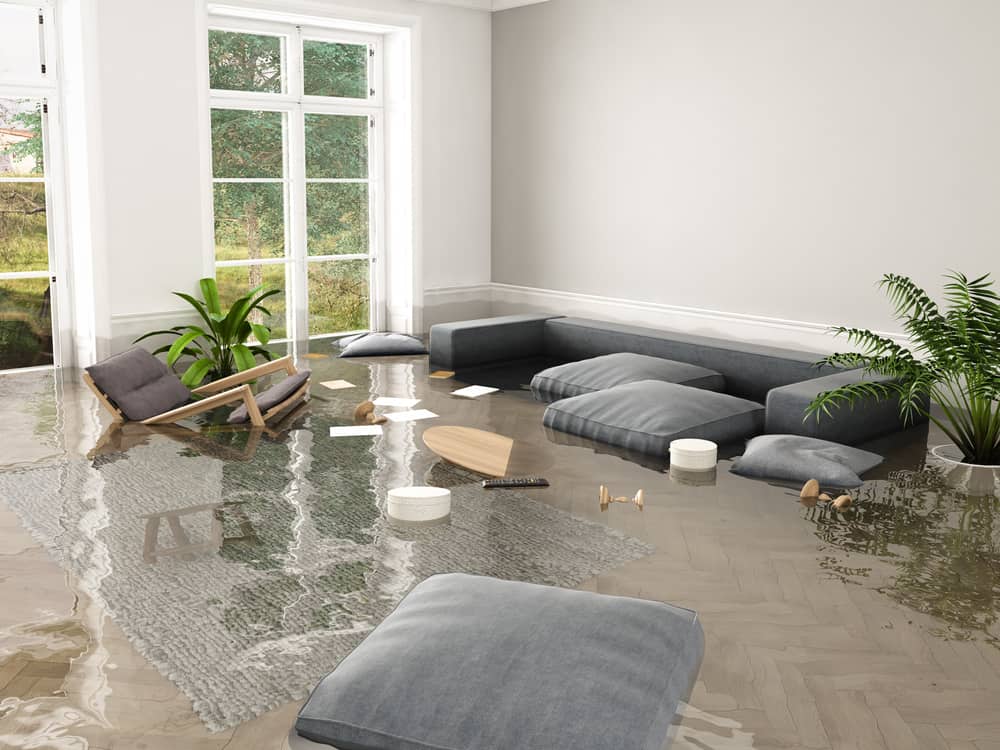
Basement Water Extraction East Shoreham, NY
When you call, the first thing that happens is a real response not a voicemail, not a callback window. We operate around the clock because water damage in East Shoreham doesn’t follow a schedule. A nor’easter pushing water in from Long Island Sound at 3 a.m. is just as serious as a pipe that bursts on a Tuesday afternoon.
Once on-site, we begin with a thorough assessment using industrial moisture meters to map exactly where water has traveled. In older bungalow-era homes throughout East Shoreham, this matters more than most people realize. Water wicks through original construction materials in ways that aren’t visible, and the assessment determines the true scope before any work begins. This also creates the documentation your insurance adjuster will need, which is something we handle as part of the process.
From there, extraction and structural drying begin using commercial-grade equipment not the kind of gear you’d rent from a hardware store. The drying phase typically runs several days, with moisture readings taken throughout to confirm progress. Any reconstruction work in East Shoreham requires Brookhaven Town building permits, and we coordinate that as part of the full-service scope. The job isn’t finished until the numbers confirm it’s finished.
Ready to get started?
Storm Damage Restoration East Shoreham, NY
Water damage restoration isn’t one thing. What your home needs depends on how the water got in, how long it sat, and what it touched. We handle the full range water removal, structural drying, dehumidification, mold remediation, odor treatment, and reconstruction under one roof. You don’t need to coordinate multiple contractors or wonder if the next phase is covered.
For East Shoreham specifically, a few scenarios come up more than others. Sound-side storm surge and nor’easter flooding are seasonal realities on the North Shore. Long Island’s shallow aquifer means groundwater can push through foundation walls and floor drains after heavy rain even when there’s no direct flooding something that catches homeowners off guard. The bungalow-era homes along the waterfront face a higher risk of frozen pipe failures during winter, particularly in homes that were originally built without adequate insulation for year-round use.
Whether it’s a burst pipe in an older home off North Country Road, a flooded basement after a heavy rain event, or structural drying following storm damage, the scope of work is determined by what’s actually happening in your home not a preset package. The free on-site assessment is where that conversation starts, and it costs you nothing to find out exactly what you’re dealing with.

Does homeowners insurance cover water damage from flooding in East Shoreham?
Standard homeowners insurance and flood insurance are two different policies, and the distinction matters a lot for East Shoreham residents. Your homeowners policy typically covers sudden, accidental water damage from internal sources a burst pipe, a failed water heater, an appliance overflow. What it does not cover is flooding from an external source, meaning water that enters your home from the ground, a storm surge off Long Island Sound, or rising water during a major rain event.
For that kind of coverage, you need a separate flood insurance policy, typically through the National Flood Insurance Program. Given East Shoreham’s position on the North Shore shoreline and the flooding documented during the August 2024 disaster declaration in Brookhaven Town, flood insurance is something many homeowners here are now taking seriously for the first time. If you’re unsure what your current policy covers, we work directly with insurance companies and can help you understand what’s documentable and claimable before you file.
How quickly does mold start growing after a basement floods in my home?
The EPA’s guidance is clear: mold can begin developing within 24 to 48 hours of water exposure under the right conditions. That’s not a worst-case scenario that’s the standard window. In East Shoreham’s older bungalow-era homes, where materials like original plaster, older wood framing, and crawl space construction absorb moisture readily, the conditions for mold growth are often present even when the surface looks dry.
This is why the speed of response matters as much as the quality of the work. Getting water extracted and structural drying underway within that first 24-hour window dramatically reduces the risk of mold taking hold. If you’re already past that window and you dried things up yourself with fans and a wet-vac, it’s worth having a professional assessment done. Consumer-grade equipment can’t remove moisture from inside walls or under floors, and what looks resolved on the surface may not be.
What should I do immediately after my basement floods in East Shoreham?
The first priority is safety. If there’s standing water in your basement and you don’t know whether your electrical panel has been affected, don’t go in. Water and live electricity are a serious hazard, and it’s not worth the risk. Once it’s confirmed safe to enter, stop the source if you can shut off the water supply if it’s a burst pipe, or note the entry point if it’s groundwater or storm intrusion.
From there, call a restoration company before you call your insurance company. This might feel counterintuitive, but getting a professional on-site to document the damage with moisture readings and photos before anything is moved or dried out creates a much stronger foundation for your claim. We handle that documentation as part of the process and work directly with your insurer. In a community like East Shoreham, where homes often sit on a shallow aquifer and storm events can push water in from multiple directions, understanding the full scope of intrusion early makes a real difference in how the claim and the restoration unfold.
How long does water damage restoration typically take for a North Shore Long Island home?
For a moderate water damage situation say, a flooded basement or a burst pipe affecting one or two rooms you’re typically looking at a few days for extraction and drying, followed by additional time for any repairs or reconstruction. The full process from initial dry-out through final repairs averages around two to three weeks for most homes, though minor damage can be resolved faster and extensive structural damage can take longer.
In East Shoreham’s older housing stock, drying times can run slightly longer than in newer construction. Original plaster walls, older wood framing, and crawl spaces without modern vapor barriers hold moisture differently than contemporary materials. We use moisture meters throughout the drying phase to track progress and confirm when the structure has reached acceptable levels the job doesn’t wrap up based on a calendar, it wraps up based on what the readings show. Any reconstruction work requires Brookhaven Town building permits, which we coordinate as part of the full-service scope.
Can I stay in my home during water damage restoration in East Shoreham?
In many cases, yes particularly if the damage is contained to one area like a basement or a single room. The restoration equipment runs continuously during the drying phase, which does create some noise and airflow, but most families find it manageable. The bigger factor is air quality: if mold remediation is part of the scope, there may be a period where certain areas of the home need to be sealed off and proper containment is in place.
The honest answer is that it depends on the extent of the damage and what’s been affected. We’ll give you a straight assessment of what the work involves and whether staying in the home is practical during the process. For East Shoreham families with children in the Shoreham-Wading River school district and full-time work schedules, minimizing disruption matters and we’ll work with you on timing and access where possible. If temporary relocation becomes necessary, that’s something your insurance adjuster should be involved in, and we can help document that need as part of the claim.
Why do so many East Shoreham bungalow-era homes have repeated water intrusion problems?
The short answer is that a lot of these homes were never designed for what they’re being asked to do now. The waterfront and near-waterfront homes in East Shoreham were built in the 1960s and 70s as seasonal beach properties occupied in summer, closed up in winter. When they were converted to year-round residences, the underlying systems often weren’t upgraded to match: no sump pump or an undersized one, minimal foundation waterproofing, original plumbing that’s now 50-plus years old, and crawl spaces without modern vapor barriers.
Long Island’s shallow aquifer compounds the problem. When the water table rises after heavy rain which happens regularly on the North Shore groundwater can push through foundation walls and floor drains even in homes that aren’t in a mapped flood zone. The sandy coastal soil also allows water to travel laterally toward foundations, so a heavy rain event can create basement intrusion without any direct flooding overhead. Addressing the immediate damage is step one, but understanding why it keeps happening is what prevents the next event from turning into the same expensive situation. A proper assessment looks at both.
Useful Links
Other Services we provide in East Shoreham