
Water Damage Restoration in Jamesport, NY
When Water Hits a North Fork Home, Speed and Expertise Make the Difference
Hear from Our Customers

Flood Restoration Jamesport, NY
When water gets into your home whether it came through the foundation, up from the Peconic Bay, or out of a pipe that finally gave what you need most is for it to be fully gone. Not surface-dry. Actually dry, inside the walls, under the floor, and in every cavity where moisture hides and mold starts.
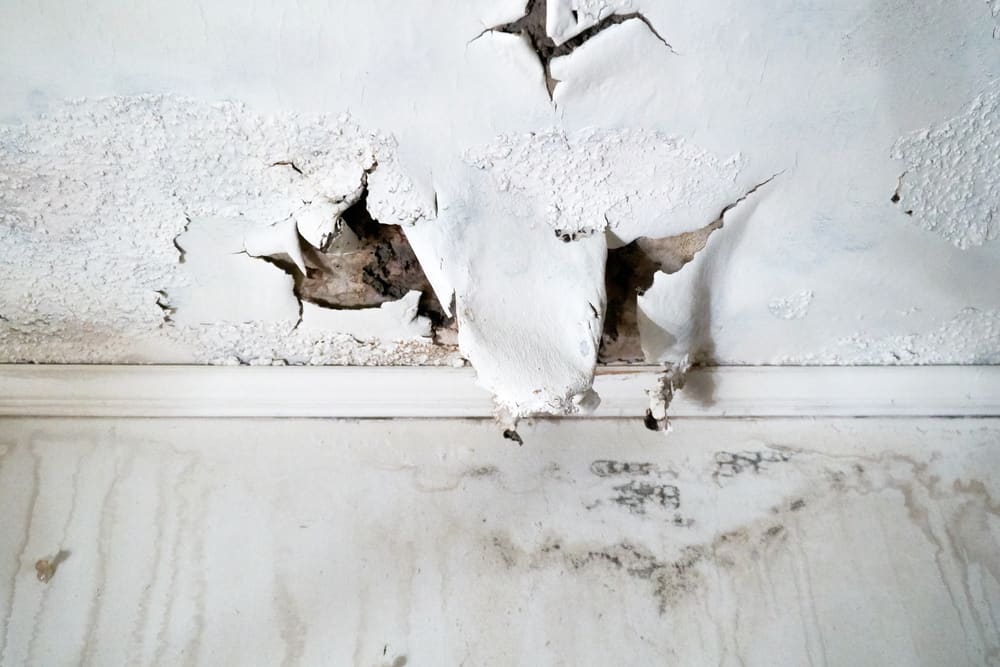
For Jamesport homeowners, that matters more than it does in most places. The Cape Cod-style homes and older bay-side cottages that make up a lot of this area’s housing stock were not built with modern waterproofing in mind. Water finds its way into old-growth framing, plaster walls, and crawl spaces in ways that a shop vac and a few fans will never fix. What looks dry on the surface can be quietly growing mold within 24 to 48 hours, according to the EPA.
If your property sits empty for part of the year and roughly one in three homes in Jamesport does the stakes are even higher. A burst pipe in January can go undetected for days or weeks. By the time you arrive in the spring, you’re not dealing with a water problem anymore. You’re dealing with a mold problem, a structural problem, and an insurance claim that needs to be documented correctly from the start. Getting the right team in quickly is the difference between a manageable restoration and a months-long ordeal.
Residential Water Damage Repair Jamesport, NY
We’ve been serving Suffolk County homeowners for nearly three decades. That means our team has worked through every major storm cycle that has hit the North Fork including the flooding that overtook streets in South Jamesport during Hurricane Sandy, when the Peconic Bay surged over yards on Morningside Avenue and left neighborhoods under several feet of water.
We’re a real Long Island company, based in West Babylon, with a dedicated Suffolk County line and technicians who are IICRC-certified the certification that insurance companies recognize and expect. Licensed, bonded, and insured, we handle everything from initial water extraction through full reconstruction, and work directly with your insurance company so you’re not stuck navigating that process alone.
When you call us, you’re reaching people who know what the North Fork looks like after a nor’easter, what Town of Riverhead permits look like, and what it means to restore a home that someone has owned for decades.
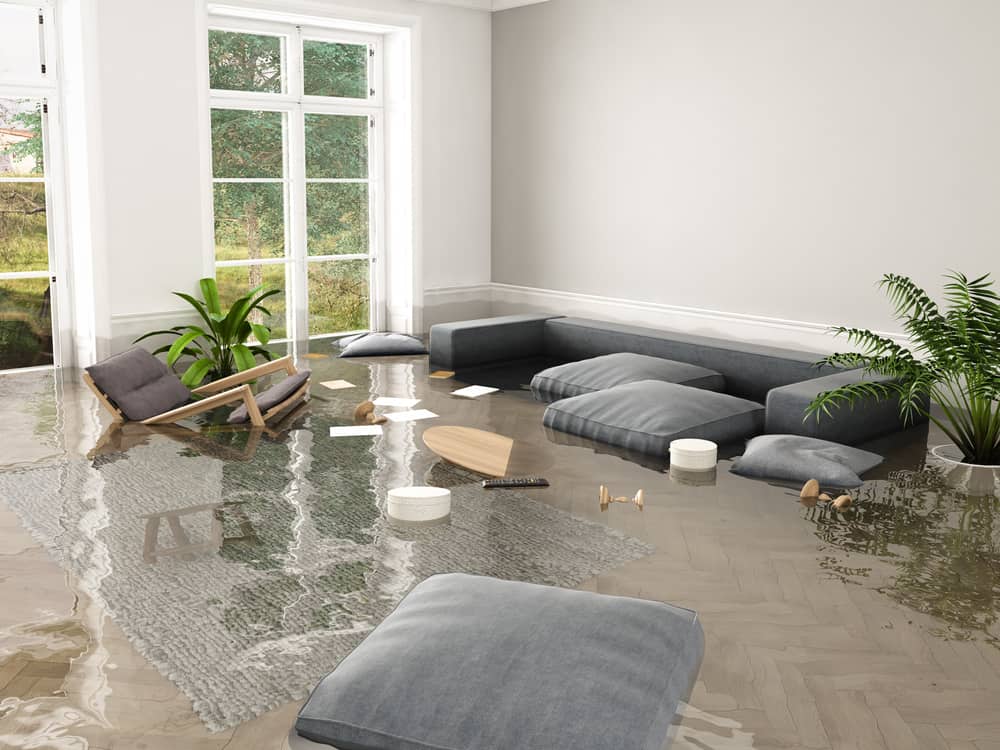
Basement Water Extraction Jamesport, NY
The first step is getting someone to the property fast. Whether you’re calling from your home on the North Fork or from the city because a neighbor texted you a photo, we mobilize immediately, any hour of the day. For Jamesport’s seasonal homeowners especially, that ability to dispatch before you even arrive is critical. Water doesn’t pause because you’re two hours away.
Once on-site, we do a full moisture assessment not just what’s visible, but what’s inside the walls, beneath the flooring, and in any structural cavities. Industrial-grade extractors remove standing water first. Then high-capacity air movers and dehumidifiers go to work on the moisture that can’t be seen. This phase typically runs three to five days depending on the extent of the damage, the age of the home, and how long the water was present before extraction began.
Older homes along Route 25 and the bay-side streets of South Jamesport often require more time in this phase because of how their framing and wall assemblies hold moisture. From there, we handle antimicrobial treatment, document every step for the insurance claim, and move into any needed structural repairs or reconstruction. If the damage involves a Town of Riverhead permit which significant structural work in this area often does that process is part of what we navigate. You get one point of contact from the emergency call through the final walkthrough.

Ready to get started?
Storm Damage Restoration Jamesport, NY
Water damage restoration in Jamesport isn’t one-size-fits-all. The causes are different here than they are in a Nassau County suburb storm surge from the Peconic Bay, frozen pipes in unoccupied winter homes, groundwater intrusion in older foundations sitting over a shallow water table, and the kind of wind-driven rain that nor’easters push into aging roof assemblies and exterior walls. We handle all of it.
Our full scope of services includes water removal and extraction, structural drying and dehumidification, moisture mapping, mold inspection and remediation, odor treatment, and complete reconstruction when structural repairs are needed. For South Jamesport properties in FEMA-designated flood zones, we document damage in a way that supports claims under both standard homeowners insurance and NFIP flood policies which is a real distinction that affects how much of the cost gets covered. Most homeowners don’t realize that these two policies cover different things, and that how the damage is categorized and documented at the time of restoration directly affects the outcome of the claim.
If your property is a second home or seasonal rental along the North Fork, we can also communicate directly with your insurance adjuster and provide documentation remotely so you have everything you need before you even make the drive out.

Does homeowners insurance cover flood damage from the Peconic Bay in Jamesport?
This is one of the most important questions for Jamesport homeowners to understand before a storm hits, not after. Standard homeowners insurance covers sudden, accidental water damage from internal sources a burst pipe, a failed water heater, an appliance overflow. It does not cover flooding. If water entered your home because the Peconic Bay surged during a nor’easter or hurricane, that is a flood event, and it falls under a separate flood insurance policy typically through the National Flood Insurance Program (NFIP).
Many South Jamesport properties in FEMA-designated high-risk flood zones are required to carry flood insurance if they have a federally backed mortgage. If you’re not sure whether your property is in a high-risk zone, FEMA’s flood map service can tell you. What matters practically is that if you have both policies, the damage needs to be documented and categorized correctly from the start which is exactly what we handle as part of the restoration process. Getting the documentation right the first time is what determines how much of the bill gets covered.
My North Fork vacation home sat empty all winter how bad could the damage be?
Worse than you’d expect, and the timeline matters more than most people realize. The EPA is clear that mold can begin growing in water-damaged areas within 24 to 48 hours. If a pipe burst in your Jamesport property in January and you’re discovering it in March, you’re not dealing with a water problem in isolation you’re dealing with the downstream effects of weeks of moisture sitting in walls, under floors, and in structural cavities.
That said, calling immediately when you discover it still makes a significant difference. Professional extraction and drying stops active moisture migration, removes materials that have been compromised, and applies antimicrobial treatment to slow further mold development. Many North Fork homes were originally built as summer residences with minimal insulation and older plumbing which makes them more vulnerable to this exact scenario. The restoration scope will depend on how long the water was present and how far it traveled through the structure, but the right first step is always getting a certified team in for a full moisture assessment before anything else.
How long does water damage restoration take for a typical Jamesport home?
The honest answer is that it depends on the source of the damage, how long the water was present, and the age and construction of the home. For a straightforward burst pipe caught quickly in a modern home, the drying phase alone typically runs three to five days, with the full restoration process including any repairs taking one to three weeks. For a home that experienced coastal flooding, or where water sat undetected for an extended period, the timeline can stretch significantly longer.
Jamesport’s older housing stock adds a layer of complexity. Homes built in the mid-20th century or earlier particularly the Cape Cod-style and cottage-style properties common in this area have wall assemblies and framing that hold moisture differently than newer construction. Thorough drying takes longer, and the assessment phase is more involved because moisture can be present in places that aren’t immediately obvious. If structural repairs require a Town of Riverhead building permit, that process adds time as well. A realistic timeline is something we can walk you through after the initial assessment, once the actual scope is clear.
What's the difference between water damage restoration and just drying things out myself?
The gap is bigger than most people expect. Consumer-grade fans and wet-vacs remove surface water and speed up evaporation, but they cannot pull moisture out of inside wall cavities, subfloor assemblies, or structural framing. That hidden moisture is where mold establishes itself, and it can do so without any visible sign on the surface. You can have a room that looks and feels dry while the wall cavity behind the drywall is still wet enough to support active mold growth.
Professional restoration uses industrial dehumidifiers, high-velocity air movers, and moisture meters that measure water content inside structural materials not just on the surface. We map the moisture throughout the affected area and track it through the drying process until readings confirm the structure is genuinely dry. For Jamesport homes with older plaster walls, crawl spaces, and wood framing that has absorbed water over many years, this level of thoroughness isn’t optional it’s what separates a complete restoration from one that leads to a mold call six months later.
Will my insurance company accept the documentation from First Response Restoration and Cleaning Inc.?
Yes. Our technicians are IICRC-certified, which is the industry standard that insurance companies recognize and expect. The IICRC certification means the work follows documented protocols for water categorization, moisture measurement, drying standards, and antimicrobial treatment and that every step is recorded in a format that insurance adjusters understand and accept.
We work directly with your insurance company throughout the process. We handle the documentation, communicate with your adjuster, and bill directly to your insurer where applicable. For Jamesport homeowners dealing with the added complexity of both a homeowners policy and an NFIP flood policy which is common for bay-facing properties in South Jamesport this direct coordination is especially valuable. The way the damage is categorized and documented at the time of restoration has a direct effect on what gets covered. Having a certified team handle that from the start protects the claim, not just the property.
Is burst pipe water damage covered by insurance in Jamesport, NY?
In most cases, yes but the details matter. Standard homeowners insurance covers sudden and accidental water damage from internal sources, and a burst pipe typically qualifies. If a pipe froze and burst because temperatures dropped on the North Fork while your home was occupied and heated, that is generally a covered event. The claim goes through your homeowners policy, not flood insurance.
Where coverage gets more complicated is with pipes that burst in unoccupied homes where heat was not maintained, or with damage that developed gradually over time rather than from a single sudden event. Insurers can deny claims for lack of maintenance or failure to prevent foreseeable damage, and a vacant Jamesport property where the heat was turned off for winter is a scenario that can create coverage disputes. The best protection is to have the damage assessed and documented by a certified restoration company immediately both to stop the damage from spreading and to establish a clear, professional record of what happened, when, and what the condition of the property was at the time of discovery. That documentation is what supports the claim if questions come up later.
Useful Links
Other Services we provide in Jamesport