
Water Damage Restoration in Middle Island, NY
When Artist Lake Rises and the Pine Barrens Soil Saturates, Speed Matters
Hear from Our Customers

Flood Restoration Services in Middle Island
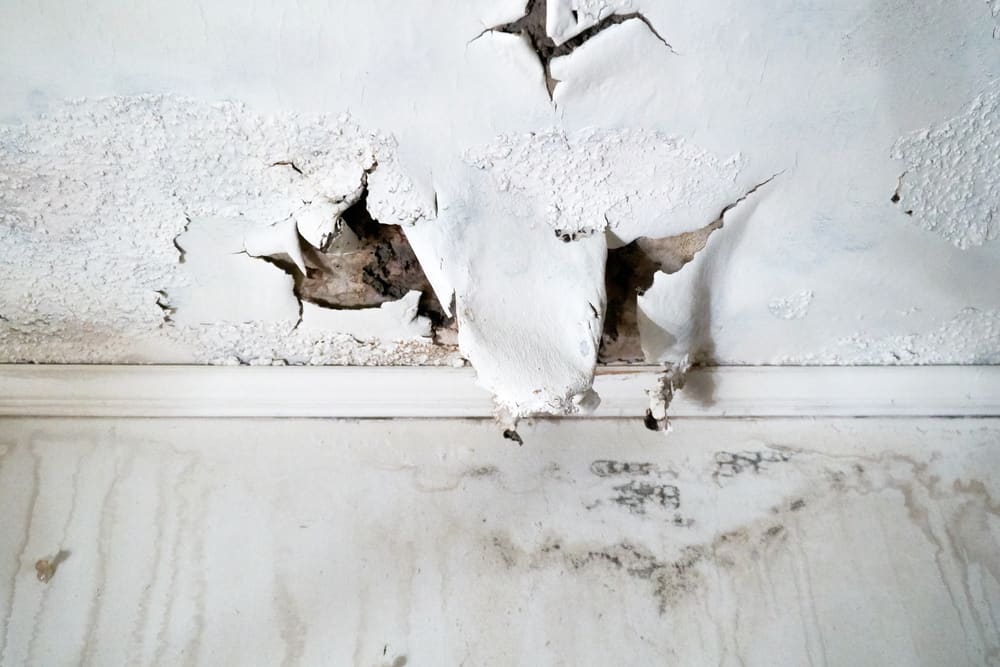
The visible water is only half the problem. Moisture migrates into walls, under subfloors, and behind baseboards and in Middle Island’s older homes, built before 1980 with plaster walls and original hardwood floors, that moisture stays hidden until it becomes mold. We don’t just extract water; we map moisture, dry structural cavities, and confirm the space is truly dry before we leave.
Most homeowners don’t see the difference until three months later, when a wall cavity they thought was fine starts showing signs of growth. By then, the cost to remediate is ten times what it would have been if the initial drying had been thorough.
Middle Island’s geology compounds this. The highly permeable Pine Barrens soils beneath the hamlet recharge the Magothy aquifer quickly during heavy rain. When the water table rises, the flooding isn’t dramatic it seeps in gradually. By the time you notice it, the moisture has already spread into structural materials. We get in fast, dry completely, and document everything so you don’t face a mold surprise later.
Residential Water Damage Repair in Middle Island
We’ve been working across Suffolk County for close to three decades. That means our technicians have seen every variation of water damage this part of Long Island produces frozen pipe bursts in January when temperatures drop to the low 20s, summer storm flooding in lake-adjacent neighborhoods, and the slow groundwater seepage that Middle Island homeowners know all too well.
We’re licensed, bonded, and insured. Every technician carries IICRC certification, which is the standard insurance companies expect and the protocol that holds up when your adjuster reviews the claim. That matters more than most homeowners realize until they’re in the middle of a dispute.
We also handle direct insurance coordination. We manage the documentation, communicate with your adjuster, and bill your insurer directly. For residents of gated communities like Birchwood at Spring Lake or Strathmore on the Green, where HOA insurance policies can complicate individual claims, that experience navigating the paperwork is genuinely useful not just a convenience.
24/7 Water Damage Restoration Process in Middle Island
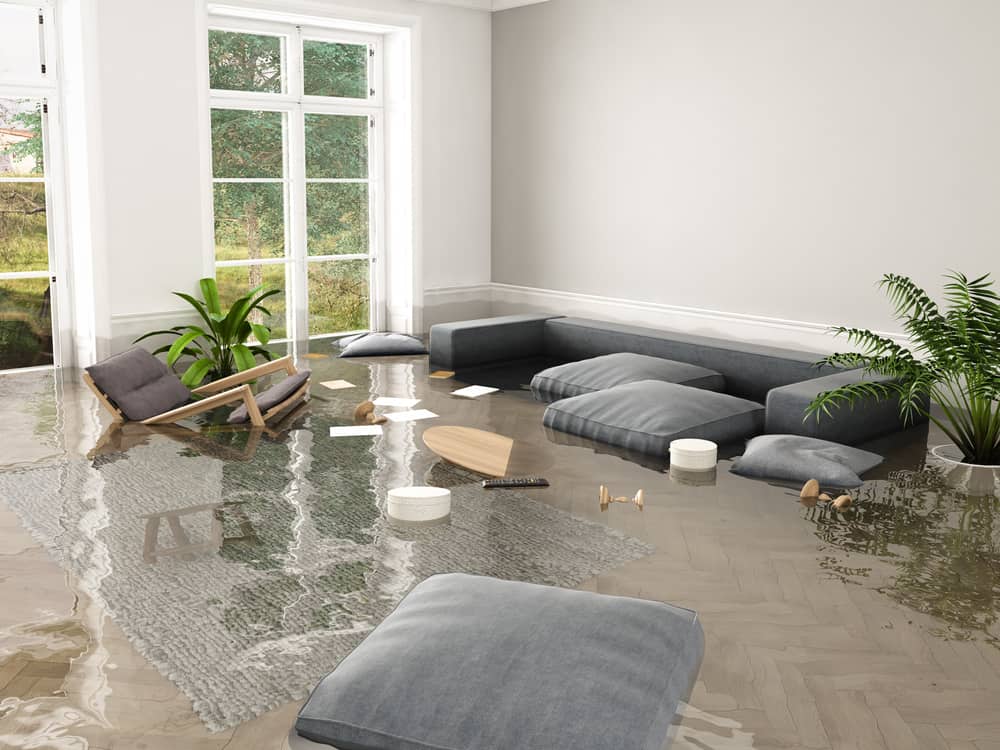
When you call, we start with an emergency assessment. Someone comes out, evaluates the damage, identifies the water source, and determines what category of water you’re dealing with. Water from a burst supply line is treated differently than water that backed up through a drain or seeped in from groundwater. The approach, equipment, and documentation all change depending on the source.
Extraction comes next. Industrial water removal equipment pulls standing water from floors, carpets, and structural cavities the kind of volume a household wet-vac simply can’t match. Once bulk water is out, the drying phase begins. This is where moisture meters and thermal imaging come in. In older Middle Island homes with plaster walls and hardwood floors, moisture doesn’t stay on the surface it moves inward. We use equipment to find it and target it directly rather than assuming the visible surface tells the whole story.
If mold remediation is required, New York State law applies: any project involving 10 square feet or more requires a licensed NYS Mold Assessor to write the remediation plan, and a separate licensed Mold Remediator to execute it. We operate within those requirements. Once structural drying is complete and the space is clear, reconstruction begins patching, replacing, and restoring whatever was damaged. One company, start to finish, so you’re not coordinating five different contractors while your home is torn apart.

Ready to get started?
Burst Pipe and Basement Water Extraction in Middle Island
Water damage in Middle Island doesn’t follow one script. In winter, it’s frozen pipes January average lows sit around 22.8°F, cold enough to freeze exposed or poorly insulated pipes in older homes, especially in crawl spaces and exterior walls. When those pipes burst, water moves fast and spreads far. In spring, it’s groundwater the Magothy aquifer recharges rapidly during snowmelt and spring rain, and sump pumps in lake-adjacent neighborhoods get overwhelmed. In summer, it’s storm-driven flooding after a heavy system moves through.
We handle all of it: emergency water removal, basement water extraction, structural drying, dehumidification, mold prevention, and full reconstruction. For homeowners in HOA-governed communities like Birchwood at Spring Lake, we’re also familiar with the added coordination those situations require contractor access rules, shared infrastructure considerations, and the documentation needed when both an individual policy and an HOA master policy are involved.
The free on-site assessment is the starting point for every job. It establishes the scope, identifies hidden moisture, and gives you a clear picture of what you’re dealing with before any work begins. There’s no pressure and no obligation just an honest evaluation so you can make an informed decision about next steps.

Why does my Middle Island basement keep flooding even without a major storm?
This is one of the most common questions from homeowners in central Suffolk County, and the answer usually comes down to geology specific to Middle Island. The hamlet sits on top of the Central Pine Barrens region, which overlays the Magothy aquifer Long Island’s primary drinking water source. The sandy, highly permeable soils here absorb rainfall quickly and recharge the water table fast. After a moderate rain event, the groundwater table can rise significantly, and if your foundation drainage or sump pump isn’t keeping pace, water finds its way in through cracks, floor joints, and block walls.
Homes near Artist Lake, Pine Lake, or Spring Lake face an additional challenge because they sit in lower-lying topography where surface water accumulates and drains slowly. If your basement floods regularly after rain even light rain it’s worth having us assess your foundation drainage, sump pump capacity, and whether there’s hidden moisture already present in your walls or subfloor from previous events you thought had resolved on their own.
Does homeowners insurance cover water damage from a flooded basement in Middle Island?
It depends entirely on the cause. Standard homeowners insurance typically covers sudden, accidental water damage from internal sources a burst pipe, a washing machine supply line that failed, a water heater that ruptured. It does not cover flooding from external sources like rising groundwater or surface water coming in from outside. That type of flooding requires a separate flood insurance policy, usually through the National Flood Insurance Program.
For Middle Island homeowners, this distinction is critical. If your basement flooded because the water table rose after heavy rain and came in through your foundation which is common in this area given the Pine Barrens aquifer that may not be covered under a standard policy. However, if a pipe burst and caused the flooding, it likely is covered. The documentation of the cause matters enormously, which is why having an IICRC-certified team assess and document the damage properly from the start protects your claim. We work directly with your insurance company, so the right information gets in front of your adjuster from day one.
How fast does mold start growing after water damage in a Long Island home?
The EPA’s guidance is clear: mold can begin growing within 24 to 48 hours of water intrusion under the right conditions. In practice, mold spores begin germinating even sooner visible growth typically appears within 48 to 72 hours, but microscopic growth starts earlier than that. In Middle Island’s humid, lake-adjacent environment, those conditions are often already present, which shortens the effective window even further.
The bigger risk in older homes here is hidden moisture. If water got into your walls or under your floors and wasn’t fully extracted whether because you cleaned it up yourself or because the initial response was incomplete mold can develop inside structural cavities where you won’t see it for weeks or months. By the time it becomes visible or you notice an odor, it’s already a remediation project rather than a prevention one. Getting a professional assessment quickly after any water event, even one that seems minor, is the most effective way to avoid that outcome.
What should I do immediately after discovering water damage in my home?
The first priority is stopping the source if you can. If it’s a burst pipe, shut off the main water supply. If it’s an appliance, disconnect it. Don’t wait to see how bad it gets every hour the water sits, it spreads further into materials and structural cavities, and the cost of remediation increases accordingly.
Do not assume that running fans or a household dehumidifier is sufficient. Consumer-grade equipment doesn’t reach moisture inside walls, under floors, or in the structural framing of your home. In Middle Island’s older housing stock where plaster walls and original hardwood floors are common moisture migrates into the structure faster than it evaporates from the surface. What looks dry often isn’t. Call us for an assessment before you decide the situation is under control. You can also call before you contact your insurance company in fact, having the damage professionally documented before an adjuster arrives often strengthens your claim rather than complicating it.
How long does water damage restoration typically take for a Suffolk County home?
For a moderate event a burst pipe affecting one or two rooms, or a basement flood from a sump pump failure the typical timeline runs about two to three weeks from initial extraction through final repairs. The drying phase alone usually takes three to five days, and that’s with professional-grade air movers and dehumidifiers running continuously. Structural repairs and reconstruction follow once the space is confirmed dry.
More extensive damage widespread flooding, significant mold growth, or structural compromise can extend that timeline considerably, sometimes to several months. For Middle Island homeowners in older homes where the damage has had time to spread into walls and framing, the assessment phase is especially important because it determines the true scope before work begins. You’ll get a realistic timeline after that initial evaluation, not a guess made over the phone. The goal is always to give you an honest picture of what the job involves so there are no surprises midway through.
How does water damage restoration work in a gated community or HOA-managed property in Middle Island?
It adds layers, and knowing about them upfront saves a lot of frustration. In communities like Birchwood at Spring Lake or Strathmore on the Green, HOA rules typically govern contractor access there may be required approval processes, restrictions on work hours, or specific requirements for proof of insurance before a contractor can enter the property. Getting that documentation in order before our team arrives prevents delays when time is already critical.
There’s also the insurance question. HOA-governed properties often have both an individual homeowner policy and an HOA master policy, and determining which one covers a specific type of damage and to what extent requires careful documentation of where the damage originated. If the water source was shared infrastructure (a common roof, a shared drainage system, a neighboring unit’s plumbing), the HOA policy may be primary. If it originated inside your unit, your individual policy likely applies. Our experience with direct insurance coordination means the documentation is structured from the beginning to reflect the actual cause and scope, which is what both your insurer and the HOA’s insurer will need to process the claim accurately.
Useful Links
Other Services we provide in Middle Island