
Water Damage Restoration in Montauk, NY
When Montauk Floods, You Need Someone Who Actually Shows Up
Hear from Our Customers

Flood Restoration Montauk, NY
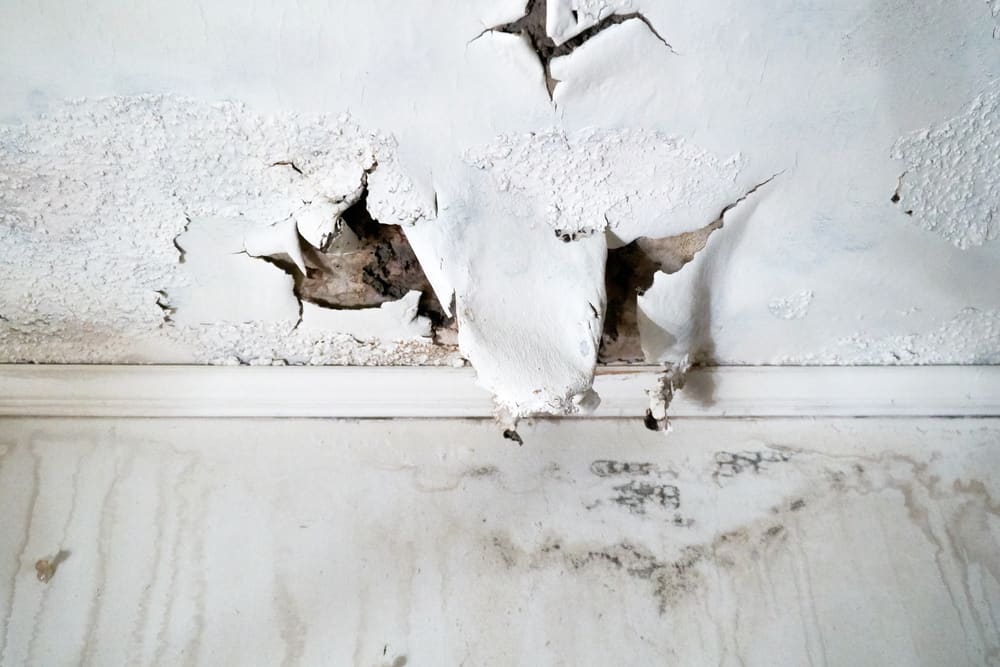
When water gets into your Montauk property whether it’s from a nor’easter pushing through Ditch Plains, a pipe that froze while the house sat empty all winter, or storm surge finding its way through a dune gap the damage doesn’t stop when the water does. Moisture moves into walls, under floors, and into structural framing. What looks dry on the surface often isn’t, and what’s hidden is usually what causes the most expensive problems months later.
The outcome you’re looking for isn’t just “cleaned up.” It’s a property that’s genuinely dry, properly documented, and restored to the condition it was in before any of this happened. That means no hidden moisture feeding mold behind your drywall, no lingering structural issues that surface next spring, and no gaps in your documentation that give your insurance company a reason to push back on your claim.
Montauk’s seasonal housing reality makes this especially important. If your property sits unoccupied for months at a time as roughly half of East Hampton Town’s homes do a water damage event that goes undetected can compound dramatically before anyone discovers it. The mold clock starts within 24 to 48 hours of exposure. By the time you return in April and find the damage, the remediation scope has grown significantly. Getting the right team in quickly, with the right equipment and the right documentation process, is what limits how far that damage goes.
Residential Water Damage Repair Montauk, NY
We’ve been serving Long Island homeowners and businesses for nearly three decades. That includes every major storm event that has hit the East End Sandy, the nor’easters, the quiet winter pipe bursts that don’t make the news but still flood someone’s living room. We’re a Suffolk County-based team with real familiarity with Montauk properties and the conditions that make them vulnerable.
Montauk’s building stock is unlike most of Long Island. You’ve got mid-century fishing cottages, Carl Fisher-era construction, newer luxury builds, and everything in between many of them designed as seasonal structures that were never meant to sit through a Long Island winter unheated. We’ve worked in all of it. Our team understands how these properties respond to water intrusion, where moisture tends to hide, and what it takes to restore them correctly.
Licensed, bonded, insured, and IICRC-certified these aren’t just checkboxes. They’re the credentials that matter when your insurance company is reviewing your claim and needs to know the work was done to a documented standard.
24/7 Water Damage Restoration Montauk, NY
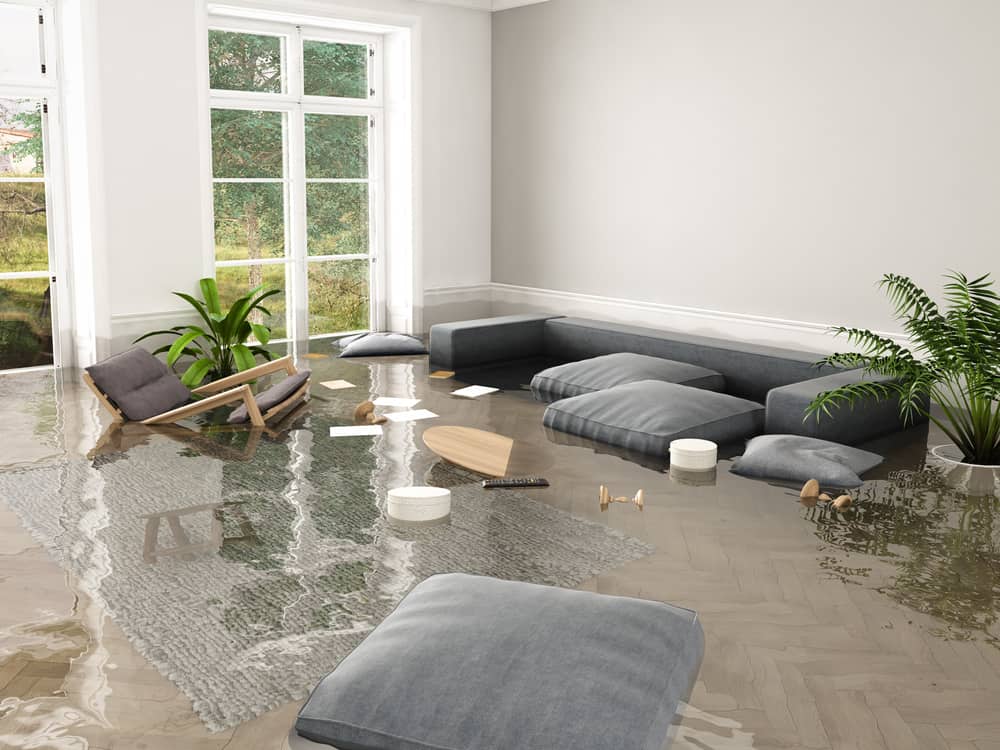
When you call, the first thing that happens is an immediate response not a callback window, not a next-business-day appointment. Water damage is time-sensitive in a way that most home repairs aren’t, and we treat it that way. If you’re a seasonal homeowner calling from Manhattan after your caretaker found flooding at your Montauk property, the process starts before you’ve even had time to arrange the drive out on NY 27.
On arrival, our team does a thorough assessment using moisture meters and thermal detection equipment to map exactly where the water has traveled not just what’s visible, but what’s inside your walls, under your subfloor, and in any crawl space. Many of Montauk’s older cottages and beach houses have crawl spaces rather than full basements, and moisture that settles there can go undetected for a long time without the right equipment. Once the full scope is documented, water extraction begins immediately, followed by industrial drying and dehumidification that runs until moisture readings confirm the structure is genuinely dry.
Throughout the process, everything is documented in a format that works for insurance claims. We work directly with your insurance company, handling the paperwork and communication so the claim process doesn’t become a second job for you. If your property is in one of the Town of East Hampton’s CARP-identified at-risk zones Downtown Montauk, Fort Pond, Ditch Plains, Montauk Harbor, or Culloden we account for that context in how the damage is assessed and documented. Any structural repairs or reconstruction that follow are handled under the same roof, so you’re not coordinating multiple contractors to finish what one team started.

Ready to get started?
Burst Pipe and Storm Damage Restoration Montauk, NY
Water damage restoration in Montauk covers a wider range of scenarios than it does in most Long Island communities. The services we provide here reflect that. Flood restoration and storm damage restoration address the coastal inundation events that Montauk faces from multiple directions ocean surge from the south, Sound-side flooding from the north, and the inland flooding that affects Fort Pond and the downtown area. Flooded basement cleanup and basement water extraction handle the groundwater and drainage issues that come with Montauk’s coastal geology and high water table. Burst pipe water damage and frozen pipe response are year-round services, but they’re especially critical in the fall-through-spring window when properties are vacant and a single pipe failure can go undetected for weeks.
Mold remediation is integrated into the restoration process rather than treated as a separate engagement. In a seasonal property market where water damage often isn’t discovered immediately, mold is almost always part of the picture by the time someone calls. We handle assessment, containment, removal, and antimicrobial treatment as part of the overall restoration scope.
Structural repairs and reconstruction are also handled directly, which matters in a place like Montauk where coordinating multiple contractors willing to travel to the East End is a real logistical challenge. For properties in FEMA-designated Special Flood Hazard Areas and Montauk has significant overlap with those zones any substantial reconstruction triggers compliance requirements under Town of East Hampton floodplain management regulations. Our experience with this process means those requirements don’t catch anyone off guard mid-project.

Will my homeowners insurance cover water damage in my vacant Montauk property?
This is one of the most common and most complicated questions for Montauk seasonal homeowners, and the honest answer is: it depends on your policy and how long the property was unoccupied. Most standard homeowners insurance policies include a vacancy clause that limits or excludes coverage for water damage after the home has been unoccupied for 30 or 60 consecutive days. For a property that sits empty from November through April which is a normal pattern for Montauk second-home owners that window closes quickly.
What this means practically is that documentation becomes critical. If a pipe bursts in January and is discovered in February, having a professional restoration company that can document precisely when the damage was found, what caused it, and what the extent of it is gives your claim the strongest possible foundation. Insurance companies look for evidence that the damage was sudden and accidental rather than the result of a long-term neglect situation. Thorough, professional documentation from an IICRC-certified company carries real weight in that evaluation. We work directly with insurance companies and understand how to build that documentation in a way that supports your claim rather than creating gaps that adjusters can use to dispute it.
How quickly does mold start growing after a flood or burst pipe?
The EPA’s guidance is clear on this: water-damaged areas need to be dried within 24 to 48 hours to prevent mold growth. Mold spores are present in virtually every indoor environment they’re not the problem on their own. The problem is moisture, because mold spores can begin germinating within 24 hours under the right conditions. Visible growth typically appears within 48 to 72 hours, but microscopic colonization starts earlier than that.
In a Montauk seasonal property that’s been sitting unoccupied, this timeline matters a lot. If a pipe bursts in late January and nobody discovers it until a caretaker checks the property two weeks later, the mold clock has been running the entire time. By that point, you’re not dealing with a prevention situation you’re dealing with active remediation. That changes the scope of the work and, potentially, the cost. Getting a professional team in as quickly as possible after discovery even if the original damage happened earlier limits how far the growth spreads and how deeply it penetrates the structure.
What's the difference between flood damage and water damage for insurance purposes?
This distinction catches a lot of homeowners off guard, and in Montauk it’s especially relevant given the community’s coastal exposure. Standard homeowners insurance covers sudden, accidental water damage that originates inside the home a burst pipe, an appliance overflow, a roof leak from wind damage. It does not cover flooding. Flooding, in insurance terms, means water that enters the home from an external source: storm surge, rising groundwater, overflowing bodies of water.
For Montauk homeowners, that distinction is significant. When a nor’easter pushes water across the Ditch Plains beach access road or storm surge from Block Island Sound affects harbor-area properties, that is flood damage and it requires a separate flood insurance policy through the National Flood Insurance Program to be covered. Many Montauk property owners carry flood insurance because local insurance professionals consistently identify the area as high-risk, but not everyone does. If you’re unsure what your current policies cover, the time to find out is before a storm event, not after. We can help you understand what documentation your restoration work will generate and how it aligns with what your insurer will need to process a claim.
How long does water damage restoration typically take in Montauk?
The timeline depends on the scope of the damage, but here’s a realistic breakdown. Water extraction physically removing standing water typically takes one to three days. The drying phase, using industrial dehumidifiers and air movers, generally runs three to five days for most residential properties. For a moderate flood event affecting a couple of rooms, the full restoration process from initial dry-out through final repairs typically runs around two to three weeks. More extensive damage involving structural components, mold remediation, or reconstruction can extend that timeline significantly.
For Montauk properties, a few local factors can affect timing. If your property is in a FEMA-designated Special Flood Hazard Area and the damage is extensive enough to trigger the Town of East Hampton’s “substantial improvement” threshold repairs exceeding 50% of the structure’s market value there are floodplain compliance requirements that affect how the reconstruction is designed and permitted. That adds steps to the process but is not something that can be skipped. Our familiarity with the Town of East Hampton permitting process means those requirements are accounted for from the beginning rather than discovered mid-project when they cause delays.
Can I stay in my Montauk home during the restoration process?
In many cases, yes but it depends on the extent of the damage and which areas of the home are affected. If the water damage is contained to a basement, crawl space, or a single room, the rest of the home is often livable while the drying and remediation work proceeds. Industrial drying equipment is loud and runs continuously, which some people find disruptive, but it’s manageable for short periods.
Where it becomes more complicated is when the damage involves mold remediation, sewage backup, or widespread structural drying that requires opening walls and removing flooring in living areas. In those situations, staying in the home during active remediation isn’t advisable from a health standpoint, particularly if there are children, elderly occupants, or anyone with respiratory sensitivities. For Montauk seasonal homeowners who aren’t living in the property full-time, this is often less of an issue our restoration team can work without the homeowner present, and our direct communication process keeps you informed of progress without requiring you to be on-site. If you’re a year-round Montauk resident and displacement is a concern, that’s a conversation worth having during the initial assessment so the work sequence can be planned around it.
Why does First Response Restoration & Cleaning Inc. make sense for a Montauk property specifically?
Montauk presents a specific set of challenges that not every restoration company is equipped to handle well. The seasonal vacancy dynamic, the coastal flood exposure from multiple directions, the older building stock that includes crawl spaces and structures that were never designed for year-round occupancy these aren’t abstract considerations. They directly affect how water damage happens here, how it’s discovered, and what it takes to restore a property correctly.
We’re a Suffolk County-based company with nearly 30 years of experience on Long Island, including the East End. When a storm hits Montauk and every restoration company on the island is fielding calls simultaneously, proximity and local familiarity matter. A franchise dispatching crews from a distant location faces real logistical constraints getting to the end of NY 27 quickly. Our Suffolk County base and 24/7 emergency availability means we can actually respond not just take a message. We’re IICRC-certified, licensed, bonded, and insured, and we handle insurance coordination directly, which is particularly valuable for Montauk property owners navigating the intersection of homeowners insurance, flood insurance, and vacancy clause considerations that come with owning a high-value seasonal property at the East End.
Useful Links
Other Services we provide in Montauk