
Water Damage Restoration in Noyack, NY
When Noyack Bay Comes Indoors, We Know Exactly What to Do
Hear from Our Customers

Flood Restoration Noyack, NY
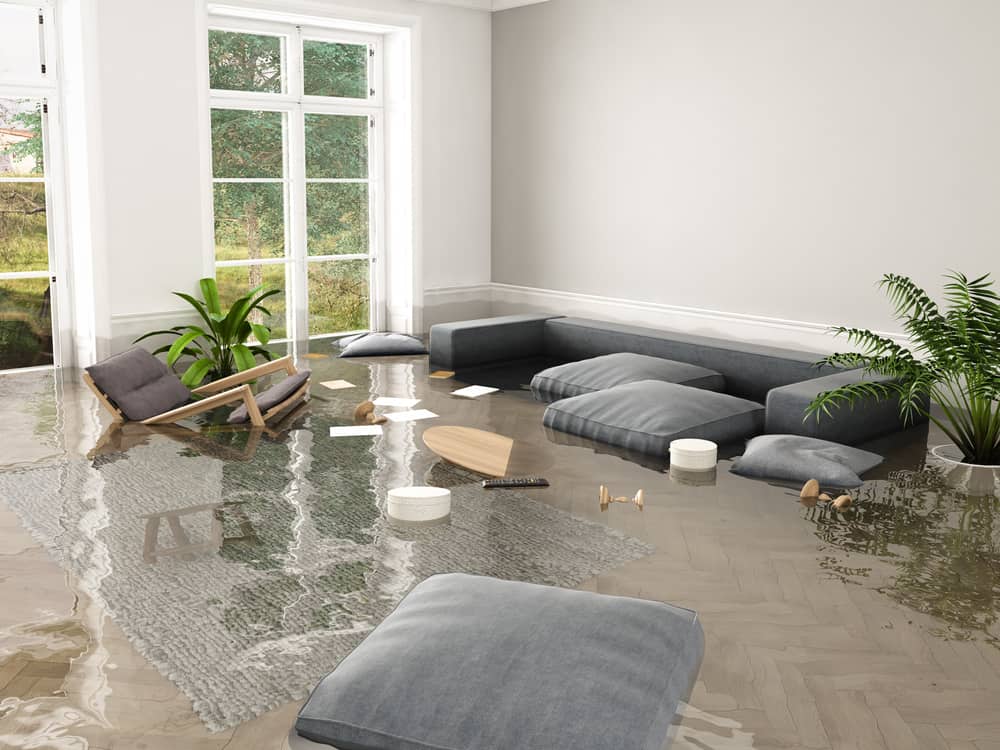
When water gets into a Noyack home, the clock starts immediately. Mold can begin forming within 24 to 48 hours. The longer water sits, the deeper it travels into walls, subfloors, and framing. What starts as a manageable cleanup becomes a much larger remediation project if the response is slow or incomplete.
What you get on the other side of our proper restoration is a home that’s genuinely dry not surface-dry, but structurally dry, confirmed with moisture meters and thermal equipment. No hidden moisture waiting to become a mold problem in three months. No guesswork about whether the damage was fully addressed. Because we work directly with insurance companies, you’re not left navigating that process alone either.
For Noyack homeowners specifically, that matters on two levels. If you own a seasonal property that sits vacant from fall through spring, you need a restoration team that can mobilize quickly when you’re not on-site, document everything properly for your insurer, and handle the full scope before the damage compounds. If you’re a year-round resident in a bay-adjacent neighborhood like Pine Neck or along Bay Avenue areas with documented, recurring flooding you need a team that already understands the drainage patterns and flood dynamics of Noyack, not one learning them on your dime.
Residential Water Damage Repair Noyack, NY
We’re based in West Babylon, Suffolk County, and have been serving Long Island homeowners for close to three decades. That experience includes multiple major storm cycles on the South Fork, including the kind of bay surge flooding that hit Pine Neck in Noyack hard during Sandy in 2012, when storm surge reached hundreds of feet inland from the shoreline.
Our technicians are IICRC-certified, which is the industry credential that insurance companies actually recognize when reviewing claims. We’re also licensed, bonded, and insured and we handle insurance billing directly, so you’re not stuck in the middle between us and your adjuster.
Noyack’s housing stock ranges from Victorian-era summer cottages in Northampton Shores to newly built luxury homes on wooded inland parcels. That range matters when it comes to water damage older homes absorb and retain moisture differently than new construction. Our experience with Suffolk County’s diverse building stock means the assessment you get reflects the actual property in front of us, not a generic checklist.
Basement Water Extraction Noyack, NY
When you call, the first thing that happens is a response not a callback queue. We operate 24/7 because water damage doesn’t wait for business hours, and in Noyack, nor’easters and pipe failures have a habit of happening at inconvenient times. A team gets dispatched, and the first priority on arrival is stopping any ongoing water intrusion and beginning extraction.
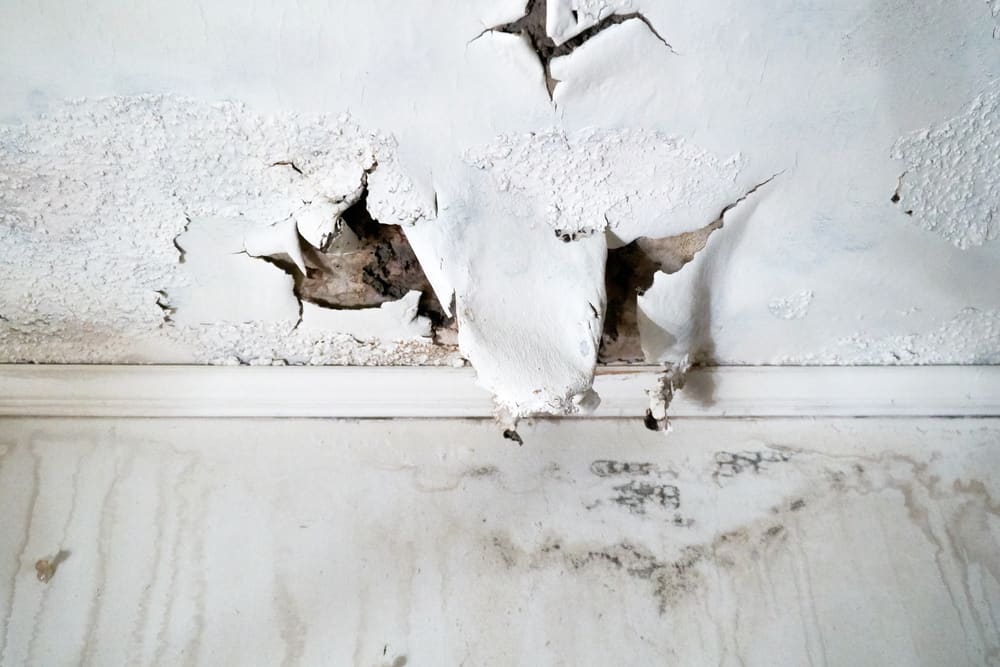
Once the water is out, the real assessment begins. We use industrial moisture meters and thermal imaging equipment to map out exactly where moisture has traveled inside walls, under flooring, into structural cavities. This step matters especially in Noyack’s older homes, where water can migrate deep into plaster walls and original wood framing before it becomes visible.
Drying equipment commercial-grade air movers and dehumidifiers, not household fans gets placed strategically based on that moisture map. The drying process is monitored over the following days until readings confirm the structure is genuinely dry. From there, we assess and document the scope of any needed repairs. Because Southampton Town requires building permits for structural restoration work, and because bay-adjacent properties near tidal wetlands may involve additional review, we handle the documentation side carefully which also supports a cleaner insurance claim.

Ready to get started?
Storm Damage Restoration Noyack, NY
Water damage restoration in Noyack isn’t a single service it’s a sequence. We handle the complete scope: emergency water removal, structural drying, dehumidification, mold inspection and remediation, odor treatment, and reconstruction through to finished repairs. One call, one company, start to finish. For homeowners managing a property remotely which describes a significant portion of Noyack’s second-home and vacation rental market that single point of contact isn’t a convenience, it’s a necessity.
Our services are built around what actually happens in this community. Burst pipe water damage in a vacant seasonal cottage on Noyac Road is a different situation than storm surge flooding a bay-front home in Pine Neck, which is different again from groundwater intrusion through the foundation of an older home in Northampton Shores. Each scenario gets assessed on its own terms, with drying protocols and documentation tailored to the actual conditions rather than a one-size template.
For properties in FEMA-designated flood zones which include portions of Noyack’s bay-adjacent areas proper documentation of the damage and the restoration process is particularly important for insurance purposes. We work directly with both standard homeowners insurance and flood insurance carriers, managing the paperwork and billing so that the claim process doesn’t become a second crisis on top of the first one.

Does homeowners insurance cover water damage from bay flooding in Noyack?
This is one of the most important distinctions to understand before you file a claim. Standard homeowners insurance covers sudden, accidental water damage from internal sources a burst pipe, a failed water heater, an appliance overflow. It does not cover flooding. Flooding, by insurance definition, means water that enters your home from an external source storm surge off Noyack Bay, rising groundwater, or overland flow from heavy rain. That type of damage requires a separate flood insurance policy, either through the National Flood Insurance Program or a private flood carrier.
For Noyack homeowners in bay-adjacent neighborhoods like Pine Neck, this distinction is critical. The storm surge flooding that hit that area during Sandy was flood damage, not water damage under a standard homeowners policy. If you’re in or near a FEMA-designated flood zone and don’t carry separate flood coverage, you may find that a coastal flooding event isn’t covered at all. We work directly with both types of insurance carriers and can help you understand what’s likely covered based on the source and nature of the damage before you file, not after a denial.
How fast does mold start growing after water damage in a home?
The EPA’s guidance is clear: water-damaged areas need to be dried within 24 to 48 hours to prevent mold growth. Mold spores can begin germinating within the first 24 hours under the right conditions and wet, warm interior spaces provide exactly those conditions. Visible mold growth typically appears within 48 to 72 hours, but microscopic colonization starts earlier than you can see it.
This timeline is especially relevant for Noyack’s seasonal homeowners. A pipe that fails in an unoccupied cottage in January may not be discovered for days or weeks. By the time anyone arrives, what started as a water damage situation has become a mold remediation situation a significantly more involved and expensive process. Our professional drying equipment removes moisture from inside walls and structural cavities where consumer-grade fans can’t reach, which is the only reliable way to interrupt mold growth before it takes hold. If there’s any chance water has been sitting for more than 24 hours, a professional assessment is worth making before assuming the cleanup is complete.
What should I do immediately if my Noyack vacation home floods while I'm away?
Call a restoration company first you don’t need to be on-site for the process to begin. We can mobilize to your Noyack property, assess the damage, begin extraction and drying, and document everything for your insurance claim without you needing to be present. This is exactly the scenario that makes 24/7 availability meaningful rather than just a marketing claim.
While you’re arranging that call, if you can safely do so remotely, contact your property manager or a trusted neighbor to confirm whether water is still actively entering the home a burst pipe that’s still running is a different urgency than standing water from a storm that’s already passed. If the source is a plumbing failure, shutting off the water supply is the first priority. Once we’re on-site, we’ll handle the full assessment, place drying equipment, and keep you informed throughout the process. Given Noyack’s active vacation rental market and the number of homes that sit unoccupied from September through May, having our contact saved in your phone before a problem happens is genuinely practical.
How long does water damage restoration typically take in a Noyack home?
The honest answer is that it depends on the scope, and any company giving you a firm timeline before they’ve assessed the property is guessing. Water extraction is usually completed within one to three days. The structural drying phase where industrial dehumidifiers and air movers run continuously until moisture readings confirm the structure is dry typically takes three to five days for moderate damage. If mold is present or if structural repairs are needed, the timeline extends from there.
For a significant flooding event in a Noyack home, a realistic full restoration timeline from initial dry-out through completed repairs is often two to three weeks. More severe situations extensive mold, structural damage, or water that has been sitting for an extended period in a vacant seasonal property can take longer. Because Southampton Town requires building permits for structural restoration work, that review process is also a factor in the overall timeline. We’ll give you a clear scope assessment after the initial inspection so you have a realistic picture of what to expect.
Can a burst pipe in a Noyack home during winter cause mold even if I dry it quickly?
Yes and this is one of the most common misconceptions after a pipe failure. The issue isn’t just surface water. When a pipe bursts, water travels fast and far: into wall cavities, under flooring, into insulation, and along structural framing. Consumer-grade fans and wet-vacs remove surface water, but they don’t reach moisture that has wicked into building materials. That hidden moisture is what becomes mold weeks or months later, often behind finished walls where you won’t see it until it’s already a serious problem.
Noyack’s winter pipe failures particularly in seasonal homes where the heating system may be set low or may have failed entirely during a nor’easter tend to involve water that has been sitting for extended periods before discovery. By the time a homeowner arrives in spring, the damage has already progressed well beyond what a quick cleanup can address. Industrial moisture meters and thermal imaging are the only reliable way to confirm whether a structure is actually dry after a pipe failure. If you’ve had a burst pipe and dried it yourself, a professional moisture assessment is worth doing before you close up the walls it’s far less expensive than a mold remediation project six months later.
Does First Response Restoration and Cleaning Inc. handle the insurance claim process for Noyack homeowners?
Yes and for most Noyack homeowners, this is one of the most valuable parts of working with us. We work directly with insurance carriers, handling the documentation, billing, and communication with adjusters so you’re not stuck managing that process on top of dealing with a damaged home.
For Noyack specifically, this matters more than it might in other communities. Properties in bay-adjacent flood zones may carry both standard homeowners insurance and a separate flood policy, and the two carriers may have different requirements for documentation, damage assessment, and claim submission. Getting that documentation right from the start with IICRC-certified restoration work that insurance companies recognize and accept directly affects how your claim is processed and what gets covered. A restoration company that isn’t familiar with the insurance coordination side of this work can leave you with gaps between what was spent on restoration and what the insurer is willing to pay. We’ve been navigating this process with Long Island homeowners and their insurers for nearly 30 years, which means fewer surprises on your end when the claim is submitted.
Useful Links
Other Services we provide in Noyack