
Water Damage Restoration in Quiogue, NY
When Quiogue's Bayfront Location Works Against Your Home
Hear from Our Customers

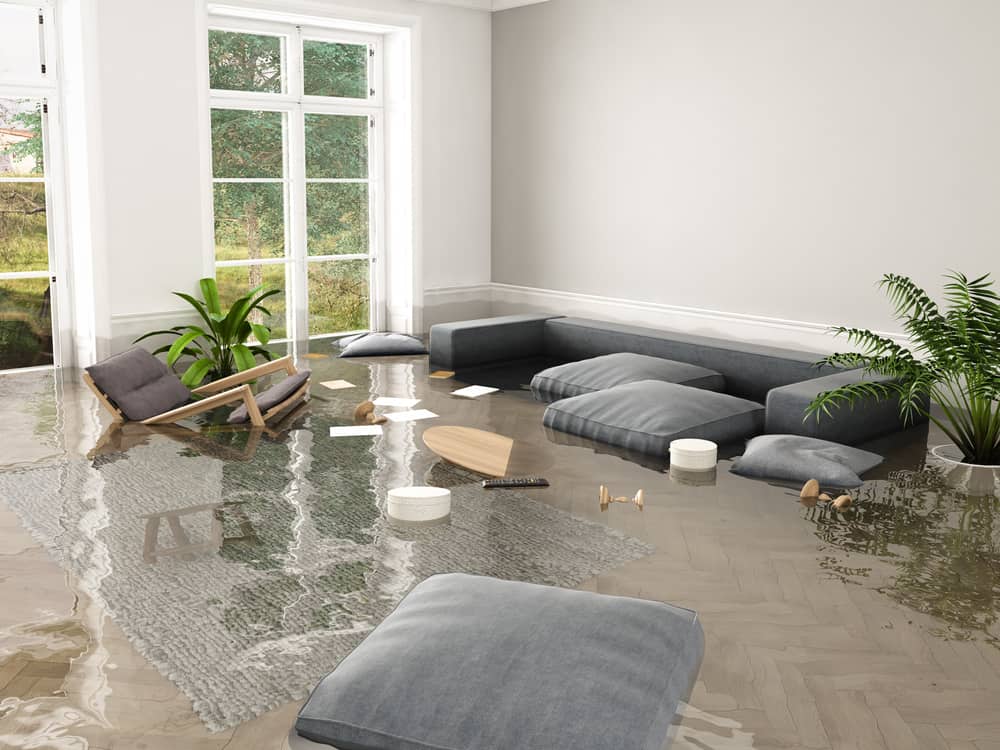
Flood Restoration Quiogue, NY
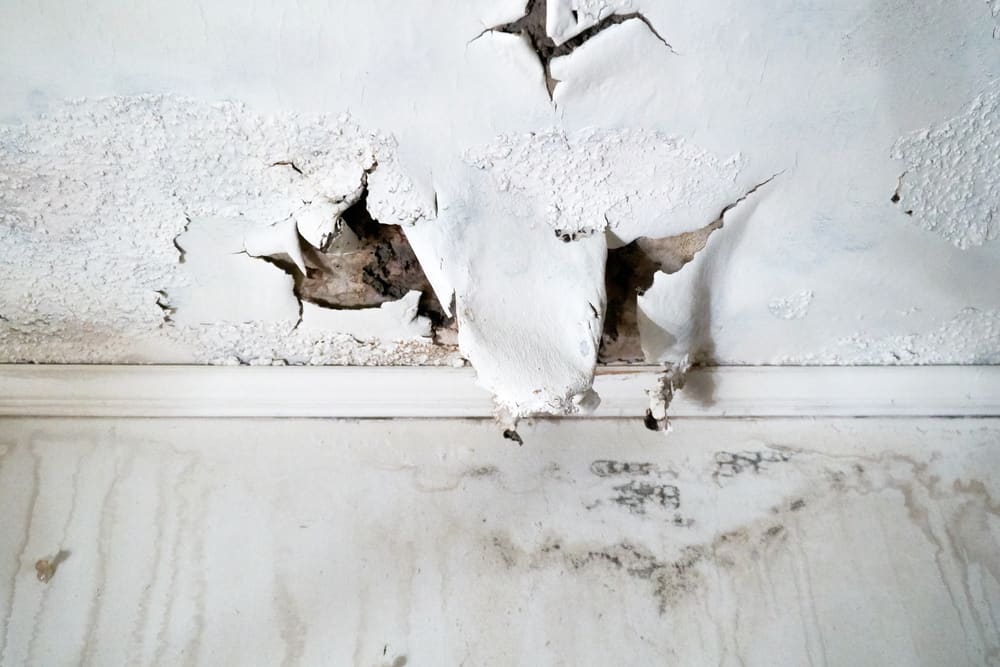
Water damage in Quiogue isn’t just a plumbing problem. It’s a property value problem, a mold problem, and if you own a seasonal home here potentially a problem you won’t even discover until Memorial Day weekend when you unlock the door and realize something went very wrong back in January.
The outcome you’re looking for isn’t just dry floors. It’s knowing the job was done completely, that nothing is hiding inside your walls, and that your insurance claim is documented in a way that actually holds up.
For bayfront and near-bay properties along Quantuck Bay, water intrusion after a nor’easter or coastal storm isn’t the same as a burst pipe. It can carry sediment and contaminants from tidal sources, which changes what the cleanup requires and how it needs to be documented. Getting that wrong or leaving moisture behind in a 1950s Quantuck Bay Farms home with older subfloor systems creates a mold situation that costs far more to fix than the original damage ever would have.
When the job is done right, you walk back into your home and it’s dry, treated, and structurally sound. No lingering odor. No mystery moisture. No surprises six months from now.
Residential Water Damage Repair Quiogue, NY
We’ve been serving Suffolk County homeowners for close to three decades. That’s not a marketing number it means our team has worked in historic coastal hamlets like Quiogue, post-Sandy cleanup zones, and seasonal properties that sat vacant through brutal Long Island winters before anyone realized the damage had already been done.
Quiogue is a Hamlet Heritage Resource Area. Some of its homes date back to the 1914 Quiogue Homestead Company subdivision. That kind of building stock original plaster, older pipe materials, layered construction from multiple eras of renovation responds to water intrusion differently than a new build. Our technicians understand that, and we bring IICRC-certified methods and industrial-grade moisture detection equipment to every job, whether it’s a bayfront property on Quantuck Bay Lane or a mid-century home from the Quantuck Bay Farms development.
We’re licensed, bonded, and insured. We’re reachable at a real Suffolk County 631 number. We’re not a franchise. Not a call center.
24/7 Water Damage Restoration Quiogue, NY
The first call is straightforward. You describe what you’re dealing with or what your property manager discovered and we dispatch a certified technician. For seasonal homeowners who aren’t physically in Quiogue when the damage is found, that matters. We can respond, assess, and begin work even when you’re not on-site, which is exactly the situation that comes up repeatedly in a hamlet where a significant number of homes sit empty from Labor Day through late spring.
On arrival, our priority is stopping any active water source and understanding the full scope of the damage. That means moisture mapping not just looking at what’s visible, but using equipment that reads moisture levels inside walls, under floors, and in structural cavities. In older Quiogue homes, moisture travels in ways that newer construction doesn’t, and missing it is how a manageable cleanup becomes a mold remediation project months later.
If your property is near Aspatuck Creek or Quantuck Bay and the intrusion came from a storm event, the water category matters contaminated tidal water requires a different response than a clean pipe burst, and the documentation for your insurance claim needs to reflect that accurately.
From there, extraction and structural drying happen in phases, typically over several days, with moisture readings taken throughout to confirm the job is actually done. If reconstruction is needed, we handle that too one company, start to finish, with direct insurance billing throughout.

Ready to get started?
Burst Pipe Water Damage Quiogue, NY
Water damage restoration in Quiogue covers a wider range of situations than most people expect when they first call. Flooded basement cleanup after a storm surge event off Quantuck Bay. Burst pipe water damage discovered in a home that’s been closed since October. Mold remediation in a crawlspace that’s been holding coastal humidity all summer. Sewage backup cleanup. Fire and smoke damage. Severe odor from standing water. Emergency board-up after storm damage compromises the structure.
What we include goes beyond extraction. Every job involves water removal, structural drying with industrial equipment, dehumidification, moisture mapping, and antimicrobial treatment where contamination is present. For properties near Aspatuck Creek or Quantuck Bay that may fall within Southampton Town’s wetland buffer zones, any structural repair or reconstruction work that touches regulated areas requires Conservation Board permits and our experience with Suffolk County’s local regulatory environment means that process doesn’t catch anyone off guard.
Basement water extraction and full structural drying typically take several days, with the overall restoration timeline depending on the extent of the damage. For seasonal homes where damage has gone undetected for weeks or months, that timeline extends but the process is the same: methodical, documented, and done to the standard that your insurance company will actually accept.

Does homeowners insurance cover water damage in my Quiogue seasonal home?
It depends on the source of the water and how long the property was vacant. Standard homeowners insurance typically covers sudden, accidental water damage a pipe that bursts, an appliance that fails but it does not cover flooding from external sources like storm surge off Quantuck Bay. That requires a separate flood insurance policy, usually through the National Flood Insurance Program or a private carrier.
The complication for seasonal homeowners in Quiogue is the vacancy exclusion. Many homeowners insurance policies limit or eliminate coverage for water damage that occurs after a property has been unoccupied for 30 to 60 consecutive days. If a pipe failed in your Quiogue home in February and you didn’t discover it until May, your insurer may dispute the claim on those grounds. Proper documentation from an IICRC-certified restoration company showing the nature of the damage, the likely cause, and the timeline gives you the strongest possible position when that conversation happens. We work directly with insurance companies and handle the documentation and billing coordination so you’re not navigating that process alone.
How fast does mold grow after water damage in a coastal home like mine?
The EPA’s guidance is clear: mold can begin growing within 24 to 48 hours of water exposure. In a coastal environment like Quiogue where ambient summer humidity regularly exceeds 70% that window can compress, and mold colonization in a wet, unventilated space can be significant by the time anyone opens the door.
For seasonally vacant homes in Quiogue, this is the real risk. A water event that goes undetected from October through May isn’t a 48-hour mold problem it’s a months-long mold problem, potentially affecting structural assemblies, insulation, and historic millwork in ways that surface-level inspection won’t reveal. Industrial moisture detection equipment is the only way to know what’s actually happening inside the walls and subfloor systems of older Quiogue homes. That’s not optional it’s the difference between a complete job and one that leaves hidden moisture behind to become a much larger problem later.
What's the difference between flood damage and water damage for insurance purposes?
This distinction matters enormously, and it catches a lot of homeowners off guard. Standard homeowners insurance covers water damage from internal sources a pipe that bursts, a water heater that fails, a washing machine that overflows. It does not cover flooding, which insurance policies define as water that enters the home from an external surface water source: storm surge, overflowing waterways, or groundwater intrusion driven by a storm event.
For Quiogue homeowners, this means a nor’easter that pushes Quantuck Bay water into a bayfront property is a flood event not a water damage event and requires a separate flood insurance policy for coverage. The two types of damage can also occur simultaneously in a single storm: a burst pipe from freezing temperatures (covered under homeowners) and storm surge intrusion from the bay (covered only under flood). Knowing which is which, and documenting each correctly, is critical to getting both claims processed accurately. Our team is experienced in identifying and documenting both categories in a single restoration project.
My Quiogue home has been closed all winter what should I do when I discover damage?
The first thing to do is call a certified restoration company before you start cleaning anything yourself. The instinct to start mopping, running fans, or throwing out wet materials is understandable, but it can actually complicate your insurance claim by removing evidence before it’s been properly documented. An adjuster needs to see the damage in its original state, and your restoration company needs to take moisture readings before any drying begins to establish the full scope of what happened.
In a seasonal Quiogue home that’s been closed since fall, the damage you can see on opening day is often not the full picture. Water that entered months ago has had time to wick into wall cavities, travel along subfloor systems, and settle in low-traffic areas like crawlspaces and closets. Older homes including those from the 1914 Quiogue Homestead Company subdivision or the 1955 Quantuck Bay Farms development have construction assemblies that hold and distribute moisture differently than modern builds. Getting a professional moisture assessment done before any work begins is the step that prevents a partial fix from becoming a repeat problem.
How long does water damage restoration typically take for a Long Island coastal home?
For most homes, the water extraction and structural drying phase takes somewhere between three and five days, assuming the damage is caught relatively quickly and the scope is contained to one or two areas. The full restoration timeline including any reconstruction, repairs, and final inspections typically runs about two weeks for moderate damage, though major flooding or long-undetected damage can extend that significantly.
For seasonal properties in Quiogue where damage has been sitting undetected since the fall or winter, the timeline is longer. Moisture that has had months to penetrate structural assemblies, historic plaster walls, or older subfloor systems takes more time to fully dry and treat. If reconstruction is needed near Aspatuck Creek, Quantuck Bay, or Quantuck Creek areas subject to Southampton Town’s wetlands regulations permit timelines through the Conservation Board may also factor into the overall schedule. We can walk you through a realistic timeline after the initial assessment, so you know what to expect before any work begins.
Why should I use a certified restoration company instead of a general contractor for water damage?
A general contractor can rebuild what’s been damaged. What they typically can’t do is tell you whether the structure is actually dry before they close it back up and that’s the step that matters most. Sealing wet materials behind new drywall is one of the most common causes of mold problems that surface six to twelve months after a restoration job that looked complete at the time.
IICRC-certified water damage restoration technicians are specifically trained in moisture mapping, structural drying science, and contamination protocols. We use equipment industrial dehumidifiers, air movers, thermal imaging cameras, and calibrated moisture meters that a general contractor doesn’t carry. For Quiogue homeowners dealing with coastal storm intrusion or long-undetected pipe failures in older historic homes, that technical capability is what separates a complete job from one that creates a second, more expensive problem down the road. Insurance companies also recognize IICRC certification as the industry standard, which means the documentation produced by a certified team is more likely to support your claim than work performed by an uncertified contractor.
Useful Links
Other Services we provide in Quiogue