
Water Damage Restoration in Rocky Point, NY
Rocky Point's Older Homes Need More Than Surface-Level Fixes
Hear from Our Customers

Flood Restoration Services in Rocky Point
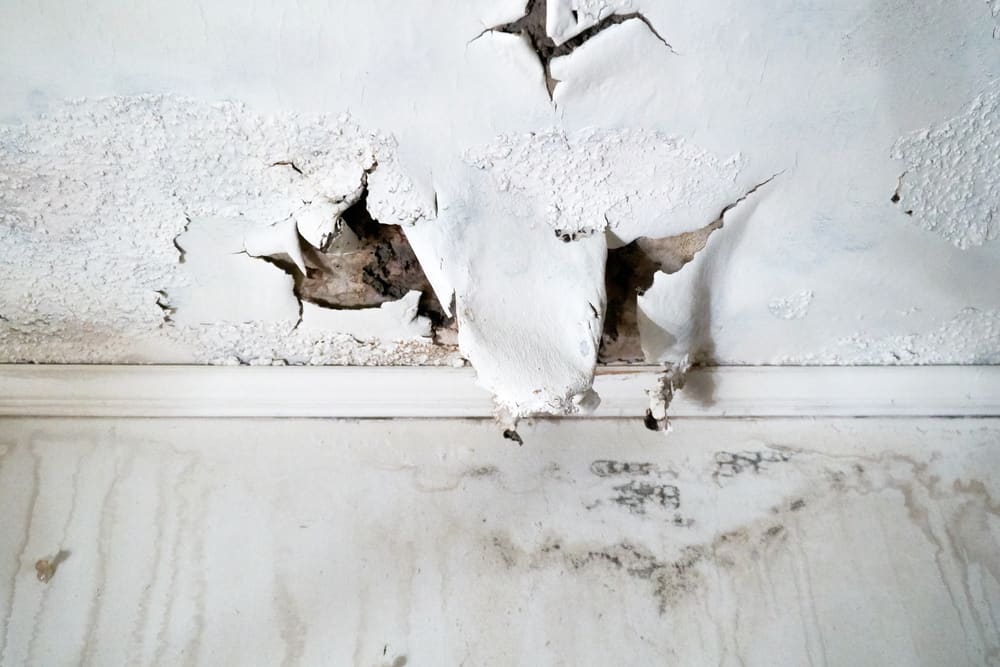
When water damage gets handled correctly the first time, you’re not left wondering what’s still sitting inside your walls three months later. You get a home that’s actually dry not just dry on the surface with documentation that holds up when your insurance adjuster reviews the work.
For Rocky Point homeowners, that distinction matters more than most people realize. A significant portion of homes north of Route 25A were originally built as seasonal summer cottages and later converted to year-round residences. The plumbing, crawlspace foundations, and drainage systems in those homes weren’t designed for full-time occupancy or Long Island winters. When water gets in, it travels through aging materials in ways that consumer-grade fans and wet-vacs simply can’t address.
We use industrial-grade equipment to reach the moisture that hides inside walls, under floors, and in crawlspaces before it becomes a mold problem. Rocky Point sits directly on Long Island Sound, and that coastal humidity doesn’t stop when the storm does. Moisture that enters a home during a flooding event doesn’t dry out naturally the way it would in a drier inland community it lingers, and it feeds mold growth in the exact places you can’t see.
The outcome of a proper restoration isn’t just a dry floor. It’s a home you can trust again.
Residential Water Damage Repair in Rocky Point
We’re based in West Babylon, Suffolk County, and have been serving Long Island homeowners for close to three decades. That’s not a marketing number it means we were here for Hurricane Sandy, we were here for the August 2024 North Shore storm that dropped nearly 10 inches of rain overnight and put people in Rocky Point in their attics, and we’ve worked in the specific housing stock that defines this hamlet: the Cape Cods, the bungalows, the converted summer cottages with crawlspace foundations and plumbing that dates back to when this community was still a seasonal beach retreat.
We’re fully IICRC-certified, licensed, bonded, and insured. We work directly with insurance companies, handling the documentation and adjuster communication so you’re not stuck navigating that process alone. When you call our Suffolk County line 631-587-5300 you’re reaching a local company that knows what North Shore homes look like from the inside, not a national franchise dispatching crews from out of state.
24/7 Water Damage Restoration Process Rocky Point
When you call, the first thing that happens is a rapid assessment we get to your Rocky Point property to evaluate the scope of the damage before anything else. In a flooding situation, that speed matters. Mold can begin growing within 24 to 48 hours of a water intrusion event, and in a home with a crawlspace foundation which is common in Rocky Point’s older converted cottages that window closes fast.
Once the assessment is done, water extraction begins immediately. We use industrial-grade pumps and wet-vac equipment to remove standing water, and then the structural drying phase starts. This is where the process goes deeper than what most homeowners expect: moisture meters map the hidden water inside wall cavities, subfloors, and crawlspaces, and commercial dehumidifiers and air movers run until those readings confirm the structure is genuinely dry not just surface-dry.
For Rocky Point homes near the documented low-lying drainage areas around Hallock Landing Road or the mythology-street neighborhood, this phase is especially important because water often enters through multiple pathways simultaneously. From there, any necessary mold prevention treatment is applied, and the rebuild phase addresses structural repairs, drywall, flooring, and anything else the water affected.
Because we handle the full scope in-house, you’re not coordinating between multiple contractors. Any work requiring Town of Brookhaven building permits gets handled as part of the process you don’t have to figure that out on your own either.

Ready to get started?
Burst Pipe and Storm Damage Restoration Rocky Point
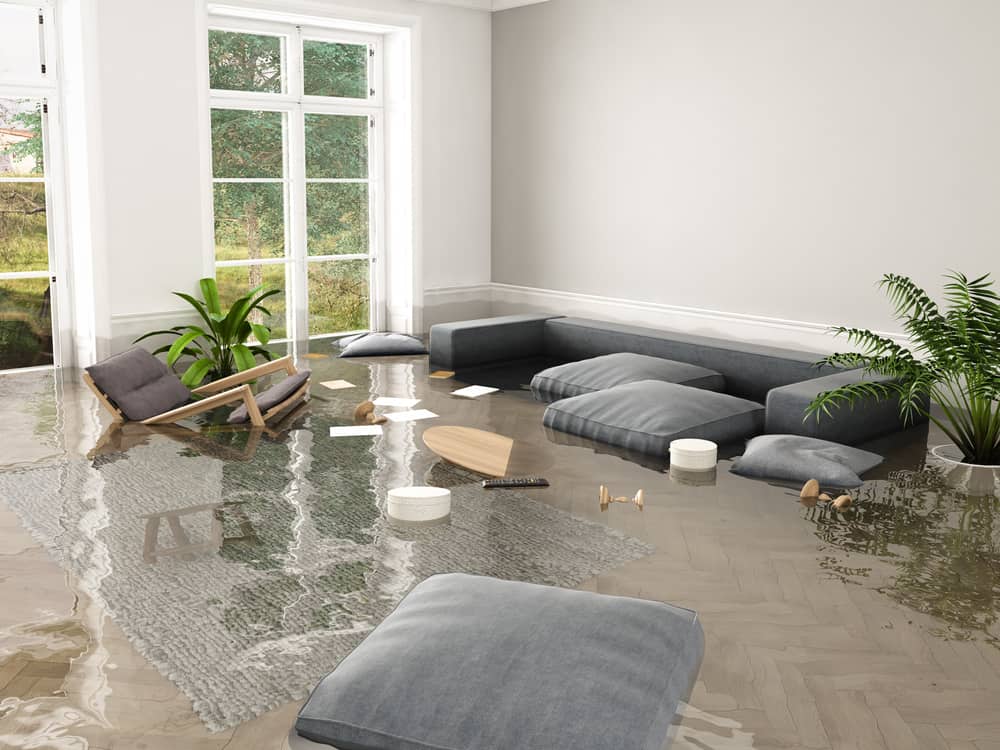
We handle every phase of water damage recovery in Rocky Point. Water extraction and removal comes first getting standing water out of basements, crawlspaces, and living areas using industrial equipment that goes well beyond what a shop-vac can do. Structural drying follows, using calibrated dehumidifiers, air movers, and moisture mapping to confirm that hidden moisture in walls, floors, and structural cavities has been fully eliminated.
Mold remediation is included when needed and in Rocky Point’s coastal environment, where Long Island Sound humidity keeps ambient moisture levels elevated year-round, it’s needed more often than homeowners expect. Under New York State law, mold remediation projects of 10 square feet or more require a licensed contractor, and we meet that requirement.
We also handle flooded basement cleanup, burst pipe water damage response, and storm damage restoration across Brookhaven Town. For Rocky Point homeowners dealing with damage from a sudden event like a burst pipe or storm flooding, standard homeowners insurance typically covers the restoration and we work directly with your insurer, handling documentation and billing so the claims process doesn’t become a second crisis on top of the first one.
The Town of Brookhaven also offers a storm damage grant program of up to $50,000 for qualifying homeowners for repairs not covered by insurance, which is worth knowing about if your situation involves significant structural damage.

Does homeowners insurance cover water damage from basement flooding in Rocky Point?
It depends on the source of the water, and that distinction is more important than most people realize. Standard homeowners insurance typically covers sudden, accidental water damage from internal sources a burst pipe, a failed water heater, an appliance overflow. What it does not cover is flooding from an external source, like groundwater that enters through your foundation or surface water that backs up into your basement during a heavy storm. For that, you’d need a separate flood insurance policy through the National Flood Insurance Program.
This matters specifically in Rocky Point because the hamlet has documented low-lying drainage concentration points the Hallock Landing Road and Culross Drive area, Narcissus Street, and the mythology-street neighborhood where stormwater runoff collects during heavy rain events. If water entered your home through one of those pathways during a storm, the source of that water affects whether your standard policy responds.
We work directly with insurance companies and can help document the damage in a way that clearly establishes the cause which is exactly what you need going into a claim.
How fast does mold grow after a water damage event in my home?
Mold spores can begin germinating within 24 hours under the right conditions. Visible growth typically shows up within 48 to 72 hours, but the microscopic growth that causes health problems and structural damage is already underway before you can see it. The EPA recommends drying water-damaged areas within 24 to 48 hours specifically to prevent mold from establishing.
In Rocky Point, that window is tighter than it would be in a drier inland community. The coastal humidity from Long Island Sound keeps ambient moisture levels elevated year-round, which means a wet crawlspace or a damp wall cavity after a flooding event doesn’t dry out on its own the way it might elsewhere. Many of Rocky Point’s older converted cottages also have crawlspaces rather than full basements, and crawlspaces are among the most mold-prone environments in any home especially in a North Shore community where the air is consistently humid.
If you’ve had any water intrusion even something that seemed minor and more than 48 hours have passed, a professional moisture assessment is the only way to know whether mold is already growing in places you can’t see.
What should I do immediately after my basement floods in Rocky Point?
The first thing is safety don’t enter a flooded basement if there’s any possibility that electrical outlets, panels, or appliances are in contact with the water. Turn off the power to the affected area at the breaker if you can do so safely from a dry location, and don’t wade into standing water until you know the electrical situation is clear.
After that, call a restoration company before you call your insurance company. This might feel backward, but getting a professional on-site to document the damage before anything is moved or dried out gives you a much stronger foundation for your insurance claim. We can assess the scope, identify the source of the water which determines what your policy covers and begin extraction immediately.
In Rocky Point’s older housing stock, where a flooded crawlspace can affect floor joists and structural materials quickly, the time between the event and the professional response directly affects both the cost of the restoration and the complexity of the insurance claim. The sooner the call happens, the better the outcome.
How long does water damage restoration typically take for a Rocky Point home?
For most water damage situations a burst pipe, a flooded basement from a storm event, an appliance overflow the timeline runs roughly two to three weeks from initial extraction through final repairs. The drying phase alone typically takes three to five days using industrial dehumidifiers and air movers, and that phase cannot be rushed without risking hidden moisture left behind in walls or structural cavities.
For Rocky Point homes, the timeline can vary based on the specific construction. The older converted cottages that make up a significant portion of the hamlet’s housing stock particularly those north of Route 25A with crawlspace foundations often have more complex moisture pathways than a newer build. Water that enters a crawlspace can wick into floor joists, subflooring, and wall bases before it’s visible, and the drying process has to account for all of it.
If mold remediation is required which is more common in North Shore coastal homes given the ambient humidity that adds additional time and phases to the project. We’ll give you a realistic timeline after the initial assessment, not a number designed to make you feel better about booking.
My Rocky Point home has a crawlspace does that change how water damage restoration works?
Yes, and it’s a meaningful difference. Crawlspaces present specific challenges that full-basement homes don’t have in the same way. They’re low-clearance, often poorly ventilated, and in a North Shore community like Rocky Point, they’re exposed to the kind of persistent coastal humidity that keeps moisture levels elevated even between storm events. When water enters a crawlspace whether from a burst pipe, groundwater seepage, or stormwater intrusion it saturates the insulation, wicks into floor joists and subflooring, and creates conditions where mold can establish quickly and spread widely before it’s ever visible from the living space above.
Professional restoration in a crawlspace environment requires moisture mapping with calibrated meters to find exactly where the water has traveled, not just where it’s visibly wet. It also typically involves vapor barrier assessment and, in many cases, replacement a compromised vapor barrier is one of the primary reasons crawlspaces in Rocky Point homes develop chronic moisture problems.
We’ve worked in exactly this type of construction throughout Suffolk County, and our IICRC-certified technicians understand how moisture behaves in a converted North Shore cottage in ways that matter when the job is done.
How does First Response Restoration & Cleaning Inc. handle the insurance claim process for water damage?
We work directly with your insurance company meaning we handle the documentation, the adjuster communication, and the direct billing so you’re not caught in the middle trying to translate between your contractor and your insurer. For most homeowners, the insurance process is the most stressful part of a water damage event, and it’s where the most money gets lost if the claim isn’t documented correctly from the start.
In Rocky Point specifically, the source of the water matters enormously for coverage purposes. A burst pipe in a 1950s converted cottage is typically a covered sudden event. Groundwater that backs up through a crawlspace foundation during a heavy storm the kind of event that Rocky Point’s low-lying streets see regularly may fall into a different coverage category depending on your policy.
We document the damage and its cause in a way that gives your claim the best possible foundation, and our nearly 30 years of working with Long Island insurance adjusters means we understand how these conversations go. It’s also worth knowing that the Town of Brookhaven has a storm damage grant program that can provide up to $50,000 for qualifying homeowners for repairs not covered by insurance something we can help you understand as part of the overall recovery process.
Useful Links
Other Services we provide in Rocky Point