
Water Damage Restoration in Springs, NY
When the Harbor Comes to Your Door, Springs Needs More Than a Quick Fix
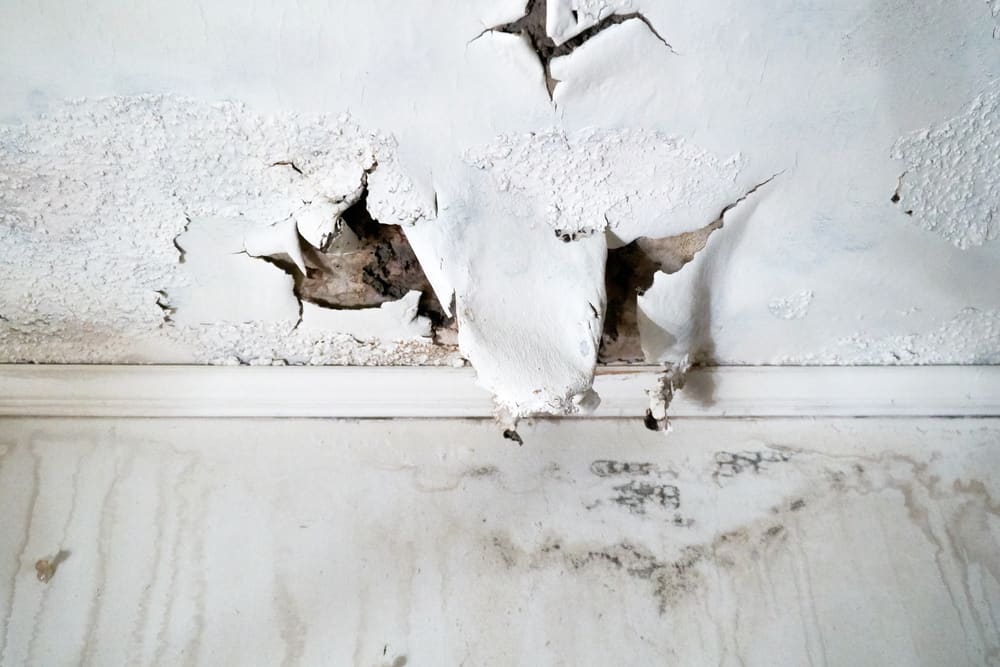
Hear from Our Customers

Flood Restoration Services in Springs, NY
When water gets into your Springs home whether it came up through a crawl space after a nor’easter saturated the glacial soils around Accabonac Harbor, or a pipe let go during a cold January night while you were off the island the outcome you need is simple: a completely dry structure, no hidden moisture left behind, and a clear record for your insurance company. That’s what professional restoration actually looks like.
Springs homes face a specific set of conditions that most restoration companies aren’t built for. The hamlet’s low-lying terrain, high water table near Three Mile Harbor and the harbor edges, and the prevalence of crawl spaces in older Bonacker-era cottages all create environments where moisture hides long after the visible water is gone. Getting the surface dry isn’t enough. The moisture inside your walls, under your floors, and in the structural cavities of your home is what turns a manageable cleanup into a mold problem six months later.
When the job is done right, you’re not just drier you’re protected. No secondary mold claim. No surprise structural repair. No insurer pushing back because the documentation wasn’t there. That’s the difference between a real restoration and a surface-level cleanup.
Trusted Water Damage Repair in Springs, NY
First Response Restoration & Cleaning Inc. has been serving Suffolk County homeowners for close to three decades. That’s not a marketing line it’s the reason we understand what water damage in a place like Springs actually involves. The peninsula geography, the septic system dependence, the seasonal homes along Three Mile Harbor Road that sit empty through winter these aren’t abstract concepts. They’re the real conditions behind the calls we respond to.
We are IICRC-certified, licensed, bonded, and insured. Our technicians are trained to the IICRC S500 standard for water damage restoration, which means the work is performed and documented to the level insurance companies actually accept. For Springs homeowners navigating both a standard homeowners policy and a separate NFIP flood policy common for properties in FEMA Zone AE near Accabonac Harbor that documentation isn’t optional. It’s the difference between a settled claim and a disputed one.
We work directly with your insurance company. You make one call. We handle the rest.
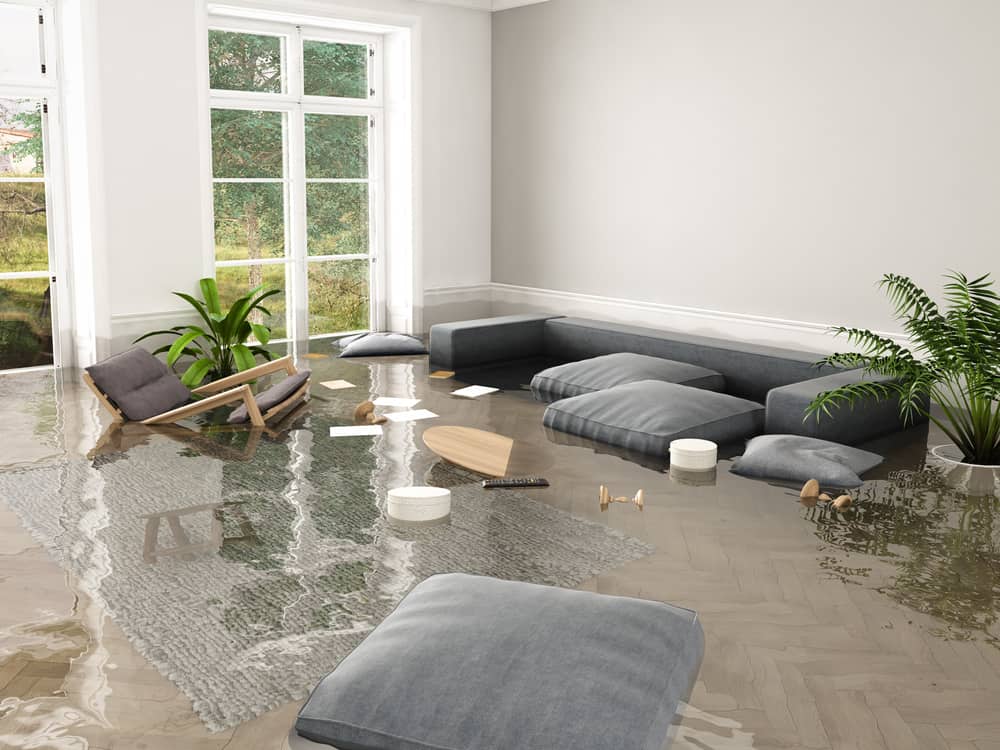
Emergency Water Removal Process in Springs, NY
The first step is assessment. When our team arrives via Springs-Fireplace Road or Three Mile Harbor Road, depending on where you are in the hamlet the priority is understanding the full scope of what’s happened. That means moisture meters, thermal imaging, and a complete walkthrough of the affected areas. Not just the visible damage. The crawl space. The wall cavities. The subfloor. If there’s moisture hiding somewhere, our equipment finds it.
Once the assessment is complete, water extraction begins immediately. We use industrial-grade pumps and vacuums that remove standing water far faster and more thoroughly than anything consumer-grade. From there, the structural drying phase takes over high-capacity air movers and dehumidifiers run continuously, often for several days, pulling moisture out of materials that look dry but aren’t. Moisture readings are taken at regular intervals to confirm the drying is actually progressing, not just assumed.
If your property is in a FEMA Zone AE area of Springs which applies to low-lying areas near Accabonac Harbor and Three Mile Harbor the documentation we produce during this process matters for your insurance claim. Every reading, every photo, every drying log becomes part of the record. After structural drying is confirmed, we move into any needed repairs, mold prevention treatment, and final inspection. One company handles the full scope, so you’re not coordinating between multiple contractors while your home is still mid-restoration.

Ready to get started?
Residential Water Damage Services in Springs, NY
Water damage restoration in Springs isn’t a single service it’s a sequence of connected work that adapts to what your home and your situation actually require. That starts with water extraction and structural drying, but it doesn’t stop there. Mold prevention treatment is standard after any significant water intrusion, because the EPA is clear that mold can begin forming within 24 to 48 hours of flooding. In a hamlet where the water table sits close to the surface and crawl spaces are common in older homes, that window closes fast.
For properties dealing with septic backup a real risk in Springs given that East Hampton Town has no municipal sewer system and heavy rain events can overwhelm private septic drainage the response protocol is different. Category 3 contamination, which is what a septic backup represents, requires full containment, antimicrobial treatment, and a more intensive remediation process than clean water intrusion. We are equipped and certified to handle it.
Beyond mitigation, we handle structural repairs and rebuild. That matters for Springs homeowners who don’t want to manage a separate contractor once the drying is done. We also work directly with your insurance carrier whether that’s a standard homeowners policy, an NFIP flood policy, or both handling the paperwork, the documentation, and the direct billing so the financial side of the process doesn’t fall entirely on you.

Does homeowners insurance cover water damage from flooding in Springs, NY?
This is one of the most important distinctions to understand before you file a claim. Standard homeowners insurance covers sudden, accidental water damage from internal sources a burst pipe, a water heater failure, an appliance overflow. It does not cover flooding. If water entered your Springs home because Gardiners Bay pushed a storm surge inland, or because heavy rain caused surface water to enter from outside, that’s flood damage and it requires a separate National Flood Insurance Program (NFIP) policy to be covered.
Many Springs properties in low-lying areas near Accabonac Harbor and Three Mile Harbor are in FEMA Zone AE, which is a Special Flood Hazard Area. If your home is in that zone and you carry an NFIP policy alongside your standard homeowners policy, you may have two separate claims to navigate each with its own documentation requirements and coverage limits. We work directly with both types of insurers, helping you understand what’s covered under each policy and making sure the documentation supports your claim rather than complicates it.
How quickly does mold start growing after a basement or crawl space floods?
The EPA states that mold can begin forming within 24 to 48 hours of water intrusion under the right conditions. In a Springs home particularly in a crawl space sitting on low-lying glacial outwash soils where ambient humidity is already elevated those conditions are almost always present. Mold doesn’t need a dramatic flood to get started. Persistent dampness in a crawl space, moisture trapped inside a wall cavity after a nor’easter, or water that wicked into a subfloor and wasn’t fully extracted all of it creates an environment where mold colonizes quickly.
The practical implication is that the clock starts the moment the water arrives, not the moment you notice it. If you discovered the problem days after it happened which is common in Springs for seasonal homes or properties managed by caretakers who visit weekly the mold timeline has already been running. A professional assessment will determine whether visible or hidden mold growth has begun, and the remediation scope will be adjusted accordingly. Waiting to see how things develop before calling only shortens the window you have to prevent a more serious problem.
What does burst pipe water damage restoration actually involve, and how long does it take?
A burst pipe can release a significant volume of water in a short period of time, and the damage it causes goes well beyond what’s visible. Water moves fast into wall cavities, under flooring, along structural framing and it keeps moving long after the pipe is repaired. The restoration process starts with water extraction to remove all standing water, followed by a thorough moisture assessment using meters and thermal imaging to map where water has traveled inside the structure.
From there, the drying phase typically runs three to five days for most homes, though older Springs cottages with crawl spaces, minimal vapor barriers, and aging construction can take longer because moisture has more places to hide and fewer natural barriers to contain it. After drying is confirmed through repeated moisture readings, any affected materials that can’t be dried in place saturated drywall, compromised insulation, buckled flooring are removed and replaced. The full process, from initial extraction through final repairs, typically takes around two to three weeks for moderate damage, though more extensive situations can run longer. You’ll have a clear timeline estimate after the initial assessment.
My Springs home is closed for the winter what happens if a pipe bursts while no one is there?
This is one of the most common and most damaging scenarios on the East End. A pipe bursts during a January nor’easter, the heat drops in a home that’s been set to a skeleton minimum, and nobody notices for days sometimes weeks. By the time a caretaker or returning owner discovers the damage, the water has been sitting long enough for mold to establish itself, subfloors to buckle, and the scope of the restoration to expand significantly compared to what it would have been with an immediate response.
The most important thing you can do in this situation is call immediately once the damage is discovered not after you’ve assessed it yourself, not after you’ve tried to clean up some of the water. We’re available around the clock, and getting our team on-site as quickly as possible limits how much additional damage accumulates. For Springs homeowners managing their property remotely, or caretakers who handle multiple properties along Three Mile Harbor Road or the Accabonac Harbor area, we can manage the full restoration process from initial response through completion with minimal need for the owner to be physically present throughout.
Does storm damage restoration in Springs, NY cover damage from nor'easters, not just hurricanes?
Yes and on the South Fork, nor’easters are often the more frequent culprit. The hamlet’s position on a peninsula surrounded by Gardiners Bay, Three Mile Harbor, and Accabonac Harbor means it’s directly exposed to northeast winds and the storm surge they generate. Gerard Drive and Louse Point both residential areas within Springs have been formally identified by East Hampton Town in its Coastal Assessment and Resiliency Plan as chronic flood problem areas, and they’ve flooded during nor’easters in recent years, not just during named hurricanes.
Storm damage restoration covers water intrusion from any weather event whether that’s bay-side surge flooding, roof damage that lets water in during a heavy rain, or a combination of both. The coverage question (what your insurance pays for) depends on the source of the water and your specific policy, which is why documentation of how and where the water entered matters so much. We photograph and record the damage thoroughly during the initial assessment, which supports your claim regardless of which insurer is involved.
Is water damage restoration in Springs handled differently because of local septic systems?
It can be, and it’s worth understanding why. East Hampton Town including all of Springs has no municipal sewer infrastructure. Every property runs on a private septic system. During heavy rain events, the glacial soils around Springs can become fully saturated, which prevents septic systems from draining properly. When that happens, sewage can back up into the home through floor drains, toilets, or other low-lying fixtures.
That type of intrusion is classified as Category 3 water damage under IICRC standards commonly called black water and it’s the most hazardous category. It requires a different response than a clean water pipe burst: full containment of the affected area, removal of contaminated materials that can’t be safely decontaminated, antimicrobial treatment throughout the affected space, and specific documentation for the insurance claim. Water quality monitoring in Accabonac Harbor and Three Mile Harbor has flagged elevated fecal coliform levels tied to septic system limitations during rain events, which reflects how real this issue is for Springs properties near the harbor edges. If you’re dealing with a sewage backup or you’re not sure what type of water caused your damage, that determination gets made during the initial assessment and the remediation protocol is set from there.
Useful Links
Other Services we provide in Springs