
Water Damage Restoration near Stony Brook University, NY
When Mill Pond Overflows and the Water Table Rises, Your Stony Brook Home Pays the Price
Hear from Our Customers

Flood Restoration near Stony Brook University, NY
The geology that made the 2024 flooding so severe creates ongoing risk even without a major storm. The North Shore sits on glacial deposits with clay layers that slow natural drainage and keep the water table closer to the surface than almost anywhere else on Long Island. During a heavy rain or fast snowmelt, that groundwater rises and finds the path of least resistance which is often your basement wall, your foundation, or the gap around a pipe that’s been there since the house was built in 1962.
When we finish a job, you’re not just looking at dry floors. You’re looking at moisture readings that confirm the walls and subfloor are actually dry, not just surface-dry. You’re looking at documentation your insurance adjuster can work with. And you’re looking at a home that isn’t quietly growing mold behind the drywall while you go about your life.
Residential Water Damage Repair near Stony Brook University, NY
We’re based in West Babylon and have been serving Suffolk County homeowners for close to three decades. That’s not a marketing number it means we’ve worked through nor’easters, post-Sandy recovery, and the kind of overnight flooding that reshaped the Mill Pond watershed in August 2024. We know how North Shore homes around Stony Brook University respond to water intrusion because we’ve been inside hundreds of them.
Our technicians are fully IICRC-certified, and we are licensed, bonded, and insured. That matters here. The Stony Brook University area draws a community of researchers, physicians, and university professionals who hold contractors to a high standard and they should. IICRC certification means our work follows documented protocols that insurance companies recognize, which directly affects how your claim gets handled.
We work directly with your insurance company, handle the paperwork, and bill them directly where coverage applies. You don’t have to manage that process while also dealing with a flooded basement.
Basement Water Extraction near Stony Brook University, NY
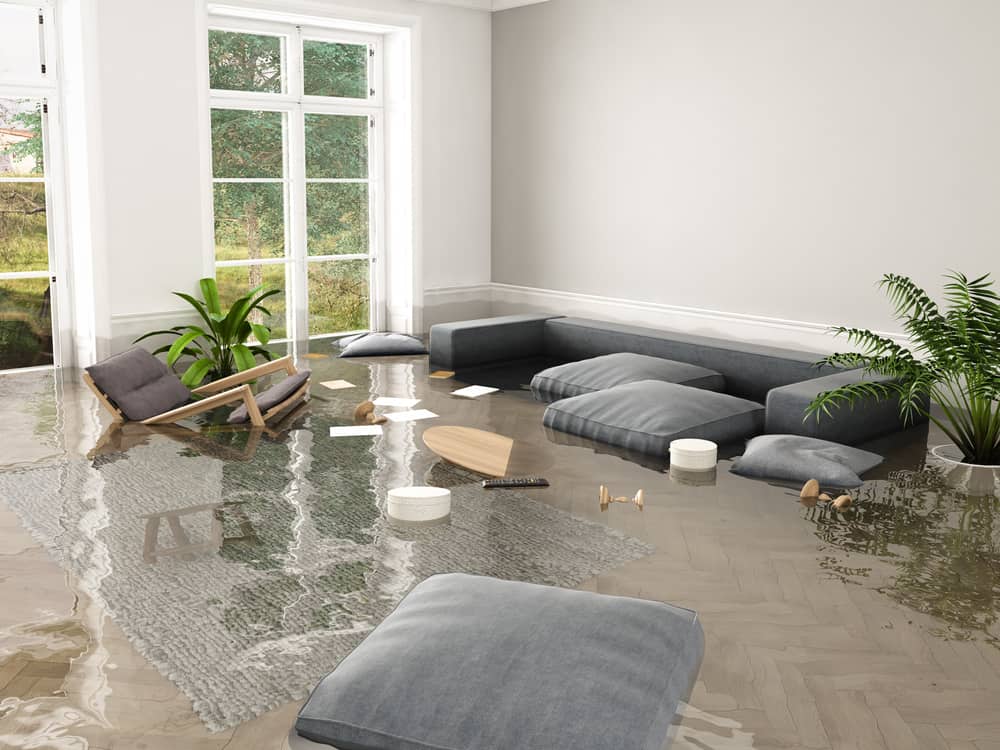
The process starts the moment you call. We offer 24/7 emergency response because the EPA is clear that mold can begin developing within 24 to 48 hours of water intrusion and waiting until morning genuinely changes the outcome. Our team comes to your home, assesses the full scope of the damage, and begins water extraction using industrial-grade equipment that goes well beyond what any consumer-grade shop vac or fan can reach.
After extraction comes structural drying. This is where most DIY attempts fall short. Moisture wicks into drywall, underneath flooring, and inside wall cavities in ways you can’t see or feel. We use professional moisture meters to map exactly where the water has traveled, then deploy air movers and commercial dehumidifiers to pull it out completely.
In older homes and the Stony Brook area has plenty of them, from the historic Colonials north of Route 25A to the post-war Cape Cods and ranches that are now 60 to 80 years old this phase takes longer and requires more attention to structural detail. Once the structure is confirmed dry, any necessary repairs, mold prevention treatment, and reconstruction work follow. Because we handle the full scope from extraction through rebuild, you’re not left coordinating between multiple contractors. The documentation we create throughout the process also supports your insurance claim from day one.

Ready to get started?
Storm Damage Restoration near Stony Brook University, NY
Water damage restoration near Stony Brook University isn’t one-size-fits-all. The range of homes here from 18th century structures in the historic village district to the M-Section and S-Section Colonials to the gated condo communities at Strathmore and The Knolls means the approach has to match the building. Older homes with original plumbing and aging foundations need more thorough moisture mapping. Condos with shared infrastructure present different access and liability considerations. We have the experience to work across all of it.
Our services include emergency water removal, structural drying, dehumidification, mold remediation, burst pipe water damage repair, flooded basement cleanup, and full reconstruction. We also handle fire damage restoration and severe odor treatment when water damage comes with secondary issues which is common after the kind of storm surge and groundwater flooding the Three Village area experienced in 2024.
All work is performed by our IICRC-certified technicians and completed in compliance with Town of Brookhaven permit requirements where structural repairs or significant alterations are involved. New York State’s mold licensing law also applies here mold assessment and remediation require separate licensed contractors, and we carry the appropriate credentials. If your home has been sitting with moisture for more than 48 hours, mold testing should be part of the conversation from the start.

Does homeowners insurance cover the type of flooding Stony Brook University area homes experienced in 2024?
This is the question that caught a lot of Stony Brook area homeowners off guard after August 2024. Standard homeowners insurance typically covers sudden, accidental water damage from internal sources a burst pipe, a failed water heater, an appliance that overflows. What it does not cover is flooding from external sources, which includes water that enters your home from an overflowing waterway like Mill Pond, rising groundwater, or surface water coming in through your foundation during a storm event. That type of flooding requires a separate flood insurance policy, typically through the National Flood Insurance Program.
The distinction matters because many homes in the Three Village area that took on water during the 2024 event may have experienced a combination of both internal plumbing stress from the storm and external water intrusion from the elevated water table. A thorough damage assessment can help separate those two causes, which directly affects what you can claim. We work directly with insurance companies and can help document the damage in a way that supports your claim and clarifies what falls under which coverage.
How quickly does mold start growing after a basement floods in a Stony Brook home?
Faster than most people expect. The EPA’s guidance is clear: mold can begin developing within 24 to 48 hours of water intrusion under the right conditions. In the Stony Brook area, those conditions are often already present older homes with limited airflow in basement spaces, elevated ambient humidity from proximity to Stony Brook Harbor and Long Island Sound, and building materials like older drywall and wood framing that absorb moisture quickly.
What makes this especially important here is that the elevated water table on the North Shore means moisture doesn’t always announce itself dramatically. A slow seep through a foundation crack after a heavy rain can go unnoticed for days, especially if the basement isn’t used regularly. By the time you notice a musty smell or visible discoloration, mold growth may already be underway behind the drywall or under the flooring. That’s why professional moisture mapping not just a visual check is the right response to any basement water event, even one that seems minor.
What's the difference between water extraction and structural drying, and do I need both?
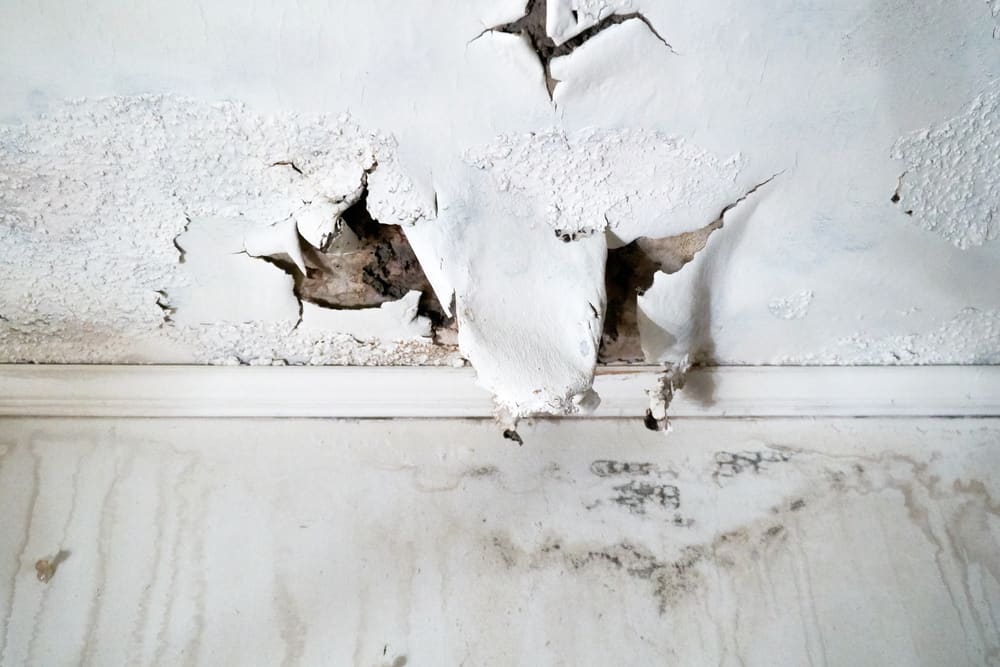
Water extraction removes the standing water the visible pooling on your floor, the water you can see and feel. That’s the first step, and it’s critical, but it’s not the finish line. Structural drying is what comes after, and it’s the phase that determines whether your home is truly restored or just surface-dry.
When water enters a home, it doesn’t stay on the floor. It wicks upward into drywall, travels under flooring, seeps into wood framing, and collects inside wall cavities. Consumer fans and dehumidifiers can’t reach those areas effectively. We use industrial air movers, commercial-grade dehumidifiers, and calibrated moisture meters to find and eliminate moisture in the places you can’t see. In a Stony Brook area home particularly the older Cape Cods and Colonials that make up a significant portion of the housing stock south and north of Route 25A this phase is especially important because older building materials absorb and hold moisture more readily than newer construction. Skipping structural drying is the most common reason homeowners end up dealing with mold problems months after what seemed like a resolved water event.
How long does water damage restoration typically take for a home near Stony Brook University?
The honest answer is that it depends on the severity and how quickly the process starts. For a contained event a burst pipe that’s caught quickly, a washing machine overflow in a finished basement the drying phase typically takes three to five days, with any necessary repairs extending the timeline from there. A more significant flooding event, like the kind that affected homes along Harbor Road in August 2024, can take several weeks from initial extraction through final reconstruction, and in cases involving structural damage or significant mold growth, the process can extend considerably longer.
Starting sooner always shortens the overall timeline. Water that sits for 24 hours has already begun wicking into structural materials. Water that sits for 48 hours or more has likely initiated mold growth. Each additional day of delay means more material to dry, more potential mold to remediate, and more reconstruction to complete at the end. Our 24/7 availability exists specifically because the first hours after a water event are the most consequential ones for determining how long and how costly the restoration will be.
My basement has water in it, but I dried it with fans do I still need a professional assessment?
Yes, and this is one of the most important things to understand about water damage. Consumer fans evaporate surface moisture the water you can see. They do very little for moisture that has already wicked into drywall, traveled under flooring, or collected inside wall cavities. The only way to know whether your home is truly dry is with professional moisture meters that measure moisture content inside building materials, not just at the surface.
This matters especially in the Stony Brook area because of the housing stock. Homes built in the post-war era the Cape Cods and ranches south of Route 25A that are now six or seven decades old often have older drywall compounds, wood subfloors, and framing materials that absorb moisture readily and release it slowly. A basement that feels dry to the touch can have moisture levels inside the walls that are well above the threshold for mold growth. A professional assessment confirms the actual moisture state of the structure, not just the surface, and gives you documentation that supports an insurance claim if one is needed.
Is burst pipe water damage covered by insurance, and how does First Response Restoration & Cleaning help with the claim?
Burst pipe damage is one of the more straightforward coverage scenarios under standard homeowners insurance. If a pipe bursts suddenly from freezing temperatures, age, or a pressure failure the resulting water damage is typically covered as a sudden and accidental loss. This is relevant for Stony Brook area homeowners because the North Shore’s winters bring genuine pipe freeze risk, particularly in older homes with inadequate insulation around pipes in exterior walls or unheated spaces.
Where claims get complicated is documentation. Insurance adjusters need to see clear evidence of the source, the scope of the damage, and the steps taken to mitigate further loss. We create that documentation as part of the restoration process moisture readings, affected area mapping, photographic records, and a clear account of what was found and what was done. We also bill your insurance company directly where coverage applies, which removes the back-and-forth that often slows claims down and reduces out-of-pocket stress during an already difficult situation.
Useful Links
Other Services we provide in Stony Brook University