
Water Damage Restoration in Village Of The Branch, NY
When Water Breaches Your Village Of The Branch Home, You Need More Than a Mop
Hear from Our Customers

Flood Restoration Services in Village Of The Branch, NY
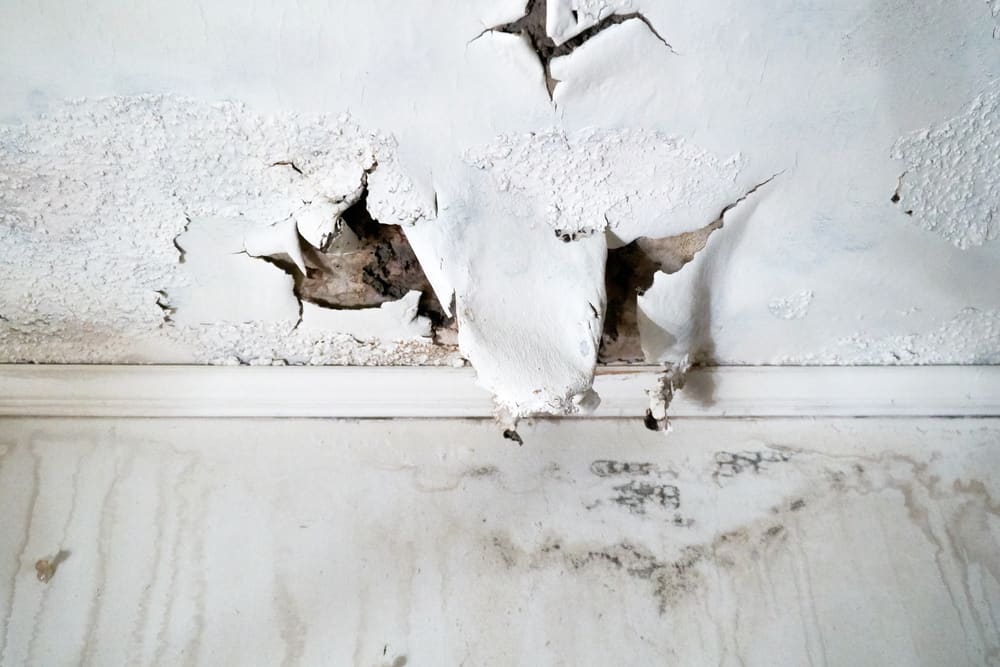
When water gets into your home, the visible part is rarely the whole problem. What you can see the wet floor, the damp drywall is just the surface. What you can’t see is the moisture wicking into your subfloor, sitting behind your baseboards, and working its way into wall cavities. That’s where the real damage happens, and that’s where mold begins forming, often within 24 to 48 hours of the initial intrusion.
For Village Of The Branch homeowners, this isn’t a hypothetical. The area’s housing stock was built predominantly between the 1940s and 1960s homes that are now 55 to 85 years old. Plaster walls, original subfloor assemblies, and aging pipe connections absorb and hold moisture differently than newer construction. A surface-level cleanup simply doesn’t reach what’s hiding inside those older structures. You need industrial moisture meters, professional-grade dehumidifiers, and technicians who know what they’re looking for.
The other thing that matters here is documentation. Whether your damage came from a burst pipe, a failed water heater, or the kind of groundwater flooding the Nissequogue watershed is known to deliver after a heavy storm, your insurance claim lives or dies on how well the damage was recorded. When the work is done right extraction, drying, moisture mapping, and a clear paper trail you’re not just getting a dry house. You’re getting a defensible claim and a restoration that actually holds up.
Trusted Water Damage Company in Village Of The Branch, NY
First Response Restoration & Cleaning is based in West Babylon and has been serving Suffolk County since before most of the current residents of Village Of The Branch moved in. That’s not a marketing line it means we’ve worked through every major storm cycle that’s hit central Suffolk County, including the August 2024 event that breached the Blydenburgh Lake dam, emptied Stump Pond into the Nissequogue River, and triggered a Federal Disaster Declaration for Suffolk County. We know what that kind of flooding does to homes in Village Of The Branch because we’ve seen it firsthand.
Our technicians are IICRC-certified, which is the industry credential that insurance adjusters recognize and restoration professionals are held to. We’re also fully licensed, bonded, and insured. When you call our 631-587-5300 Suffolk County line, you’re reaching a real local team not a national call center dispatching crews from out of state. That matters when you need someone who understands the Nissequogue watershed, the age of the homes on Route 111, and what it actually takes to dry out a 1960s Colonial the right way.
Water Damage Restoration Process in Village Of The Branch, NY
The moment you call, we move. Water damage restoration in Village Of The Branch starts with an on-site assessment free, no pressure where we identify the source of the intrusion, map the extent of the moisture using professional meters and thermal imaging, and determine what category of water damage you’re dealing with. That category matters because it affects the safety protocols, the drying timeline, and what your insurance is likely to cover.
From there, we extract standing water using industrial-grade equipment and set up a drying system air movers, dehumidifiers, and in some cases structural drying panels for walls and floors. For the older homes common throughout Village Of The Branch, this phase requires particular attention to plaster walls and original hardwood floors, which hold moisture longer and respond differently than modern drywall and engineered flooring. We monitor moisture levels daily until the structure reads dry not just surface-dry, but confirmed dry throughout.
Once drying is complete, we handle any necessary mold prevention treatments and move into the repair and reconstruction phase if needed. Because Village Of The Branch has its own incorporated village government with its own building authority separate from the Town of Smithtown, any reconstruction work that requires permits goes through the village’s board of trustees. We’re familiar with that process and handle the coordination so you don’t have to. We also work directly with your insurance company throughout documenting everything, communicating with your adjuster, and billing the insurer directly wherever possible.

Ready to get started?
Residential Water Damage Repair in Village Of The Branch, NY
Village Of The Branch is not a community of starter homes. With median home values between $711,000 and $820,000 and a 95% owner-occupancy rate, the homes here represent decades of investment and in some cases, actual history. The village’s National Historic District includes structures dating back to around 1700, and the Smithtown Historical Society sits within the village’s own borders. When water damage hits a home in Village Of The Branch, the restoration has to be done with care, not just speed.
Our water damage restoration services for Village Of The Branch homeowners cover the full scope: emergency water extraction and removal, structural drying and dehumidification, basement water extraction, mold prevention and remediation, burst pipe water damage repair, storm damage restoration following events like the August 2024 nor’easter that devastated the Smithtown area, fire damage, and full reconstruction where needed. We handle residential water damage repair from the initial emergency call through the final walkthrough one company, one point of contact.
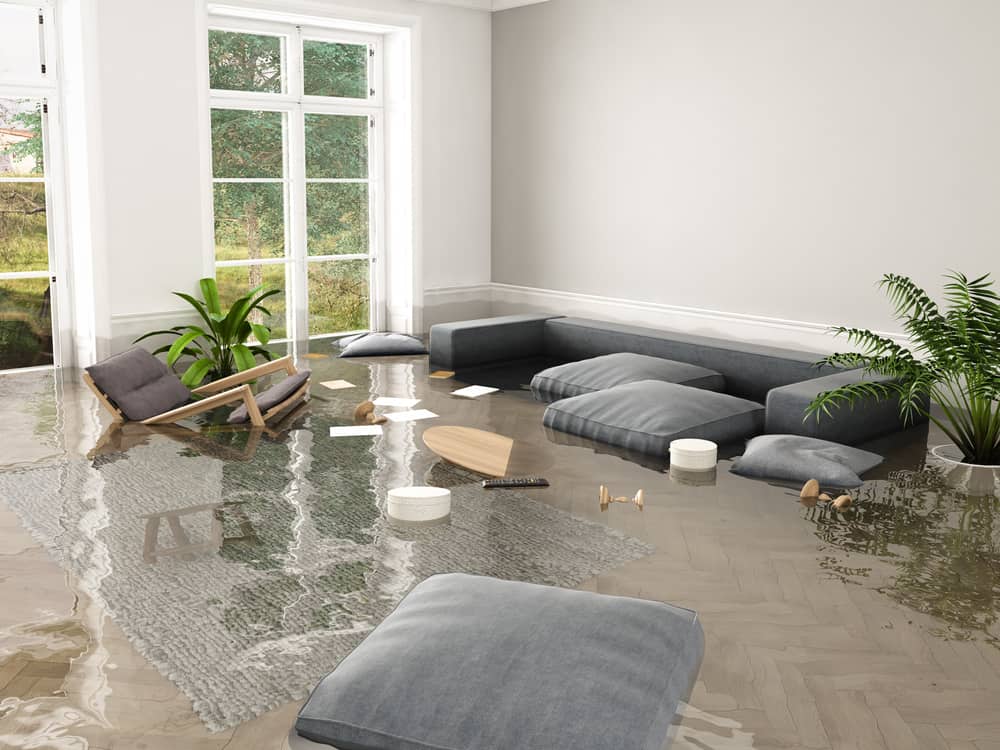
We also carry a specific understanding of what flood restoration looks like in this watershed. Groundwater flooding in the Nissequogue corridor behaves differently from coastal surge or surface runoff. It comes up through the floor, not down from above, and it saturates foundations slowly and silently. Our 24/7 water damage restoration availability means that when you notice water in your basement at midnight after a heavy rain, you don’t have to wait until morning to get help moving.

Does homeowners insurance cover water damage from Nissequogue River flooding in Village Of The Branch?
This is one of the most important questions to understand before you file a claim, and the answer depends on how the water entered your home. Standard homeowners insurance covers sudden, accidental water damage from internal sources a burst pipe, a failed water heater, an appliance that overflows. What it does not cover is flooding, which the insurance industry defines specifically as water that enters your home from the ground up due to an external weather or water event.
The August 2024 storm that breached the Blydenburgh Lake dam and sent the Nissequogue River surging through the Smithtown area created exactly the kind of ambiguity that leads to denied claims in Village Of The Branch and surrounding communities. If groundwater rose and seeped through your foundation walls, that is likely classified as flooding and without a separate flood insurance policy through the National Flood Insurance Program, your standard homeowners policy probably won’t cover it. If a pipe burst due to storm pressure or a sump pump failed during the event, that’s a different conversation. The distinction matters enormously, and it’s one reason proper documentation from the start before you touch anything is so critical. We help you understand what you’re dealing with before the adjuster arrives.
How quickly does mold start growing after a basement flood in Village Of The Branch?
Faster than most people expect. The EPA’s guidance is clear: water-damaged areas need to be dried within 24 to 48 hours to prevent mold growth. That’s not a conservative estimate mold spores are always present in the air, and all they need is a wet surface and a little time. Visible mold typically appears within 48 to 72 hours, but microscopic growth begins earlier than that.
For homes in Village Of The Branch, this timeline is particularly relevant because of the area’s older construction. Plaster walls, original wood framing, and older insulation materials are more porous than modern alternatives they absorb moisture faster and release it more slowly. That means the window between “wet” and “actively growing mold” can be shorter in a 1960s Colonial than in a newer build. If you’re dealing with a flooded basement and you’ve been running a shop vac and a box fan for a day or two, there’s a reasonable chance moisture is still present inside your walls and subfloor even if the floor feels dry. That’s exactly what professional moisture mapping is designed to find.
How long does water damage restoration typically take for a home in Village Of The Branch?
The honest answer is that it depends on the scope. For a straightforward burst pipe situation affecting one room with no structural damage and no mold, the drying phase alone typically takes three to five days, and the full project including any repairs can wrap up in one to two weeks. For more extensive damage, like a basement that took on significant water during a storm event, you’re typically looking at closer to three weeks from initial extraction through final repairs.
In Village Of The Branch specifically, the age of the housing stock adds some variability. Homes built in the 1940s through 1960s often have original hardwood floors, plaster walls, and older insulation all of which take longer to dry than modern materials. We monitor moisture readings daily throughout the drying phase and don’t move to repairs until the structure confirms dry, not just feels dry. Rushing that phase is how you end up with mold problems three months later.
What should I do immediately after discovering water damage in my Village Of The Branch home?
The first thing to do is stop the source if you can shut off the water supply if it’s a burst pipe or appliance failure. If the source is external, like groundwater coming through your foundation after heavy rain, there’s not much you can do to stop the inflow, but you can start documenting immediately. Take photos and video of everything before you move or remove anything. That documentation is the foundation of your insurance claim, and anything you disturb before the adjuster or restoration team arrives can complicate your coverage.
After that, call a restoration company. Don’t wait to see how bad it gets. The 24 to 48 hour mold window is real, and every hour of delay is an hour of additional moisture absorption into your walls, floors, and framing. You don’t need to have the insurance conversation figured out before you call a good restoration company will help you understand what’s covered and what isn’t as part of the initial assessment.
Can a burst pipe in an older Village Of The Branch home cause more damage than in a newer house?
Yes, and it’s a meaningful difference. The homes throughout Village Of The Branch were built predominantly between the 1940s and 1960s, which means many of them have original galvanized steel or copper plumbing that has been aging for 55 to 85 years. Galvanized steel pipes corrode from the inside over time, restricting flow and developing weak points. Copper joints fatigue. Water heater tanks fail without warning after 10 to 15 years and in a home where the water heater has been replaced once or twice but the supply lines haven’t been touched since the 1970s, you have a system that’s overdue.
When a pipe bursts in an older Village Of The Branch home, the water doesn’t just spread across the floor. It gets into plaster walls, which absorb moisture readily. It saturates original hardwood floors, which can cup and buckle within hours. It soaks into older insulation that doesn’t dry out the way modern materials do. The result is that the same volume of water from a burst pipe causes more structural damage in a 1960s Colonial than in a 2010 build, and it takes longer to dry properly. That’s a reason to call quickly and make sure the company you hire has experience with this type of construction.
Does First Response Restoration & Cleaning Inc. handle the insurance paperwork for Village Of The Branch homeowners?
Yes, and it’s one of the most practical things we do. Navigating a water damage insurance claim is genuinely complicated, especially in the aftermath of an event like the August 2024 storm that hit the Smithtown area. The line between what’s covered under a standard homeowners policy and what requires separate flood coverage is not always obvious, and insurance companies don’t always make it easy to understand. Having a restoration company that knows how to document damage, communicate with adjusters, and bill the insurer directly takes a significant amount of stress off your plate during an already difficult situation.
In practical terms, this means we document everything from the moment we arrive photos, moisture readings, equipment logs, scope of work in a format that insurance adjusters recognize and accept. We work directly with your insurer throughout the process, and wherever direct billing is possible, we handle it. Village Of The Branch homeowners tend to be thorough and detail-oriented when it comes to protecting their assets, and that’s exactly the kind of client this process works best for. You stay informed, you stay in control, and you don’t have to become an expert in restoration insurance claims to get through this.
Useful Links
Other Services we provide in Village Of The Branch