
Water Damage Restoration in West Sayville, NY
When the Great South Bay Rises, West Sayville Homes Need Immediate Response
Hear from Our Customers

Flood Restoration West Sayville, NY
When water gets into your West Sayville home whether it’s storm surge pushing north from the Great South Bay, groundwater seeping through a foundation wall, or a pipe that finally gave out in your 1960s Cape Cod the outcome you need is the same. You need the water gone, the moisture fully extracted from places you can’t see, and the whole situation handled without you having to fight your insurance company at the same time.
That last part matters more in West Sayville than people realize. Homes in and around the bay-adjacent sections of this hamlet can carry both a standard homeowners policy and a separate flood policy through the National Flood Insurance Program. Knowing which one applies, and how to document the damage so it satisfies both, is not something most homeowners should have to figure out on their own in the middle of a crisis. When we handle your claim coordination directly, that burden comes off your plate.
What you end up with is a home that’s genuinely dry not surface-dry, but structurally dry, with moisture readings confirmed through thermal imaging and moisture meters inside the walls and under the floors. For a West Sayville community where the water table rises with every significant rainfall and older homes have decades of wear on their plumbing, that level of thoroughness isn’t optional. It’s the difference between a clean restoration and a mold problem six months from now.
Residential Water Damage Repair West Sayville, NY
First Response Restoration & Cleaning has been serving Suffolk County homeowners for nearly three decades, including West Sayville and the surrounding Town of Islip communities. We were working in this area through Hurricane Sandy, through every nor’easter before and since, and through the quiet pipe failures and appliance leaks that happen between storms. West Sayville is not a new market for us it’s a community we know.
Our base is in West Babylon, directly adjacent to West Sayville and connected by Montauk Highway. When a storm rolls up from the bay and the calls start coming in, we’re not dispatching crews from outside the region. We’re already here. Our technicians are IICRC-certified, and we are fully licensed, bonded, and insured which matters when you’re dealing with a $600,000+ home and an insurance claim that needs to hold up.
We work directly with your insurance company. We handle the documentation, the billing, and the back-and-forth so you don’t have to learn a new process while your home is still wet.
Emergency Water Removal West Sayville, NY
The first thing that happens when you call is an immediate response. We assess what you’re dealing with, and if it’s an emergency a flooded basement, a burst pipe, storm surge we move fast. In West Sayville, where groundwater can continue migrating through saturated foundation materials long after the visible event ends, every hour matters. The EPA is clear that mold can begin developing within 24 to 48 hours of water exposure. That window is not abstract here.
Once on site, we start with a full moisture assessment using thermal imaging cameras and moisture meters. This step is critical in West Sayville’s older housing stock the Cape Cods and ranch-style homes built between the 1940s and 1960s often have plumbing routed through exterior walls and structural cavities that hold water in ways that aren’t visible from the surface. We map where the moisture actually is before we start extraction, not after.
From there, we deploy industrial-grade water extraction equipment, air movers, and dehumidifiers to dry the structure from the inside out. If your home is in a FEMA flood zone within the Town of Islip, we document everything in a way that supports your claim and aligns with the Town’s permit requirements including the post-Sandy updates to how flood-zone restoration work is assessed and permitted. Once the structure is confirmed dry, we walk you through what comes next, whether that’s mold prevention treatment, structural repairs, or a full rebuild.

Ready to get started?
Burst Pipe and Flood Damage Restoration West Sayville
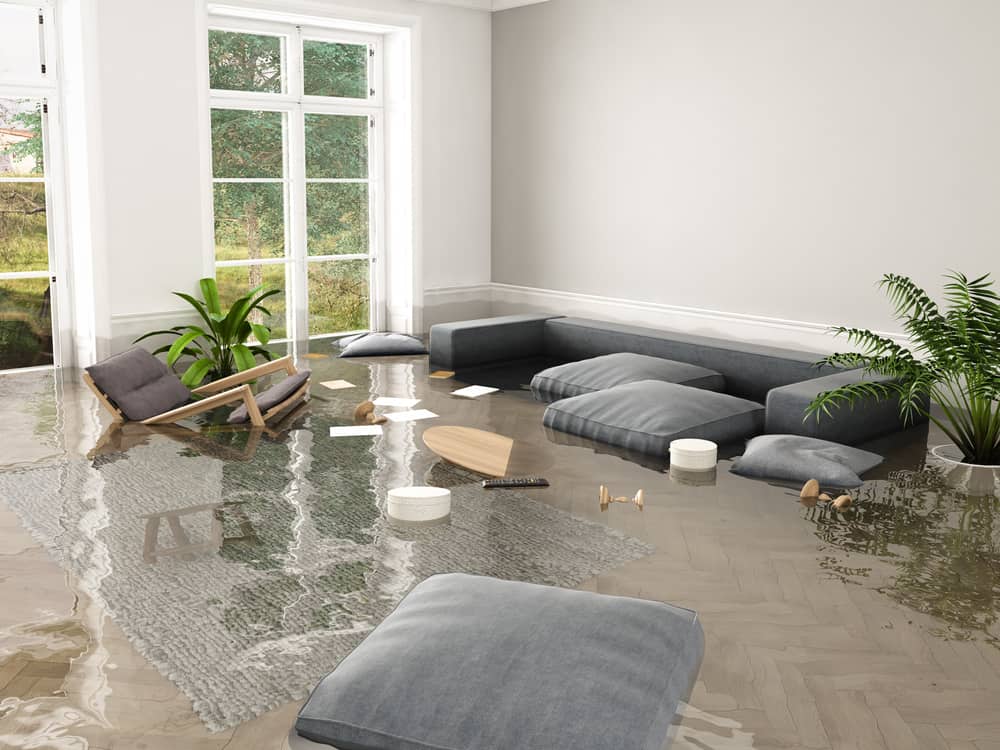
Water damage restoration in West Sayville covers a wider range of scenarios than most homeowners expect going in. Yes, there’s storm surge from the Great South Bay during hurricane season and nor’easters. But there’s also the slow groundwater intrusion that happens when the water table rises after a heavy rain in the southern sections of West Sayville closest to the bay. And there’s the burst pipe in a 70-year-old Cape Cod on a January night when temperatures drop and plumbing that was never designed for indefinite service finally gives out.
We handle all of it water extraction, structural drying, dehumidification, antimicrobial treatment, mold prevention, contents assessment, and full reconstruction when needed. If you’re running a home office out of your West Sayville home, which a notable share of residents here do, we understand that the disruption isn’t just to your living space. It’s to your work as well. We move efficiently and communicate clearly throughout so you’re not left guessing about timelines or next steps.
For homeowners in FEMA-designated flood zones within the Town of Islip, we’re familiar with the substantial improvement rule and how damage documentation affects your options under current floodplain regulations. Getting that documentation right from the start protects you both with your insurer and with the Town’s building department. That’s part of what we do, not an add-on.

Does homeowners insurance cover water damage in West Sayville, NY?
It depends entirely on the source of the water. Standard homeowners insurance covers sudden, accidental water damage from internal sources a burst pipe, a failed water heater, an appliance that overflows. What it does not cover is flooding. If water enters your West Sayville home from the outside storm surge from the Great South Bay, rising groundwater, or overland flooding that falls under flood insurance, which is a separate policy through the National Flood Insurance Program.
This distinction matters especially in West Sayville, where some homeowners carry both types of coverage because of the hamlet’s proximity to the bay and its position within or near FEMA-designated flood zones in the Town of Islip. The challenge after a water event is figuring out which policy applies to which damage, and documenting it correctly so neither claim gets denied. That’s where having a restoration company that works directly with insurance companies and understands how to separate and document flood damage from internal water damage makes a real difference. We handle that process for you.
How fast does mold start growing after a basement floods?
The EPA’s guidance is clear: mold can begin developing within 24 to 48 hours of water exposure under the right conditions. Microscopic growth often starts before you can see anything. By 48 to 72 hours, visible mold can appear on wet surfaces, especially in areas with limited airflow which describes most finished basements in West Sayville’s mid-century housing stock.
The reason this timeline is particularly relevant in West Sayville is that the hamlet’s elevated water table means moisture doesn’t always stop at the surface. Groundwater that seeps through a foundation wall or up through a basement floor slab can saturate wall framing, insulation, and subfloor materials without being immediately obvious. A surface cleanup with consumer-grade fans doesn’t reach that moisture. By the time you notice a musty smell weeks later, the mold is already established. Professional extraction and structural drying confirmed with moisture meters, not eyeballed is the only way to genuinely close that window.
How long does water damage restoration typically take in a West Sayville home?
For most residential water damage situations, the drying phase alone takes three to five days using professional-grade equipment. A moderate basement flood affecting a couple of rooms common in West Sayville after a significant storm or a burst pipe in an older home typically runs about three weeks from initial extraction through final repairs, depending on what the moisture assessment reveals inside the walls and subfloor.
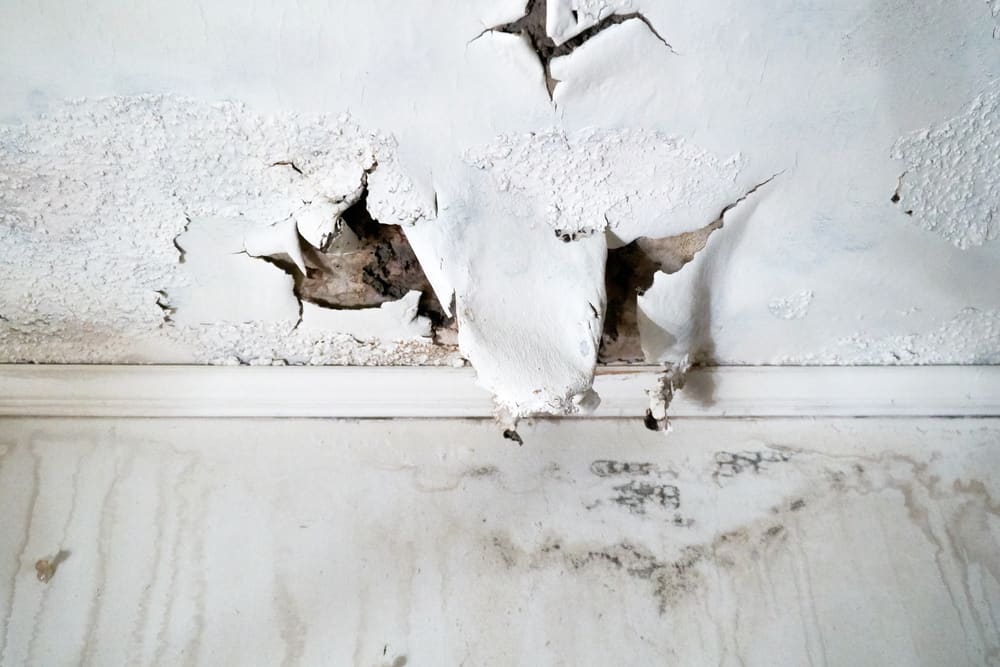
Where West Sayville properties can differ from the average is the age of the housing stock. In a 1955 Cape Cod or ranch-style home, water behaves differently than in newer construction. Plaster walls absorb and hold moisture longer than modern drywall. Original hardwood floors can warp and buckle in ways that affect the drying timeline and the repair scope. If the home is in a flood zone and the damage triggers permit requirements under the Town of Islip’s building department, that adds a documentation and approval step to the timeline as well. We factor all of that in from the beginning so there are no surprises mid-project.
What should I do immediately after my basement floods in West Sayville?
The first thing is to make sure it’s safe to enter. If there’s any chance the flooding is connected to storm surge or outside water intrusion, check that your electrical panel hasn’t been compromised before you walk into standing water. If the source is an internal one a burst pipe, a failed appliance shut off the water supply if you can locate the valve, and then call a restoration company immediately. Do not wait to see how it dries on its own.
In West Sayville specifically, the concern with waiting is the water table. If you’re in the southern part of the hamlet near the bay, groundwater pressure can continue pushing moisture into your foundation even after the initial event ends. What looks like it’s drying out on the surface may still be saturating structural materials from below. The 24 to 48 hour mold window starts from the moment water made contact with your home not from when you call for help. Getting a professional assessment on site quickly is the single most important thing you can do to limit both the damage and the remediation cost.
How do I know if my water damage is covered by my flood insurance policy?
Flood insurance through the NFIP covers direct physical loss caused by flooding specifically, water that comes from an external source and affects two or more acres or two or more properties, or water that overflows from a body of water like the Great South Bay. If storm surge from the bay entered your West Sayville home, or if rising groundwater flooded your basement during a major rain event, that’s the type of claim your flood policy is designed for.
Where homeowners run into trouble is the documentation. NFIP adjusters look for specific evidence that the damage was caused by a qualifying flood event, not by an internal plumbing failure or gradual water intrusion that would fall under your standard homeowners policy. If the documentation is incomplete or ambiguous, claims get delayed or denied. This is why having a restoration company that understands how to properly categorize and document water damage and who works directly with insurers matters so much in a bay-adjacent community like West Sayville. We know how to build the record that supports your claim from day one.
Can First Response Restoration & Cleaning handle both the cleanup and the repairs in West Sayville?
Yes and for most West Sayville homeowners, having one company handle the full scope from extraction through rebuild is significantly less stressful than coordinating separate contractors for each phase. Water damage restoration doesn’t end when the structure is dry. Depending on what the moisture assessment reveals, you may need drywall or plaster repair, flooring replacement, structural framing work, mold prevention treatment, or full reconstruction of affected areas.
In West Sayville’s older homes, repair work often involves materials and construction methods that differ from newer builds. Plaster walls, original hardwood floors, and older structural configurations require a level of familiarity that not every contractor brings to the job. First Response Restoration & Cleaning handles the complete process from the first emergency call through the final repairs with IICRC-certified technicians and a team that has been working in Suffolk County homes for nearly 30 years. If permits are required through the Town of Islip’s building department, we handle the documentation that supports that process as well. One call, one team, start to finish.
Useful Links
Other Services we provide in West Sayville