
Water Damage Restoration in Wyandanch, NY
Wyandanch's Aging Homes Need More Than Surface-Level Cleanup
Hear from Our Customers

Flood Restoration Services in Wyandanch
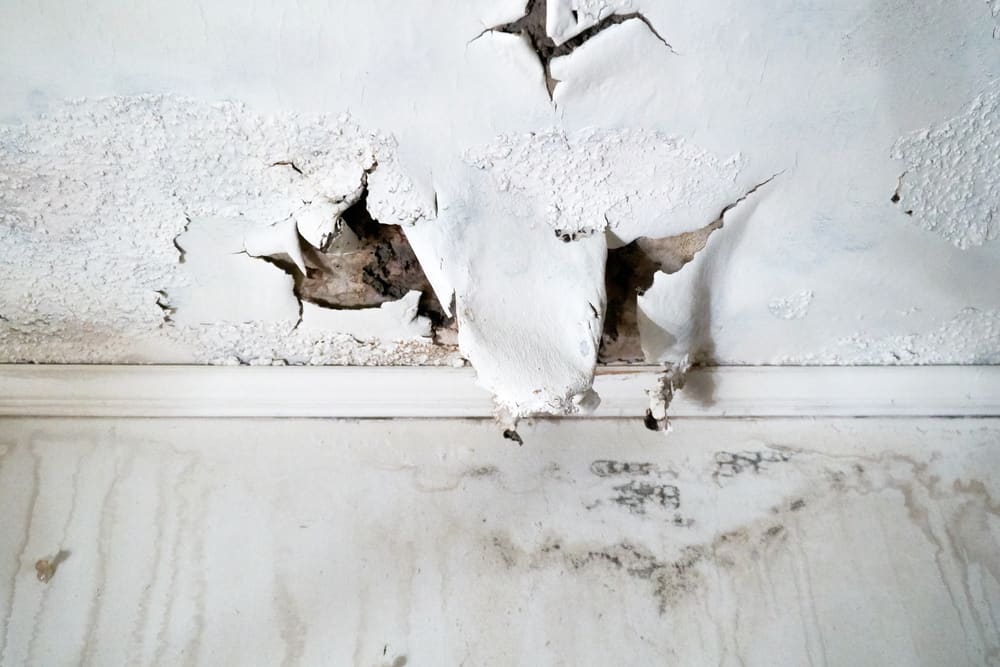
The real danger with water damage in Wyandanch isn’t always what you can see. It’s what’s sitting inside a concrete block foundation wall, wicking into subfloor framing, or hiding behind the drywall of a post-war ranch that was never built with modern moisture barriers.
When damage goes undetected, you’re not looking at a cleanup you’re looking at a mold remediation job weeks down the road and a much larger bill. Most of Wyandanch’s housing stock dates to the 1940s through 1960s. These homes were built well, but they weren’t built with today’s waterproofing standards. The plumbing is older, foundations have developed hairline cracks over decades, and insulation in exterior walls and unheated basements creates real freeze vulnerability every winter. A burst supply line or sump pump failure can saturate structural materials fast faster than a box fan or wet-vac can handle.
What you get with professional water damage restoration is the full picture. Industrial moisture meters map exactly where water traveled. Structural drying equipment pulls moisture out of spaces no consumer-grade tool can reach. When it’s done right, you’re not left wondering if something was missed because nothing was.
Residential Water Damage Repair in Wyandanch
First Response Restoration & Cleaning has been restoring homes across Suffolk County for nearly 30 years. That means our team has worked through the same nor’easters that flooded basements along Straight Path in Wyandanch, the same winter cold snaps that burst pipes in uninsulated crawlspaces, and the same summer storms that overwhelmed storm drains across the Town of Babylon.
We’re licensed, bonded, and insured. Every technician on our team is IICRC-certified the certification that insurance adjusters actually recognize when reviewing your claim. We’re not a franchise dispatched from somewhere else. Our Suffolk County number is a local number, our crews are local, and we’ve been serving Wyandanch and communities like it long before the revitalization along Straight Path brought new attention to this neighborhood.
When you call us, you’re getting people who know this area, know this housing stock, and know what it takes to get the job done correctly the first time.
24/7 Water Damage Restoration Process in Wyandanch
When you call First Response Restoration & Cleaning, someone answers. Around the clock, any day of the week. For Wyandanch residents, that means a crew coming from West Babylon, not from a distant dispatch center routing calls through a national system.
Once we’re on-site, we assess the full scope of damage not just what’s visible on the surface. We use moisture meters and thermal imaging to identify exactly where water has traveled inside your walls, under your floors, and into your structural materials. In Wyandanch’s older housing stock, this step matters more than most people realize. A 1950s hi-ranch or colonial can absorb and hide moisture in ways that newer construction simply doesn’t, and skipping a thorough assessment is how problems get missed.
After mapping the damage, we move into extraction and structural drying. Industrial-grade air movers and dehumidifiers run until moisture readings confirm everything is dry not just surface dry, but structurally dry. From there, we handle any necessary repairs and reconstruction, documenting everything for your insurance claim. Any work requiring a building permit in the Town of Babylon gets handled through the proper channels we’re familiar with what’s required and make sure nothing is cut short.

Ready to get started?
Burst Pipe and Basement Water Extraction in Wyandanch
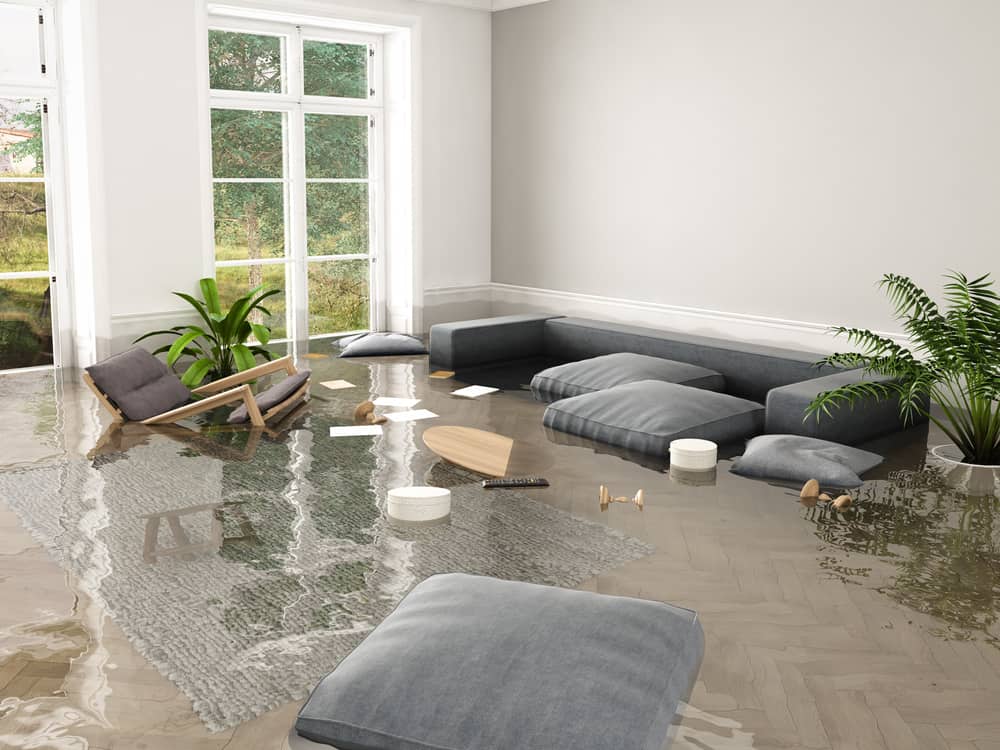
Water damage in Wyandanch shows up in a few predictable ways. Basement flooding from groundwater pressure after heavy rain or nor’easters is one of the most common calls we get from this area. Wyandanch sits just south of the Half Hollow terminal moraine, and when sustained rainfall saturates those sandy soils, the water table rises pushing against foundations that have been there for six decades. Storm drains in parts of the Town of Babylon can’t always keep up, and when they fall behind, basements pay the price.
Burst pipe water damage is the other major scenario, especially in winter. Wyandanch’s post-war Cape Cods and ranches frequently have pipes running through uninsulated exterior walls or unheated basements exactly the spots that freeze during a cold snap. When a supply line lets go, water moves through walls, under floors, and into structural cavities within hours.
We handle the full range: emergency water removal, flooded basement cleanup, structural drying and dehumidification, mold prevention treatment, and complete reconstruction where needed. We work directly with your insurance company documenting damage, communicating with your adjuster, and handling billing wherever coverage applies. If you’re uncertain whether your standard homeowner’s policy covers what happened, that’s a question we can help you work through from the initial assessment.

Does homeowners insurance cover basement flooding in Wyandanch, NY?
It depends on what caused the water to enter. Standard homeowners insurance typically covers sudden, accidental water damage a burst pipe, failed water heater, or washing machine overflow. What it does not cover is flooding caused by groundwater rising from outside, which requires a separate flood insurance policy through the National Flood Insurance Program.
This distinction matters a lot for Wyandanch homeowners. Because the hamlet is not in a FEMA-designated coastal flood zone, many residents don’t carry separate flood insurance. When the water table rises after heavy rain and water seeps through a foundation crack, that event may be classified as groundwater intrusion rather than accidental damage. How the damage is documented from the start has a direct impact on how the claim is evaluated. Our team documents everything in a format that insurance adjusters recognize, which gives your claim the best possible footing regardless of how coverage ultimately applies.
How quickly does mold start growing after water damage in my home?
Mold spores can begin germinating within 24 hours under the right conditions. Visible growth typically shows up within 48 to 72 hours, but microscopic growth has already started in any area that stayed wet. The EPA’s guidance is clear: water-damaged areas need to be dried within 24 to 48 hours to prevent mold from taking hold.
In Wyandanch’s older housing stock, this window is especially tight. Homes built in the 1940s through 1960s often have materials wood framing, plaster, older drywall that absorb moisture quickly and dry slowly without professional equipment. A consumer-grade fan running on a wet basement floor isn’t pulling moisture out of the concrete block wall behind it. That’s where the hidden problem develops. The faster you get professional drying equipment running, the smaller the mold risk and the lower the total cost of the job.
What should I do immediately after my basement floods in Wyandanch?
The first thing to check is safety. If there’s any chance water has reached electrical outlets, your breaker panel, or any wiring, don’t enter the space until power has been cut. Standing water and live electricity are a serious hazard.
Once it’s safe to enter, don’t run consumer appliances like shop-vacs or box fans and assume the job is done. Document everything with photos before you move anything this is important for your insurance claim. Then call a professional. In Wyandanch, where basements in older homes can absorb water into concrete block walls and subfloor framing within hours, the priority is getting extraction and drying equipment running as fast as possible. Every hour of delay increases how far moisture travels and how much structural material gets saturated.
How long does water damage restoration typically take in a Wyandanch home?
For most residential water damage situations, the drying phase alone takes three to five days with professional equipment running continuously. A full restoration from initial extraction through final repairs typically runs about two to three weeks for moderate damage affecting one or two rooms. More extensive damage involving structural materials, mold prevention treatment, or reconstruction can extend that timeline.
In Wyandanch’s post-war housing stock, the drying phase sometimes runs longer than it would in newer construction. Older concrete block foundations, original wood framing, and plaster walls retain moisture differently than modern materials. We use moisture meters throughout the process to confirm when structural drying is actually complete not just when things feel dry to the touch. The timeline we give you at the assessment is based on what we actually find, not a generic estimate.
Can I stay in my house during water damage restoration in Wyandanch?
In most cases, yes but it depends on the extent of damage and where it’s located. If the affected area is limited to a basement or a single room, and there’s no significant mold present, most families can remain in the home during the drying process. The equipment we run air movers, dehumidifiers is loud and will be operating continuously, but it’s not a safety hazard in unaffected parts of the house.
If the damage is extensive, if there’s sewage involvement, or if mold remediation is required, temporary relocation may be the safer and more practical option. We’ll be straightforward with you about this during the initial assessment. In Wyandanch, where many households are working families who can’t easily absorb the cost and disruption of a hotel stay, we try to structure the work in a way that minimizes the impact on your daily routine wherever it’s genuinely safe to do so.
Why does water damage restoration cost vary so much from one job to the next?
The range in cost comes down to how far water traveled, what materials it saturated, and how long it sat before professional drying started. Nationally, water damage restoration averages around $3,864, but the range runs from a few hundred dollars for a minor, caught-early event to well over $10,000 for extensive damage involving structural materials or mold remediation.
In Wyandanch, a few local factors tend to push jobs toward the more involved end of that range. Homes built in the 1940s through 1960s have older materials that absorb moisture faster and dry slower. Basement flooding from groundwater pressure a common scenario here after heavy rain often affects concrete block foundations that require more drying time than poured concrete. When a job sits unaddressed for more than 24 to 48 hours, the mold risk adds a remediation component that significantly increases the total scope. The free assessment we do at the start of every job gives you a clear picture of what you’re actually dealing with and what it’s going to take to resolve it properly before any work begins.
Useful Links
Other Services we provide in Wyandanch