
Mold Inspection in Cove Neck, NY
When Your Waterfront Estate Deserves More Than a Flashlight and a Guess

Hear from Our Customers
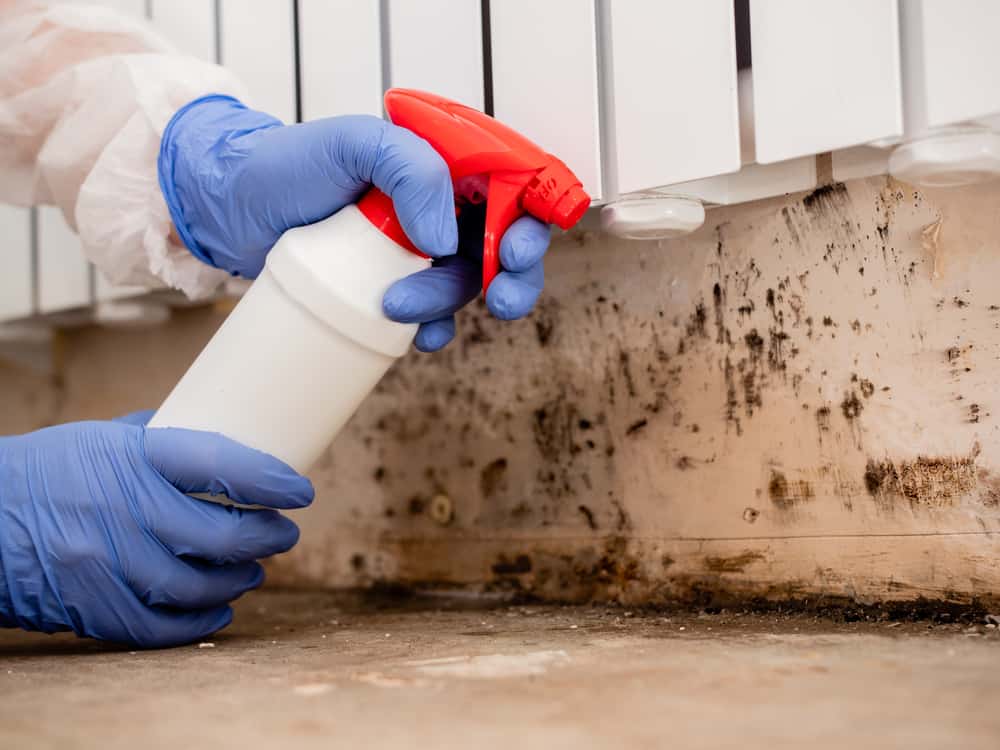
Residential Mold Inspection Cove Neck, NY
Most homeowners don’t call a mold inspector because they see mold. They call because something feels off a smell that won’t go away, a family member with symptoms that don’t make sense, or a basement that never quite dried out after last winter’s nor’easter pushed water off Oyster Bay Harbor. By the time you can see mold, it’s usually been growing behind your walls for a while.
A thorough mold inspection in Cove Neck, NY gives you a clear picture of what’s actually happening inside your home. Not a guess. Not a visual once-over. You get air sample data, surface swab results, moisture readings, and infrared scan findings all backed by a certified laboratory report that tells you exactly what species are present, where concentrations are elevated, and what needs to happen next.
For the estate homes along Sagamore Hill Road and throughout Cove Neck many of them built in the early-to-mid 20th century with original plaster walls, aging plumbing, and complex multi-structure footprints that level of documentation isn’t optional. It’s the only responsible way to know whether your property is clean or whether there’s a problem growing in a wall cavity that no one has looked at in decades. And if you’re buying or selling here, where median listing prices run well above three million dollars, a lab-backed report is the kind of evidence that holds up with attorneys, insurance adjusters, and everyone else at the table.
Licensed Mold Assessment Services Cove Neck, NY
We’ve been working on Long Island since 1994. That’s three decades of coastal storms, aging housing stock, and every mold scenario the North Shore can produce including the kind that hides behind original plaster in a 1920s estate home and doesn’t announce itself until it’s a serious problem. We know Cove Neck’s specific conditions: the ambient humidity rolling off Oyster Bay Harbor, the older building envelopes that line Sagamore Hill Road, and the seasonal vacancy patterns that leave properties vulnerable to hidden moisture damage.
We’re New York State Department of Labor licensed for both mold assessment and remediation under Article 32 the state law that governs who’s legally allowed to perform this work for compensation. Every technician on our team is IICRC-certified, not just the owner. The person who walks through your Cove Neck home, operates the infrared camera, and collects your air samples meets the same professional standard as our company itself.
Nassau County is covered through the 516-698-1776 line, and we’re familiar with the specific conditions that define mold risk in waterfront peninsula communities like Cove Neck the conditions that make accurate documentation non-negotiable.
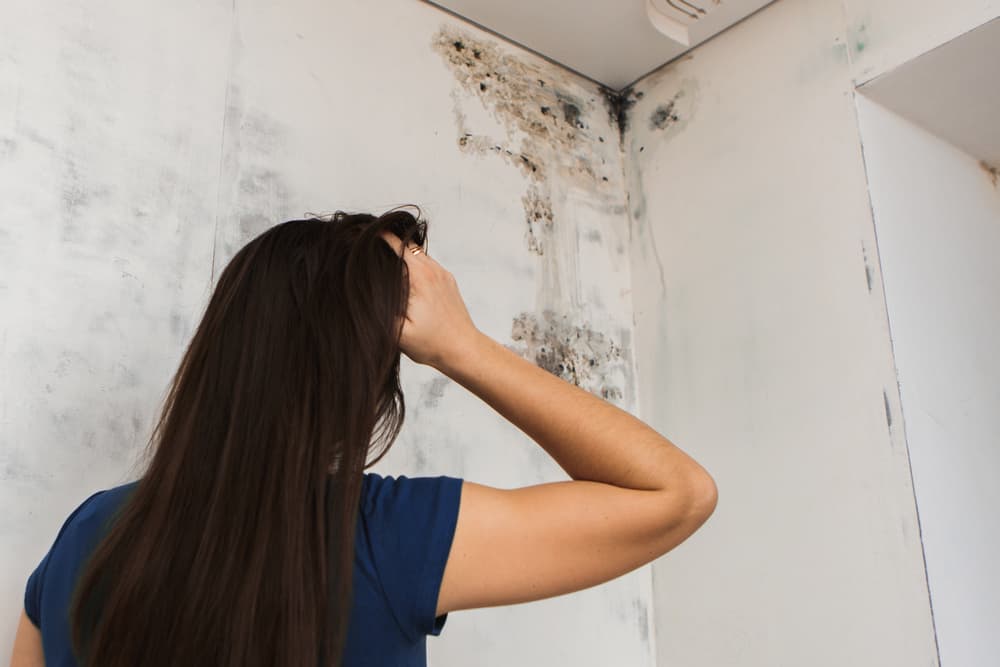
Professional Mold Detection Services Cove Neck, NY
The inspection starts before we open a wall. Air samples are collected from inside the home and compared against outdoor baseline samples taken at the same property because the ratio between indoor and outdoor mold spore concentrations is what actually tells you whether there’s an elevated problem inside. Surface swab samples are collected from any areas of visible concern. Then the moisture assessment begins.
Moisture meters measure the actual water content inside walls, floors, and ceilings the areas where mold grows long before it becomes visible. Infrared scanning goes a step further, detecting temperature differentials that indicate hidden moisture behind surfaces that would otherwise require destructive demolition to inspect. For a Cove Neck estate home with original 1920s or 1940s plaster-and-lath walls, a carriage house, a finished basement, or a pool house, infrared is often how the real problem gets found.
Everything collected goes to a certified laboratory. The written report you receive documents mold species, spore concentrations, moisture findings, and specific remediation recommendations formatted to be accepted by insurance adjusters, real estate attorneys, and health professionals. Under New York State Article 32, all mold assessment work performed for compensation requires a state license from the NYS Department of Labor. We hold that license. Any remediation work that follows the inspection would be coordinated with the Cove Neck Building Department, which administers permits for structural work within the village.
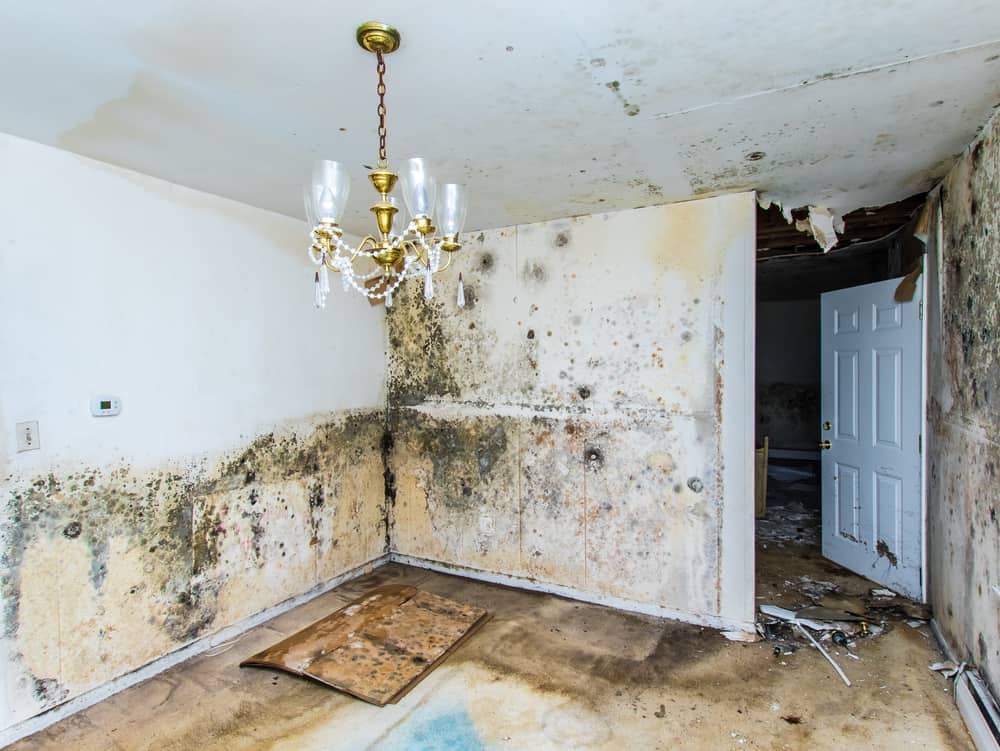
Ready to get started?
Indoor Air Quality Testing for Mold Cove Neck, NY
Cove Neck properties aren’t simple. A main residence, a carriage house, a guest cottage, a pool house each one is a separate building envelope with its own moisture exposure history, its own ventilation profile, and its own potential for hidden mold. Our mold inspection service is built to handle that complexity, not just walk through one room and call it done.
Our five-point protocol covers air testing, surface swab sampling, water intrusion assessment, moisture level measurement, and infrared scanning for hidden mold growth. Indoor air particle counts are compared against external baseline samples collected at your property. Photographic documentation is included throughout. The final written report includes laboratory results, identified mold species, moisture findings, and specific remediation recommendations not a generic action plan, but findings tied to what was actually found in your home.
For Cove Neck homeowners dealing with post-storm water intrusion off Oyster Bay Harbor, pre-purchase inspections on historic estate properties, or unexplained indoor air quality concerns in a home that’s been closed up for a season, this is the inspection that gives you real answers. If remediation is needed after the inspection, we handle that too same company, same team, no hand-off to a contractor who’s reading your report for the first time.
How much does a mold inspection cost in Cove Neck, NY?
The national average for a professional mold inspection runs between $300 and $1,000, with most residential inspections falling in the $400–$700 range depending on the size and complexity of the property. In Cove Neck, where estate homes often exceed 5,000 square feet and frequently include multiple structures a carriage house, a pool house, a finished basement the inspection scope is larger than a standard single-family home, and the cost reflects that. A thorough inspection of a complex, multi-structure property is going to take more time and more equipment than a walk-through of a 1,500-square-foot ranch.
What matters more than the inspection fee is what you’re protecting. At median listing prices above three million dollars, the cost of missing a mold problem in a wall cavity or an unfinished attic space far exceeds the cost of getting it right the first time. The inspection fee is a small line item relative to the financial exposure of buying or owning a property with an undiscovered mold problem.
What's the difference between a mold inspection and mold testing in Cove Neck?
These terms get used interchangeably, but they’re not the same thing. A mold inspection is the physical assessment a trained inspector evaluates the property for visible mold growth, moisture intrusion, water damage, and conditions that support mold development. Mold testing refers to the collection and laboratory analysis of samples air samples, surface swabs, or bulk material samples that identify what mold species are present and at what concentrations.
A complete mold inspection in Cove Neck, NY includes both. The physical inspection tells you where to look. The testing tells you what’s actually there and whether indoor concentrations are elevated compared to outdoor baseline levels. For older estate homes in this village many with original plaster walls, slate roofing, and building systems that have never been fully updated relying on a visual inspection alone is not enough. Hidden moisture and mold inside wall cavities won’t show up without air sampling and infrared scanning.
Can mold grow in a Cove Neck home that looks completely fine inside?
Yes, and it happens more often than most homeowners expect. Mold doesn’t need to be visible to be a problem. It grows inside wall cavities, under flooring, in attic insulation, behind plaster, and in HVAC systems areas that are completely invisible during a normal walkthrough. In Cove Neck, where homes sit on a tidal peninsula surrounded by Oyster Bay Harbor, the ambient humidity levels are consistently higher than inland Nassau County communities. When indoor humidity exceeds 60%, mold can begin colonizing a surface in as little as 24 to 48 hours.
Older estate homes in the village compound this risk. Original plaster-and-lath walls, aging roof systems, and plumbing that has been patched over generations all create opportunities for slow, hidden moisture intrusion that never produces a visible stain but absolutely produces mold growth. Properties that sit vacant for months which is not uncommon in a community where the median age is over 53 and some residents split time between multiple homes are particularly vulnerable. A slow plumbing drip or a failed dehumidifier in a closed-up home can create a serious mold problem before anyone returns to notice it.
Do I need a mold inspection before buying a home in Cove Neck, NY?
It’s not legally required, but it’s one of the more important steps you can take before closing on a property here. Cove Neck homes sell quickly when they come to market and at prices that leave very little room for a surprise remediation bill after the deal is done. A mold problem discovered after closing on a multi-million-dollar estate is not a minor inconvenience. Depending on the scope, remediation costs can range from a few thousand dollars for a contained issue to well over $20,000 for extensive mold in a large, complex structure.
A pre-purchase mold inspection gives you laboratory-verified documentation of the property’s actual condition not a seller’s disclosure, not an assumption, but real data. If mold is found, you have the information you need to negotiate remediation costs before closing or walk away from a problem you didn’t create. Your real estate attorney will also appreciate having a professionally formatted, lab-backed report that holds up to scrutiny if the findings become part of the transaction conversation.
How does waterfront exposure affect mold risk in Cove Neck homes?
Significantly. Cove Neck is a peninsula with its northeast and west boundaries directly on the waters of Oyster Bay Harbor. That geography means the community experiences elevated ambient humidity year-round compared to inland Nassau County towns. Salt-laden air penetrates building envelopes more aggressively than dry inland air particularly in older structures with original windows, aging exterior cladding, and wood framing that has absorbed decades of moisture cycling.
During Long Island’s summer months, ambient humidity on Oyster Bay Harbor regularly exceeds 70 to 80 percent. Air conditioning systems that are undersized, poorly maintained, or that have drain pan issues become mold incubators in those conditions. After a nor’easter or a significant coastal storm, water intrusion from storm surge or tidal flooding that isn’t fully dried within 24 to 72 hours will produce mold growth in wall assemblies, subfloor systems, and HVAC ductwork. The village building code’s requirement that habitable floors be elevated at least 12 feet above mean sea level exists precisely because Cove Neck’s proximity to tidal water is a known structural risk and mold is one of the most direct consequences of that exposure.
What happens if mold is found during the inspection what comes next?
The inspection report will document exactly what was found mold species, spore concentrations, affected areas, moisture sources, and specific remediation recommendations. From there, you have a clear picture of the scope and can make an informed decision about next steps. If remediation is needed, we handle that as well, so you’re not starting over with a new contractor who’s reading your report for the first time and interpreting it their own way.
Under New York State Article 32, mold remediation performed for compensation requires a separate NYS Department of Labor license and we hold both the assessor and remediator license. That matters because some companies in Nassau County will perform the inspection and then refer you to an unlicensed remediation crew, which creates liability exposure for the homeowner. Any structural remediation work in Cove Neck opening wall cavities, replacing drywall, modifying HVAC components would also require coordination with the Cove Neck Building Department for applicable permits. We’re familiar with that process and can help you understand what’s required before work begins.
Useful Links
Other Services we provide in Cove Neck