
Mold Inspection in Glen Head, NY
Glen Head's Older Homes Keep Secrets Let's Find Them

Hear from Our Customers
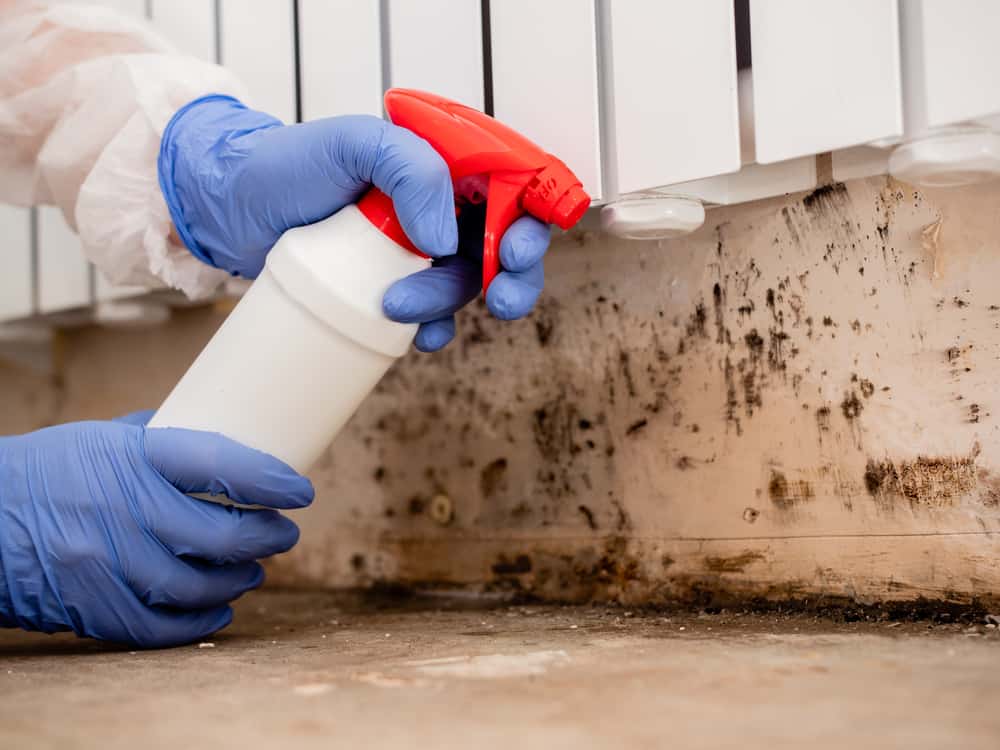
Home Mold Testing in Glen Head, NY
There’s a difference between suspecting a problem and knowing exactly what you’re dealing with. After a thorough mold inspection, you walk away with lab-verified results, a written report, and a clear understanding of what’s happening inside your home not a verbal opinion and a handshake.
For Glen Head homeowners, that clarity matters more than most people realize. The majority of homes in this area were built in the 1940s, before moisture barriers and modern ventilation standards existed. Block foundations, original wood framing, and decades of Long Island humidity create the exact conditions where mold takes hold quietly and spreads without any obvious signs. You might smell something in the basement and assume it’s just age. It might be something more.
Glen Cove Creek runs directly through Glen Head, and properties near that corridor face real groundwater pressure especially after heavy rain or spring snowmelt. Add in the mature tree canopy that blocks sunlight on north-facing roofs and keeps gutters full of debris, and you’ve got a community where moisture problems are common and often go undetected for years. A professional mold inspection in Glen Head, NY tells you what’s actually there so you can deal with it before it deals with you.
Mold Inspection Company in Glen Head, NY
We’ve been serving Nassau and Suffolk County for over three decades. That’s not a marketing number it means we’ve inspected and remediated mold in homes throughout Nassau County’s North Shore, including the same 1940s-era construction that defines Glen Head. We know what aging block foundations do in wet seasons. We know what happens to original attic insulation after 80 years of Long Island humidity. We’ve seen it in hundreds of homes across this county.
Every technician on our team is IICRC-certified. We hold the required New York State Department of Labor licenses for both mold assessment and mold remediation under Article 32 of the NY Labor Law mandatory in this state since 2016. We’re fully licensed, bonded, and insured.
We’re not a national franchise that added Long Island to a service map. We’re a locally operated company with dedicated Nassau County coverage, and we’ve built our reputation one inspection at a time across communities just like Glen Head.
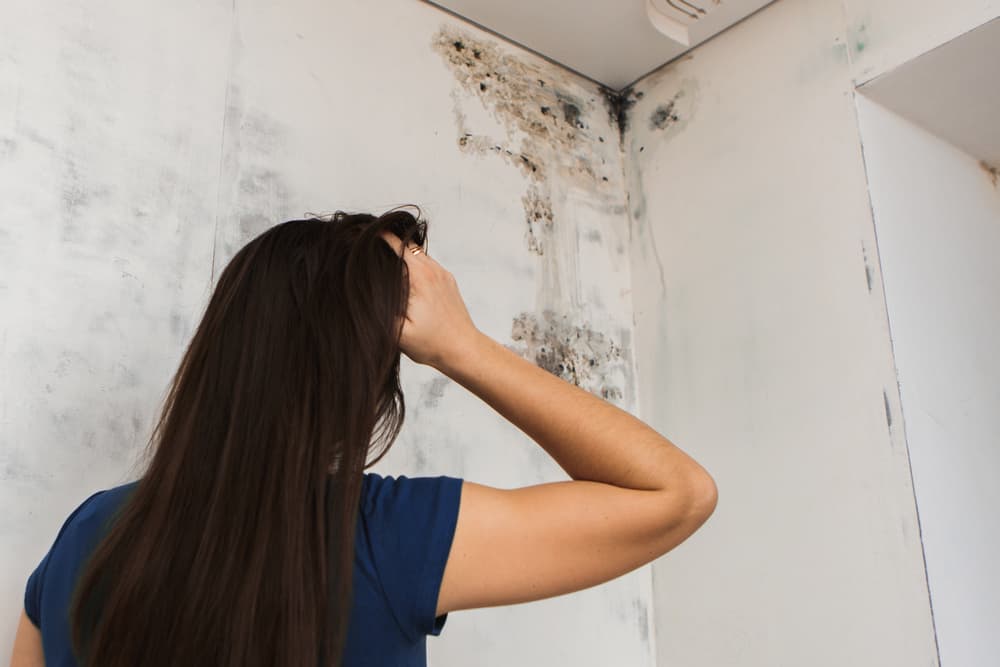
Professional Mold Inspector in Glen Head, NY
When we arrive at your Glen Head home, we’re not doing a quick walkthrough and calling it done. The inspection follows a structured five-point protocol designed to find mold wherever it’s hiding not just where it’s visible.
We start with air testing and surface swab sampling, which go directly to a certified laboratory for analysis. At the same time, we conduct a full water intrusion inspection and measure moisture levels throughout the home walls, floors, attic, basement, anywhere moisture can accumulate. We also use infrared thermal imaging to detect temperature differentials inside wall cavities and behind surfaces, which is how we find mold that no visual inspection would ever catch. In a community with Glen Head’s wooded terrain and aging housing stock, that technology isn’t optional it’s how you get a complete answer.
Once the lab results come back, you receive a detailed written report that includes mold species identification, spore concentration levels, an internal versus external air particle comparison, photographs of mold sources, and specific remediation recommendations. This is the documentation that holds up with insurance adjusters, real estate attorneys, and physicians not a verbal summary. New York State requires licensed mold assessors for this work, and every report we produce meets that standard. If the inspection reveals a problem, our team handles remediation and full restoration under the same roof, so you’re not starting over with a new company.
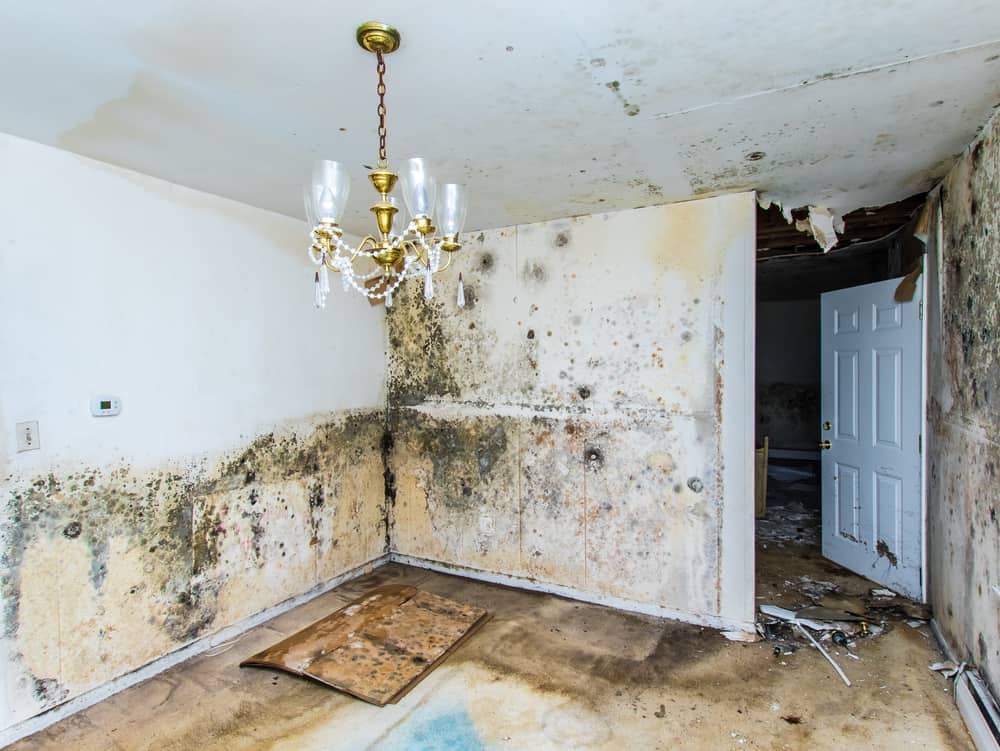
Ready to get started?
Residential Mold Inspection in Glen Head, NY
A mold inspection in Glen Head, NY covers the areas where moisture problems are most likely to develop given the local housing stock and geography. That means basements with block or stone foundations, attic spaces with original or partially updated insulation, HVAC systems that have been retrofitted over the decades, bathroom tile and plumbing connections, and any area of the home that sits near the Glen Cove Creek corridor or under heavy tree canopy.
Every inspection includes air testing, surface swab sampling, moisture level measurement, water intrusion assessment, infrared thermal imaging, and a certified lab report with written findings. We also compare internal and external air particle levels a step that’s often skipped by lower-cost providers but is essential for understanding whether what’s inside your home is actually elevated above what’s naturally present outside.
For homeowners navigating a real estate transaction in Glen Head where median home values exceed $851,000 and closings move fast we understand that turnaround time matters. We schedule promptly and deliver results that your real estate attorney or insurance adjuster can actually use. We also serve commercial properties in the area, and for any remediation work that involves structural modification, we can advise on what the Town of Oyster Bay’s building department may require in terms of permits. The goal is that you leave this process with a complete, documented picture not more questions than you started with.
How do I know if my Glen Head home actually has a mold problem?
The honest answer is that you often can’t tell without testing. A musty smell in the basement is one signal, but mold in Glen Head homes frequently grows in places you’d never think to look inside wall cavities, beneath attic insulation, behind bathroom tile, and in HVAC ductwork. Because most homes in this area were built in the 1940s, before modern moisture barriers existed, the construction itself creates conditions where moisture can accumulate quietly over years without any visible sign on the surface.
Symptoms like chronic allergy flare-ups, unexplained respiratory irritation, or a smell that comes and goes with humidity are common reasons homeowners reach out. But so is a recent water event a basement that took on water after a nor’easter, a slow pipe leak, or ice dam damage in the attic. If any of those situations apply to your home, a professional mold inspection in Glen Head, NY is the only way to get a definitive answer backed by certified lab results.
What does a mold inspection cost in Glen Head, NY?
Nationally, professional mold inspections typically run between $300 and $1,000, with the average landing around $670. What you pay in Glen Head depends on the size of the home, how many areas need to be tested, and whether additional sampling is warranted based on what we find during the initial walkthrough.
What’s worth understanding is what you’re actually getting for that cost. A certified lab report, infrared thermal imaging, air and surface sampling, moisture measurement, and a written remediation plan that’s a very different product than a basic visual assessment or a DIY kit from a hardware store. At Glen Head’s median home values, the inspection cost is a small fraction of what an undetected mold problem can cost to remediate, which can run anywhere from $1,150 to $20,000 depending on severity. The inspection isn’t the expense skipping it is.
Does homeowners insurance cover mold remediation in Glen Head?
It depends on the cause. Most homeowners insurance policies in New York will cover mold remediation if the mold resulted directly from a covered water damage event a burst pipe, an appliance failure, or storm-related water intrusion. What they typically won’t cover is mold that developed from long-term neglect, gradual seepage, or maintenance issues that weren’t addressed.
This is where the inspection documentation becomes critical. Insurance adjusters need a licensed mold assessor’s report not a verbal opinion to process a claim. The report needs to establish the mold’s presence, the likely source, and the scope of the problem. Because many Glen Head homes sit near the Glen Cove Creek corridor or deal with seasonal groundwater pressure against aging foundations, there are situations where the source of moisture isn’t immediately obvious. A thorough inspection creates the paper trail your adjuster needs to evaluate coverage accurately. We produce reports that meet New York State’s Article 32 standards and are structured to hold up in the insurance process.
Should I get a mold inspection before buying a home in Glen Head?
Yes and at Glen Head’s price point, it’s one of the most straightforward due diligence decisions you can make. The average home in this area sells for well over $850,000, and many properties in the ZIP code 11545 mailing area which also covers Old Brookville, Brookville, and Roslyn Harbor are pushing into the seven figures. A mold problem discovered after closing can cost thousands to tens of thousands of dollars to remediate, and it’s not always covered by insurance if the source is pre-existing.
A general home inspector is not a mold assessor. They may note visible staining or flag a moisture concern, but they’re not equipped to conduct air sampling, run lab analysis, or produce the kind of certified report that carries legal weight. A dedicated mold inspection in Glen Head, NY before you close gives you actual data and if the results show a problem, you have documented leverage to negotiate or walk away. In a market where bidding moves fast, having that information early matters.
What types of mold are most common in Glen Head homes?
The most frequently identified molds in Long Island homes include Cladosporium, Penicillium, Aspergillus, and Stachybotrys chartarum the last of which is commonly referred to as black mold and is associated with chronic moisture exposure. In Glen Head specifically, the combination of Long Island Sound humidity, aging 1940s construction, and wooded lots that limit sunlight on north-facing surfaces creates favorable conditions for several of these species.
Black mold testing in Glen Head, NY is one of the more common requests we receive, often triggered by a visible dark staining in a basement or bathroom. But the species that’s actually present can only be confirmed through lab analysis visual identification alone isn’t reliable. Different mold types also require different remediation approaches, which is another reason why a certified lab report matters. The report tells you exactly what you’re dealing with, not just that “there’s mold.”
How long does a mold inspection take, and when will I get results?
The on-site inspection typically takes two to four hours for a standard single-family home, though larger properties or homes with multiple areas of concern may take longer. During that time, we conduct the full five-point protocol air sampling, surface swabs, moisture readings, water intrusion assessment, and infrared scanning. We don’t rush through it, because the point is to find what’s actually there, not to get in and out quickly.
Samples go to a certified laboratory immediately after collection. Lab turnaround is generally 24 to 48 hours, and once results are in, we compile the full written report including findings, photos, species identification, and remediation recommendations. For Glen Head homeowners on a real estate timeline, we understand that speed matters, and we schedule and communicate with that in mind. If you’re working toward a closing date on a North Shore home, let us know upfront and we’ll do everything we can to make the timeline work.
Useful Links
Other Services we provide in Glen Head