

Hear from Our Customers
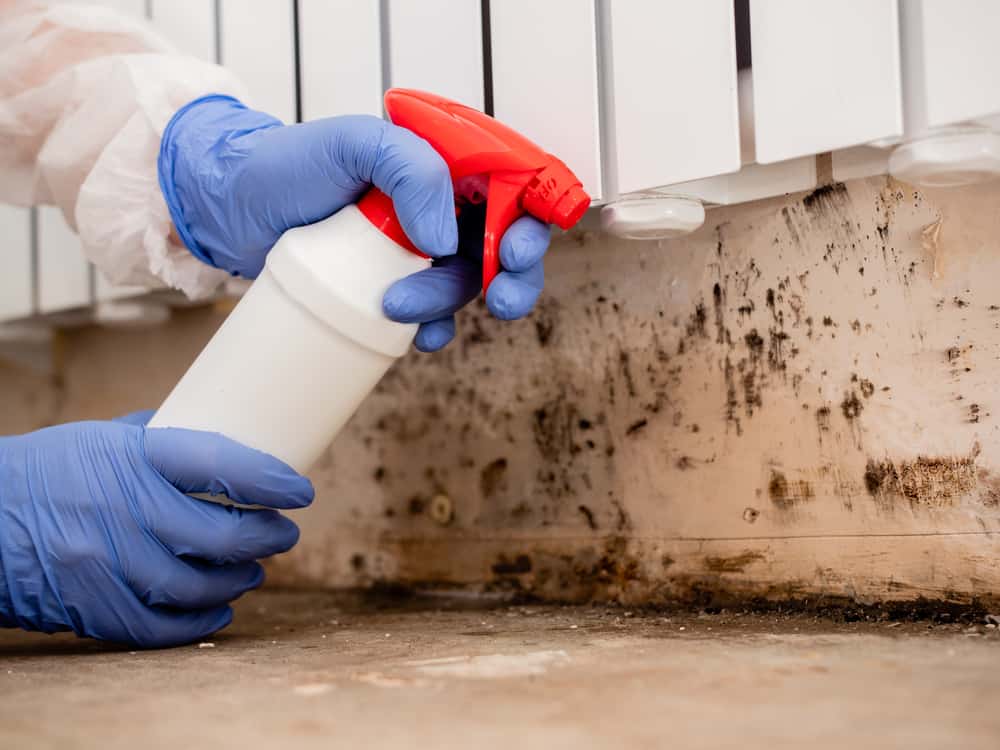
Most people call about mold because something feels wrong — a smell they can’t trace, a spot they noticed behind the water heater, a family member who keeps getting sick. What they want is a straight answer. Not a guess, not a sales pitch. Just the truth about what’s in their home.
That’s exactly what a certified mold inspection delivers. You get air samples, surface swab results, moisture readings, and infrared scans that show what’s hiding behind finished walls and under subfloors — the places a flashlight and a visual walkthrough will never reach. The written report that comes out of it includes certified lab results, mold species identification, and specific remediation recommendations. It’s documentation your insurance adjuster, real estate attorney, or doctor can actually use.
For Lakeview homeowners specifically, this matters more than most people realize. The elevated water table adjacent to Hempstead Lake creates persistent basement moisture that doesn’t announce itself. It seeps slowly through original slab construction — the kind found in the post-war homes that make up most of this hamlet — and feeds mold growth that can go undetected for months or years. Add in the storm flooding history along the Southern State Parkway corridor and the older attic ventilation systems common in homes built in the 1950s and 60s, and you’ve got a property that carries real, measurable risk. Knowing what’s there — with lab results to back it up — is the only way to protect a home worth $570,000 or more.
We’ve been serving Long Island homeowners for over three decades. That’s not a number we throw around to sound impressive — it means we’ve been in Lakeview basements, attics, and crawl spaces long enough to know exactly what older homes in this hamlet are up against.
Owner Richard Peterson holds his New York State mold assessor and mold contractor licenses personally — not just the company. Every technician on our staff is IICRC-certified, which means the person who shows up at your door has the same credentials as the person who runs the business. We’re licensed, bonded, and fully insured, and we carry dedicated lines for Nassau County (516-698-1776) and Suffolk County (631-587-5300).
We’ve worked throughout the Town of Hempstead for years. We know the housing stock in Lakeview, the seasonal flooding patterns near Hempstead Lake, and what post-war construction looks like when moisture has been working on it quietly for decades. When we write a report, it’s based on what we actually found — because our remediation reputation depends on our inspection being honest.
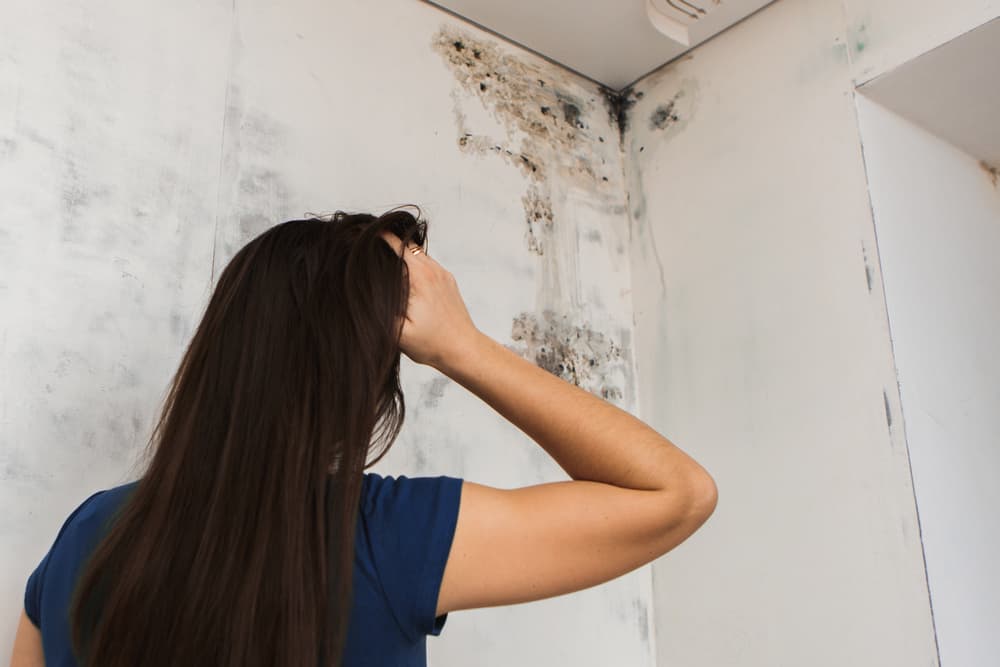
When you call, we schedule a certified technician to come to your Lakeview home — often same-day or next-day, and always available around the clock if the situation is urgent. The inspection starts with a full walkthrough of the property, with particular attention to the areas that carry the highest risk in this area: basements, crawl spaces, attics, and anywhere water has been or could be getting in.
From there, we collect air samples and surface swab samples, measure moisture levels throughout the home, and run infrared scans to detect heat and moisture signatures behind walls and under floors that aren’t visible to the naked eye. We also compare your indoor air particle counts to outdoor baseline levels — that comparison is what tells us whether your indoor air quality is actually elevated, not just whether mold is present somewhere in the building.
All samples go to a certified laboratory. When the results come back, we put together a written report that includes the lab findings, photographs of mold sources, moisture readings, and a clear remediation recommendation if one is needed. In Lakeview, where older homes often have original attic construction and basements that have dealt with decades of seasonal water pressure from the lake-adjacent water table, that report frequently uncovers things that weren’t visible on the surface. That’s the point — you deserve to know what’s actually there, not just what someone could see with their eyes.
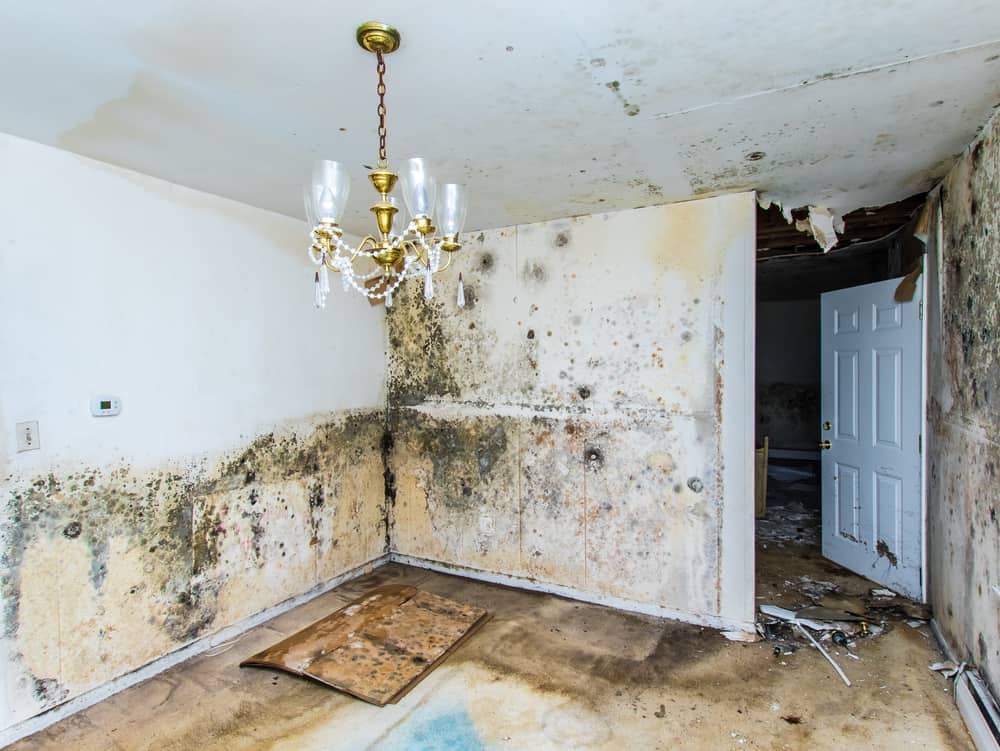
Ready to get started?
New York State requires all mold assessors and mold contractors to hold a license under Article 32 of the Labor Law — a requirement that’s been in place since January 1, 2016. Fines for unlicensed mold work reach $10,000, and reports from unlicensed contractors carry no legal standing with insurance companies or in real estate disputes. Every inspection we conduct is performed by a state-licensed assessor, which means the report you receive is legally defensible and professionally credible.
The inspection itself covers five core areas: air quality testing, surface swab sampling, water intrusion assessment, moisture level measurement, and infrared technology scanning for hidden mold. We photograph mold sources, document the findings in detail, and run the internal-versus-external air comparison that establishes whether your home’s air quality is genuinely elevated above the outdoor baseline. That comparison matters — it’s what separates a professional mold assessment from a test kit you buy at the hardware store.
For Lakeview homes, the two areas we pay closest attention to are the basement and the attic. Basement mold in this hamlet is frequently driven by the high water table near Hempstead Lake, foundation seepage, and sump pump failures during heavy storms. Attic mold in post-war homes typically comes from inadequate ventilation, roof leaks, or bathroom exhaust fans that were never vented to the outside. Both are common. Both are treatable. And both are the kind of thing you want documented before you’re in the middle of a real estate transaction or a health conversation with your doctor.
The national average for a professional mold inspection runs around $670, with most homeowners paying somewhere between $300 and $1,000 depending on the size of the home, the number of samples collected, and how complex the inspection is. For a Lakeview home — which often means a post-war split-level or Cape Cod with a full basement and an older attic — expect to fall somewhere in that mid-range, particularly if the inspection includes infrared scanning and multiple air and surface samples.
What’s worth keeping in mind is the cost comparison. If mold goes undetected and spreads, remediation can run anywhere from $1,150 on the low end to $20,000 or more for an advanced case. In a community where median home values have reached $570,000 and renovated homes regularly sell for $800,000 or more, the cost of a thorough inspection is a small number relative to what it protects. We’ll tell you upfront what the inspection covers and what it costs — no surprises.
If you’re buying a post-war home in Lakeview — and the vast majority of homes in this hamlet were built in the 1940s through the 1960s — a mold inspection before closing is one of the smartest things you can do. Standard home inspectors look for visible signs of moisture and damage, but they’re not collecting air samples or running infrared scans. They can flag a concern. They can’t tell you what species of mold is present, what the spore concentration is, or whether your indoor air quality is elevated above the outdoor baseline.
If your home inspector noted moisture, staining, or a musty smell, that’s your signal to bring in a certified mold assessor before you sign anything. We work on real estate timelines — we can schedule the inspection, send samples to the lab, and deliver a written report with results in time for your closing. For a $650,000 home in the Malverne School District, that report gives you negotiating power, peace of mind, or a clear reason to walk away if the findings are serious.
As soon as possible — and that’s not an exaggeration. Mold can begin growing in as little as 24 to 48 hours when indoor humidity exceeds 60%, and 90% of water damage jobs that aren’t properly dried within 72 hours will develop mold growth. Lakeview’s position adjacent to Hempstead Lake and its low-lying geography mean that storm flooding here can be significant, and the aftermath moves fast.
If your basement took on water — whether from a nor’easter, a heavy rain event, or a sump pump failure — the clock is already running. We’re available 24 hours a day, 7 days a week, and we can dispatch a certified technician immediately. Even if the basement looks dry now, moisture can be trapped inside wall cavities, under subflooring, and behind finished surfaces where it continues feeding mold growth invisibly. An inspection with infrared scanning is the only way to know what’s actually happening behind what you can see.
“Black mold” is a term that gets used loosely, and it causes a lot of unnecessary panic — but it also gets dismissed too quickly, which is the other problem. The mold species people typically mean when they say “black mold” is Stachybotrys chartarum, which can produce mycotoxins and is associated with serious health effects in prolonged exposure situations. However, not every dark-colored mold is Stachybotrys, and not every mold problem involves toxic species.
The only way to know what you’re dealing with is laboratory analysis. A surface swab or air sample sent to a certified lab will identify the species present and give you actual data — not a guess based on color. If you’re seeing dark spots in a Lakeview home, especially in a basement that’s had moisture issues or an attic with poor ventilation, don’t ignore it and don’t assume the worst without testing. Get the inspection, get the lab results, and then make decisions based on what’s actually there.
Yes — and in Lakeview’s older housing stock, attic mold without an obvious leak is more common than most homeowners expect. The most frequent cause isn’t a roof failure. It’s inadequate ventilation. Post-war homes in the Town of Hempstead were often built with attic ventilation that doesn’t meet current standards, and bathroom exhaust fans in many of these homes were vented directly into the attic space rather than through the roof to the outside. That means warm, humid air from showers and cooking rises into the attic and condenses on the cold roof sheathing — which is exactly the environment mold needs.
Long Island’s seasonal humidity compounds the problem. During the warmer months, the combination of coastal air and the lake-adjacent microclimate around Hempstead Lake means indoor humidity stays elevated in homes without adequate dehumidification or ventilation. Attic mold in these conditions can develop slowly over years before it’s ever noticed, often discovered only when a contractor goes up for an unrelated repair or when a home inspector flags staining during a pre-sale walkthrough. An attic mold inspection with air sampling and infrared scanning is the only way to know for sure.
Both — and that’s a meaningful distinction worth understanding before you hire anyone. Many inspection-only companies will find mold, hand you a report, and leave you to find a separate remediation contractor who has never seen your home. That handoff creates gaps: miscommunication, inconsistent documentation, and remediation work that isn’t grounded in the same findings the inspector produced.
We handle the full process under one roof. Certified inspection, lab analysis, written reporting, full mold remediation, and complete property restoration — all from the same company, with the same documentation trail from start to finish. For Lakeview homeowners dealing with a post-storm basement or a pre-closing inspection flag, that continuity matters. It also addresses the concern some homeowners have about a company that does both having a financial incentive to find problems. We’ve been building our remediation reputation on Long Island for 31 years, and that reputation depends entirely on our inspections being accurate and honest. A false positive doesn’t help us — it costs us. What you get is a straight assessment, documented with lab results, and a clear path forward if remediation is actually needed.
Useful Links
Other Services we provide in Lakeview