

Hear from Our Customers
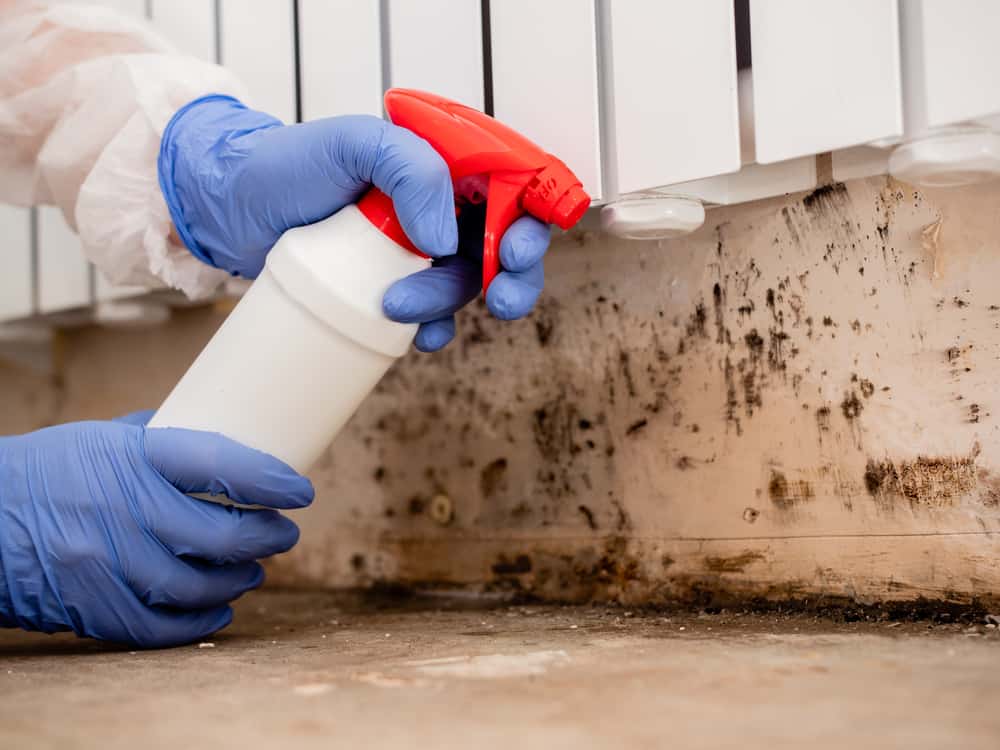
More than 44% of homes in Locust Valley were built before the 1940s. That means original plaster walls, aging pipe systems, stone foundations, and ventilation that was never designed to handle modern humidity levels. Mold doesn’t need a flood to get started — it just needs the right conditions, and older North Shore homes in Locust Valley create those conditions quietly, behind walls you never think to check.
What you get after our thorough mold inspection isn’t just a report. It’s clarity. You know whether the musty smell in the basement is surface-level or something that’s been spreading inside the wall cavity for two years. You know whether the attic above that 1930s addition in your Locust Valley home is clean or colonized. And if you’re buying a home here, you know exactly what you’re walking into before the papers are signed.
Long Island’s proximity to Long Island Sound keeps ambient humidity elevated through the summer, and older homes in this area don’t shed moisture the way newer construction does. That combination — historic building materials plus consistent coastal humidity — is exactly why hidden mold is more common in Locust Valley than most homeowners expect. Getting ahead of it is always less expensive than discovering it after the fact.
We’ve been working in Nassau County homes for over three decades. That’s not a marketing number — it’s the difference between a technician who’s seen one type of home and one who’s inspected everything from Gold Coast estates in Lattingtown to pre-war colonials right in the Locust Valley hamlet center. This area’s housing stock is genuinely different from the rest of Nassau County, and the inspection process needs to reflect that.
Every technician we send is IICRC-certified — not just the owner, every person on the job. Our owner, Richard Peterson, holds personal NYS DOL licensure in both mold assessment and mold remediation, which is a legal requirement under Article 32 of the NY Labor Law that not every company serving Locust Valley can actually confirm. We’re licensed, bonded, insured, and based right here on Long Island. When you call our Nassau County line at 516-698-1776, you’re reaching a real local company — not a call center.
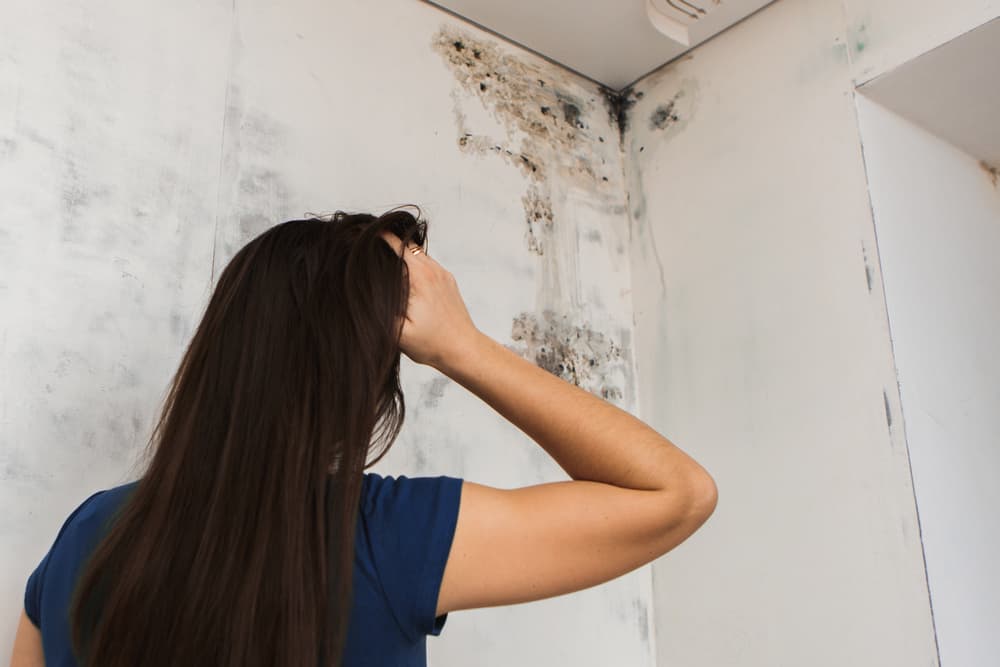
The inspection starts before we touch a single wall. We do a full water intrusion walkthrough first — looking at the areas where moisture typically enters older North Shore homes: rooflines, foundation walls, basement perimeters, and any areas that show signs of past water events. In a home built in the 1930s or 1940s in Locust Valley, that history matters. We’re not just looking at what’s visible today; we’re reading the building for patterns.
From there, we take air samples from inside the home and compare them to outdoor baseline readings. We also collect surface swab samples from any areas showing visible discoloration or growth, and we use infrared technology to scan wall cavities, ceilings, and floors for temperature differentials that indicate hidden moisture. In a large estate property or a home with complex rooflines — which is common in and around Locust Valley — this step is what separates a real inspection from a visual walkthrough. Moisture hides in places that cameras and eyes can’t reach.
All samples go to a certified third-party laboratory. You get a written report with the lab results, species identification, spore concentration levels, a comparison of internal versus external air quality, photographs of every identified source, and specific remediation recommendations. That report is what your real estate attorney, insurance adjuster, or lender will actually accept — and it’s included as a standard part of every inspection we do.
Ready to get started?
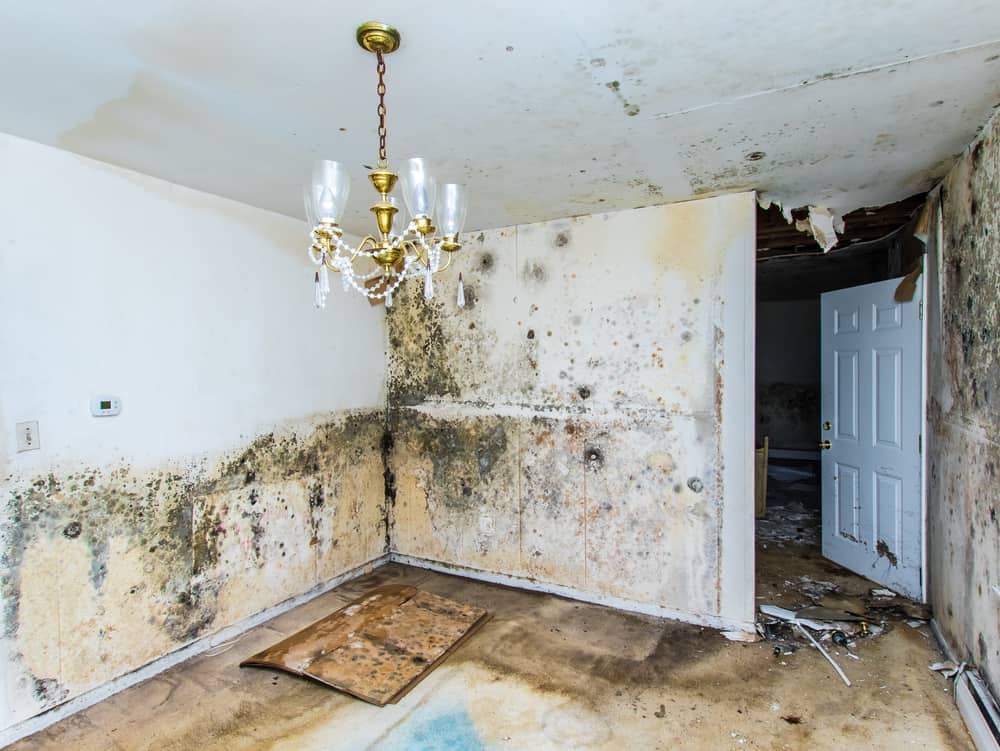
Our mold inspection in Locust Valley, NY covers more ground than most homeowners expect. Beyond the visible surfaces, we’re looking at attic spaces, crawl spaces, basement walls, HVAC ductwork, and any area where moisture has had time to work quietly. In homes across Locust Valley, Lattingtown, Mill Neck, and Bayville — all of which we serve — the attic is one of the most commonly overlooked problem areas. Old-growth wood framing in unventilated attic spaces holds moisture in ways that modern OSB simply doesn’t, and mold can establish itself there long before any sign appears in the living space below.
We also handle the inspection side for real estate transactions, which is a significant part of what we do in this area. When you’re buying a home in Locust Valley at a price point that often exceeds seven figures, having a licensed mold assessor produce a written, lab-backed report is not optional — it’s due diligence. We produce documentation that satisfies all parties in the transaction, and because we also handle remediation and full restoration, you’re not starting over with a new contractor if something is found.
New York State requires mold assessors to be licensed under Article 32 of the NY Labor Law. We meet that requirement fully. If you’re comparing companies, ask any inspector you’re considering for their NYS DOL license number before you book. It’s a simple question that quickly separates legitimate local providers from the out-of-state operations that show up in online searches but have no verifiable presence here in Locust Valley.
Nationally, mold inspections typically run between $303 and $1,043, with an average around $670. In Locust Valley, where homes tend to be significantly larger than the national average — and where estate properties, large attic spaces, and complex structural configurations are common — you should expect to be toward the higher end of that range. The square footage of the home, the number of areas being sampled, and the complexity of the structure all factor into the final cost.
What’s worth keeping in mind is the context. If you’re buying or selling a home in Locust Valley at a median price above $1 million, the inspection cost is a small fraction of what’s at stake. And if an inspection uncovers a mold problem, catching it before closing is far less expensive than discovering it after the fact — remediation for a serious infestation can run $15,000 to $20,000 or more. The inspection cost isn’t the risk. Not getting one is.
Mold testing refers specifically to the collection and laboratory analysis of air or surface samples to identify what types of mold are present and at what concentration levels. Mold inspection is the broader process — it includes a physical walkthrough of the property, moisture measurement, water intrusion assessment, infrared scanning, and the identification of conditions that are causing or likely to cause mold growth.
Testing without inspection can miss the root cause entirely. You might get a lab result showing elevated spore counts but have no idea where the source is or why it’s there. A full inspection gives you both the data and the context — which is especially important in older Locust Valley homes where the source might be inside a wall cavity, under original hardwood floors, or in an unventilated attic space that a basic visual check would never catch.
It’s not legally required, but for most buyers in Locust Valley, it’s one of the smartest steps in the due diligence process. Locust Valley’s housing stock skews significantly older — with more than 44% of homes built before the 1940s — and older construction carries moisture risks that newer homes simply don’t have in the same way. Plaster walls, aging plumbing, stone foundations, and original roofing systems all create pathways for moisture intrusion that may not be visible during a standard home inspection.
We look at the home differently than a general home inspector does. We’re specifically trained to identify the conditions that cause mold growth, not just the mold itself. If you’re purchasing a property in Locust Valley, Lattingtown, or any of the surrounding villages, having a written, lab-backed mold assessment in hand before closing gives you negotiating leverage, protects you legally, and ensures you’re not inheriting a problem the seller may not have disclosed — or may not have even known about.
For a typical single-family home, a mold inspection usually takes two to four hours. In Locust Valley, where many properties are significantly larger than average — with multiple outbuildings, large attic spaces, finished and unfinished basement areas, and sometimes detached structures like carriage houses or pool houses — the inspection can take longer. The size and complexity of the property directly affects how many samples we need to collect and how many areas need to be scanned with infrared equipment.
After the on-site inspection is complete, your samples go to a certified third-party laboratory. Lab results typically come back within a few business days, and we follow up with a full written report that includes the findings, photographs, lab results, and specific recommendations. You won’t be left waiting weeks, and you won’t get a one-page summary — the report is detailed enough to satisfy a real estate attorney, an insurance adjuster, or a lender if needed.
Yes — and it happens more often than most homeowners in Locust Valley realize. Plaster walls over wood lath, original hardwood flooring, and older framing materials hold moisture differently than modern drywall and engineered lumber. When moisture gets into those materials — from a slow pipe leak, condensation in an unventilated wall cavity, or water intrusion through an aging foundation — mold can establish itself and spread for months or years before any visible sign appears in the living space.
The most common early warning is a persistent musty smell that you can’t trace to a specific source. By the time you see discoloration on a wall surface, the colony behind it is often already well-established. This is exactly why infrared scanning is part of every inspection we do — it detects the temperature differentials that indicate moisture behind surfaces, giving us a way to find what a visual inspection would miss entirely.
It depends on the cause. Homeowners insurance in New York generally doesn’t cover mold inspection or remediation as a standalone event — but if the mold resulted from a covered water damage incident, such as a burst pipe, a roof leak, or storm-driven water intrusion, the remediation costs may fall under your policy’s water damage coverage. The key is documentation, and this is where a licensed mold assessor’s written report becomes essential.
Insurance companies need a clear chain of evidence: a licensed assessor’s findings, certified lab results, photographs of the mold source, and a documented connection between the water event and the mold growth. That’s exactly what our inspection report provides as a standard deliverable — not something we add on request. If you’ve had any kind of water event in your Locust Valley home and you’re considering filing a claim, getting a licensed inspection done first gives you the documentation your insurer will actually need to process it.
Useful Links
Other Services we provide in Locust Valley