
Mold Inspection in Malverne Park Oaks, NY
Older Homes, Hidden Mold, Real Answers

Hear from Our Customers
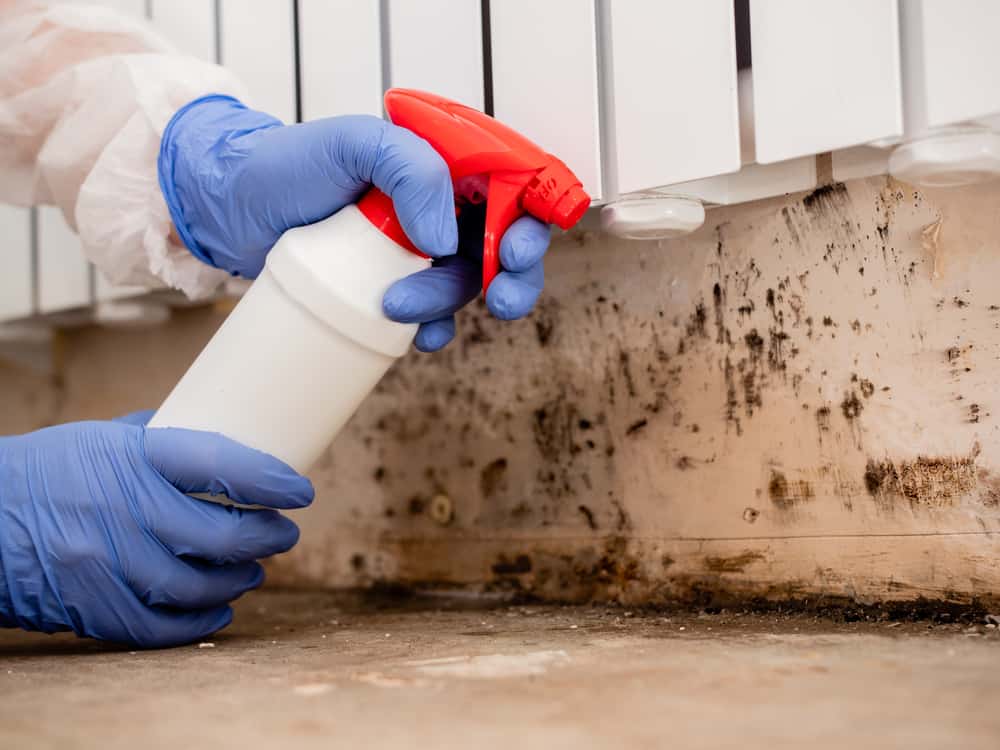
Home Mold Testing Nassau County NY
Most homes in Malverne Park Oaks were built between the 1940s and 1960s. That’s not a knock it’s just a fact that comes with original plumbing, aging rooflines, and full basements that have absorbed decades of moisture. By the time you smell something off or see a dark spot on the wall, mold has usually been growing quietly for a while. A proper mold inspection tells you exactly what’s there, where it started, and what needs to happen next.
What you get out of a thorough inspection isn’t just a report it’s clarity. If you’re buying a home in Malverne Park Oaks or the surrounding Malverne area, you need documentation your attorney and lender will accept before the inspection contingency window closes. If you’ve been living there for years and something feels off, you need answers that go beyond a visual once-over. Either way, you’re making a decision about a home worth well over $488,000 in a neighborhood where people take care of their properties. That decision deserves real information.
The Southern State Parkway runs right along the northern edge of Malverne Park Oaks, and the low-lying terrain along that corridor means the water table here sits higher than most homeowners realize. That translates directly to basement seepage risk and basement seepage is one of the most common triggers for mold growth in this area. Getting ahead of it with a certified inspection is the move that prevents a manageable problem from becoming a major remediation job.
Mold Inspection Company Malverne Park Oaks NY
First Response Restoration and Cleaning Inc. has been serving Nassau County homeowners for 31 years. That’s not a marketing number it means our technicians have seen the specific mold patterns that develop in postwar Cape Cods and Colonials across Long Island, including the homes throughout Malverne Park Oaks. The attic condensation problems that come with inadequate ridge venting. The foundation seepage that follows a wet Nassau County spring. The HVAC mold that quietly spreads through original ductwork. We know what to look for because we’ve seen it hundreds of times in homes just like yours.
Every technician on our team holds IICRC certification not just the owner, everyone. We’re New York State DOL licensed under Article 32, bonded, and fully insured. Our owner is personally licensed in both mold inspection and mold remediation, which matters because New York has required those licenses since 2016. Since Malverne Park Oaks is an unincorporated hamlet without village-level code enforcement, you won’t have a local authority screening contractors for you so knowing who you’re letting in the door matters more here than it does in incorporated villages nearby.
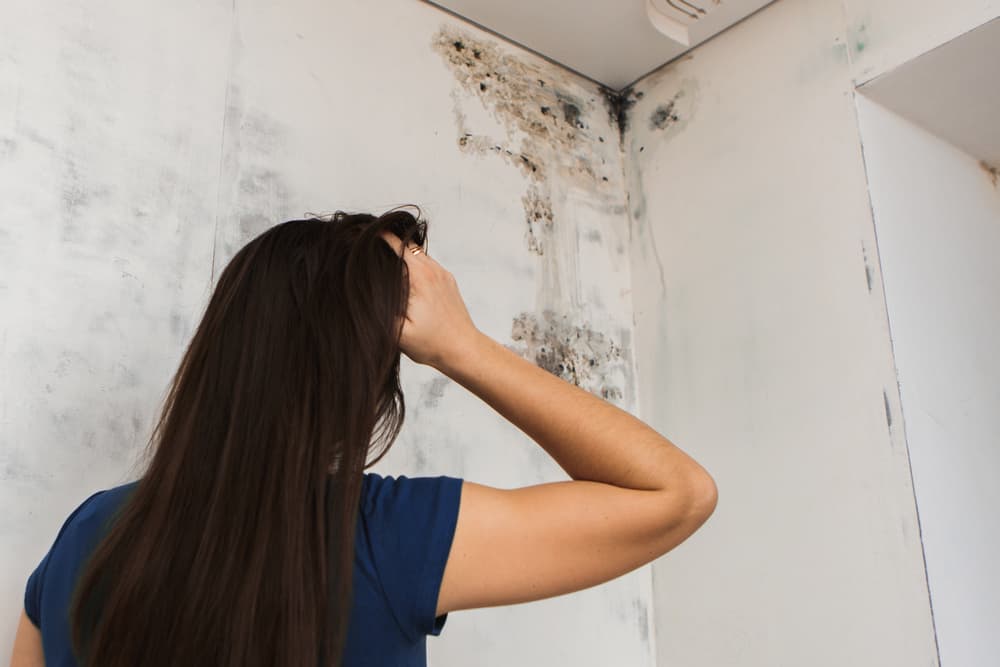
Mold Assessment Services Malverne Park Oaks NY
The inspection starts with a full walkthrough not just the basement, not just the obvious spots. Every accessible area gets evaluated: the attic, the basement, the HVAC system, the walls around plumbing lines, and anywhere water intrusion could have created a foothold. In a postwar home with original construction, that list is longer than most people expect.
From there, we collect air samples and surface swab samples and send them to a certified laboratory. This isn’t a judgment call it’s documented science. The lab identifies the mold species present, measures spore concentration levels, and compares indoor air quality against outdoor baseline readings. That comparison is what tells you whether what’s in your home is actually a problem, or within the normal range of what’s in the air outside. We also use infrared technology during the inspection to detect moisture and mold behind walls and under flooring without tearing anything open which is especially relevant in Malverne Park Oaks homes where layered flooring systems and concealed plumbing routes are common in this era of construction.
When the lab results come back, you receive a written report with everything documented: species, concentrations, moisture readings, photos, and specific remediation recommendations if they’re warranted. That report holds up for insurance claims, real estate negotiations, and any permit-related work that flows through the Town of Hempstead Building Department. You’ll know exactly what you’re dealing with and exactly what to do about it.
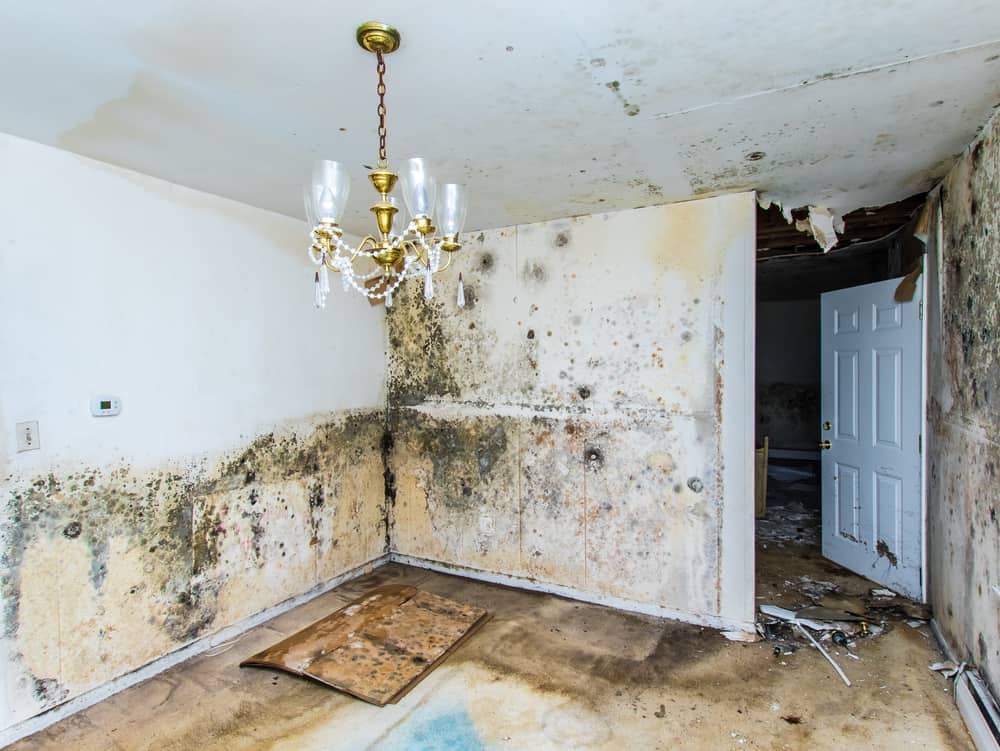
Ready to get started?
Residential Mold Inspection Malverne Park Oaks NY
A mold inspection from First Response isn’t a single air sample and a handshake. Our five-point protocol covers air quality testing, surface swab sampling, water intrusion inspection, moisture level measurement across the structure, and infrared scanning for hidden mold in wall cavities and concealed spaces. Every point in that protocol exists because one method alone doesn’t catch everything especially in a 60-to-80-year-old home where moisture has had decades to find its way into places that aren’t obvious.
Attic mold inspection is a priority in Malverne Park Oaks because the unfinished walk-up attics common in this area’s Cape Cod homes are among the most mold-prone spaces in any postwar Long Island property. Inadequate ventilation, summer heat, and winter condensation create near-perfect growing conditions on the underside of roof sheathing and most homeowners never go up there to look. Basement mold inspection is equally important given the full-depth basements standard in this housing stock and the elevated groundwater levels that come with the area’s low-lying terrain near the Southern State Parkway corridor.
If mold is found, we can take you through remediation and full property restoration under the same roof no juggling multiple vendors, no miscommunication between contractors. The inspection report becomes the foundation of the remediation plan, and our certified team handles it start to finish. For Nassau County homeowners dealing with a post-flood situation or a pre-purchase timeline, that continuity makes a real difference.
Does a mold inspection in Malverne Park Oaks require a licensed assessor?
Yes and this is one of the most important things to verify before hiring anyone. New York State has required mold assessors and mold contractors to hold a valid NYS Department of Labor license under Article 32 of the NY Labor Law since January 1, 2016. Any company performing paid mold assessment work in New York without that license is operating illegally, and fines can reach $10,000. More practically, any report produced by an unlicensed inspector carries no legal weight it won’t hold up for an insurance claim, a real estate negotiation, or any permit-related work.
This matters especially in Malverne Park Oaks because the hamlet is unincorporated. Unlike neighboring Malverne, which is an incorporated village with its own code enforcement, Malverne Park Oaks falls under the Town of Hempstead and there’s no village-level authority actively screening contractors at the local level. That means the responsibility for verifying credentials falls entirely on you as the homeowner. Ask any mold inspection company for their NYS DOL license number before scheduling. First Response Restoration and Cleaning Inc. is fully licensed, bonded, and insured, and our owner holds personal licenses in both mold inspection and mold remediation.
How much does a mold inspection typically cost for a Nassau County home?
For a standard single-family home in Nassau County the kind of postwar Cape Cod or Colonial that makes up most of Malverne Park Oaks a professional mold inspection typically runs somewhere in the $400 to $700 range, depending on the size of the home and the scope of the assessment. Homes with larger basements, finished attic spaces, or known water damage history may run toward the higher end because there’s more ground to cover and more samples to collect.
What most homeowners are really worried about isn’t the inspection cost it’s what comes after. If mold is found, remediation can range from a few hundred dollars for a contained surface issue to several thousand dollars for widespread growth in a basement or attic. The inspection is what tells you which situation you’re actually in. Skipping it or going with the cheapest option to save a few hundred dollars upfront is how people end up discovering a much larger problem later after they’ve already closed on a home or after the mold has spread further. Think of the inspection as the information you need to make a smart decision, not just a line item on a checklist.
What are the most common signs of mold in older Malverne Park Oaks homes?
The most obvious sign is a persistent musty smell especially in the basement or attic that doesn’t go away after airing the space out. Visible dark spots or discoloration on walls, ceilings, or around window frames are another clear indicator. But in homes built between the 1940s and 1960s, which covers the vast majority of the housing stock in Malverne Park Oaks, mold often grows in places that aren’t visible at all: behind original drywall, beneath layered flooring, inside wall cavities around older plumbing lines, and on the underside of attic roof sheathing.
Health symptoms can also be a signal. If someone in the household has developed unexplained respiratory issues, chronic coughing, or worsening allergy symptoms particularly when spending time at home that’s worth taking seriously. Mold doesn’t have to be visible to affect air quality. This is exactly why infrared technology matters during an inspection: it finds moisture and mold in concealed spaces without opening up walls, which is the only reliable way to assess a home of this age and construction type. A visual inspection alone isn’t enough for a 70-year-old Cape Cod.
How long does a mold inspection take from start to written report?
The on-site portion of the inspection the walkthrough, moisture readings, infrared scanning, air sampling, and swab collection typically takes two to four hours for a standard single-family home in Malverne Park Oaks. Larger homes or properties with more complex layouts, finished basements, or attic spaces that require more thorough assessment may take a bit longer.
After the on-site visit, samples go to a certified laboratory for analysis. Lab turnaround typically runs three to five business days, though rush processing is available when timing is critical like when you’re working against a real estate inspection contingency deadline. Once results are back, you receive a written report with the full breakdown: mold species identified, spore concentration levels, indoor versus outdoor air comparison, moisture readings, photos of problem areas, and specific remediation recommendations if warranted. If you’re a buyer under contract on a home in Malverne Park Oaks and your general inspector flagged something, it’s worth calling early in the contingency window rather than waiting the timeline from scheduling to final report can run close to a week under normal lab processing.
Can mold grow in a home that doesn't have visible water damage?
Absolutely and this is one of the more common misconceptions homeowners run into. Mold needs moisture to grow, but that moisture doesn’t have to come from a dramatic flood or a burst pipe. In Malverne Park Oaks specifically, the elevated water table along the low-lying terrain near the Southern State Parkway corridor means many homes experience slow, chronic basement seepage that never produces standing water just enough moisture wicking through the foundation walls to keep humidity levels elevated. That’s enough for mold to establish itself over months or years.
High indoor humidity alone can also be a driver. Homes in this area run air conditioning for several months of the year, and the ductwork in older HVAC systems frequently accumulates condensation creating a distribution pathway for mold spores throughout the entire home. Attics with inadequate ventilation trap heat and moisture in summer and condensation in winter, producing the same result. None of these scenarios involve a visible water event, but all of them create conditions where mold grows steadily in concealed spaces. If your home is 40 or more years old and you’ve never had a mold inspection, that alone is a reasonable basis for scheduling one.
Is mold inspection the same as mold remediation, or are they separate services?
They’re separate and in New York, they’re legally required to be treated that way. Under Article 32 of the NY Labor Law, mold assessment and mold remediation must be performed by separately licensed individuals or companies. The assessor identifies what’s present and documents it; the contractor carries out the physical removal and treatment. This separation exists specifically to prevent a conflict of interest where the same company both finds mold and profits from remediating it without independent verification.
That said, working with a company that holds both licenses like First Response Restoration and Cleaning Inc. means you’re not managing two separate vendors or waiting for handoffs between them. The inspection produces a documented, lab-backed report. If remediation is needed, our licensed team can move directly into that phase using the inspection findings as the blueprint. For Malverne Park Oaks homeowners dealing with a time-sensitive situation whether it’s a pre-purchase deadline, a post-storm assessment, or a health concern that needs resolution quickly having one point of contact from inspection through restoration is a practical advantage that makes the whole process significantly less stressful.
Useful Links
Other Services we provide in Malverne Park Oaks