
Mold Inspection in Manhasset, NY
Older Homes, Hidden Mold, Real Answers
Hear from Our Customers
Residential Mold Inspection Manhasset, NY
When you’re protecting a home worth $1.5 million or more in Manhasset, a guess isn’t good enough. A professional mold inspection from First Response gives you a lab-verified picture of what’s actually happening inside your home not an estimate, not a visual scan, not a store-bought kit reading. You get documented spore counts, identified mold species, and a written report that holds up with insurance adjusters, real estate attorneys, and anyone else who needs to see proof.
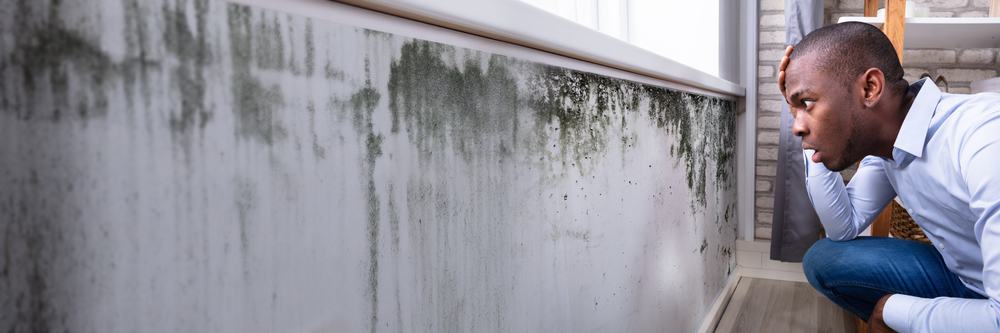
Manhasset’s coastal position on the Cow Neck Peninsula with Manhasset Bay to the east and Hempstead Harbor to the west means ambient humidity here runs consistently higher than inland Nassau County. That matters because mold starts growing when indoor humidity crosses 60%, and in a home built in the 1930s or 1940s with original plaster walls and aging plumbing, that moisture has nowhere obvious to go. It collects inside wall cavities, migrates into attic insulation, and settles under floors invisible until it becomes a serious problem.
If you’re buying a home in the Manhasset school district, dealing with post-storm water intrusion, or just noticing something that doesn’t smell right, a thorough inspection tells you what you’re actually dealing with. That clarity is what lets you make the right call whether that’s remediation, a renegotiated purchase price, or confirmation that your home is clean.
Licensed Mold Assessment Services Manhasset, NY
First Response Restoration and Cleaning Inc. has been working in Nassau County homes for over 31 years, with deep roots in Manhasset and the surrounding North Shore communities. Richard Peterson, our owner, holds a personal NYS Department of Labor license in both mold inspection and mold remediation and every technician on our team carries full IICRC certification. That’s not standard in this industry. Most companies send a certified supervisor and uncertified workers. At First Response, whoever walks into your Plandome colonial or your Strathmore-area home has the same credentials as the person who built this company.
That kind of consistency matters when the inspection report is going to a real estate attorney, an insurance adjuster, or a physician treating a family member with unexplained respiratory symptoms. Three decades of work across Long Island’s North Shore means we understand the specific ways moisture moves through pre-war construction the plaster walls, the original plumbing joints, the attic insulation that’s been patched over decades. That experience shapes every assessment we conduct.
Mold Detection Services Manhasset, NY
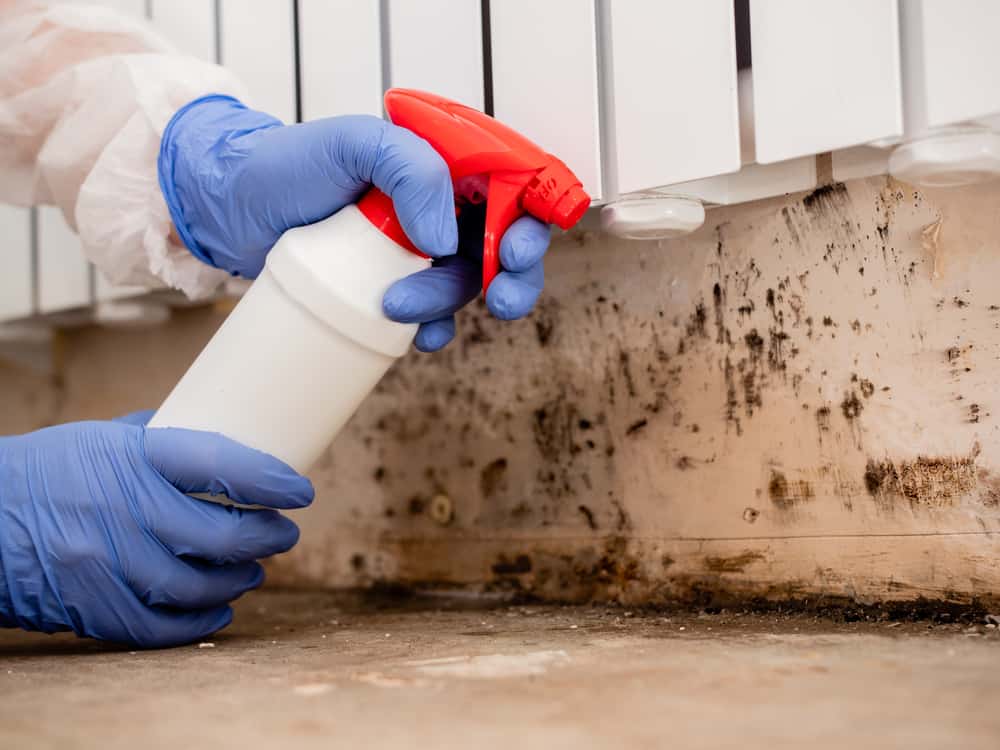
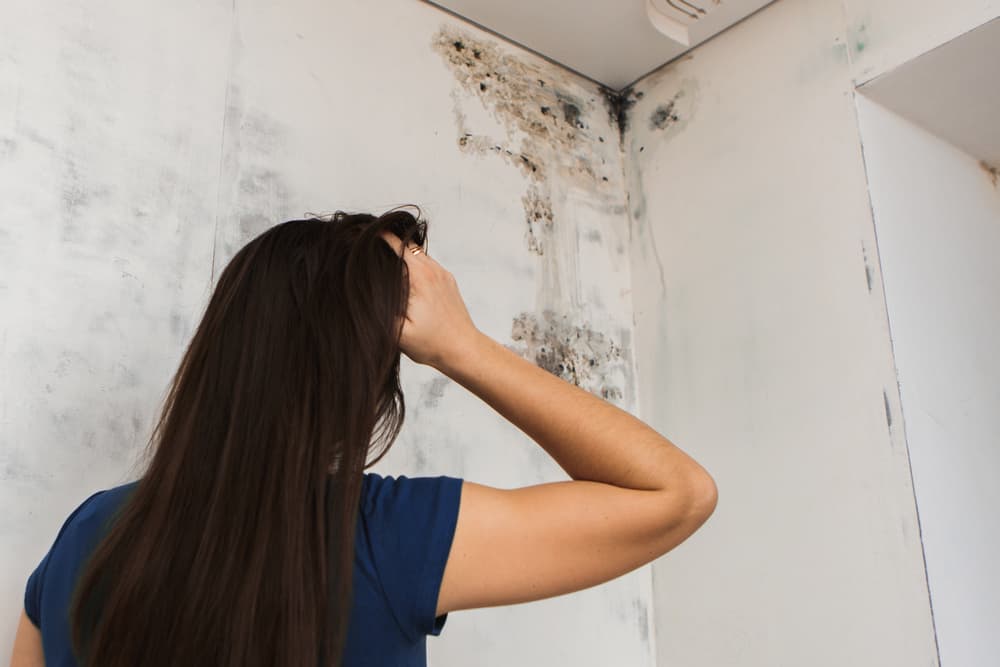
The inspection starts with air testing throughout your home capturing airborne mold spore concentrations in the spaces you actually live in. Those readings get compared against outdoor baseline levels taken the same day, which is the only scientifically sound way to determine whether your indoor air quality is genuinely elevated or simply reflecting normal ambient conditions. Surface swab samples are collected from any area showing visible growth or discoloration, and those go to a certified third-party laboratory for species identification and spore counts.
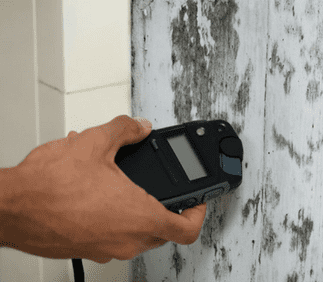
From there, we conduct a full water intrusion inspection tracing every potential moisture source that could be feeding mold growth. In Manhasset’s older housing stock, that means checking aging plumbing joints, basement wall seams, attic ventilation, and window seals that have been exposed to decades of North Shore salt air and nor’easter weather. Moisture levels are mapped throughout the structure using calibrated meters, and infrared scanning is used to detect temperature differentials behind walls and ceilings the clearest indicator of hidden moisture and mold that no visual inspection can replicate.
You receive a written report with everything: lab results, species identification, photographs, moisture readings, and specific remediation recommendations. New York State’s Article 32 licensing requirements mean only a licensed mold assessor can legally produce that report and we are fully licensed, bonded, and insured to do exactly that in Nassau County.
Ready to get started?
Indoor Air Quality Testing for Mold Manhasset, NY
Every mold inspection in Manhasset, NY from First Response covers five documented areas: air testing, surface swab sampling, water intrusion inspection, moisture level measurement, and infrared technology scanning. The written report that follows includes certified lab results, mold species identification, spore concentration levels, an indoor-versus-outdoor air comparison, photographs of all mold sources found, and a clear remediation plan if one is needed. This is the documentation format that Nassau County insurance adjusters and real estate attorneys recognize and accept.
We also handle commercial mold inspection in Manhasset, NY relevant for professional offices along Plandome Road, medical facilities connected to North Shore University Hospital, and retail properties along the Miracle Mile on Northern Boulevard. Commercial mold problems in HVAC systems or below-grade storage areas carry real liability exposure, and the same five-point protocol we apply to residential properties translates directly to commercial assessments.
If mold is found and remediation is needed, we handle that too and the restoration work after. One company, one point of contact, from the first air sample through the final clearance test and rebuilt drywall. For homeowners managing high-value properties in Plandome, Munsey Park, Flower Hill, or the Strathmore neighborhoods, that single-vendor accountability is worth a great deal.
What does a mold inspection in Manhasset, NY actually include?
A professional mold inspection in Manhasset, NY from First Response covers five areas: air testing, surface swab sampling, water intrusion inspection, moisture level measurement, and infrared scanning for hidden mold. Every sample goes to a certified third-party laboratory not evaluated in-house, not estimated visually. The written report you receive includes mold species identification, spore concentration levels, an indoor-versus-outdoor air comparison, photographs of mold sources, and specific remediation recommendations if needed.
This level of documentation matters in Manhasset’s real estate market. When homes are trading at $1.5 to $2 million or more and transactions involve attorneys on both sides, a verbal assessment or a single-number pass/fail result won’t hold up. The lab-backed written report we produce is the format that insurance adjusters, mortgage lenders, and real estate attorneys in Nassau County recognize as credible evidence.
How much does a mold inspection cost in Manhasset, NY?
Nationally, professional mold inspections typically range from $300 to just over $1,000 for most residential properties, depending on the size of the home and the scope of testing needed. In Manhasset, where many homes are large, older, and structurally complex multi-story pre-war Tudors, expanded Strathmore-era colonials, waterfront properties in Plandome inspections on the higher end of that range are common because the scope of assessment is more involved.
The more relevant number is what an undetected mold problem costs. Professional mold remediation runs $1,150 to $3,400 for contained situations, and can reach $20,000 or more when mold has spread through wall cavities, attic insulation, or subfloor systems which is exactly what happens in older homes when moisture goes undetected for months or years. The inspection cost is a minor line item compared to the asset being protected. Most Manhasset homeowners who have been through the process say that clearly.
Can mold grow inside the walls of older Manhasset homes without being visible?
Yes and in Manhasset’s pre-war and mid-century housing stock, it happens regularly. Homes built in the 1920s, 1930s, and 1940s were constructed with plaster-and-lathe walls rather than modern drywall. Plaster absorbs and traps moisture differently than drywall does, and mold can colonize inside wall cavities for months or years before any visible sign appears on the surface. The same applies to original hardwood subfloors, aging attic insulation, and areas around plumbing that has been patched over decades rather than replaced.
This is why infrared scanning is a core part of our inspection protocol not an optional add-on. The infrared camera detects temperature differentials caused by moisture behind walls and ceilings, revealing active wet areas and mold colonies that no visual inspection would catch. In a home built in 1935 or 1948, that technology is the difference between a complete assessment and a partial one.
Do I need a mold inspection before buying a home in Manhasset?
A standard home inspection will note visible water staining or obvious mold, but it won’t tell you what’s inside the walls, what’s growing in the attic, or what the air quality looks like throughout the home. In Manhasset, where buyers are frequently purchasing homes built 60 to 100 years ago and where the primary motivation for many purchases is the Manhasset Union Free School District the stakes of missing a mold problem at closing are significant.
A pre-purchase mold inspection gives you lab-verified documentation before you’re legally committed. If mold is found, you have documented evidence to negotiate remediation costs, request a price reduction, or make an informed decision about whether to proceed. If the home is clean, you have written proof of that too. In a market where closing costs and transaction fees on a $1.8 million home are already substantial, the cost of a professional mold inspection is straightforward due diligence.
How quickly can mold develop after water damage in a Manhasset home?
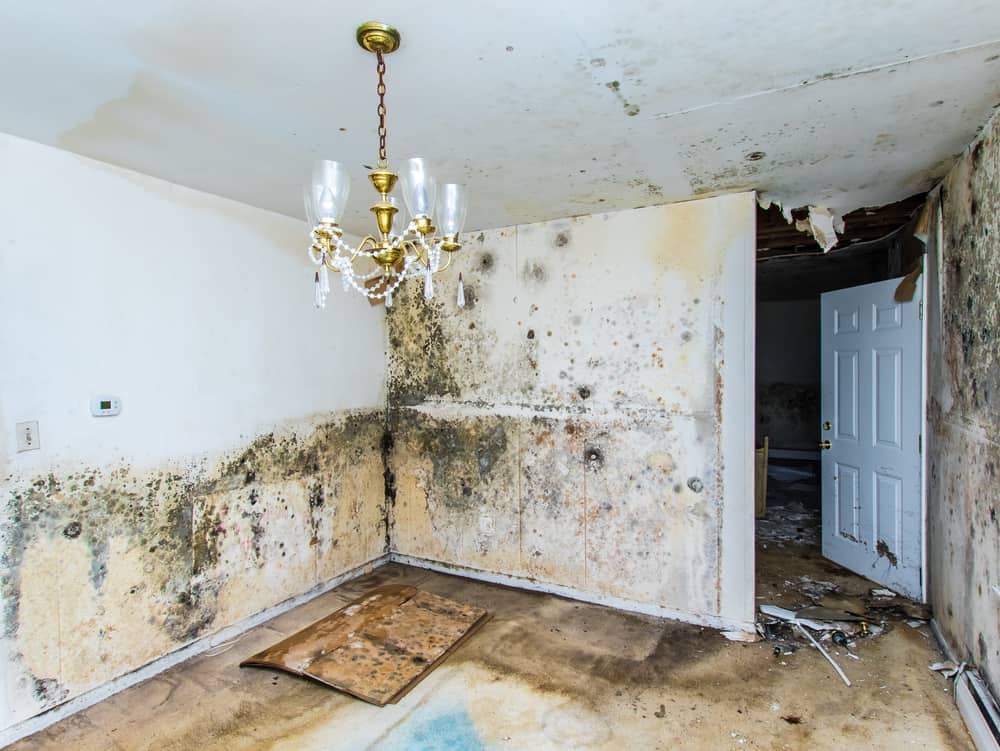
Mold begins growing within 24 to 48 hours when moisture is present and indoor humidity rises above 60%. On Long Island’s North Shore, that timeline becomes critical after nor’easters, spring flooding, or burst pipes all recurring events in Manhasset. A basement that takes on water during a heavy storm, or a pipe that fails on a winter weekend, creates conditions where mold can establish itself before the water is even fully cleaned up.
This is why we operate 24 hours a day, seven days a week. The faster a certified inspector can assess the moisture situation after a water event, the smaller the remediation scope tends to be. Waiting until Monday because the problem happened Saturday morning is one of the most common ways a manageable water damage situation becomes a significant mold remediation project. If you’ve had water intrusion in a Plandome basement or a Strathmore attic, the clock starts immediately.
Does homeowners insurance cover mold remediation in Nassau County?
It depends on the cause. Most standard homeowners insurance policies in New York cover mold remediation when it results directly from a covered water damage event a burst pipe, a roof leak from a storm, an appliance failure. What insurance companies require is documented proof: evidence of the original water event, professional confirmation that the mold is connected to that event, a licensed assessor’s written report on scope and severity, and a remediation plan from a licensed contractor.
Where claims fall apart is in the documentation. If the inspection report isn’t produced by a licensed mold assessor under New York State’s Article 32 requirements, or if the connection between the water event and the mold growth isn’t clearly established in writing, adjusters have grounds to deny or reduce the claim. Our inspection reports are specifically formatted to provide Nassau County insurance adjusters with what they need. After 31 years of working with Long Island homeowners through the claims process, we know what documentation holds up and what doesn’t.
Useful Links
Other Services we provide in Manhasset