

Hear from Our Customers
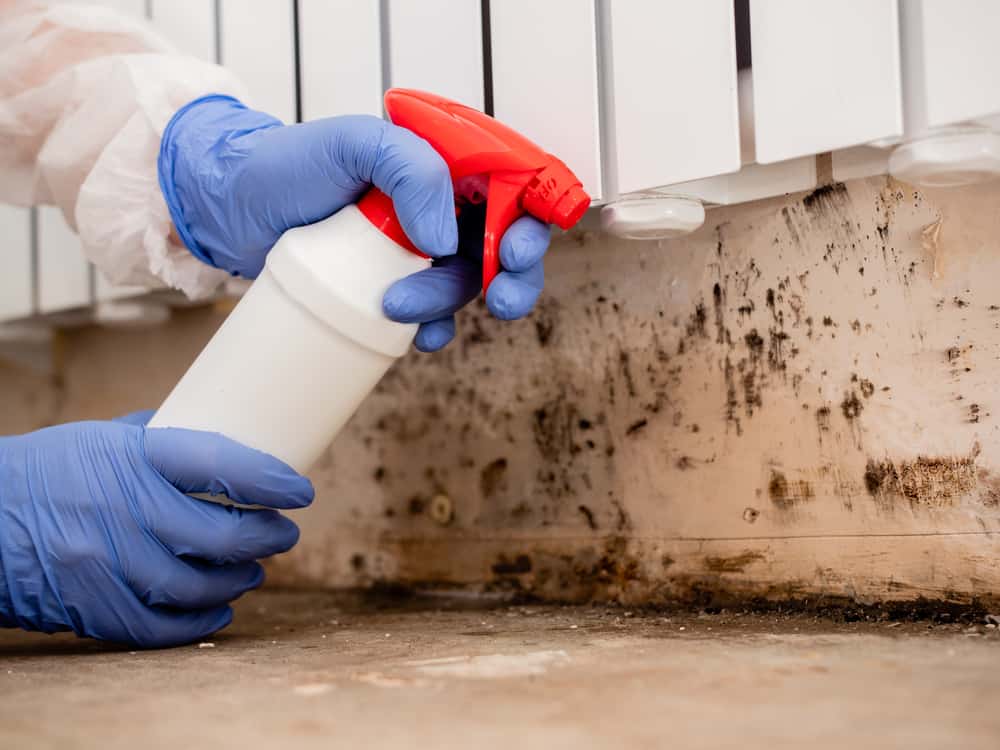
Most Merrick homeowners who call us aren’t panicking — they’re just done wondering. There’s a smell that won’t go away, a family member who keeps coughing, or a basement that flooded two years ago and was “dried out” but never properly tested. What you get from a real mold inspection isn’t just a number on a report. It’s clarity. You know exactly what’s in your air, where the moisture is coming from, and what — if anything — needs to happen next.
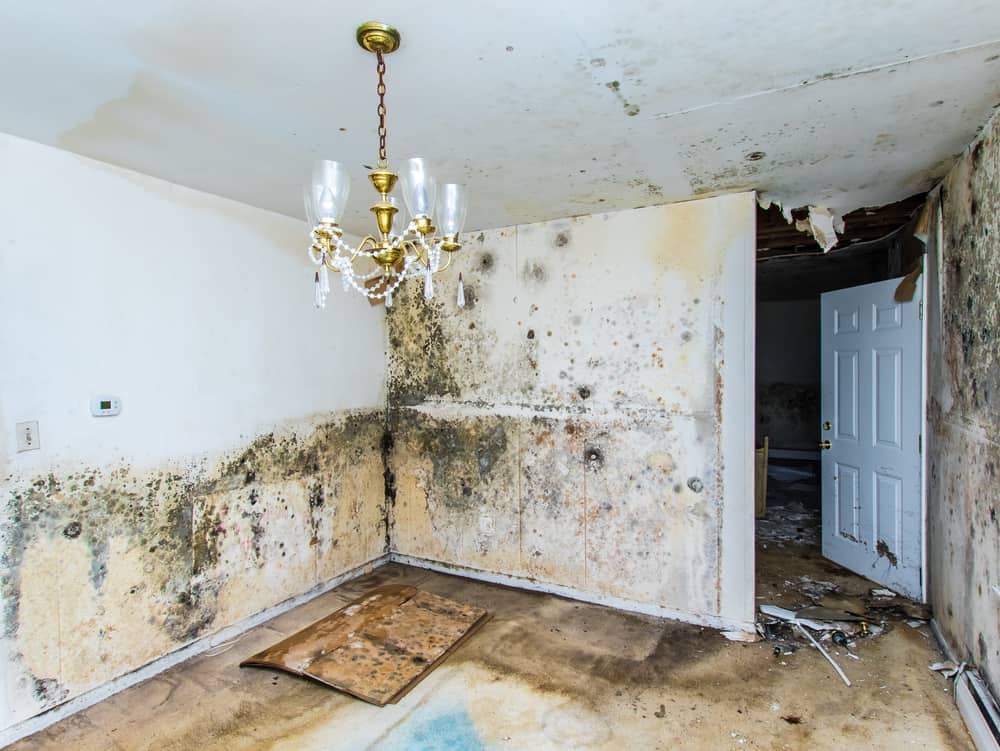
For homes in South Merrick especially, where tidal canals run behind properties and the water table sits high year-round, that clarity matters more than it does in most places. A mid-century home on a canal lot carries moisture pressure on its foundation constantly. The same goes for homes that took on water during Sandy or during the August 2024 flooding that triggered a state disaster recovery program across Nassau County. Water that got in and wasn’t professionally dried and assessed has a way of showing up later, inside walls, under floors, and in attic cavities that nobody checked.
After an inspection with us, you walk away with a written, lab-backed report that tells you the mold species present, the spore concentration levels, how your indoor air compares to outdoor baseline readings, and a clear remediation plan if one is needed. That’s the document your insurance company will accept, your real estate attorney can use, and the Town of Hempstead’s building department will recognize if permits are required.
We’ve been working across Long Island since the early 1990s. That’s before the state formalized mold licensing requirements, before Sandy reshaped the South Shore, and before most of the competitors you’ll find online were in business. Owner Richard Peterson holds personal licensure in both mold inspection and mold remediation under New York State’s Article 32 — the law that’s governed this work since 2016. Every technician on our team carries IICRC certification, not just the person who answers the phone.
Merrick is part of the Nassau County service area we know well. From the canal neighborhoods in South Merrick to the older colonials near North Merrick’s tree-lined streets, we’ve been in these homes long enough to know what the South Shore does to a house over time. That kind of local experience isn’t something you can fake, and it’s not something a newer company can replicate by adding a Merrick page to their website.
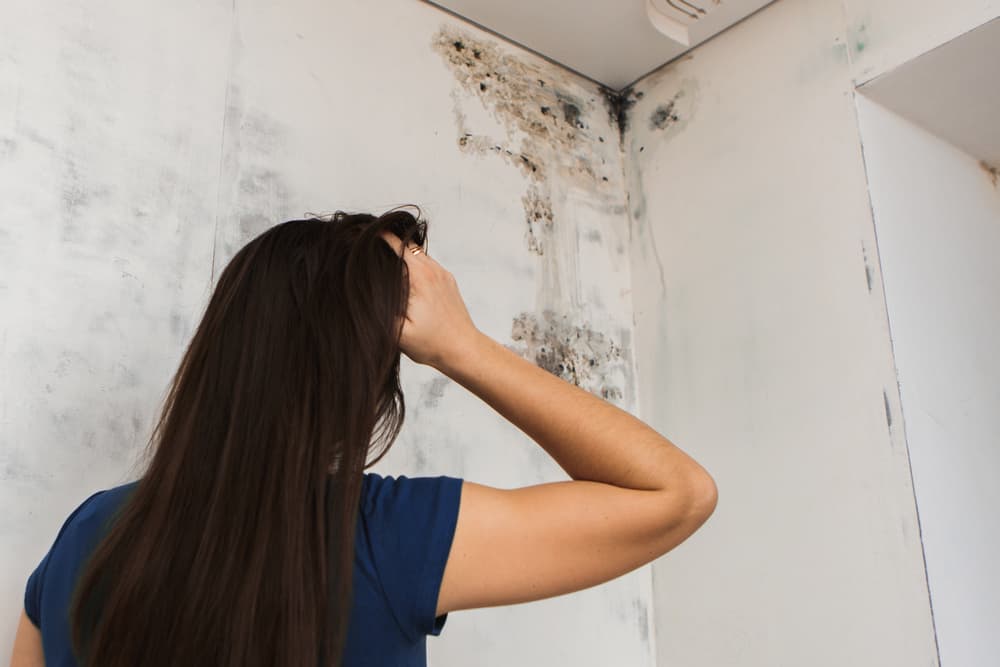
When one of our technicians comes to your Merrick home, the inspection follows a five-point protocol that goes well beyond a quick visual walkthrough. It starts with air testing and surface swab sampling — collecting samples that go to a certified third-party lab for analysis. While that’s happening, the technician is also measuring moisture levels throughout the home, checking walls, floors, and ceilings for readings that indicate active moisture intrusion even when there’s no visible sign of it.
The part that surprises most homeowners is the infrared scanning. In a South Merrick canal home or a post-war ranch in North Merrick, mold doesn’t always grow where you can see it. It grows inside wall cavities, beneath subfloor systems, and behind insulation that was never designed to manage the moisture load of a sealed modern home. Infrared technology detects temperature differentials that reveal hidden moisture — the kind that a standard inspection would completely miss. The technician also compares indoor air particle levels to outdoor baseline readings, which is important in a coastal community like Merrick where ambient spore counts from the bay and surrounding vegetation are naturally higher than in inland Nassau County towns.
Once the lab results are back, you receive a full written report — mold species, concentration levels, comparison data, and a specific remediation plan if one is warranted. If remediation is needed, we handle that too, under the same roof, with the same team. No handoffs, no coordination between separate contractors, no gap between what the inspection found and what the remediation addresses.
Ready to get started?
Our mold inspection service covers both residential and commercial properties in Merrick. For homeowners, that means the full five-point protocol — air testing, swab sampling, moisture measurement, infrared scanning, internal-to-external air comparison, photography of all identified sources, and a written lab-backed report with remediation recommendations. For commercial property owners along Merrick Road or the Sunrise Highway corridor, the same licensed and certified team applies the same standard, scaled to the size and use of the space.
One thing worth understanding about mold inspection in Merrick specifically: New York State law requires that mold assessors and remediators hold a Department of Labor license under Article 32. That’s not optional, and it’s not a technicality. An assessment performed by an unlicensed contractor carries no legal weight with your insurance company, your real estate attorney, or the Town of Hempstead’s building department if permits are required for remediation work. We are fully licensed, bonded, and insured. Richard Peterson holds personal licensure in both assessment and remediation — which means the person responsible for your report is accountable under state law, not just on a website.
For Merrick homeowners dealing with the aftermath of a flooding event — whether from Sandy, the 2024 flash flooding, or a burst pipe — the written report we produce is the document that moves your insurance claim forward. It’s also the foundation for any remediation permit the Town of Hempstead requires. You get one report, from one licensed team, that does everything it needs to do.
Visible mold is actually the less common scenario. Most of the calls we get from Merrick homeowners start with a smell — something musty in the basement, a stale odor coming from the HVAC vents, or an attic that just doesn’t smell right. Mold grows in places that don’t get light or airflow: inside wall cavities, beneath subfloor systems, behind insulation, inside ductwork. In a mid-century home on a canal lot in South Merrick, where the water table is naturally high and foundation moisture pressure is constant, hidden mold growth is far more common than most people realize.
The only way to know what’s actually in your air and inside your walls is to test. An inspection that includes infrared scanning and air sampling will find what a visual walkthrough can’t. If the results come back clean, you have documentation and peace of mind. If they don’t, you have a clear picture of what needs to happen and a written report to back it up.
Professional mold inspection costs vary depending on the size of the home and the scope of the assessment, but nationally the average falls around $670, with most residential inspections landing somewhere between $300 and $1,000. For a Merrick home — particularly one with a finished basement, a canal-adjacent lot, or a history of water intrusion — a thorough inspection that includes air testing, swab sampling, infrared scanning, and a certified lab report is the standard you want, not the minimum.
What matters more than the upfront cost is what the inspection actually includes. A cheap inspection that misses hidden mold in a wall cavity can lead to a remediation bill that runs $5,000 to $20,000 or more when the problem is eventually discovered — often during a sale, a renovation, or a health crisis. The inspection is the cheapest and most important step in the process. It’s also the document that determines whether your insurance claim moves forward and whether the Town of Hempstead issues the permits needed for remediation work.
Yes, and it’s more common than most people expect. Merrick is among the South Shore communities that carry a federal “repetitive loss property” designation, meaning homes here have documented histories of flooding. After Sandy, many homes were dried out and repaired — but not all of them were professionally assessed for mold before walls were closed back up. Mold that was encapsulated behind new drywall or beneath new flooring doesn’t disappear. It can remain dormant for years and become active again when humidity levels rise, which on the South Shore happens reliably every summer.
If your home flooded during Sandy and was repaired without a professional mold assessment, or if you’ve since noticed musty odors, unexplained respiratory symptoms, or visible staining near old water lines, an inspection is worth doing. The infrared scanning component of our inspection is specifically designed to detect moisture and mold activity behind finished surfaces — exactly the scenario that post-Sandy homes in Merrick present.
For a typical single-family home in Merrick, the on-site inspection takes roughly two to four hours depending on the size of the home and how many areas need to be assessed. Larger homes, homes with finished basements, or properties with multiple areas of suspected moisture intrusion will take longer. We won’t rush through it — the infrared scanning, moisture measurements, and sampling all take time to do properly.
Lab turnaround for the air and swab samples typically runs between 24 and 72 hours after samples are submitted, though expedited processing is available if you’re working against a real estate closing deadline or an insurance claim timeline. Once results are back, you receive a full written report with the lab findings, mold species identification, concentration levels, the internal-to-external air comparison, and specific remediation recommendations if applicable. If you’re in the middle of a home purchase and need results quickly, let us know upfront — that’s a common situation in Merrick’s active real estate market, where homes regularly go to pending in under three weeks.
Mold inspection and testing is the assessment phase — it tells you whether mold is present, what type it is, how concentrated it is, and where it’s coming from. Mold remediation is the removal and treatment phase — it physically eliminates the mold, addresses the moisture source, and restores the affected materials. Under New York State’s Article 32 law, these two phases must be handled by licensed professionals, and the assessment must be completed before remediation begins. You can’t legally skip straight to removal without a documented assessment.
Whether you need remediation after an inspection depends entirely on what the inspection finds. Not every inspection leads to a remediation project — sometimes the results come back clean, or the issue is minor enough to address with targeted treatment. When remediation is needed, we handle both phases under one roof. The same licensed team that wrote your inspection report manages the remediation plan, which means nothing gets lost between the assessment and the work. For Merrick homeowners who don’t want to coordinate multiple contractors or explain their situation twice, that continuity matters.
Attic mold is one of the more common findings in Merrick’s older housing stock, and the causes are specific to the way these homes were built. A significant portion of Merrick’s residential properties were constructed between 1940 and 1969 — the post-war era when Long Island’s suburbs expanded rapidly. Those homes were built with insulation and ventilation systems that weren’t designed to manage the moisture load of a tightly sealed modern home. When warm, humid air from the living space rises into an attic that isn’t adequately ventilated, condensation builds on the roof sheathing and rafters. On the South Shore, where coastal humidity stays elevated for much of the year, that cycle happens consistently.
Ice dams are another contributor that’s easy to overlook. When heat escapes through an older roof and melts snow at the ridge while the eaves stay frozen, water backs up under the shingles and into the attic cavity. That moisture, sitting in an enclosed space with limited airflow, creates exactly the conditions mold needs to grow. The saltbox colonial homes in The Crest neighborhood and other mid-century builds throughout Merrick are particularly susceptible to this pattern. An attic inspection using infrared scanning is the most reliable way to catch this early — before it spreads to the insulation, the framing, or the ceiling below.
Useful Links
Other Services we provide in Merrick