
Mold Inspection in Mineola, NY
Nassau County's Oldest Homes Hide the Worst Mold

Hear from Our Customers

Residential Mold Detection Mineola, NY
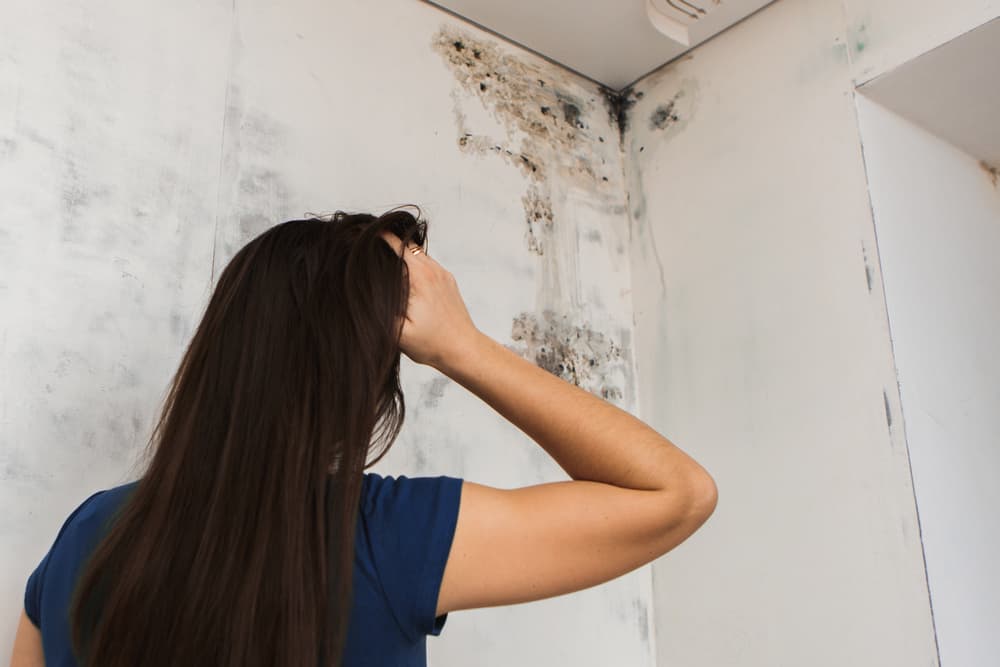
Most mold problems in Mineola aren’t visible. They’re behind the drywall of a 1950s Colonial in Mineola East, inside the ductwork of an older multi-unit building off Jericho Turnpike, or underneath a basement slab that’s been fighting Nassau County’s high water table for decades. By the time you smell something or see discoloration, the colony is already established and it’s been affecting your air quality long before that.
A professional mold inspection gives you a clear, documented answer. Not a guess. Not a visual scan. Air samples, surface swabs, moisture readings, and infrared scanning all sent to a certified lab so you know exactly what species you’re dealing with, where it’s concentrated, and what needs to happen next.
For homeowners in Mineola near Old Country Road or anyone buying or selling in the village, that written lab report is also the document your real estate attorney, insurance adjuster, or property manager will actually accept. It carries weight because it’s backed by science, not opinion.
Licensed Mold Inspector Mineola, NY
First Response Restoration and Cleaning Inc. has been serving Mineola, Nassau County, and Suffolk County for over 31 years. That’s not a marketing number it means we’ve worked through every major storm cycle that’s hit this area, every seasonal flooding pattern, and every housing vintage you’ll find from Mineola East to the transit-oriented developments near the LIRR station.
Richard Peterson, our owner, holds active New York State DOL licenses for both mold assessment and mold remediation under Article 32 the state law that’s required every mold professional working for pay in New York to be licensed since 2016. Every technician on our team carries individual IICRC certification, not just supervised by someone who is.
We’re based on Long Island. We know Mineola’s water table, its housing stock, and its storm patterns. That’s not something a national franchise assigned to a Mineola territory can replicate.
Mold Assessment Services Mineola, NY
When you call, we dispatch a certified technician available 24 hours a day, seven days a week. In a community where a sump pump failure or a nor’easter can leave standing water in a basement overnight, waiting until Monday morning isn’t an option. Mold can begin establishing itself in as little as 24 to 48 hours when humidity climbs above 60%, so speed matters from the first call.
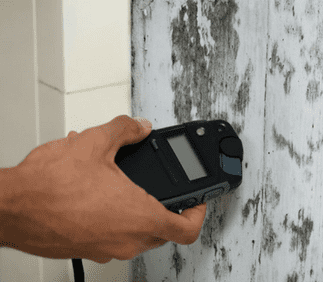
On-site, our inspection covers five documented areas: air sampling, surface swab collection, water intrusion assessment, moisture level measurement, and infrared scanning to detect hidden moisture behind walls and under floors without opening anything up. We also compare your indoor air particle counts to outdoor baseline readings a step that’s critical for understanding whether what’s in your home’s air is actually elevated, or within normal range.
All samples go to a certified third-party laboratory. When the results come back, you receive a written report with species identification, spore concentration levels, photographic documentation, and specific remediation recommendations. It’s the kind of report that holds up with insurance adjusters, real estate attorneys, and Nassau County building officials because in Mineola, the stakes on a $700,000-plus home are too high for anything less.
Ready to get started?
Indoor Air Quality Testing for Mold Mineola, NY
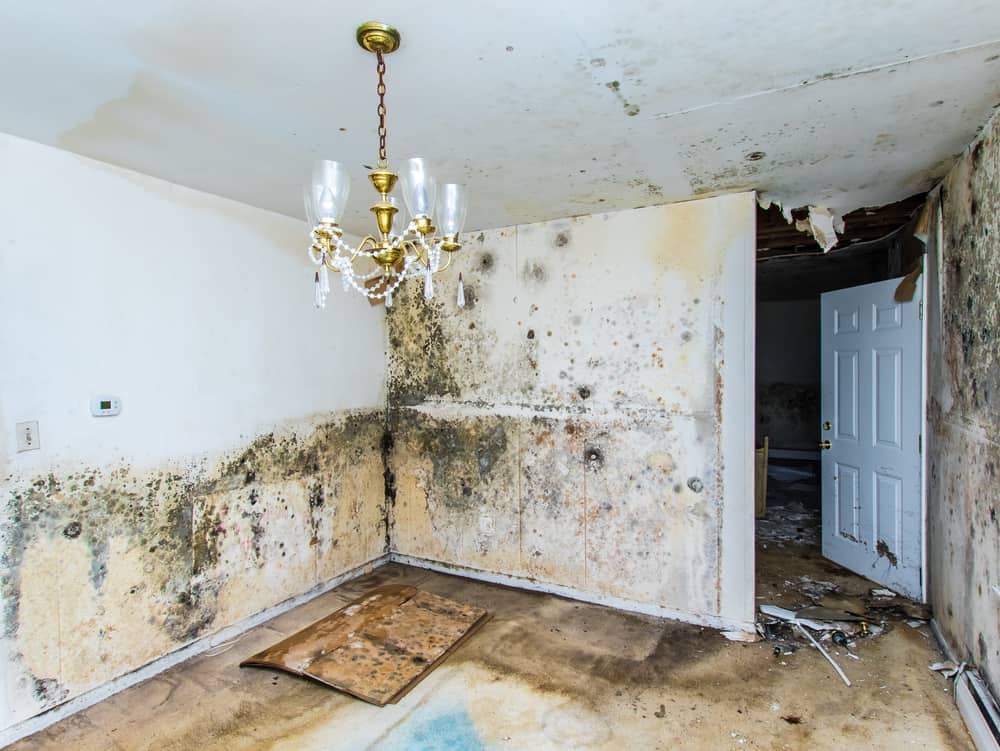
Every mold inspection we perform in Mineola covers the full picture not just the spots you can see. Infrared technology lets us identify temperature differentials that indicate moisture accumulation behind walls, inside ceiling cavities, and beneath floors. In homes built between 1940 and 1969, which make up a significant share of Mineola’s residential stock, this kind of non-invasive detection is often the only way to find what aging plumbing and original ventilation systems have been quietly doing for decades.
Air testing and surface swab sampling are both included, and all samples are processed by a certified laboratory not evaluated on-site by the inspector alone. That distinction matters. The written report you receive names the mold species present, quantifies spore concentrations, documents moisture sources, and outlines exactly what remediation steps are warranted. For homeowners navigating an insurance claim after a water damage event, or buyers and sellers working through a transaction near the Nassau County Courthouse corridor in Mineola, this documentation is what actually moves things forward.
We handle both residential and commercial properties. Whether it’s a single-family home off Glen Cove Road, a multi-unit building near the Mineola Intermodal Center, or a commercial space along Old Country Road, the inspection protocol and lab process are the same. Fully licensed, bonded, and insured with the paperwork to prove it.
Do I really need a licensed mold inspector in Mineola, NY?
Yes and in New York State, it’s not just a recommendation. Under Article 32 of the New York State Labor Law, anyone performing mold assessment or remediation for compensation must hold a current license issued by the NYS Department of Labor. That requirement has been in effect since January 1, 2016, and fines for unlicensed mold work can reach $10,000. Hiring an unlicensed inspector doesn’t just put you at legal risk it means the report you receive may not be accepted by your insurance company, your real estate attorney, or Nassau County officials.
In Mineola specifically, where home values regularly exceed $700,000 and where the legal community is deeply embedded in the fabric of the village, documentation quality matters. A report from a licensed mold assessor backed by certified laboratory analysis carries authority. A report from an unlicensed inspector carries none. Always ask for the inspector’s NYS DOL license number before anyone sets foot in your home.
How much does a mold inspection typically cost in Mineola, NY?
The industry average for a professional mold inspection runs between $300 and $1,050, with most full inspections including air sampling, surface swabs, and certified lab analysis falling in the $500 to $800 range depending on the size and complexity of the property. Larger homes, multi-unit buildings, or properties with multiple areas of concern will typically fall toward the higher end of that range.
In Mineola, where the median home value sits well above $670,000, the cost of a thorough inspection is a small fraction of what delayed or missed mold discovery can cost. Mold that spreads through wall cavities, contaminates HVAC systems, or damages structural lumber in a 1950s-era home can run into tens of thousands of dollars to remediate. The inspection cost isn’t the risk skipping it is. Be cautious of unusually low quotes that don’t include laboratory analysis, because without lab results, you don’t actually have a mold inspection you have a visual walkthrough.
What are the signs I might need a mold inspection in my Mineola home?
The most obvious sign is a persistent musty odor especially in basements, bathrooms, or rooms along exterior walls. But in Mineola’s older housing stock, many mold problems don’t announce themselves that clearly. Homes built in the 1940s through 1960s often have plumbing and ventilation systems that have been slowly introducing moisture into wall cavities for years without any visible surface indication.
Other signs worth taking seriously include recent water intrusion even minor basement seepage after a heavy rain, which is common given Nassau County’s high water table unexplained increases in allergy or respiratory symptoms among household members, visible discoloration on walls or ceilings that keeps coming back after cleaning, or condensation buildup around windows and HVAC vents during humid Long Island summers. If your Mineola home has experienced any flooding, a pipe leak, or storm damage and wasn’t professionally dried and assessed within 48 hours, a mold inspection is worth scheduling regardless of whether you see visible growth. By the time mold is visible, it’s usually been growing for a while.
Can mold grow in a newer apartment building near the Mineola LIRR station?
Yes, and it’s more common than most new residents expect. The transit-oriented development near the Mineola LIRR station has brought newer multi-unit residential buildings to the village, but new construction carries its own mold risks particularly in the first few years of operation. Construction moisture trapped inside walls during the build, HVAC systems that weren’t properly commissioned or balanced at move-in, and shared plumbing chases between units all create conditions where mold can establish itself even in a building that’s only a few years old.
In multi-unit buildings specifically, a water heater failure or bathroom leak in one unit can introduce moisture into adjacent units through shared walls and ceiling assemblies. If you’re a tenant or owner in one of these newer Mineola buildings and you’ve noticed humidity issues, condensation on interior surfaces, or a musty smell that appears seasonally, an indoor air quality test for mold is a straightforward way to get a definitive answer. The inspection process is the same as for a single-family home air samples, lab analysis, and a written report.
What's the difference between mold inspection and mold testing in New York?
These terms get used interchangeably, but they’re not the same thing. A mold inspection is a comprehensive assessment it includes a physical walkthrough, moisture readings, infrared scanning for hidden problem areas, and a professional evaluation of water intrusion sources. Mold testing specifically refers to the collection and laboratory analysis of air samples or surface swabs to identify what mold species are present and at what concentration levels.
In New York State, a proper mold assessment under Article 32 combines both: the physical inspection and the laboratory-backed testing. A visual inspection alone without sampling won’t tell you what’s in your air or what’s growing behind your walls. And a store-bought test kit won’t give you the species identification, spore counts, or indoor-versus-outdoor comparison that a licensed assessor’s report provides. If you’re dealing with a real estate transaction, an insurance claim, or a health concern in your Mineola home, you need the full assessment not just a surface-level look around.
Does homeowners insurance cover mold inspection or remediation in Nassau County?
It depends on the cause. Most standard homeowners insurance policies in Nassau County will cover mold remediation when the mold resulted directly from a covered water damage event a burst pipe, an appliance failure, or storm-related water intrusion that was addressed promptly. What they typically won’t cover is mold that developed gradually from long-term moisture problems, deferred maintenance, or flooding from Nassau County’s high water table if flood coverage isn’t part of your policy.
The documentation piece is where most claims succeed or fail. Insurance adjusters need a written report from a licensed mold assessor that establishes a clear connection between the water event and the mold growth with lab results, moisture readings, and photographic evidence. Without that documentation, claims get denied or reduced. Our technicians are specifically trained to produce the kind of written reports that insurance companies act on. If you’ve had any water damage in your Mineola home and you’re unsure whether a claim is possible, getting a professional mold inspection done first before remediation begins is the right sequence to protect your coverage options.
Useful Links
Other Services we provide in Mineola