
Mold Inspection in Muttontown, NY
Gold Coast Estates Deserve More Than a Guess

Hear from Our Customers
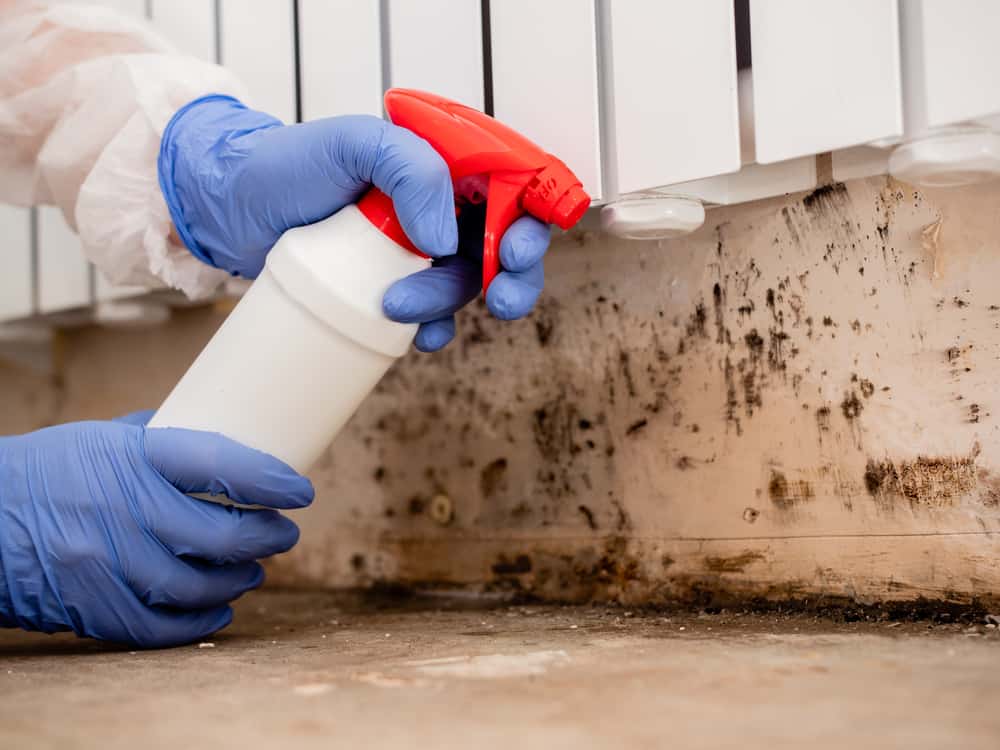
Residential Mold Detection Muttontown, NY
Most homeowners don’t call about mold because they can see it. They call because something feels off a smell in the basement after a wet spring, a family member with symptoms that won’t quit, or a closing date approaching on a property worth several million dollars. What you need isn’t reassurance. You need answers you can act on.
Muttontown’s wooded, rolling terrain keeps moisture trapped against foundations and shaded siding longer than it would in a flat, open suburb. Mature tree canopy, organic debris from the preserve-adjacent lots, and the natural drainage patterns on multi-acre properties create conditions where moisture lingers and mold follows. A proper inspection accounts for all of that, not just the spots you can see from the hallway.
For estate homes in the 5,000 to 10,000-square-foot range with complex HVAC systems serving multiple zones, finished basements, deep attic spaces above elaborate rooflines, and sometimes a pool house or carriage house on the same property the inspection scope is simply different. You get a written, lab-backed report that tells you exactly what’s there, where it is, what species it is, and what to do about it.
Mold Inspection Company Muttontown, NY
We’ve been serving Nassau and Suffolk County homeowners since 1993 over three decades of inspecting, restoring, and documenting mold conditions in Long Island homes, from post-war colonials to the kind of large estate properties that define Muttontown and communities like Stone Hill. We know the specific moisture challenges that come with wooded North Shore properties, aged rooflines, and the proximity to the Muttontown Preserve.
Owner Richard Peterson holds personal licensure from the New York State Department of Labor as both a mold assessor and mold remediator under Article 32 of the NY Labor Law the state’s mandatory licensing framework. Every technician we send to your door is IICRC-certified. Not just the company name. The actual person walking through your home.
Muttontown residents many of them managing properties in gated communities or on private roads throughout the village expect a service provider who shows up credentialed, prepared, and professional. That’s exactly who we send.
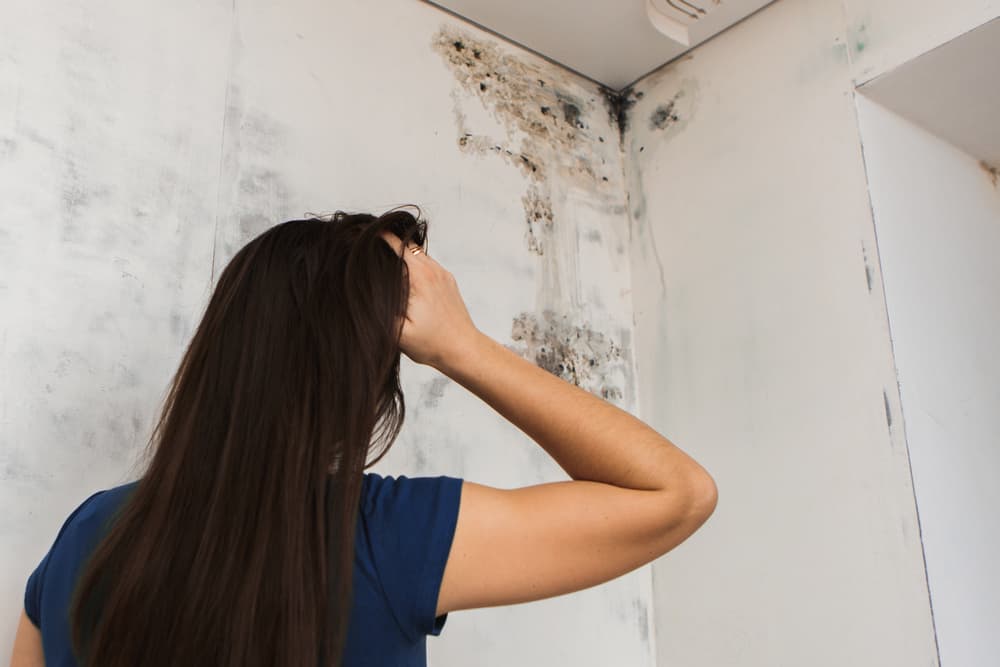
Home Mold Testing Process Muttontown, NY
The inspection starts with a full walkthrough of the property every accessible area, not just the obvious ones. For Muttontown estate homes, that means the basement or cellar, attic spaces above complex rooflines, any outbuildings on the property, crawl spaces, and the HVAC system. We’re looking for water intrusion points, moisture accumulation, and visible mold growth before a single sample is collected.
From there, we use infrared thermal imaging to detect moisture anomalies hidden inside wall cavities, under flooring, and in areas no visual inspection can reach. Air samples and swab samples are collected based on what the walkthrough reveals, then sent to a certified third-party laboratory the same day. We also take outdoor air samples as a baseline so the lab comparison is accurate not just a number without context.
When the lab results come back, you receive a written report with mold species identification, spore concentration levels, an internal-versus-external air quality comparison, and specific remediation recommendations. This is the document that holds up in a real estate transaction, an insurance claim, or a conversation with your attorney. In New York State, all of this work must be performed by a licensed mold assessor and under Article 32 of the NY Labor Law, that license requires demonstrated competency, liability insurance, and renewal every two years. We meet all of it.
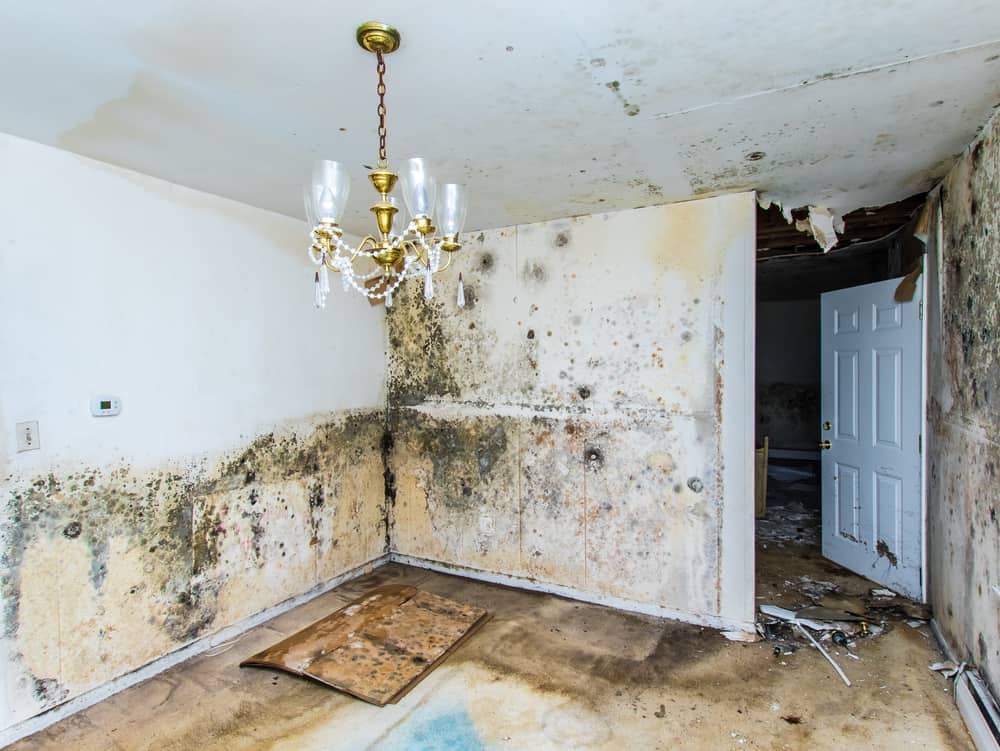
Ready to get started?
Black Mold Testing Services Muttontown, NY
Mold inspection in Muttontown isn’t a one-size-fits-all service, and we don’t treat it that way. The inspection includes air quality testing across multiple zones of the home, surface swab sampling in targeted areas, a full moisture level assessment throughout the structure, water intrusion inspection at every credible entry point, and infrared thermal imaging for hidden mold detection. Every sample goes to a certified lab. Every report is written, specific, and actionable.
For homeowners in Stone Hill at Muttontown or on the larger private estate lots throughout the village, the inspection scope expands to match the property. Pool houses, carriage houses, and guest quarters on the same parcel are part of the conversation not an afterthought. If you’re managing a property with a pool, a finished lower level, and a multi-zone HVAC system, those are all areas that get assessed, not skipped.
If the inspection uncovers a mold condition that needs to be addressed, we handle remediation and full property restoration under the same roof. You don’t need to coordinate between vendors or explain the situation twice. The same company that found it can fix it and the remediation work is held to the same licensed, documented standard as the inspection that preceded it.
Does mold inspection in Muttontown require a New York State licensed assessor?
Yes and this matters more than most people realize. Since January 1, 2016, New York State has required all mold assessors and mold remediators to hold a license issued by the NYS Department of Labor under Article 32 of the Labor Law. This isn’t a voluntary certification. It’s a legal requirement, and fines for unlicensed mold work can reach $10,000.
For Muttontown homeowners, this has real implications. If you’re using an inspection report to support an insurance claim, satisfy a real estate attorney’s due diligence requirements, or document a condition before remediation work begins, the report needs to come from a licensed assessor otherwise it carries no legal standing. We hold full NYS DOL licensure for both mold assessment and mold remediation, so the documentation you receive is the kind that actually holds up when it needs to.
How much does a professional mold inspection typically cost in Muttontown, NY?
Nationally, professional mold inspections average around $670, with a typical range of $300 to $1,000 depending on the size of the property and the scope of the inspection. For Muttontown specifically, expect the higher end of that range to be more relevant and for good reason.
Estate homes in Muttontown average over 5,000 square feet, and many properties include outbuildings, finished basements, multi-zone HVAC systems, and separate structures like pool houses or carriage houses. A thorough inspection of a property at that scale takes more time, more samples, and more equipment than a standard suburban home inspection. The lab analysis, infrared thermal imaging, and written report are all part of what drives the cost and they’re also what makes the report useful. When your property is worth $3 million or more, the cost of a proper inspection is a rounding error compared to the cost of a missed mold problem.
Can mold really hide inside walls of a large Muttontown estate home without being visible?
Absolutely and it’s one of the most common scenarios we encounter in large estate homes on Long Island’s North Shore. Mold doesn’t need to be visible to be a problem. It grows inside wall cavities, beneath hardwood flooring, inside insulation above cathedral ceilings, and within the ductwork of complex multi-zone HVAC systems. By the time it’s visible, it’s often been growing for weeks or months.
Muttontown’s wooded lots and rolling terrain mean that moisture from rain events, drainage runoff, and ambient humidity from the tree canopy gets trapped against foundations and exterior walls longer than it would on an open, flat lot. A roof leak above a complex roofline, a failed pipe inside a wall, or a condensation issue in a multi-zone HVAC system can all feed hidden mold growth for an extended period before any visible sign appears. That’s exactly why infrared thermal imaging is a core part of the inspection process it finds the moisture anomaly before the mold colony becomes visible.
What should I do if I find mold before listing or buying a home in Muttontown?
If you’re buying, get a licensed mold inspection done as part of your due diligence before you close. A pre-purchase mold inspection on a Muttontown estate is standard practice for buyers’ attorneys and real estate agents working in this market, and for good reason. A missed mold problem in a $4 million property can mean hundreds of thousands of dollars in remediation costs that weren’t factored into the purchase price.
If you’re selling and mold is discovered during the buyer’s inspection, a licensed assessment from your own inspector gives you documentation of the actual scope which protects you from inflated remediation estimates and gives you a defensible record of the condition. In either case, the inspection report needs to come from a New York State licensed mold assessor to carry any weight in the transaction. Verbal opinions and unlicensed assessments won’t satisfy a buyer’s attorney or a title company in Nassau County.
How does Long Island's climate affect mold risk in Muttontown homes year-round?
Long Island averages around 45 to 50 inches of rainfall annually, and summer humidity on the North Shore regularly exceeds 60 percent the threshold at which mold can begin growing in as little as 24 to 48 hours. Muttontown’s position on the North Shore, combined with its heavily wooded character and proximity to the Muttontown Preserve, means ambient moisture levels around homes here stay elevated longer than in more open suburban communities.
Spring brings the highest demand for inspections, as post-winter moisture damage becomes apparent and humidity starts climbing. Summer HVAC systems running continuously create condensation risk inside ductwork. Fall nor’easters and heavy rain events push water against foundations and through aging rooflines. Winter creates condensation problems from temperature differentials inside large, tightly sealed estate homes and vacation or seasonal properties left unoccupied can develop significant mold conditions before anyone notices. There’s no genuinely low-risk season in Muttontown. The conditions that feed mold growth are present year-round.
How long does a mold inspection take for a large estate home in Muttontown?
For a standard suburban home, a mold inspection typically takes two to three hours. For a Muttontown estate with 5,000 or more square feet of living space, multiple outbuildings, a finished basement, complex attic spaces, and a multi-zone HVAC system plan for three to five hours for the on-site portion of the inspection. The goal is thoroughness, not speed.
After the on-site work is complete, samples go to the certified lab the same day. Lab results typically come back within 24 hours, and the full written report including species identification, spore concentration levels, internal-versus-external air comparison, and remediation recommendations is delivered within 48 hours of sample submission. If you’re working against a real estate closing deadline or an insurance filing timeline, let us know upfront. We operate 24 hours a day, seven days a week, and can often accommodate urgent scheduling requests for Muttontown homeowners when timing is critical.
Useful Links
Other Services we provide in Muttontown