
Mold Inspection in Oceanside, NY
Oceanside Homes Hide Mold Where Eyes Can't Go
Hear from Our Customers
Residential Mold Detection Oceanside NY
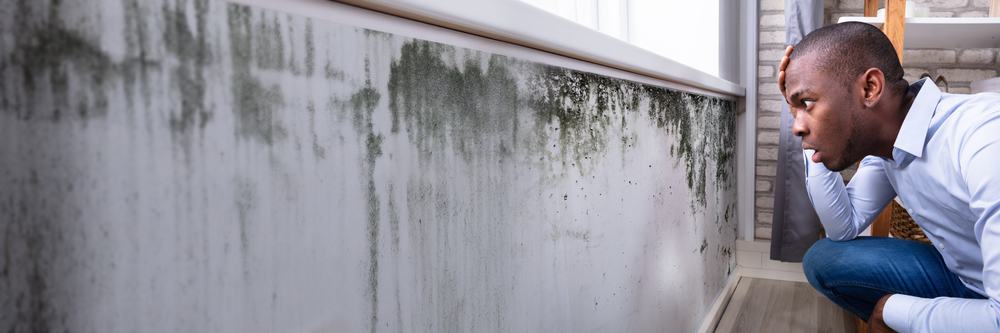
Oceanside sits on the South Shore of Long Island, and that geography comes with a moisture reality that inland Nassau County towns simply don’t face. The bay channels, the coastal humidity, the post-war homes built on filled swampland it all adds up to conditions where mold doesn’t just happen after a major flood. It develops quietly, inside wall cavities, under subflooring, and in attic spaces, without a single visible sign until the problem is significant.
A professional mold inspection in Oceanside gives you a clear picture of what’s actually happening inside your home not just what’s visible on the surface. You get air quality data, surface sample results from a certified lab, and a written report with specific findings. That’s the difference between knowing your home is safe and just hoping it is.
For families living in Oceanside especially in homes built between the 1940s and 1960s with original materials and minimal moisture barriers that clarity matters. Whether you’re dealing with a musty smell you can’t locate, buying a home with a flood history, or following up after a storm event, the inspection is where you start getting real answers. And in a community where 71% of properties face severe flood risk over the next 30 years, real answers are worth having.
Mold Inspection Company Oceanside NY
We’ve been operating on Long Island for over three decades. That means we were here before Hurricane Sandy hit Oceanside’s southern neighborhoods in 2012, before the wave of mold problems that followed, and before most of the companies you’ll find in a Google search today even existed. Our track record was built on actual work not marketing.
Our owner, Richard Peterson, holds New York State mold assessor and mold remediator licenses under Article 32 of the NY Labor Law. Every technician on our team carries IICRC certification the industry’s highest credentialing standard so the person who shows up at your door isn’t a step below the person who sold you the job. We’re fully licensed, bonded, and insured, and we carry a dedicated Nassau County line at 516-698-1776 because Oceanside and the surrounding South Shore communities are core to what we do not an afterthought.
Mold Assessment Services Oceanside NY
The inspection starts with a full walkthrough of your home basement, attic, crawl spaces, and any area with a known or suspected history of water intrusion. In Oceanside, that often means paying close attention to the southern-facing sections of older homes near the bay channels, where groundwater sits higher and tidal influence can push moisture into foundations even without a named storm event.
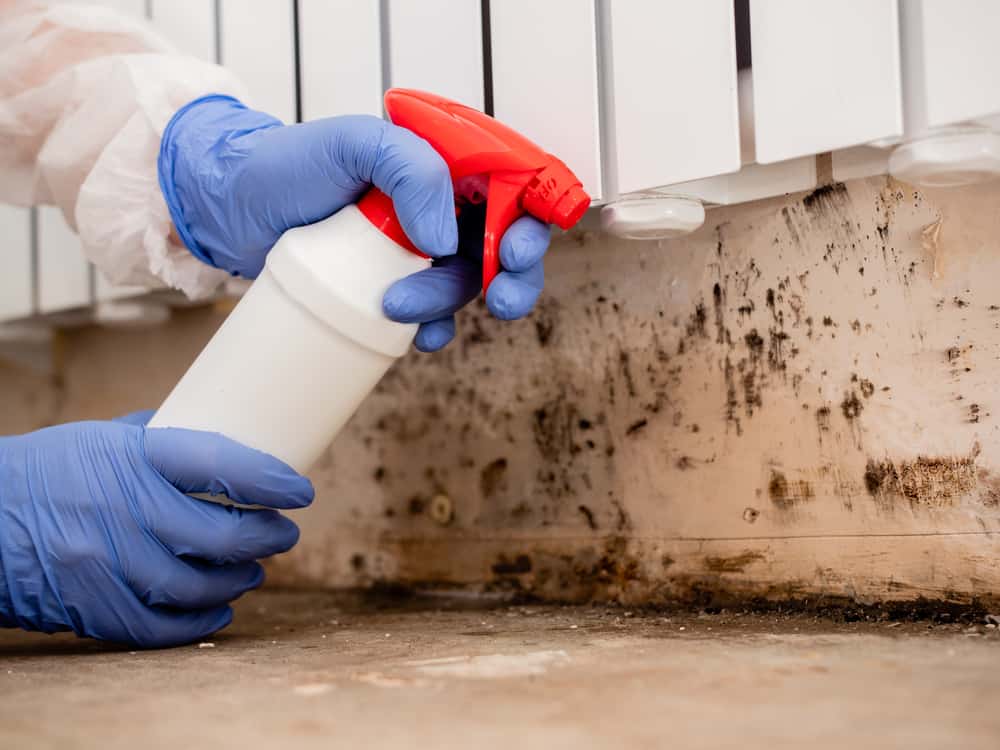
From there, we collect air samples from multiple areas inside your home and compare them directly against outdoor baseline readings. This comparison is what actually tells you whether your indoor air quality is elevated above normal not just whether mold spores exist, because some level of spores is present in every building. We take surface swab samples from areas of concern and send them to a certified third-party laboratory for species identification and concentration analysis.
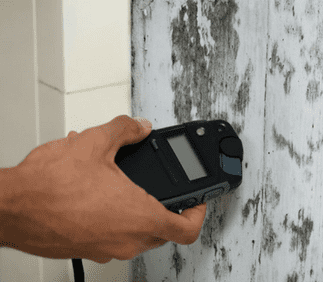
We use infrared thermal imaging throughout the inspection to detect temperature differentials behind walls, under floors, and inside ceiling cavities the places where moisture hides and mold grows long before it becomes visible. Once the lab results come back, you receive a written report with specific findings, photos of every identified source, and clear remediation recommendations. If you’re filing an insurance claim which many Oceanside homeowners in FEMA flood zones need to do that documentation is built to support it.
Ready to get started?
Black Mold Testing Oceanside NY
Our mold inspection in Oceanside is a five-point assessment that covers air testing, surface swab sampling, moisture level measurement with calibrated instruments, infrared scanning for hidden mold, and a full written report with lab results and remediation recommendations. This isn’t a visual walk-through where someone tells you what they think they saw. Every finding is documented, photographed, and backed by certified laboratory analysis.
New York State requires that all mold assessors operating in Nassau County hold a valid license under Article 32 of the NY Labor Law. That’s not optional it’s the legal standard, and it matters to you as a homeowner because unlicensed mold work creates liability and produces results that no insurance company or real estate attorney will accept. We meet every state requirement and carry the documentation to prove it.
Because we’re a full-service restoration company, the inspection doesn’t have to be where the process ends. If mold is found, the same team that identified it can remediate it and restore your home without you managing a handoff between multiple contractors who don’t know each other’s work. For Oceanside homeowners dealing with older homes, ongoing moisture issues, or the aftermath of a storm, having one experienced team handle the entire process from inspection through restoration is a practical advantage that most competitors in this market simply can’t offer.
How do I know if my Oceanside home needs a mold inspection?
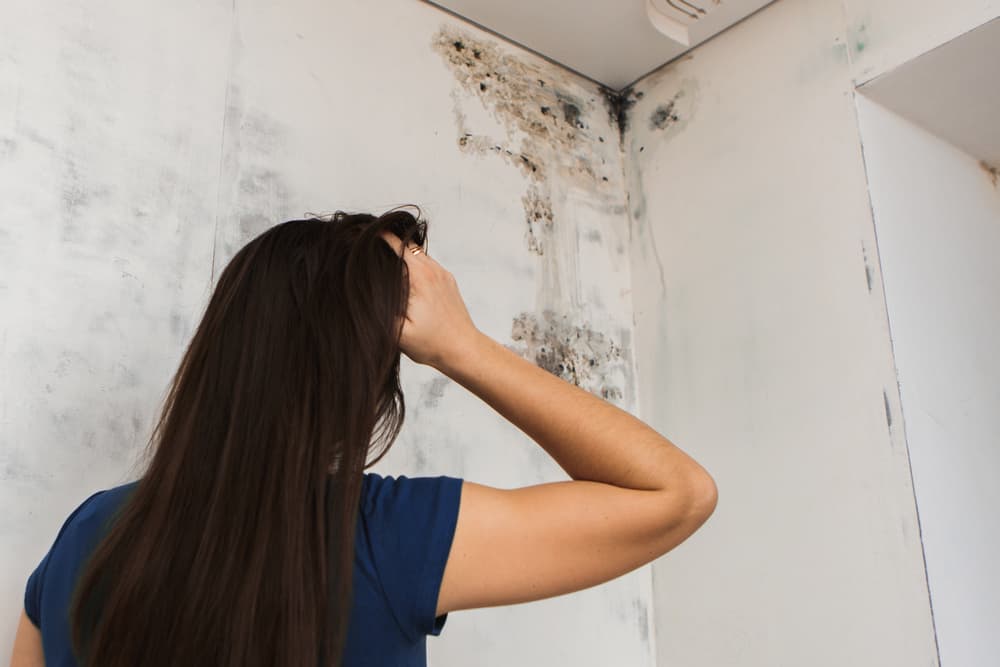
The most common signs are a persistent musty odor you can’t locate, visible discoloration on walls or ceilings, or a history of water intrusion even if it seemed minor at the time. In Oceanside specifically, the combination of older housing stock, high water table conditions, and the community’s documented flood exposure means that moisture problems often develop gradually and stay hidden inside wall cavities or under flooring long before they become visible.
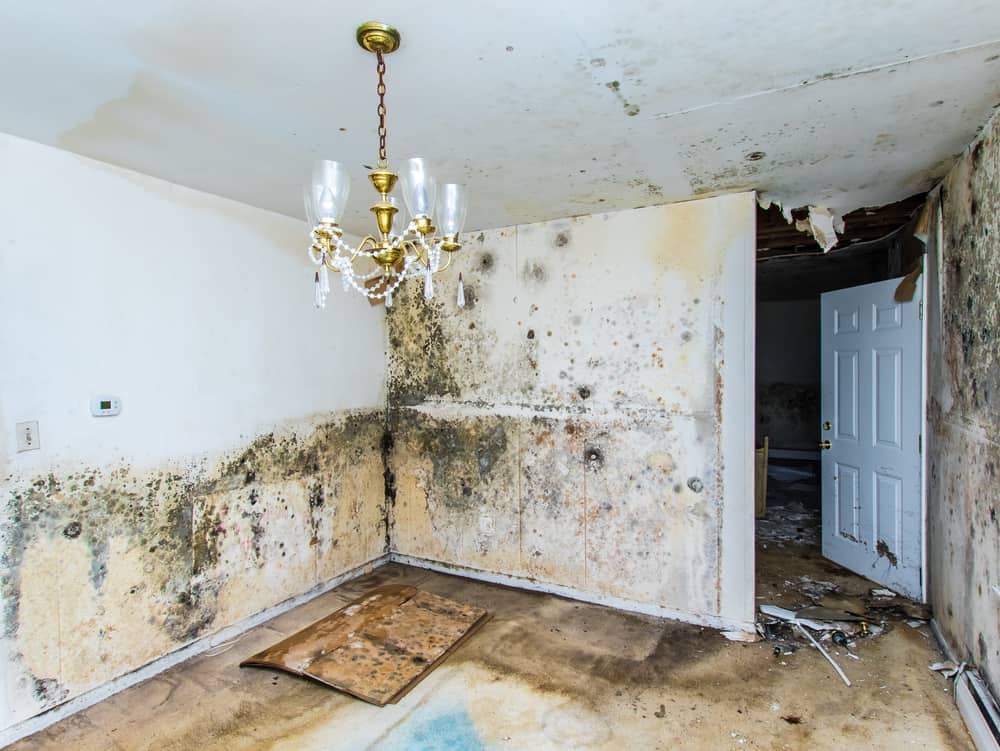
You don’t need to see mold to have a mold problem. If your Oceanside home flooded during Sandy or any subsequent storm event, if your basement has ever taken on water, or if you’ve noticed unexplained respiratory symptoms or allergy flare-ups in family members, those are all reasonable grounds for a professional inspection. The cost of finding out is significantly lower than the cost of discovering a serious problem after it’s had more time to spread.
What does a professional mold inspection in Oceanside, NY typically cost?
Costs for a professional mold inspection in Nassau County typically fall in the range of $300 to $1,000 or more, depending on the size of the home, the number of samples collected, and the scope of the assessment. Oceanside’s housing stock which includes a wide range of home sizes from smaller post-war Cape Cods to larger waterfront properties near the bay means the actual cost will vary based on your specific property.
What’s worth understanding is what that cost includes. A thorough inspection with air testing, surface sampling, infrared scanning, and a certified lab report is a fundamentally different product than a basic visual walk-through. The lab-backed written report you receive at the end isn’t just a summary it’s documentation that holds up with your insurance company, your real estate attorney, and Nassau County health officials if needed. For a home valued at the Oceanside median of over $650,000, that level of documentation is worth the investment.
Is mold common in Oceanside homes, and what causes it here specifically?
Mold is more common in Oceanside than in most inland Nassau County communities, and the reasons are specific to this area. Much of Oceanside was developed after World War II on land that was formerly swampland. That development history left many homes sitting on ground with higher-than-average moisture retention, which contributes to chronic basement dampness and elevated humidity in crawl spaces the exact conditions mold needs to establish and grow.
Add to that the South Shore’s coastal humidity, which regularly exceeds 60% during summer months the threshold at which mold can begin growing within 24 to 48 hours and you have a community where mold risk is elevated year-round, not just after a major storm. Hurricane Sandy’s 2012 flooding of Oceanside’s southern neighborhoods was the most visible example of what happens when that risk goes unaddressed, but the underlying moisture conditions that drive mold growth here exist independent of any single storm event.
Does New York State require a licensed mold inspector for this type of work?
Yes. Under Article 32 of the New York State Labor Law, which took effect on January 1, 2016, all mold assessors and mold remediation contractors operating in Nassau County and throughout New York must hold a valid license issued by the NYS Department of Labor. That license must be renewed every two years and is backed by a minimum of $50,000 in liability insurance. Fines for unlicensed mold work in New York can reach $10,000.
This matters to you as a homeowner because hiring an unlicensed inspector leaves you with results that insurance companies, real estate attorneys, and courts won’t accept and it creates potential liability if the work is later challenged. Before you hire anyone for mold inspection in Oceanside, ask to see their NYS DOL license number. Our owner, Richard Peterson, is personally licensed as both a mold assessor and a mold remediator, and we meet every state requirement for operating in Nassau County.
How long does a mold inspection take for a typical Oceanside home?
For most single-family homes in Oceanside, the on-site portion of the inspection takes between two and four hours, depending on the size of the home and how many areas require detailed attention. Older homes particularly those built in the 1940s through 1960s with finished basements, original wall construction, and attic spaces that haven’t been accessed in years often take longer because there are more areas where hidden moisture and mold need to be evaluated carefully.
After the on-site visit, surface and air samples are sent to a certified third-party laboratory for analysis. Lab turnaround typically takes a few business days, after which you receive your written report with findings, photos, and specific remediation recommendations. If you’re working against a real estate closing deadline or need documentation for an insurance claim, it’s worth communicating that timeline upfront so the inspection can be scheduled and processed accordingly.
Can a mold inspection also help if I'm buying a home in Oceanside?
It’s one of the most practical uses for a professional mold inspection in this market. Oceanside’s housing stock is predominantly older, the community has a well-documented flood history, and a significant portion of properties in the hamlet sit in FEMA-designated flood zones. A general home inspector will note visible water staining or obvious mold growth, but they won’t collect air samples, run infrared scans for hidden moisture, or produce a lab-backed report that identifies mold species and concentration levels.
For buyers purchasing a home in Oceanside particularly one with a basement, a finished lower level, or any prior flood history a dedicated mold inspection gives you the full picture before you close. If mold is found, you have documented evidence to negotiate with. If it’s not, you have a certified report confirming the home’s air quality is within safe parameters. Either way, you’re making a decision based on real information rather than a visual impression, which matters considerably when you’re buying a home at Oceanside’s current median value of over $650,000.
Useful Links
Other Services we provide in Oceanside