

Hear from Our Customers
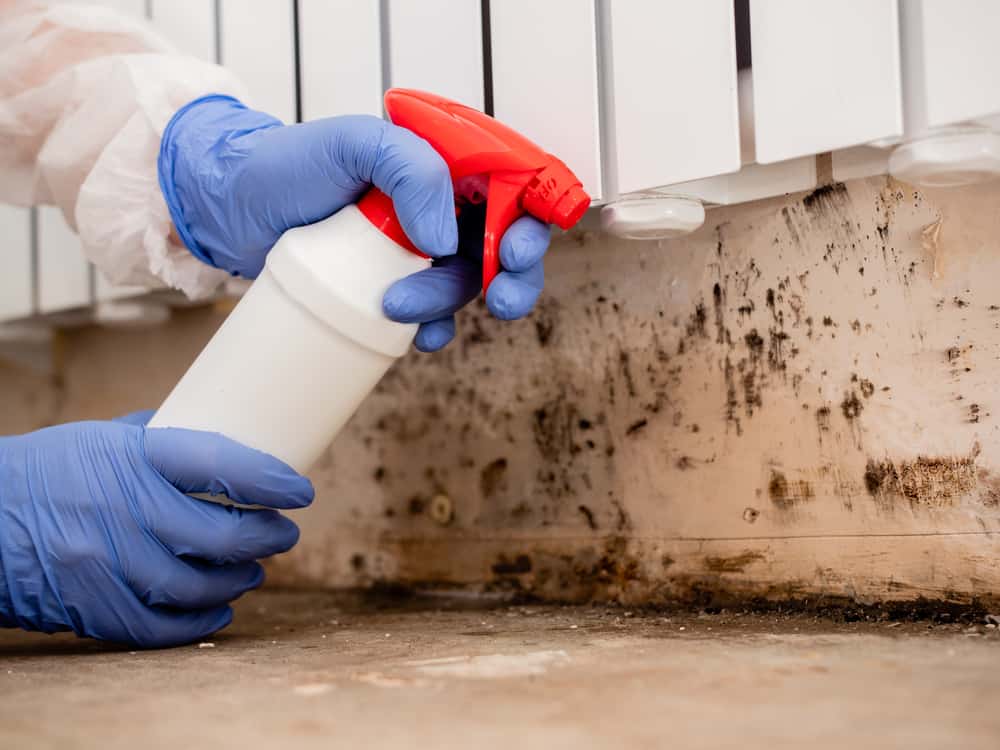
Plandome’s housing stock is stunning — and old. Plaster-and-lath walls, original plumbing, crawlspaces with no vapor barriers, attics that were never designed for modern ventilation standards. These aren’t just charm details. They’re the exact conditions that let mold grow quietly for years before anyone notices a smell or a stain.
Add Manhasset Bay to the picture. Coastal humidity on the North Shore runs high year-round, and when indoor humidity climbs past 60%, mold can take hold in as little as 24 to 48 hours. In a pre-war Plandome home with limited airflow and aging construction, that threshold gets crossed more often than most homeowners realize — especially in basements, attics, and wall cavities that rarely see light.
What changes after a proper mold inspection isn’t just peace of mind. It’s clarity. You know exactly what’s there, where it is, what species it is, and what it’s going to take to fix it. For a home worth over $2.5 million, that information isn’t optional — it’s the foundation of every smart decision you make next, whether you’re staying, selling, or just trying to protect your family’s health.
First Response Restoration and Cleaning Inc. has been working in Nassau County for over three decades, and we know Plandome specifically. Our owner Richard Peterson holds a New York State DOL license in both mold inspection and mold remediation — and every technician on our staff is IICRC-certified, not just the people at the top. The person who walks through your Plandome home carries the same credentials as the person who answered your call.
That matters here specifically. Plandome’s pre-war construction, the cesspool and septic infrastructure that the village relies on entirely, the tidal influence on the local water table — these aren’t abstract concepts to us. They’re the conditions we’ve been working around in homes throughout Plandome and the surrounding North Shore for 31 years. We know what we’re looking for and where to find it.
We’re licensed, bonded, and insured, and we operate 24 hours a day, seven days a week. One call to our Nassau County line — 516-698-1776 — gets you a real person, not a voicemail.
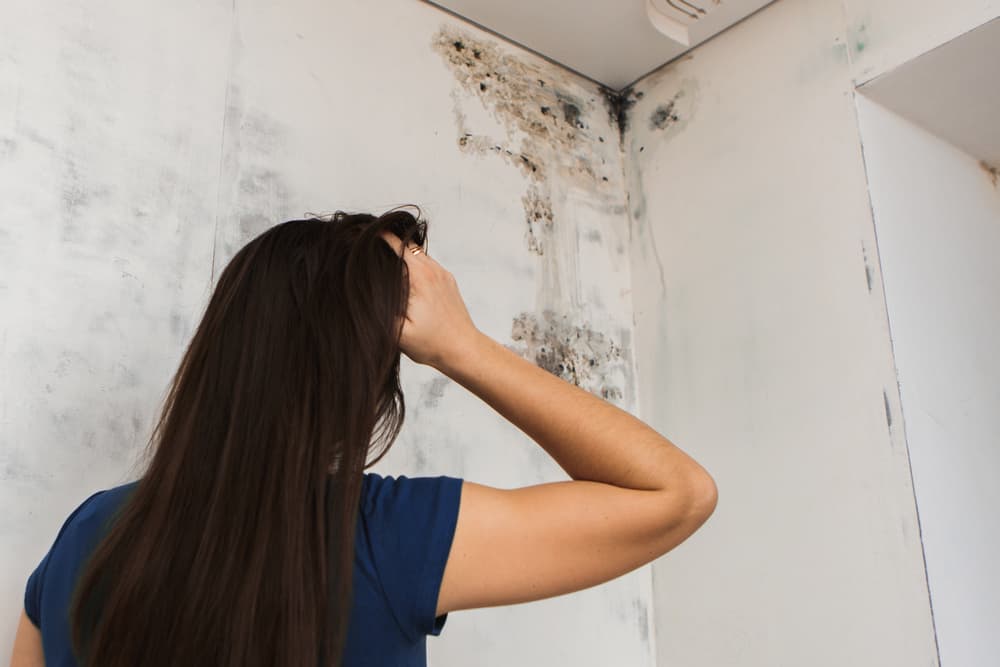
We start with a full walkthrough — not a glance at the basement and a handshake. Using infrared technology, we identify temperature differentials inside walls and ceilings that signal hidden moisture, the kind that doesn’t show up until it’s already feeding a mold colony. Moisture meters give us hard numbers in crawlspaces, around plumbing penetrations, and along foundation walls — areas that are especially vulnerable in Plandome homes that sit on cesspools and septic systems rather than municipal sewer lines.
From there, we collect air samples and surface swabs and send them to a certified laboratory. The lab identifies the species present, measures spore concentration levels, and compares your indoor air quality against an external baseline taken from outside your home. That comparison matters — it tells you whether what’s inside your house is actually worse than what’s in the air around it, which is the real measure of indoor air quality risk.
You receive a formal written report with all of it: lab results, photographs of every mold source, moisture readings, and specific remediation recommendations. New York State requires licensed mold assessors for this work under Article 32 of the Labor Law, and our documentation meets that standard fully. If your inspection is part of a real estate transaction — common in Plandome’s market — the report is formatted to satisfy attorneys, insurance adjusters, and buyers on both sides of the table.
Ready to get started?
The mold inspection service we provide in Plandome covers five core areas: air testing, surface swab sampling, water intrusion assessment, moisture level measurement with calibrated meters, and a full written report with certified lab results. Infrared imaging is included for detecting mold behind walls and inside cavities — not an add-on, not an upgrade. It’s part of the inspection because in a pre-war home, what you can’t see is usually the bigger problem.
For Plandome homeowners specifically, we pay close attention to basements and crawlspaces where groundwater pressure against aging foundations is a real and recurring issue. The water table on the Cow Neck Peninsula rises and falls with the tides, and in a home without a municipal sewer connection, that moisture has fewer places to go than it does in sewered communities. We also inspect attics closely — inadequate ventilation in pre-war roof systems is one of the most common sources of attic mold we find on the North Shore.
If the inspection finds a problem, we don’t hand you a report and disappear. We handle mold remediation and full property restoration as well, so you have one company managing the process from discovery to completion. For a home at the level Plandome properties represent, that continuity isn’t a convenience — it’s how you make sure the job gets done right.
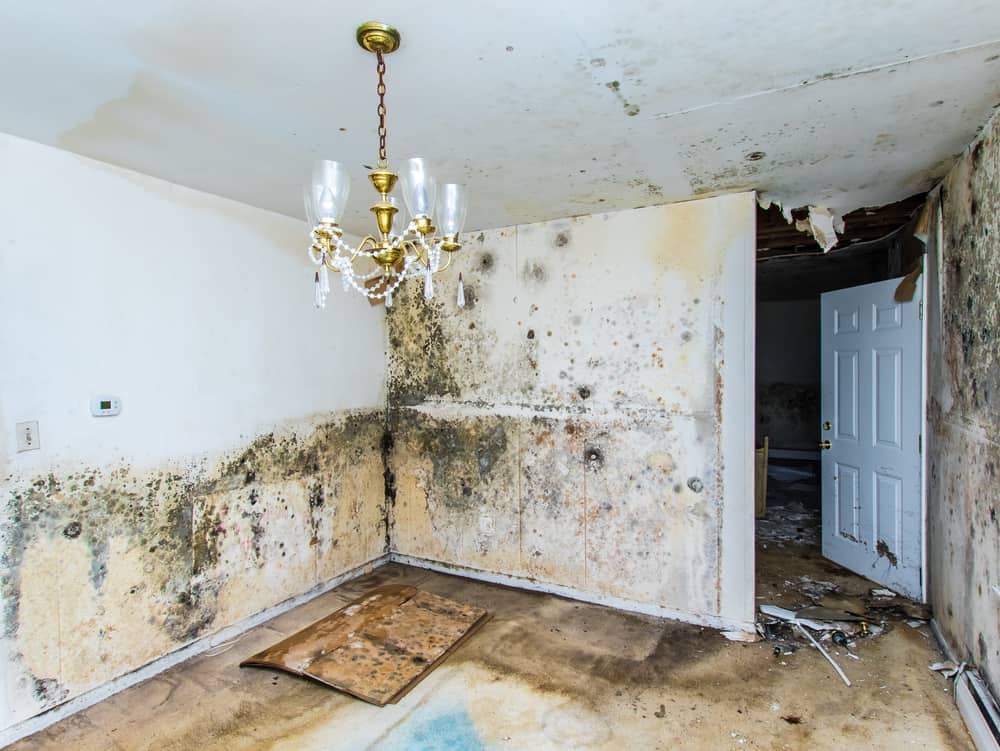
Visible mold is actually the easier problem to deal with — you can see it, so you know it’s there. The mold that causes the most damage in Plandome homes is the kind living inside wall cavities, under subfloors, and in attic spaces that haven’t been opened in years. Pre-war construction with plaster-and-lath walls and original framing gives mold a lot of places to grow that a visual check will never reach.
A professional mold inspection uses infrared imaging and moisture meters to find what’s hidden. If your home has any history of water intrusion — a slow plumbing leak, a storm that pushed water through the roof, or moisture seeping in through the foundation — there’s a real possibility that mold developed somewhere you can’t see. Finding it before it becomes a health issue or a deal-killer in a real estate transaction is almost always less expensive than dealing with it after.
Nationally, professional mold inspections run between $300 and $1,050, with most falling around $670 depending on the size of the home and the scope of testing involved. In Plandome, where the average home is well over 2,500 square feet and often has multiple levels, a crawlspace or basement, and an attic — all of which need to be assessed — you should expect to land somewhere in that range or above it for a thorough inspection that includes lab analysis.
What’s worth keeping in mind is the context. A home in Plandome averages around $2.6 million in value. The cost of a professional mold inspection is a fraction of what an undetected mold problem could cost you — whether that’s a failed real estate transaction, a remediation project that runs into the tens of thousands, or a health issue that takes months to trace back to your home’s air quality. The inspection fee is not where you cut corners on a property like this.
Yes, and it’s more direct than most people expect. Plandome has no connection to any municipal sewer system — every property in the village relies on cesspools or septic systems, many of which are decades old in pre-war homes. When those systems develop slow leaks, they saturate the surrounding soil. That saturated soil increases groundwater pressure against foundation walls and basement slabs, and that pressure creates persistent moisture intrusion pathways that don’t dry out on their own.
The moisture that migrates through a foundation wall under that kind of pressure doesn’t evaporate quickly in a basement with limited ventilation. It accumulates in building materials — concrete, wood framing, drywall — and creates the sustained damp environment that mold needs to grow. It’s a slow process, which is why homeowners often don’t notice it until the mold is well-established. A moisture assessment during a professional mold inspection will identify these pathways and give you a clear picture of whether your cesspool or septic situation is contributing to a moisture problem inside the home.
Living adjacent to Manhasset Bay is one of the things that makes Plandome what it is — but coastal proximity does create a measurable and year-round humidity exposure that inland Nassau County communities don’t deal with at the same level. Onshore breezes carry moisture-laden air, and the tidal influence on the local water table means that groundwater levels shift with the seasons in ways that directly affect basement and crawlspace moisture in Plandome homes.
Mold begins growing when indoor relative humidity stays above 60% for any sustained period. In a pre-war home near the bay — with limited vapor barriers, aging ventilation, and construction materials that absorb moisture readily — that threshold gets crossed more easily than it would in a newer, tighter-built home further inland. Our inspection includes an internal versus external air particle comparison, which tells you whether the mold spore levels inside your home are actually elevated relative to the coastal baseline outside. That comparison is what separates a real assessment from a guess.
For a purchase in Plandome’s price range, a professional mold inspection before closing is straightforward due diligence. A standard home inspection will flag obvious visible issues, but it won’t include air sampling, lab analysis, or infrared imaging of wall cavities. Those are the tools that find the problems that kill deals after closing — or worse, after you’ve moved in. Buyers’ attorneys in this market expect documentation, and a verbal assessment from an unlicensed inspector won’t satisfy them.
On the selling side, a pre-listing mold inspection gives you the opportunity to address any issues before they surface during a buyer’s due diligence process. In a village with limited inventory and transactions regularly exceeding $2 million, a mold finding that surfaces mid-negotiation has real leverage implications. Knowing what’s in your home before you list — and being able to show remediation documentation if needed — removes one of the more unpredictable variables in a high-stakes sale.
They’re related but not the same, and the distinction matters when you’re evaluating what you’re actually getting from a service provider. Mold testing refers specifically to the laboratory analysis component — collecting air samples or surface swabs and sending them to a certified lab to identify species and measure spore concentrations. Mold inspection is the broader process: the physical walkthrough, the infrared imaging, the moisture readings, the water intrusion assessment, and the written report that ties everything together.
Some companies offer testing only — they collect samples, send them to a lab, and give you results without the contextual inspection that explains what those results mean and where the problem is actually coming from. That’s a limited service. A full mold inspection includes the testing, but it also gives you the source identification, the moisture pathway analysis, and the remediation roadmap. For a pre-war home in Plandome with the structural complexity these properties carry, the inspection component is where the real value is — the lab results tell you what’s there, but the inspection tells you why it’s there and what to do about it.
Useful Links
Other Services we provide in Plandome