
Mold Inspection in Flanders, NY
Flanders Homes Hide Mold Where You Can't See It

Hear from Our Customers

Home Mold Testing Flanders, NY
A lot of Flanders homes were never meant to be lived in year-round. They were summer cottages built light, built fast, built for a few warm months. When those homes got converted to full-time residences, the moisture management didn’t keep up. Crawl spaces that sat damp all winter. Attics with no real ventilation. Wall cavities that absorbed years of coastal humidity without anyone looking inside. That’s where mold lives, and that’s exactly what a professional mold inspection in Flanders is designed to find.
The Peconic River and Flanders Bay don’t just make for a nice view. They keep the water table high, push moisture into foundations after storms, and load the air with the kind of sustained humidity that mold thrives in. Homes near Reeves Bay see this more than most tidal fluctuations, storm surge exposure, salt air. The conditions here are genuinely different from what you’d find in a suburban neighborhood further west on Long Island. A mold inspection built for those conditions with calibrated moisture meters, air and surface sampling, and infrared thermal imaging gives you a real picture of what’s happening inside your home, not just what’s visible on the surface.
That picture matters. Whether you’re buying a property on the east end of Route 24, reopening a seasonal home after winter, or dealing with a musty smell that won’t go away, knowing what you’re dealing with is the only way to make a smart decision. Lab-verified results and a plain-English written report give you something you can actually use in a negotiation, an insurance claim, or a conversation with a contractor.
Licensed Mold Inspection Company Flanders, NY
We’ve been working in Suffolk County since before most of today’s Flanders homeowners bought their properties. That’s 31 years of nor’easters, seasonal home conversions, post-storm water damage, and the specific moisture conditions that come with living at the edge of the Peconic estuary. This isn’t a franchise that recently added the East End to a service map. We’re a Long Island operation with real history in this region.
Every technician who walks into your home carries IICRC certification not just the owner, every person on our team. We hold both the New York State Mold Assessor License and the Mold Remediator License, which you can verify directly through the NY Department of Labor’s online database before you ever pick up the phone. Both licenses. Verifiable. No guessing.
From a converted ranch off Flanders Road to a waterfront property near Reeves Bay, we’ve seen what Suffolk County’s coastal climate does to homes over time. That experience shows up in how we run the inspection methodically, thoroughly, and with the documentation to back it up.
Mold Assessment Services Flanders, NY
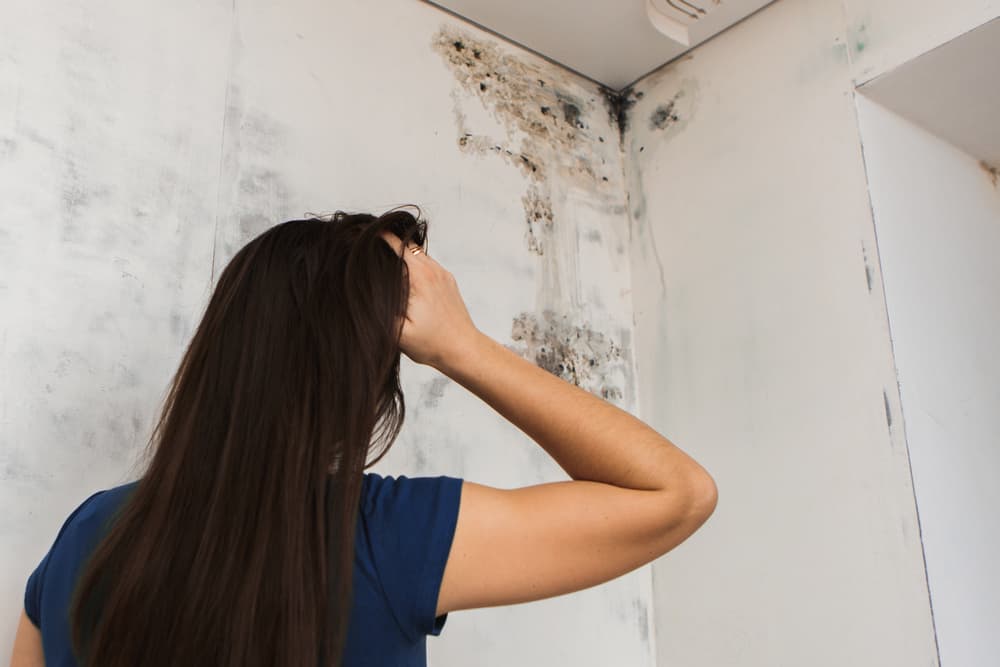
The inspection starts with a walkthrough not a quick visual scan, but a systematic review of the areas where moisture problems in Flanders homes tend to show up first: crawl spaces, attic spaces in older converted cottages, bathroom walls, and any area near the foundation that could be pulling in groundwater. From there, air samples are collected and sent to a certified laboratory for spore analysis. Surface swab samples are taken where there’s visible growth or suspected contamination. Moisture levels are measured throughout the home using calibrated meters, and every finding is photographed.
What separates this process from a basic walkthrough is the infrared thermal imaging. Moisture behind walls, under floors, or inside ceiling cavities shows up as a temperature differential on thermal imaging equipment no demolition required. In Flanders, where older homes often have wall assemblies that were never designed to manage year-round coastal humidity, this step catches what a visual inspection simply cannot. It’s especially relevant for homes that have taken on water from a storm event or experienced a slow foundation leak over time.
After the lab results come back, you receive a written report in plain language what was found, where it was found, what type of mold it is, and what the recommended next steps are. If your situation involves an insurance claim, we handle the documentation and communication with your insurer from the start. You don’t have to figure out how to translate a lab report for an adjuster. That part is handled.
Ready to get started?
Residential Mold Inspection Flanders, NY
A full mold inspection in Flanders through our team covers five documented steps: airborne spore sampling, surface swab collection, water intrusion inspection to identify the moisture source, moisture level measurement with calibrated equipment, and photographic documentation of every finding. The inspection also includes an indoor-to-outdoor spore count comparison a control sample that tells you whether the mold levels inside your home are elevated relative to normal outdoor conditions in the area. That context matters when you’re trying to understand whether what’s inside is a real problem or background-level variation.
For Flanders specifically, we account for the conditions that drive mold risk here: high groundwater near the Peconic River, tidal moisture exposure for waterfront properties, and the building characteristics common to converted seasonal homes undersized ventilation, older vapor barriers, crawl spaces that weren’t built for year-round occupation. Attic mold inspection and basement mold inspection are both included where applicable, because those are the spaces that accumulate moisture quietly over years without anyone noticing.
We handle both residential and commercial mold inspection in Flanders and the surrounding Southampton Town area. If mold is found and remediation is needed, our licensed team can carry the project through remediation and reconstruction so you’re not left coordinating multiple contractors in a market where East End tradespeople are already stretched thin. One team, one project, start to finish.
Do I need a mold inspection before buying a home in Flanders, NY?
If you’re purchasing a property in Flanders especially one that was originally built as a seasonal cottage a professional mold inspection before closing is one of the smarter things you can do. A lot of the housing stock here was built for summer use and later converted to year-round occupancy, often without the moisture management upgrades that conversion requires. That means there’s a real chance of hidden mold in wall cavities, crawl spaces, or attic spaces that a standard home inspection won’t catch.
Beyond the health implications, mold has a documented effect on property value. Studies consistently show that disclosed mold history causes buyers to walk away or renegotiate significantly. A lab-verified inspection report gives you the information you need to make a clear-eyed decision whether that means proceeding with confidence, negotiating a price reduction, or requiring remediation as a condition of closing. In a market where Flanders properties are now selling at prices that weren’t imaginable a decade ago, that documentation is worth far more than the cost of the inspection.
How much does a professional mold inspection in Flanders, NY typically cost?
Nationally, professional mold inspections typically run between $303 and $1,043, with the average landing around $670. The exact cost for a Flanders home depends on the size of the property, how many areas need to be sampled, and whether the inspection requires additional steps like infrared thermal imaging for suspected hidden mold.
What’s worth keeping in mind is that the inspection is always the least expensive part of a mold problem. If mold goes undetected in a crawl space, behind a bathroom wall, or in an attic that was never properly ventilated the remediation cost climbs quickly. Average remediation runs $1,150 to $3,400 for most homes, and in cases involving structural damage, it can reach $20,000 or more. For Flanders homeowners dealing with properties near Reeves Bay or the Peconic River, where moisture intrusion risk is genuinely elevated, catching the problem early through a thorough inspection is the financially sound move.
What types of mold are most common in Flanders homes?
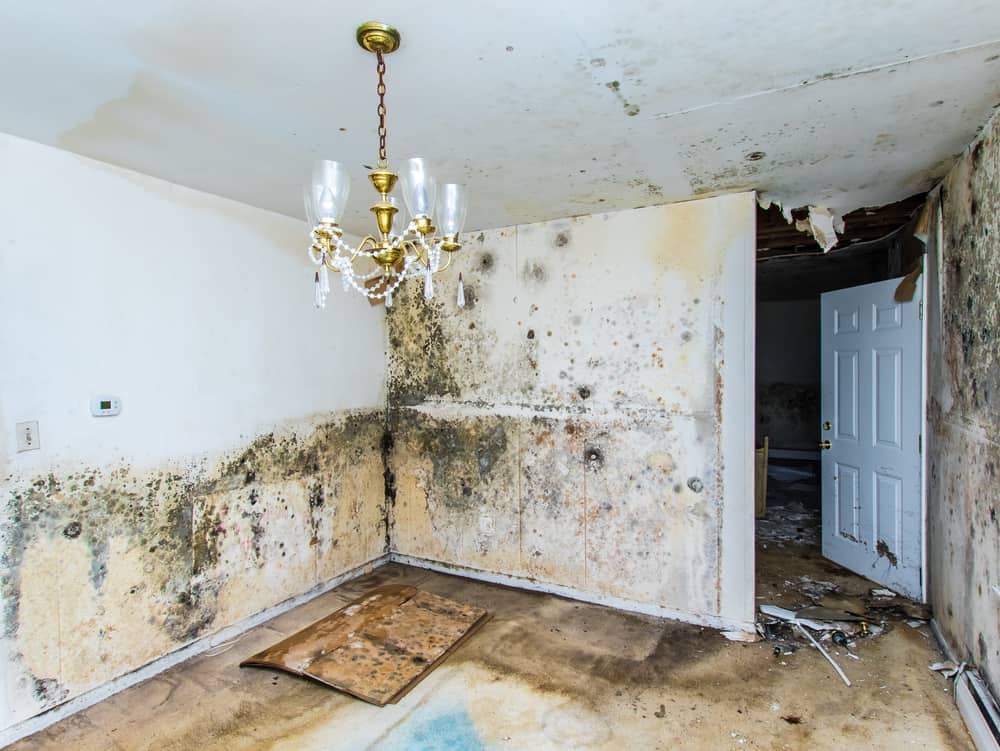
The most frequently identified molds in Long Island homes include Cladosporium, Penicillium, Aspergillus, and Stachybotrys chartarum the last of which is what most people refer to as black mold. Stachybotrys tends to develop in areas with sustained moisture exposure, which makes it particularly relevant in Flanders homes that have experienced repeated flooding, chronic basement dampness, or long-term water intrusion through an aging foundation.
The coastal conditions in Flanders high groundwater near the Peconic River, tidal exposure for waterfront properties, and the sustained humidity that comes with living near Flanders Bay create an environment where moisture problems can persist for years before anyone notices visible growth. By the time you see black mold on a surface, the underlying moisture problem has usually been active for a while. Air sampling during a professional mold inspection identifies what’s actually in the air including mold types that aren’t visible giving you a complete picture rather than just what’s showing on the surface.
Can mold grow in a Flanders home that doesn't have visible water damage?
Yes, and this is one of the more common misconceptions that leads people to skip an inspection when they probably shouldn’t. Mold doesn’t require a visible flood or a burst pipe to get started. It needs moisture and an organic material to grow on and in a Flanders home, both are usually available without any dramatic water event.
Condensation inside wall cavities, elevated groundwater pushing humidity up through a slab or crawl space, inadequate attic ventilation trapping warm moist air in winter these are slow, quiet conditions that build over time. Homes that were originally built as seasonal properties and later converted to year-round use are especially susceptible, because the original construction often didn’t include the vapor barriers or ventilation systems needed to manage continuous occupancy in a coastal climate. When indoor humidity stays above 60% for extended periods which happens regularly in Flanders during summer months mold can begin growing within 24 to 48 hours on any surface that holds moisture. A professional inspection with moisture meters and air sampling finds what’s actually happening, not just what’s visible.
Does First Response handle mold inspection for seasonal or second homes in Flanders?
Yes, and this is actually one of the more common inspection scenarios in Flanders. A property that sits closed for several months whether a seasonal home along the Route 24 corridor or a weekend retreat near Reeves Bay can accumulate significant mold growth during that time, especially if a heating system underperforms during a cold stretch or if there’s any undetected water intrusion from a storm.
When you reopen a seasonal property in spring, what you’re smelling may not just be stale air. A musty odor in a home that’s been closed is one of the more reliable early signs that something has been growing while no one was there. We can schedule an inspection quickly, collect air and surface samples, and get lab results back to you with a clear written report so you know what you’re dealing with before the summer season starts. For homeowners managing a Flanders property remotely, our full-service capability matters too: if the inspection finds a problem, our team handles remediation and reconstruction, without you needing to coordinate multiple contractors from a distance.
Is mold inspection in Flanders covered by homeowners insurance?
It depends on the cause of the mold. Homeowners insurance in New York typically covers mold remediation when the mold results directly from a covered peril a sudden pipe burst, storm damage, or flooding from a weather event. In Flanders, where homes near Reeves Bay and the Peconic River face documented flood risk, post-storm mold claims are not uncommon. If your mold problem traces back to a storm surge event or water intrusion from a nor’easter, there’s a reasonable basis for an insurance claim.
What most standard policies don’t cover is mold that developed from long-term moisture problems chronic basement dampness, years of inadequate ventilation, or gradual groundwater intrusion. That distinction matters, and it’s one of the reasons documentation from a licensed mold assessment is so important. We handle insurance communication and documentation from the first call through project completion, which means you’re not trying to translate a lab report for an adjuster on your own. If there’s a legitimate claim to be made, the paperwork supports it. If the situation isn’t covered, you’ll know that clearly too without any runaround.
Useful Links
Other Services we provide in Flanders