

Hear from Our Customers
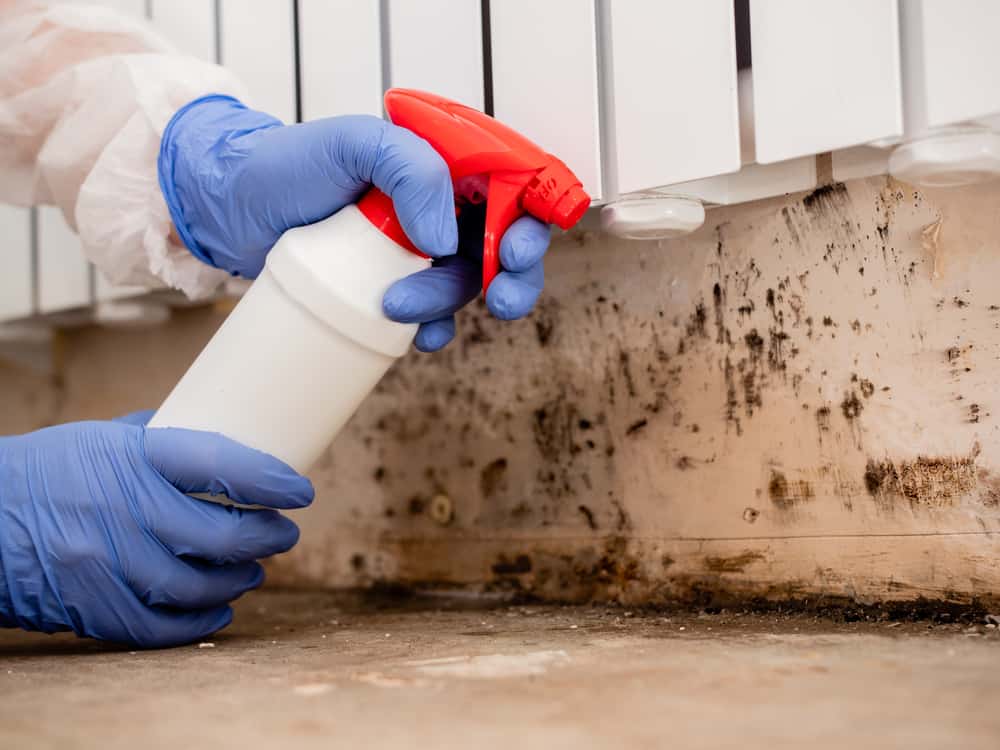
Most homeowners in Head of the Harbor don’t call about mold because they can see it. They call because something feels off — a musty smell in a basement that’s been there since the house was built, a family member with recurring respiratory issues, or a buyer’s attorney asking questions before closing on a $1.4 million property. What you need isn’t a guess. You need documented answers.
A professional mold inspection gives you exactly that. After the job is done, you know whether mold is present, where it is, what species it is, and what’s feeding it. You know whether that moisture source is coming from groundwater pressure against a stone foundation wall, condensation in an under-insulated attic, or water that found its way in during one of the extreme rain events that have repeatedly hammered the Harbor Road corridor. That’s not a minor detail — it’s the difference between fixing the problem and watching it come back.
For a home worth over a million dollars in a village of 525 houses, that clarity is worth more than the inspection costs. Buyers, sellers, attorneys, and insurance adjusters all want the same thing: a written report backed by accredited lab results. That’s what you walk away with.
We’ve been serving Long Island homeowners for 31 years — longer than most competitors in this space have been in business. That’s not a marketing number. It’s a track record built across Nassau and Suffolk Counties, including Head of the Harbor and the surrounding North Shore communities: Stony Brook, St. James, Nissequogue, and the broader Smithtown area.
Our owner, Richard Peterson, holds both a New York State Mold Assessor license and a Mold Remediator license — the two credentials New York law has required since 2016. Every technician on our team carries IICRC certification. That’s not the owner being certified while the crew learns on the job. It’s a company-wide standard.
What that means for you is straightforward: one licensed team that can take you from the first inspection through full remediation and reconstruction if needed. No handoffs. No coordinating three separate contractors on a property that deserves better than that.
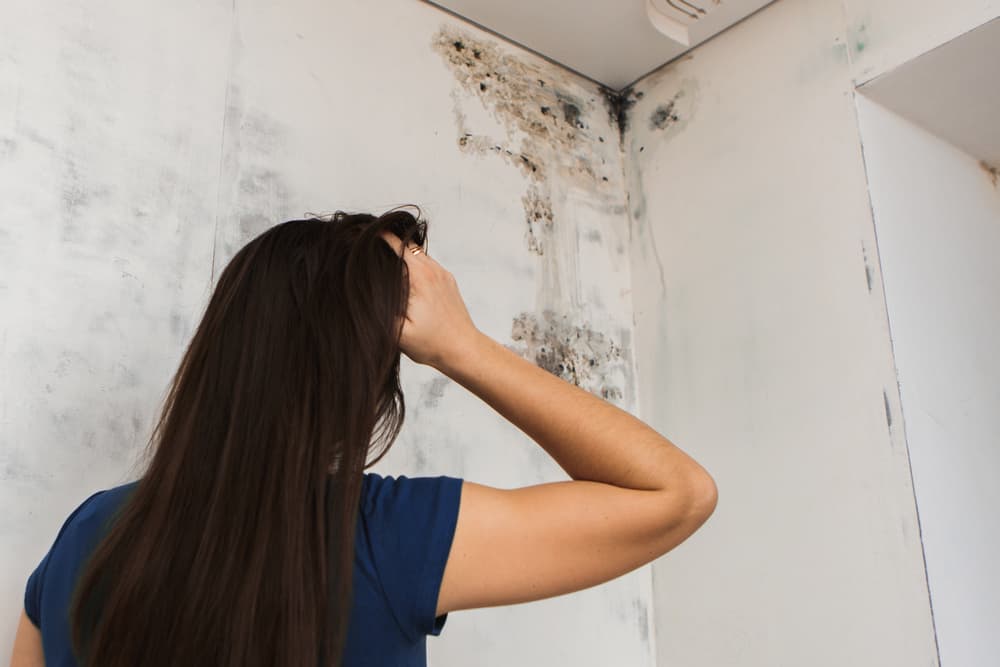
The inspection starts before we open a wall. Using infrared thermal imaging, our team scans for temperature differentials inside wall cavities, under flooring, and across ceiling planes — the kind of hidden moisture that sits undetected for years in homes built before vapor barriers were standard practice. In Head of the Harbor, where homes routinely date to the 1920s and 1930s, that matters more than it would in a newer subdivision.
From there, air sampling captures airborne spore concentrations throughout the home, and swab samples are collected from any surfaces showing visible growth. Moisture levels are measured at multiple points throughout the property using calibrated instruments — not a visual estimate. Every sample goes to an accredited laboratory for analysis. You’re not getting an opinion; you’re getting lab data.
The written report you receive at the end includes the lab results, mold species identification, moisture source findings, photographs of every identified problem area, and specific recommended next steps. If your property falls within the historic area along Route 25A, or if the work involves anything near the Stony Brook Harbor setback zone, we format the report to support the permitting documentation your village building department will require. That’s a detail most inspection companies don’t think about. We do.
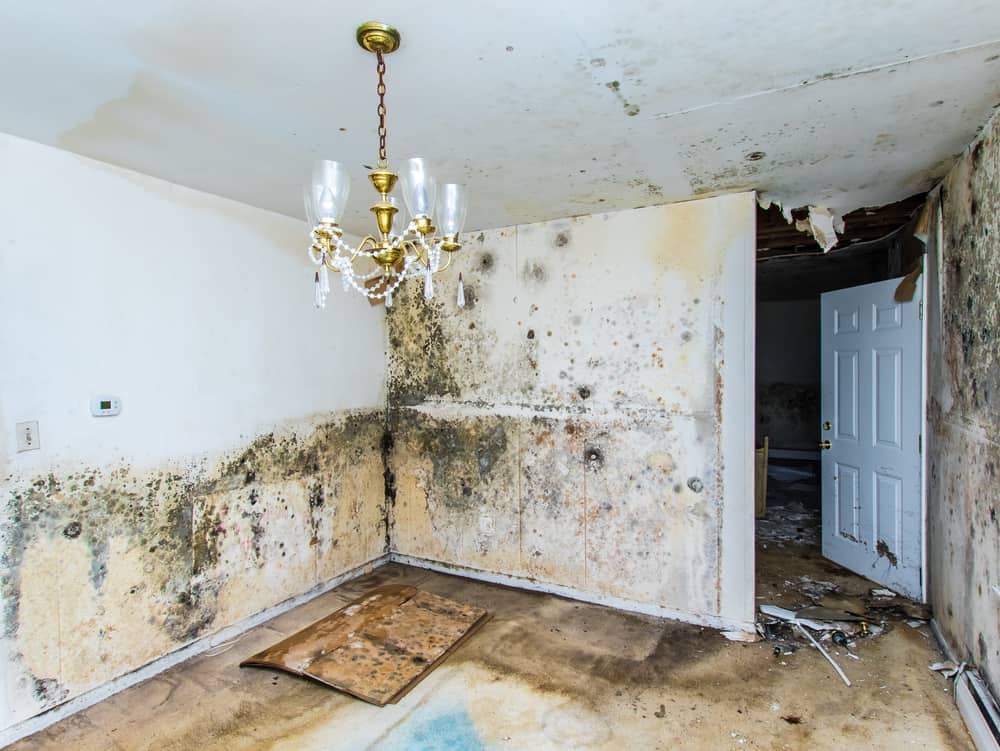
Ready to get started?
The inspection covers the full picture: air testing, surface swab sampling, water intrusion assessment, calibrated moisture measurement, infrared thermal imaging, internal and external mold particle comparison, a complete damage assessment, and a written report with lab-verified findings. That’s not a checklist — it’s a process designed to find what a visual walkthrough misses, which in older homes is usually quite a lot.
In Head of the Harbor specifically, we pay particular attention to attic spaces and crawl areas. The village’s eight consecutive years of Tree City recognition reflects something real about the environment here — dense oak canopy keeps rooflines shaded and damp long after rain events, and that sustained moisture is exactly what drives attic mold in homes that were never built with adequate ventilation for that condition. Basement and foundation walls in pre-1940 construction are another consistent focus, given the documented drainage challenges this area carries and the hydrostatic pressure that comes with it.
If the inspection reveals a problem, you don’t need to find another company. We handle remediation and full reconstruction under the same roof, the same licenses, and the same team. From the first call to the final clearance test, one company manages the entire process — including communication with your insurance carrier if a covered event is involved.
Professional mold inspections typically run between $500 and $1,000 for a residential property, depending on the size of the home and the scope of testing needed. In Head of the Harbor, where homes frequently exceed 3,500 square feet on multi-acre lots and many were built before modern construction standards, a thorough inspection — one that includes infrared imaging, air sampling, swab collection, and lab analysis — will generally land in that range or slightly above for larger estates.
The more relevant number, though, is what you’re protecting. The median sale price in Head of the Harbor as of early 2025 is $1.2 million. Undetected mold can reduce a home’s value by 20 to 37 percent and cause up to half of prospective buyers to walk away from a deal entirely — even after remediation. Framed that way, a $700 inspection on a $1.2 million property isn’t an expense. It’s one of the more straightforward investments you can make in protecting what you own.
In homes built before 1940 — which make up more than a quarter of the housing stock in Head of the Harbor — the most consistent problem areas are attic spaces, basement and crawl space walls, and the cavities behind original plaster walls. Attic mold is particularly common here because the village’s heavy oak canopy keeps rooflines shaded and damp, and most of these homes were never built with the ventilation capacity needed to manage that sustained moisture load.
Basement and foundation walls are another frequent source. Many of the older homes in Head of the Harbor were built on stone or early concrete block foundations that were never waterproofed in any modern sense. Groundwater pressure against those walls — especially during the kind of extreme rain events that have caused documented flooding along Harbor Road — pushes moisture through the foundation and creates the damp conditions mold needs to establish itself. The problem is often well-established before anyone notices it.
A standard home inspection will note visible mold if it’s present, but it won’t test for airborne spores, identify hidden moisture behind walls, or produce the kind of lab-verified documentation that matters in a real estate transaction at this price point. For a property in Head of the Harbor — where you’re likely looking at a home worth $1 million or more, potentially with decades of deferred moisture issues baked into older construction — a dedicated mold inspection before closing is a reasonable step, not an overcautious one.
If mold is found after closing, the remediation cost falls entirely on you. If it’s found before closing, you have options: negotiate the price, require remediation as a condition of sale, or walk away. The inspection also gives your attorney something concrete to work with if disclosure questions come up. Given the age of the housing stock in Head of the Harbor and the moisture conditions that come with harbor proximity and heavy tree cover, it’s one of the more useful due diligence steps a buyer can take.
Black mold — Stachybotrys chartarum — gets a lot of attention, and some of it is warranted. It does require sustained, heavy moisture to grow, which means it’s most commonly found in areas with chronic water intrusion: flooded basements, persistently damp crawl spaces, or wall cavities that have been wet for an extended period. Those are exactly the conditions that exist in some of the older homes in Head of the Harbor, particularly those that experienced water intrusion during the severe flooding events that have affected this area.
That said, a mold inspection doesn’t target one species — it captures everything present. Air and surface samples are sent to an accredited lab that identifies every mold type found, including Stachybotrys if it’s there. The concern about black mold specifically is understandable, but the honest answer is that any mold growing inside a home’s living environment warrants attention. The inspection tells you what’s there, how much of it there is, and where it’s coming from — regardless of species.
For a typical residential property in Head of the Harbor, the on-site inspection takes two to four hours. Larger estates or homes with significant square footage, multiple levels, or complex attic and crawl space configurations may take longer — and given the size of many properties in this village, that’s worth accounting for when you schedule.
Lab results from the samples collected during the inspection are typically returned within a few business days. Once the lab results are back, the written report — which includes the findings, species identification, moisture source documentation, photographs, and recommended remediation steps — is compiled and delivered to you. If you’re working against a real estate closing deadline or need the documentation for an insurance claim, that timeline is worth discussing when you call so the scheduling can be coordinated accordingly.
It depends on the cause. Most standard homeowners’ insurance policies will cover mold remediation if the mold resulted directly from a covered event — a burst pipe, an appliance failure, or storm-driven water intrusion. What they typically won’t cover is mold that developed from long-term moisture issues, deferred maintenance, or gradual water seepage through an aging foundation — which, in a village with a significant proportion of pre-1940 homes and documented drainage challenges, is a fairly common scenario.
The inspection report plays a central role in the claims process. A well-documented report that connects the mold to a specific, dateable water event gives your adjuster something concrete to evaluate. We handle insurance communication and documentation from the initial inspection through project completion, which takes that process off your plate. If you’re unsure whether your situation qualifies as a covered loss, the inspection report is the starting point — it either supports the claim or clarifies what you’re dealing with so you can make an informed decision about next steps.
Useful Links
Other Services we provide in Head Of The Harbor