
Mold Inspection in Lake Grove, NY
Lake Grove Homes Hide Mold Here's How to Know for Sure

Hear from Our Customers
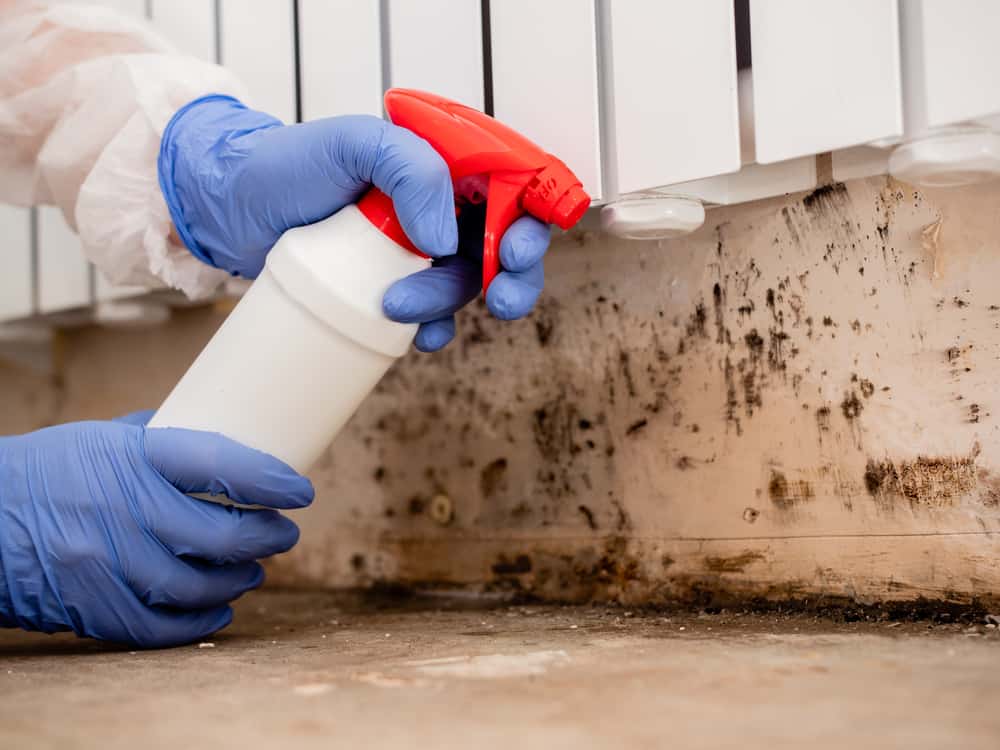
Mold Detection Services in Lake Grove
Most homeowners in Lake Grove don’t find mold mold finds them. A musty smell that won’t leave the basement. A family member with sinus issues that no doctor can quite explain. A dark spot behind the bathroom wall that appeared after last winter’s pipe freeze. By the time it’s visible, it’s usually been growing for a while.
A proper mold inspection in Lake Grove, NY gives you documented answers, not guesswork. You’ll know exactly what’s in the air, what’s on the surfaces, where the moisture is coming from, and what it’s going to take to fix it. That’s not a minor thing it’s the difference between addressing the actual problem and spending money on the wrong one.
Lake Grove’s housing stock mostly Ranches, Split-levels, and Cape Cods built between the 1950s and 1980s carries predictable vulnerabilities: aging basement moisture barriers, original plumbing that’s now pushing 60 or 70 years old, and attic spaces that were never designed for today’s humidity levels. Add in the elevated ambient moisture that comes with being close to Lake Ronkonkoma, and you have conditions where mold isn’t a rare event it’s an ongoing risk that deserves a real answer, not a guess.
Professional Mold Inspector in Lake Grove, NY
First Response Restoration and Cleaning Inc. has been working in Lake Grove and across Long Island since before Smith Haven Mall’s current anchor tenants were open. That’s not a throwaway line it means our team has spent three decades inside the exact type of mid-century housing that defines Lake Grove: the crawl spaces, the unfinished basements, the attic knee walls in Cape Cods that trap heat and moisture all summer long.
Richard Peterson holds both the NYS Mold Assessor license and the NYS Mold Remediator license required by New York State law since 2016 and verifiable through the NY Department of Labor. Every technician on our team carries IICRC certification. That’s not the owner’s credential covering a crew of trainees it’s every person who enters your home.
We are licensed, bonded, insured, and built for Suffolk County. The dedicated 631 line isn’t a call center it’s a direct line to a team that has been serving Lake Grove and communities across central and western Suffolk County for over three decades.
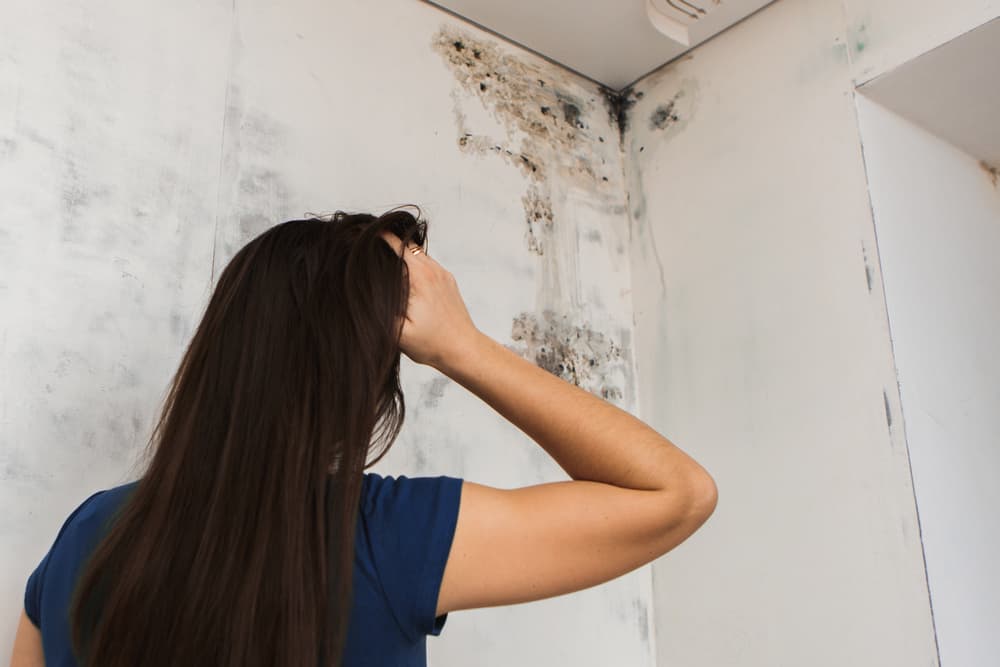
Mold Assessment Services in Lake Grove, NY
The inspection starts with a full walkthrough of your Lake Grove home not a quick scan, but a deliberate look at the areas where mold actually hides in older housing stock: basement walls and floor joints, attic decking and insulation, bathroom and kitchen wall cavities, and anywhere there’s been a known or suspected water event. From there, our team collects air samples using calibrated airborne spore sampling equipment and takes swab samples from any surface mold that’s visible or suspected.
Moisture levels are measured throughout your home using calibrated instruments, and any active water intrusion points are identified and documented. If there’s a reason to look behind a wall or beneath a floor, we use infrared thermal imaging it detects temperature and moisture differentials that no visual inspection can catch. This matters specifically in Lake Grove’s older homes, where slow plumbing leaks behind original tile walls can go undetected for years.
All samples go to a certified, accredited laboratory. When the results come back, you receive a written report in plain language mold species identified, moisture sources documented, and specific remediation recommendations included. If your inspection is part of an insurance claim common after the kind of basement flooding that hits central Suffolk County after a hard nor’easter the documentation is formatted to support that process from the start.
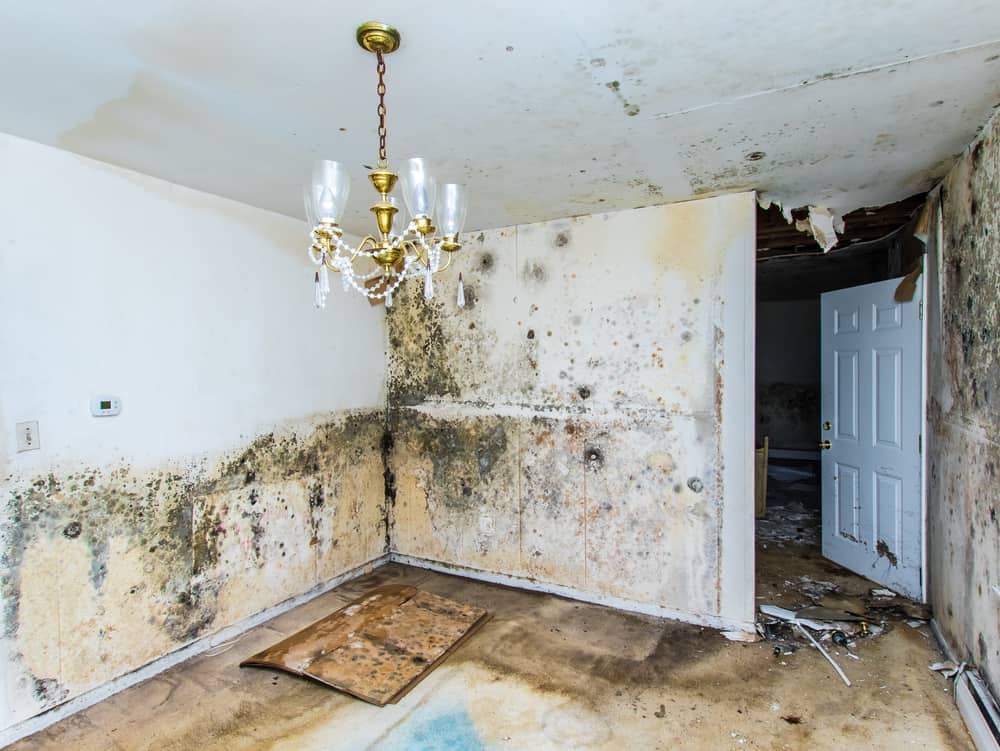
Ready to get started?
Residential Mold Inspection in Lake Grove, NY
Every mold inspection we conduct in Lake Grove includes air testing, surface swab sampling, moisture level measurement, water intrusion assessment, infrared thermal imaging where warranted, and full photographic documentation. The findings go to an accredited laboratory not just any testing service, but a certified lab whose results hold up in insurance negotiations, real estate transactions, and legal proceedings if it comes to that.
This matters in Lake Grove specifically because a significant number of mold events here are insurance-related. A pipe that burst during a January cold snap, a basement that flooded after a spring storm overwhelmed a 1960s-era drainage system these aren’t hypothetical scenarios, they’re the calls we actually get. The inspection report is built to support the full claim process, not just hand you a lab printout.
We also handle both the inspection and the remediation under the same licensed team which matters if your results come back showing active mold growth. New York State law requires the mold assessor and remediator to be separately licensed, and we hold both. You’re not starting over with a new contractor. You’re continuing with a team that already knows your home, your moisture sources, and exactly what needs to happen next.
How do I know if my Lake Grove home actually has a mold problem?
The most common signs are a persistent musty smell especially in basements or attics visible dark spotting on walls or ceilings, and unexplained health symptoms like chronic sinus congestion, headaches, or respiratory irritation that improve when you leave the house. In Lake Grove’s older housing stock, these signs often point to mold growing inside wall cavities or beneath flooring where it’s completely invisible from the surface.
The only way to know for certain is a professional mold inspection with air and surface sampling. Visual checks and home test kits from a hardware store can detect the presence of mold spores, but they can’t tell you what type of mold you’re dealing with, how concentrated the spore count is, or where the moisture source driving the growth actually is. A certified inspection gives you documented, lab-verified answers not a maybe.
What does a mold inspection in Lake Grove, NY typically cost?
Mold inspection costs on Long Island generally fall between $300 and $1,000 depending on the size of your home, the scope of the inspection, and whether specialized testing like infrared thermal imaging is needed. For a standard single-family home in Lake Grove a Ranch or Split-level in the 1,500 to 2,500 square foot range most inspections fall in the middle of that range.
It’s worth putting that number in context. If active mold growth is found and left unaddressed, remediation costs typically run between $1,500 and $20,000 depending on how far it’s spread. And if mold is discovered during a home sale which happens regularly in Lake Grove’s resale market buyers can and do walk away, or demand significant price reductions. The inspection cost is a fraction of either of those outcomes, and it’s the only way to know what you’re actually dealing with before it becomes a larger problem.
Does mold inspection in New York require a licensed assessor?
Yes and this is not optional. Since January 1, 2016, New York State law has required all mold assessors and mold remediators to hold separate licenses issued by the NY Department of Labor. This applies everywhere in New York, including Lake Grove and all of Suffolk County. Hiring an unlicensed inspector isn’t just risky it’s illegal on the contractor’s part, and the results won’t carry legal or insurance weight.
You can verify any mold assessor’s license through the NY DOL’s online contractor search tool before you hire anyone. We hold both the NYS Mold Assessor license and the NYS Mold Remediator license two separate credentials that most companies don’t hold together. It’s worth checking before you schedule, regardless of who you call.
What's the difference between mold inspection and mold testing?
Mold inspection refers to the full process: a physical walkthrough of the property, moisture measurement, identification of water intrusion sources, and collection of air and surface samples. Mold testing specifically refers to the laboratory analysis of those samples identifying what mold species are present and at what concentration levels.
In practice, a proper mold inspection includes testing as part of the process. What you want to avoid is paying for lab testing without a thorough physical inspection behind it because the test results alone won’t tell you where the mold is coming from or what conditions are allowing it to grow. In Lake Grove homes, where moisture issues often originate from aging plumbing, inadequate basement drainage, or poorly ventilated attic spaces, the inspection component is what identifies the source. Without it, you’re treating symptoms without understanding the cause.
Can mold grow in a Lake Grove home after basement flooding?
Yes and faster than most people expect. Mold can begin developing within 24 to 48 hours of a water intrusion event, which means a basement flood from a spring storm or a burst pipe during a January cold snap can produce active mold growth before the flooring even dries out. In Lake Grove’s older homes many of which have original basement drainage systems from the 1950s and 1960s flooding after heavy rainfall is a recurring reality, not a one-time event.
The important thing after any water intrusion is to have the space inspected even if it looks dry. Moisture can remain trapped inside wall cavities, beneath flooring, and inside insulation long after the surface appears dry to the touch. Infrared thermal imaging is particularly useful in these situations because it detects moisture that isn’t visible. If your basement flooded and you’re not sure whether mold has started, an inspection is the only way to know with certainty.
Should I get a mold inspection before buying a home in Lake Grove, NY?
A standard home inspection covers a lot of ground, but mold is typically outside its scope. Most home inspectors are not licensed mold assessors, and they’re not equipped to take air samples, measure moisture levels behind walls, or identify hidden mold growth with thermal imaging. If the home you’re considering in Lake Grove was built before 1990 which describes the majority of the village’s housing stock a dedicated mold inspection before closing is a reasonable step.
Lake Grove’s older Ranches, Cape Cods, and Split-levels carry real mold risk factors: decades-old plumbing, original basement construction without modern moisture barriers, and attic spaces that have gone through 40 or 50 summers of Long Island humidity. Mold discovered after closing becomes your problem and your cost. Mold discovered before closing gives you negotiating leverage or the information you need to walk away. Either way, you’re better off knowing before you sign.
Useful Links
Other Services we provide in Lake Grove