
Mold Inspection in Lloyd Harbor, NY
When Your Home Sits on Water, Mold Doesn't Wait

Hear from Our Customers
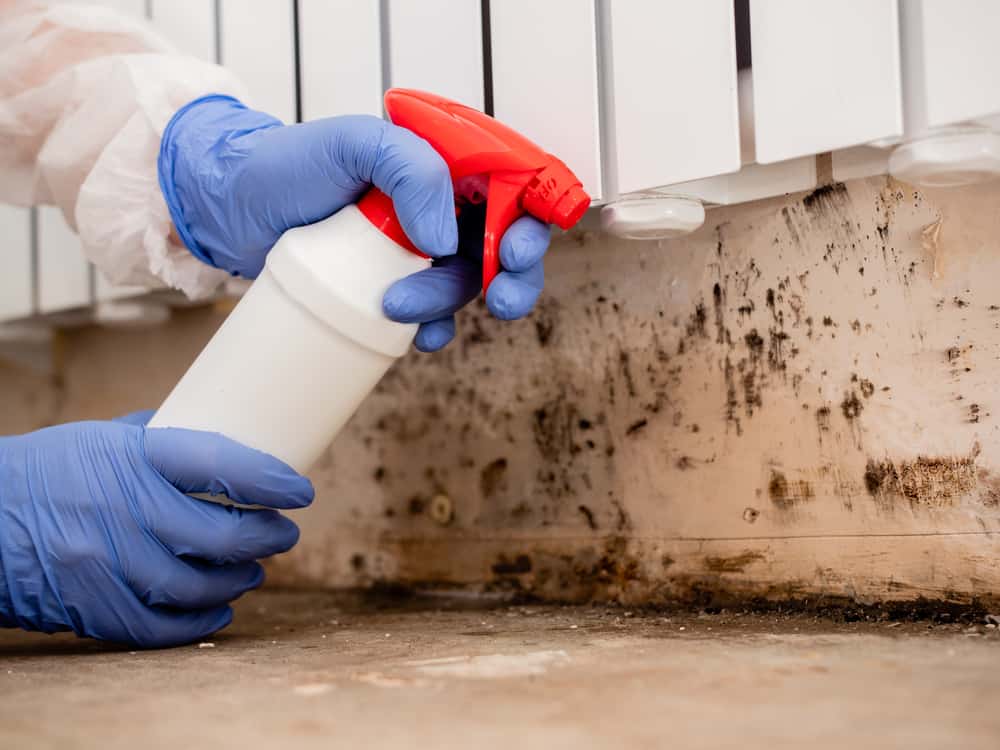
Mold Assessment Services in Lloyd Harbor
Living on a water-surrounded peninsula in Lloyd Harbor is genuinely beautiful and genuinely hard on a home. Long Island Sound to the north, Lloyd Harbor to the west, Cold Spring Harbor to the south. That much water means that ambient humidity never really lets up, and moisture finds its way into wall cavities, crawl spaces, and attic assemblies whether you notice it or not. By the time there are visible signs, mold has usually been growing for weeks.
A professional mold inspection gives you a clear, documented picture of what’s actually happening inside your home. Not a guess, not a visual scan lab-verified air and surface samples that tell you exactly which mold species are present, at what concentrations, and where the moisture source driving the growth is coming from. That clarity is what lets you act with confidence instead of anxiety.
For a Lloyd Harbor homeowner whether you’re protecting a historic estate on Lloyd Neck, preparing a waterfront property for sale, or responding to symptoms your family has been dealing with the value isn’t just peace of mind. It’s having documentation that holds up with your insurance carrier, your real estate attorney, and your contractor, all from a single inspection.
Licensed Mold Inspection Company in Lloyd Harbor
We’ve been serving Long Island homeowners since the early 1990s that’s over three decades of mold inspections, remediations, and reconstructions across Nassau and Suffolk Counties, including properties throughout the Town of Huntington and the Cold Spring Harbor area that Lloyd Harbor calls home. Richard Peterson leads the company as an owner-operator, and every technician on our team holds IICRC certification not just Richard. That’s a deliberate internal standard, not a marketing line. When someone shows up at your door, they’re credentialed to the same level as the person who built the company.
We hold both a New York State Mold Assessor license and a Mold Remediator license the two separate licenses required by state law since 2016. We’re fully licensed, bonded, and insured, and both licenses are publicly verifiable through the NY Department of Labor’s online database. If a company can’t point you there, that’s worth knowing before you hire anyone.
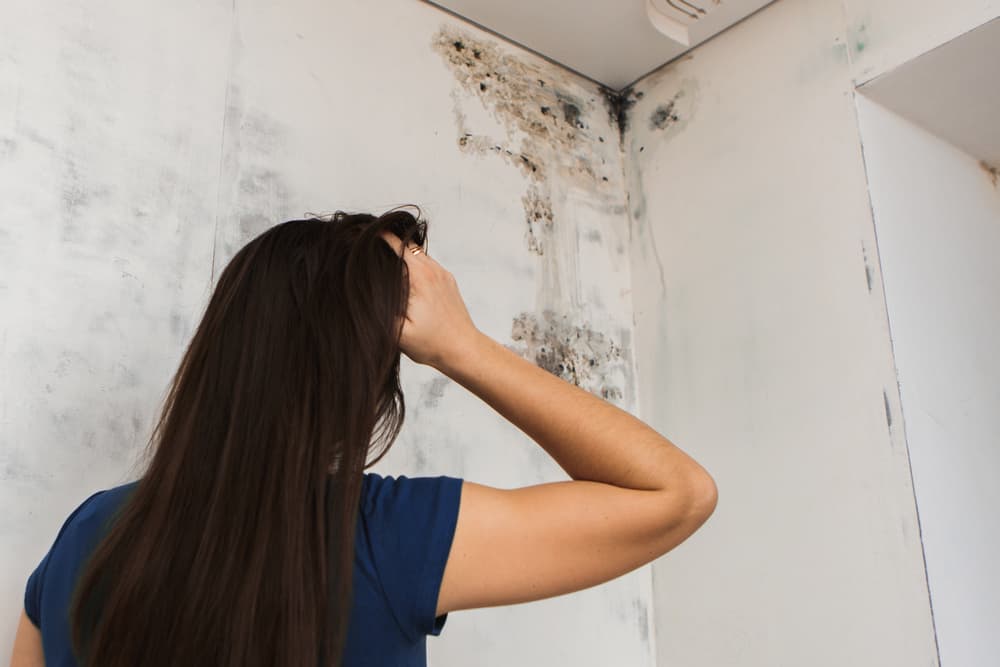
Professional Mold Inspector Process in Lloyd Harbor
The inspection starts with a walkthrough of your property not a quick look around, but a systematic assessment of every area where moisture can accumulate. In a Lloyd Harbor home, that typically means paying close attention to foundation walls, crawl spaces, basement levels, attic assemblies, and any areas adjacent to the waterfront or below grade. Older estates and historic structures on Lloyd Neck often have stone foundations and pre-modern vapor barriers that create moisture pathways that newer construction doesn’t have.
From there, we collect air samples and swab samples from suspect surfaces. Air sampling captures what’s floating in your indoor environment spore concentrations that you can’t see but can absolutely breathe. Surface swabs identify the specific mold species present at a given location. Both types of samples go to an accredited, certified laboratory for analysis. The results aren’t interpreted in-house by the same company trying to sell you remediation they come back from an independent lab.
Infrared thermal imaging runs alongside the sampling process. This is how hidden mold gets found the kind growing behind a wall assembly or inside a ceiling cavity after a nor’easter pushed water through a roofline or window frame. Once the lab results are back, you receive a written report in plain language: what was found, where, what species, what the moisture source is, and what remediation if any is recommended. If remediation is needed, we can handle that too, including any reconstruction and the insurance documentation that goes with it.
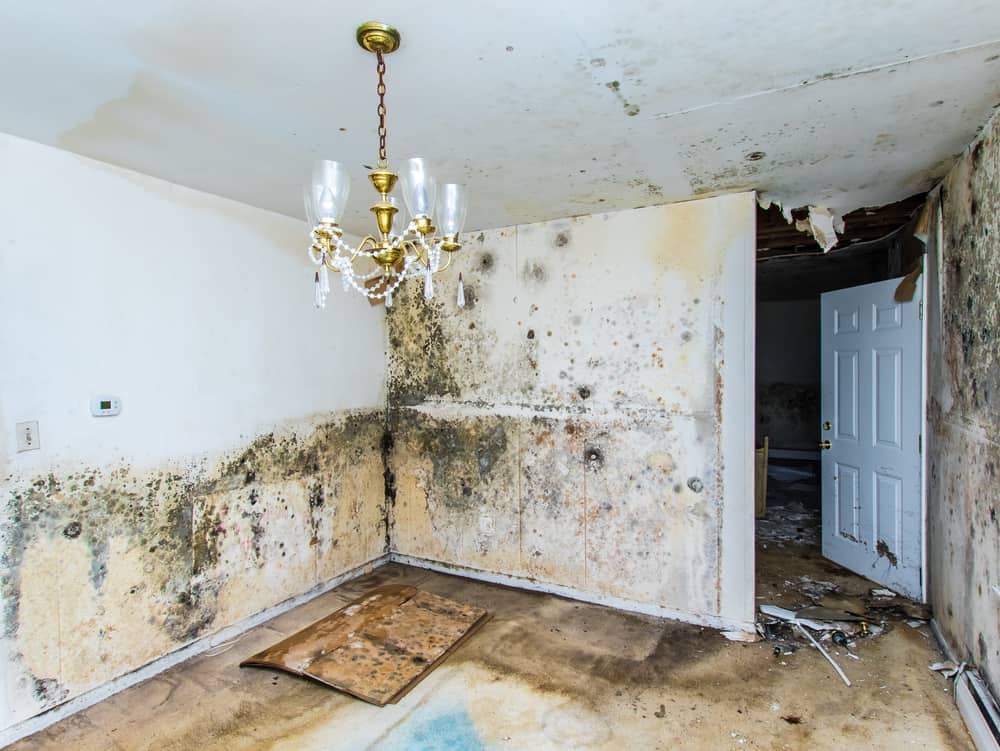
Ready to get started?
Residential Mold Inspection Services in Lloyd Harbor
Most mold inspectors are set up for a 1,400-square-foot ranch. Lloyd Harbor is not that market. The homes here range from newer luxury construction on two-acre wooded lots to Gold Coast estates with stone foundations, multi-zone HVAC systems, detached carriage houses, and finished lower levels that sit close to the water table. Our inspection process is built to handle that scale every zone, every wing, every crawl space gets assessed, not just the main living areas.
Our five-point inspection system covers air testing, surface swab sampling, water intrusion assessment, calibrated moisture measurement, and full photographic documentation. Infrared thermal imaging is included as a standard part of the process not an add-on because in a coastal community where moisture migrates through wall assemblies and foundation cavities, a visual inspection alone misses too much.
For homeowners in Lloyd Harbor navigating a pre-purchase inspection on a multi-million-dollar property, a post-storm assessment after a nor’easter hit the north-facing shoreline, or a health-driven inspection because someone in the family has been dealing with unexplained respiratory symptoms, the written report you receive is designed to be actionable. It tells you what was found, what it means, and what comes next in language you can actually use, not lab jargon. And if what comes next is remediation, we handle that under the same roof, with the same licensed team, including full insurance liaison from start to finish.
Does living near Long Island Sound actually increase mold risk in Lloyd Harbor homes?
Yes and it’s not a small difference. Lloyd Harbor sits on two water-surrounded peninsulas, with Long Island Sound to the north, Lloyd Harbor to the west, and Cold Spring Harbor to the south. That geography keeps ambient humidity consistently elevated year-round, which means the moisture conditions that mold needs to grow are essentially built into the environment. Salt air, coastal humidity, and proximity to tidal wetlands create a baseline moisture load that inland communities don’t deal with at the same level.
The US Harbors weather monitoring station for Lloyd Harbor has recorded coastal flood warnings with inundation levels of 1.5 to 2.5 feet above grade in vulnerable waterfront areas. Nor’easters hitting the north and northeast-facing shoreline drive water into rooflines, window frames, and foundation walls. Many Lloyd Harbor properties sit directly in the path of that exposure. Combined with the mature tree canopy that shades most lots and keeps soil moisture elevated, the conditions here are genuinely more favorable to mold growth than in most Long Island communities which is exactly why a professional inspection is worth doing before you assume everything is fine.
How much does a mold inspection cost in Lloyd Harbor, NY?
A professional mold inspection in Lloyd Harbor typically ranges from $300 to $1,000 or more, depending on the size and complexity of the property. For a standard single-family home, you’re generally looking at the lower end of that range. For a large estate, a multi-wing property, or a home that requires extensive infrared thermal imaging across multiple levels and outbuildings, the cost reflects that additional scope.
The more relevant number for most Lloyd Harbor homeowners is what a missed mold problem costs. With median listing prices around $4.68 million in this market, a mold finding that surfaces during a buyer’s due diligence after a deal is already in motion can collapse a transaction or trigger a significant price renegotiation. A mold problem that goes undetected for a season in a large home with complex HVAC and finished lower levels can spread into structural materials, turning a contained remediation into a full reconstruction. The inspection cost is not the number that should drive the decision.
What are the most common places mold hides in Lloyd Harbor properties?
In Lloyd Harbor specifically, the locations that come up most often are crawl spaces and basement areas near the foundation, attic assemblies where roof penetrations or ice dam damage has allowed water intrusion, and wall cavities adjacent to the waterfront or on north and northeast-facing exterior walls that take the most direct storm exposure. Older estates with stone or brick foundations some dating back to the early 1900s often have moisture pathways that predate modern vapor barriers entirely.
HVAC systems are another common source. Homes with multiple climate zones, finished wine cellars, home theaters, or lower-level living spaces create condensation risks around air handlers and ductwork that aren’t always obvious from the surface. Detached structures carriage houses, pool houses, guest cottages are frequently overlooked and can harbor significant mold growth without affecting the air quality in the main residence. The infrared thermal imaging we use during an inspection is specifically designed to find mold in these hidden locations, before it becomes a structural issue.
Does mold inspection in Lloyd Harbor require any permits or village approvals?
The inspection itself does not require a permit it’s an assessment, not a construction activity. However, if the inspection finds mold and remediation is needed, that’s where Lloyd Harbor’s regulatory environment becomes relevant. The Village of Lloyd Harbor has some of the most comprehensive building and environmental regulations of any incorporated village on Long Island. Any remediation work that involves removing and replacing structural materials drywall, insulation, framing will require a building permit reviewed by the village.
Properties adjacent to tidal wetlands or within designated critical environmental areas may also trigger additional review under the State Environmental Quality Review Act, depending on the scope of the work. Lloyd Harbor’s municipal code designates critical environmental areas that include upland areas adjacent to NYS DEC-designated tidal wetlands and a significant portion of the village’s residential properties fall near these buffers. Working with a company like ours that handles the full process from inspection through remediation and reconstruction means the permitting and documentation requirements get managed as part of the project, not handed back to you to figure out separately.
Can mold grow in a newer luxury home, or is it only a problem in older Lloyd Harbor estates?
Mold doesn’t care about the age of a home it cares about moisture. Newer luxury construction in Lloyd Harbor can actually create its own set of mold risks. Tighter building envelopes that reduce natural air exchange, complex multi-zone HVAC systems with more condensation points, finished basements and lower levels built close to the water table, and large square footage with areas that go unoccupied for extended periods all contribute to conditions where mold can establish without any visible warning signs.
Some Lloyd Harbor properties are used seasonally or as secondary residences. When HVAC systems are shut down for extended periods during high-humidity months, indoor humidity can climb quickly in a coastal environment and mold can colonize in as little as 24 to 48 hours under the right conditions. A pre-season inspection before a property is opened up, or a post-season check before it’s closed, is a reasonable maintenance step for any high-value home in a coastal community like Lloyd Harbor, regardless of how recently it was built.
What happens if the mold inspection finds something what are the next steps?
If the lab results come back with elevated mold concentrations or identify a specific species that warrants remediation, the written report will tell you exactly what was found, where it’s located, what the moisture source is, and what level of remediation is recommended. You’re not left with a list of alarming findings and no direction the report is written to be actionable, not just informational.
From there, we can move directly into the remediation phase without you having to source a separate contractor, re-explain the findings, or start the vetting process over. The same licensed, insured team that conducted the inspection handles the remediation using IICRC-standard protocols, and if structural materials need to be replaced drywall, insulation, framing the reconstruction is handled under the same project. For Lloyd Harbor homeowners dealing with a storm-related claim, we also manage the insurance documentation and adjuster communication from start to finish, which matters when you’re working with a complex policy on a high-value property and don’t have time to manage that process yourself.
Useful Links
Other Services we provide in Lloyd Harbor