
Mold Inspection in Mastic, NY
When Mastic's Waterways Follow You Home

Hear from Our Customers
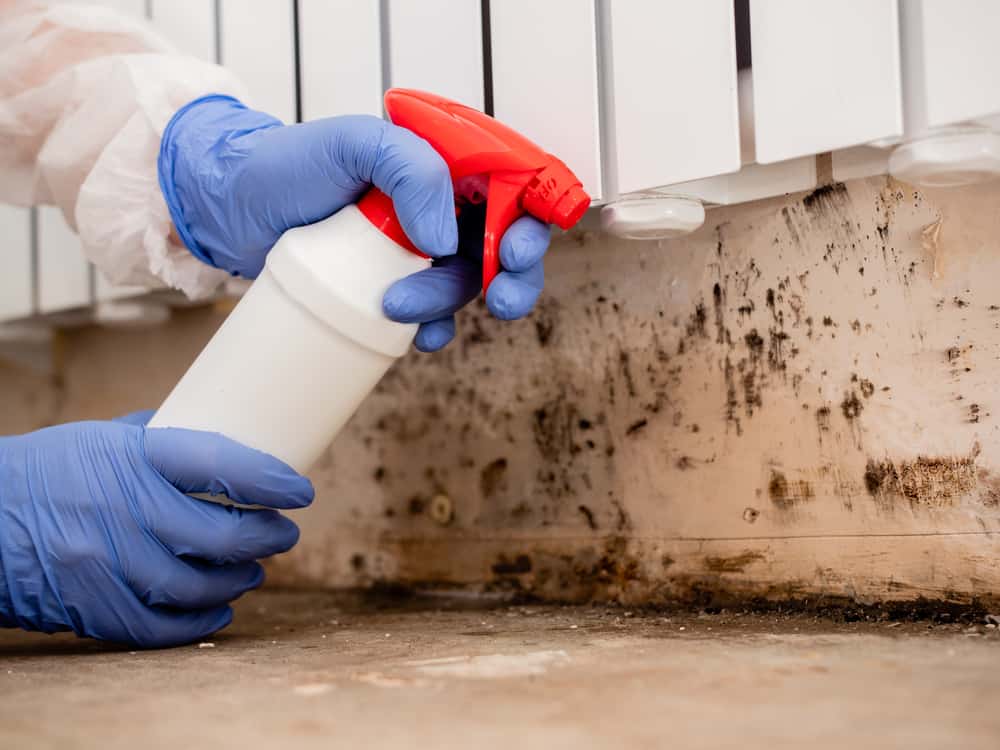
Mold Detection Services in Mastic
Most mold problems in Mastic don’t start with a flood. They start with the groundwater table that sits just below the surface year-round, quietly pushing moisture into foundations, crawl spaces, and the bottom courses of walls that were never built to resist it. By the time you smell something or see a stain, the mold has usually been growing for a while. A thorough mold inspection tells you exactly what’s there, where it is, and how far it’s spread so you’re not guessing, and you’re not overpaying a contractor to fix something that hasn’t been properly diagnosed.
For homeowners in Mastic whose properties have climbed from $110,000 in 2000 to over $400,000 today, that diagnosis matters. Mold can drop a home’s value by 20 to 37 percent and push buyers to walk away entirely. If you’re selling, buying, or just trying to protect what you’ve built, knowing the real condition of your home is not optional it’s financial common sense.
And if your home was impacted during Hurricane Sandy, this is especially relevant. A year after the storm, 75 homes in Mastic were still deemed uninhabitable. Many more were damaged but not condemned and not fully remediated. Mold that wasn’t properly addressed in 2012 doesn’t disappear. It waits.
Licensed Mold Assessors Serving Mastic, NY
We’ve been serving Long Island homeowners for 31 years including the South Shore communities along the Mastic peninsula that deal with flooding, groundwater pressure, and aging housing stock in ways that inland towns simply don’t. This isn’t a national franchise routing calls to whoever’s available. We’re a locally operated company with a dedicated Suffolk County line and technicians who know what coastal homes in Mastic actually face.
New York State has required all mold assessors and mold remediators to hold state-issued licenses from the NY Department of Labor since 2016. We hold both the Mold Assessor license and the Mold Remediator license. Every technician who walks into your home is also IICRC-certified. Not just the owner. Everyone. That’s our company policy, and it’s not something most companies in this space can honestly say.
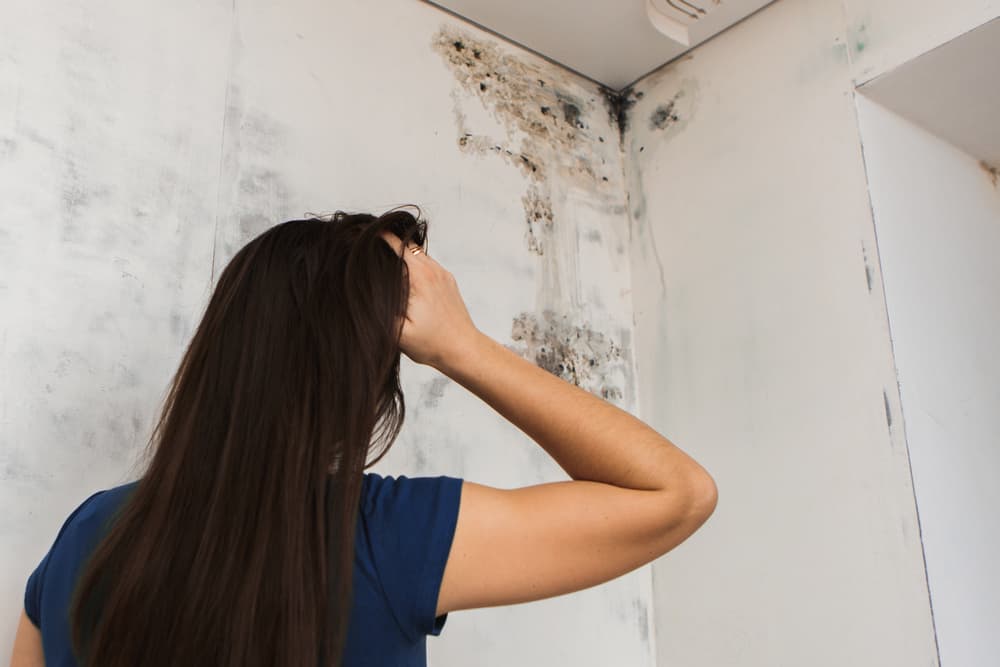
Mold Assessment Services in Mastic, NY
The inspection starts before we open a wall. First, we collect air samples from inside your home and compare them against outdoor baseline readings this tells you whether the air quality inside your Mastic home is elevated beyond what the environment outside already presents, which in a coastal community like this runs naturally humid. We take swab samples from any visible growth or suspicious surfaces. Then comes the water intrusion inspection, where we trace every possible entry point foundation seams, window frames, roof penetrations, plumbing lines.
We measure moisture levels throughout your home using calibrated meters that detect what eyes can’t. On top of that, we use infrared thermal imaging to scan walls, ceilings, and floors for hidden moisture pockets the kind that sit behind drywall in post-war homes built before vapor barriers were standard. In Mastic, where much of the housing stock dates back to the 1950s through 1980s, this step alone regularly finds problems that a standard visual inspection would miss entirely.
Every sample goes to an accredited laboratory for analysis. You get a documented, science-backed report not an opinion. If remediation is needed, we handle that too, along with any reconstruction required. One company, one call, start to finish.
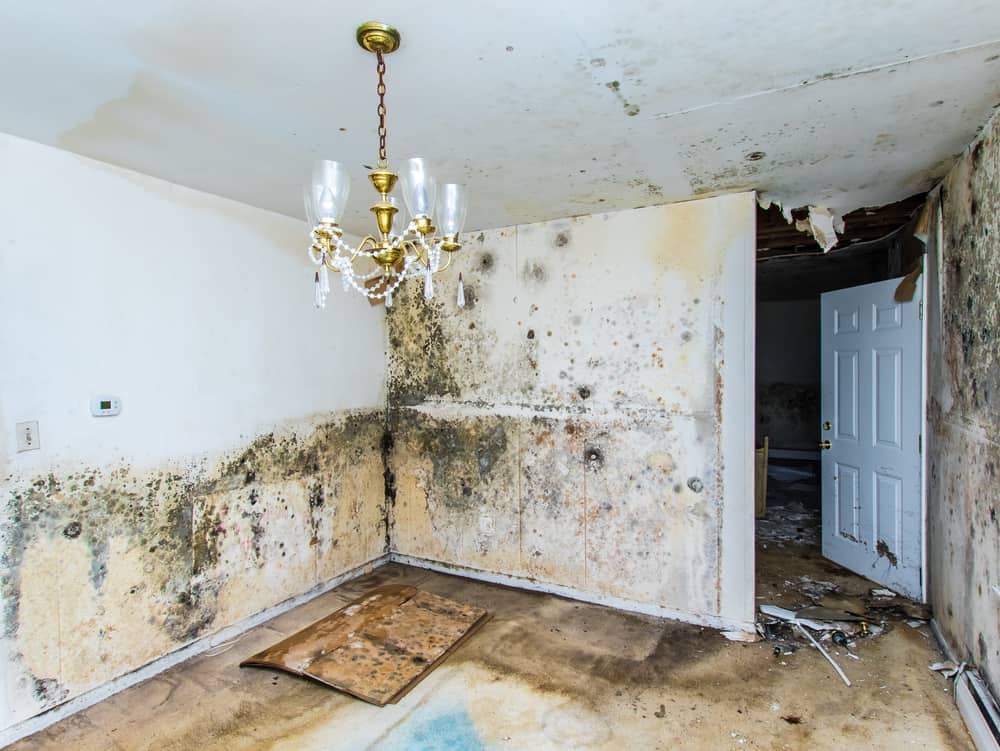
Ready to get started?
Residential Mold Inspection in Mastic, NY
Mastic’s homes face a specific combination of pressures high groundwater, peninsula humidity, storm surge history, and older construction that a one-size-fits-all inspection process isn’t built for. Our inspection accounts for all of it. We check basements and crawl spaces for chronic moisture intrusion, scan attics in older homes for condensation-driven mold that builds up every winter when heated air meets a cold, uninsulated roof deck, and look at HVAC systems that may be moving mold spores through ductwork without any visible sign on the surfaces.
For homeowners near the Forge River or in lower-lying sections of Mastic, we pay particular attention to foundation-level moisture and any evidence of prior flood intrusion. If your home was in the flood zone during Sandy or any subsequent nor’easter, that history matters and it gets factored into where we focus the inspection.
Our residential mold inspection in Mastic, NY covers the full property not just the areas where you can already see a problem. Black mold testing, indoor air quality testing for mold, and attic mold inspection are all part of the same comprehensive process. Commercial property owners in the area can also schedule a commercial mold inspection in Mastic, NY through our team. If mold is found, we handle remediation and reconstruction no handoff, no coordination gap, no starting over.
Does living near the Forge River actually increase my mold risk in Mastic?
Yes, and it’s not just about flooding. The groundwater table across the Mastic Neck Peninsula sits very close to the surface as a baseline condition before any storm event happens. Homes near the Forge River, Poospatuck Creek, and the lower-lying sections of Mastic are dealing with moisture pressure from below on a near-constant basis. Foundations and crawl spaces that weren’t built with today’s moisture-barrier standards absorb that pressure over time, and mold follows.
This is especially true in homes built in the 1950s through 1970s, which make up a significant portion of Mastic’s housing stock. If your basement feels damp even in dry weather, or if you’ve noticed a musty smell that comes and goes, that’s the groundwater environment doing what it does. A professional mold inspection will measure actual moisture levels throughout your home and identify whether that ambient pressure has created conditions where mold is already growing.
How much does a professional mold inspection in Mastic, NY typically cost?
A comprehensive mold inspection that includes air sampling, swab testing, moisture measurement, and lab analysis typically runs between $450 and $550 for a residential property. Larger homes or properties with multiple areas of concern may fall toward the higher end of the national range, which goes up to around $1,000 depending on scope.
The more useful number to hold onto is what undetected mold costs. Professional mold remediation averages $1,150 to $3,400 for most homes, and can run significantly higher when structural materials drywall, insulation, subfloor need to be replaced. On top of that, mold disclosure requirements in New York real estate transactions mean a known mold problem can drop your asking price or kill a deal entirely. For a Mastic home currently valued at over $400,000, a $500 inspection that catches a problem early is not an expense it’s protection.
My home was damaged during Hurricane Sandy. Is it too late to test for mold?
It’s not too late. Mold that wasn’t fully remediated after Sandy doesn’t self-correct it continues to grow, spreads into adjacent materials, and becomes harder and more expensive to address the longer it sits. In Mastic, where a year after the storm 75 homes were still deemed uninhabitable and many more were damaged without being condemned, there are properties throughout the community that were patched and moved back into without a complete professional assessment.
If your home took on water during Sandy or any storm since, and you haven’t had a licensed mold assessor do a full inspection including infrared thermal imaging behind walls and beneath flooring you don’t actually know the current condition of your home. Visible surfaces can look fine while mold colonies grow inside wall cavities and underneath original flooring. The inspection will tell you definitively what’s there, and if remediation is needed, we can scope and handle it properly this time.
What's the difference between a mold inspection and mold testing are they the same thing?
They’re related but not the same. A mold inspection is the full physical assessment a licensed professional walks through your home, measures moisture levels, checks for water intrusion points, uses thermal imaging to detect hidden moisture, and evaluates the overall conditions that support or discourage mold growth. Mold testing refers specifically to the sample collection and laboratory analysis portion air samples, surface swabs, or bulk material samples that get sent to an accredited lab for identification and spore count.
A quality inspection includes testing as part of the process. What you want to avoid is paying for testing alone without the inspection context a lab result that says “elevated Cladosporium” doesn’t tell you where it’s coming from, how far it’s spread, or what’s driving it. In a home on the Mastic peninsula, where moisture can enter from multiple directions simultaneously, the inspection context is what makes the lab data actionable. We conduct both as part of a single, documented process.
Does New York State require mold inspectors to be licensed, and how do I verify it?
Yes. As of January 1, 2016, New York State law requires all mold assessors and mold remediators to hold licenses issued by the NY Department of Labor. This applies to any company conducting mold inspections or remediation work in Mastic and throughout Suffolk County it’s not optional and it’s not a voluntary credential. Operating without the appropriate license is illegal under state law.
You can verify any company’s license status through the NY Department of Labor’s online contractor verification tool. Before you book an inspection, look up the company by name and confirm they hold an active Mold Assessor license. If they also offer remediation, confirm the Mold Remediator license separately these are two distinct licenses. We hold both. This matters because a company that holds only one license, or neither, cannot legally perform the full scope of work and any documentation they produce may not hold up for insurance claims or real estate transactions.
Can a mold inspection in Mastic help with a real estate transaction or insurance claim?
Yes, and in both cases the documentation quality matters significantly. For a real estate transaction, a lab-verified mold inspection report from a NY State-licensed assessor gives buyers and sellers an objective, defensible record of the home’s condition. In New York, sellers are required to disclose known material defects and mold qualifies. A professional inspection either confirms the home is clean or identifies the problem early enough to address it before it affects the sale price or kills the deal.
For insurance claims particularly relevant in Mastic given the community’s history with storm surge and flooding the inspection report and lab results become part of the claim documentation. We handle communication and documentation with insurance companies from the first call through project completion, which removes a significant burden from the homeowner. If you’re navigating a post-storm claim or a water damage dispute with your insurer, having a licensed assessor’s documented findings behind you is a different position than trying to explain the problem without third-party verification.
Useful Links
Other Services we provide in Mastic