
Mold Inspection in Mastic Beach, NY
When the Bay Keeps Coming In, the Mold Keeps Growing
Hear from Our Customers
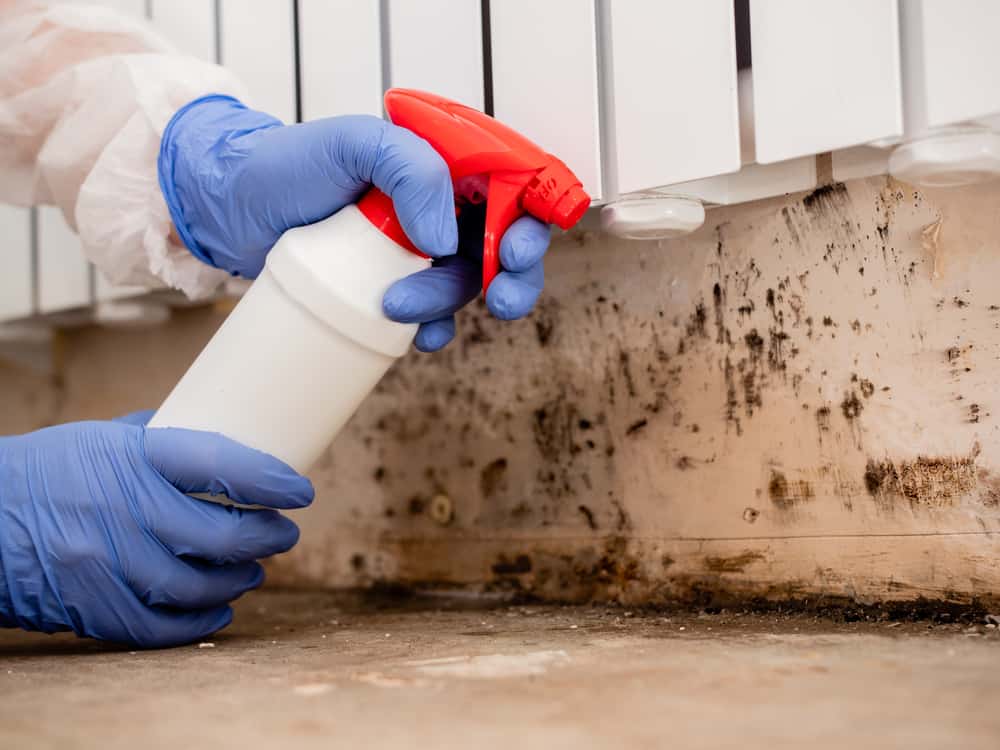
Residential Mold Inspection, Mastic Beach NY
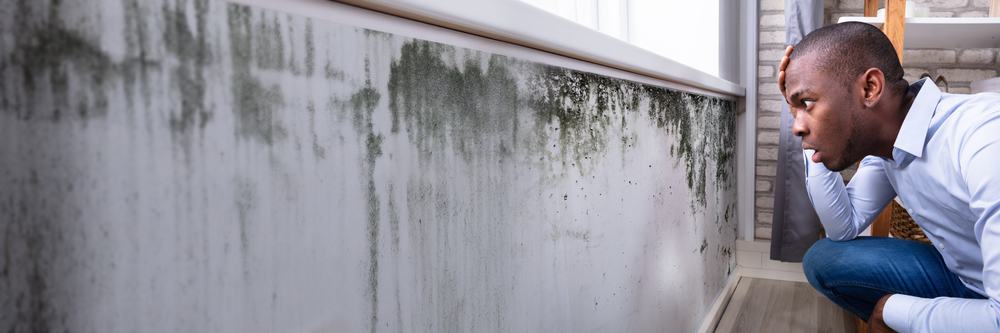
Mastic Beach sits lower than almost anywhere else on Long Island. Roads near the waterfront flood roughly 40 days a year from sea level rise alone and that’s before a nor’easter or a tropical system rolls through. Every time water gets into your home, whether it’s a slow tidal creep into the crawl space or several inches from a named storm, mold has a 24 to 48-hour window to take hold. Most of the time, it starts where you can’t see it: inside walls, beneath flooring, behind tile, in insulation that never fully dried.
For homes in Mastic Beach many of them original bungalows built in the 1920s and 1930s without vapor barriers or modern moisture management that hidden mold can sit for months or years before anyone realizes it’s there. The health effects tend to show up first: persistent congestion, headaches, fatigue, respiratory issues that seem to have no clear cause. By the time you notice a musty smell or visible discoloration, the problem is usually more widespread than it looks.
A thorough mold inspection in Mastic Beach, NY gives you a clear, documented picture of what’s actually happening inside your home. Not a guess. Not a visual scan with a flashlight. Lab-verified results that tell you exactly what’s present, where it’s coming from, and what needs to happen next. That’s the kind of information you can actually act on whether you’re filing an insurance claim, preparing to sell, or just trying to make sure your family is breathing clean air.
Mold Inspection Company Serving Mastic Beach NY
We’ve been serving Long Island homeowners for over three decades, operating out of West Babylon and covering communities across Suffolk County including the South Shore communities like Mastic Beach that deal with the kind of coastal flooding most of the region never faces. This isn’t a franchise. We’re locally owned and owner-operated, and our owner Richard Peterson holds both a New York State mold assessor license and a mold remediator license two separate credentials required by state law since 2016, and not every company operating in the 11951 ZIP code can say the same.
Every technician on our team carries IICRC certification. That’s not a line item on a marketing sheet it’s a standard we hold across our entire staff, not just leadership. When someone shows up at your door in Mastic Beach, they’re trained, licensed, and accountable.
What separates us from most mold inspection companies is the scope of what we can actually do. If the inspection finds mold, we can remediate it. If remediation requires tearing out flood-damaged drywall, subfloor, or insulation which is a realistic outcome in homes along Moriches Bay we can handle the rebuild too. One team, from the first air sample through the final repaired wall.
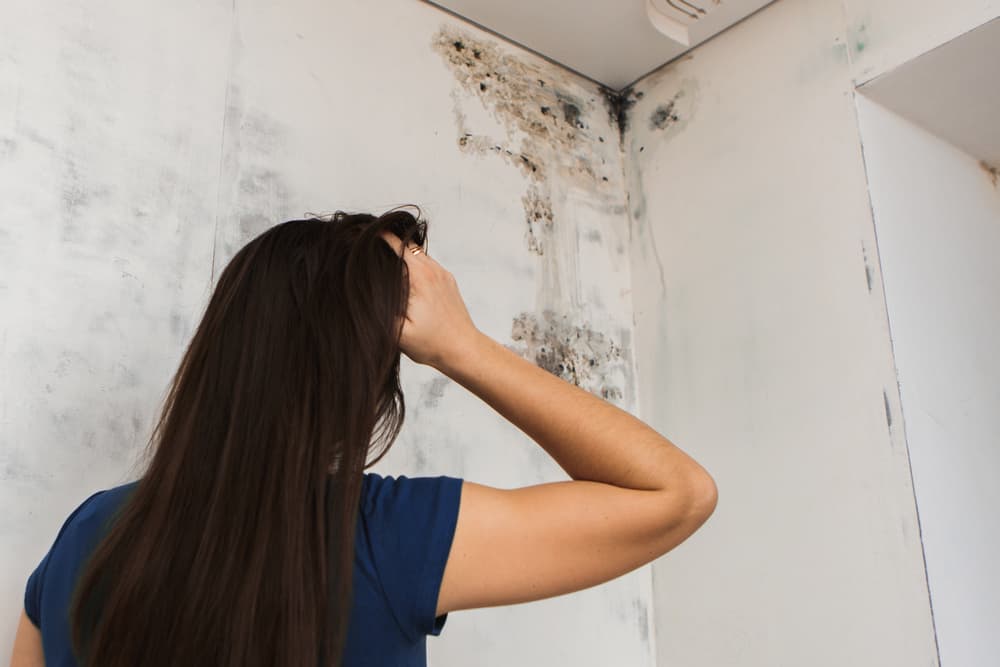
How Mold Detection Works in Mastic Beach NY
The inspection starts before anything gets collected. Our technician does a full walkthrough of the property looking at moisture patterns, checking areas with known water intrusion history, and identifying the structural conditions most common in Mastic Beach’s older housing stock: crawl spaces, unventilated attics, basement walls with a history of seepage. In a community where many homes rely on septic systems that can be compromised during flooding, the assessment also accounts for the possibility of contamination beyond standard water intrusion.
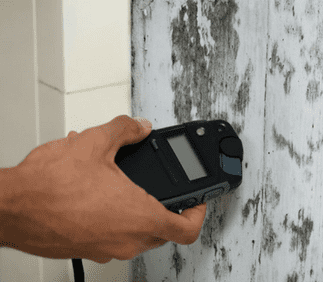
From there, the process moves into active testing. Air samples are collected from inside the home and compared against outdoor baseline samples this comparison is what separates a real assessment from a surface-level inspection. Swab samples are taken from any visible growth. Moisture readings are recorded throughout the property, and infrared thermal imaging is used to detect temperature differentials behind walls and beneath floors that indicate hidden moisture or mold activity. This matters especially in Mastic Beach homes that went through Superstorm Sandy and were repaired but never fully remediated the damage that wasn’t visible then may be showing up now.
All samples go to a certified, accredited laboratory. When results come back, you receive a written report that explains what was found, where it was found, what type of mold is present, and what the recommended next steps are in plain language, not raw data. If the results require action, we can move directly into remediation without you having to start the vendor search over again. For homeowners managing insurance claims, that continuity matters.
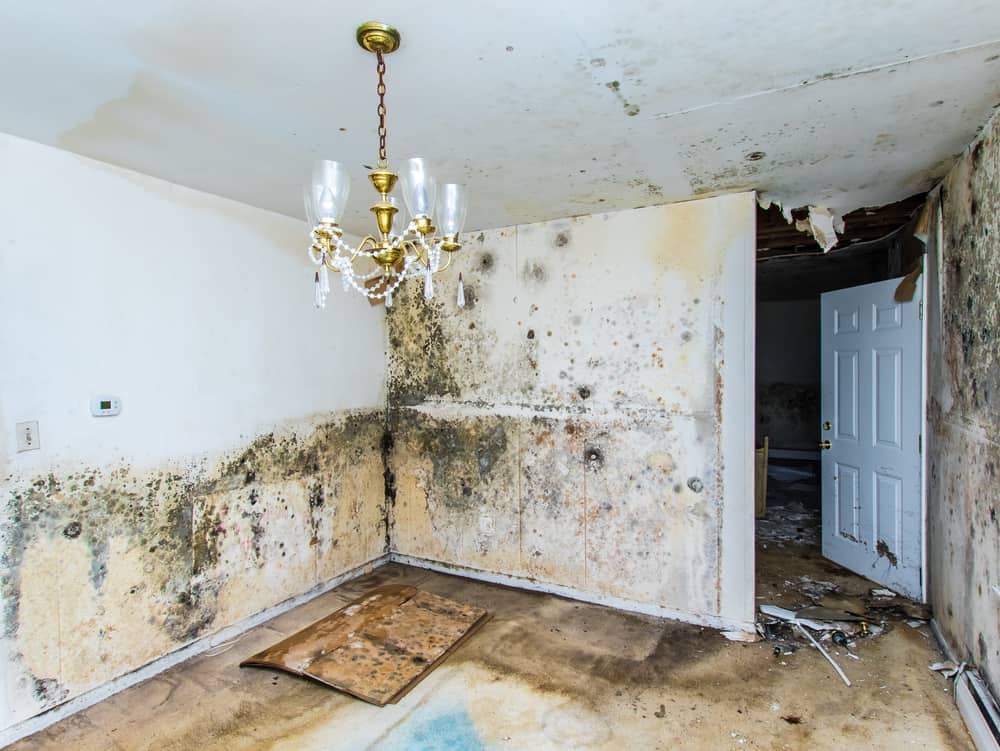
Ready to get started?
Mold Assessment Services in Mastic Beach NY
A mold inspection in Mastic Beach, NY through us covers the full picture not just the areas that are easy to access. The inspection includes air quality testing for mold spores, surface swab sampling from areas of visible or suspected growth, moisture level measurements throughout the property, and infrared thermal imaging to identify hidden moisture behind walls and under flooring. Every finding is photographed and documented, and the final written report includes lab results from an accredited testing facility, a breakdown of mold types and concentrations found, identified moisture sources, and specific remediation recommendations.
For Mastic Beach homes specifically, the inspection process accounts for conditions that aren’t common in inland communities: the elevated groundwater table that puts constant upward pressure on crawl spaces and basement slabs, the coastal humidity that keeps indoor relative humidity elevated even without active flooding, and the age of the housing stock that makes vapor intrusion and insulation failure more likely. If your home has a septic system which most properties in Mastic Beach do and it’s experienced any flooding, that’s factored into the assessment as well.
We also handle indoor air quality testing for mold in commercial properties throughout the Brookhaven area, not just residential homes. If you own or manage a commercial property in or around Mastic Beach and have concerns about air quality or mold exposure for employees or tenants, the same documented process applies. And because we serve as an insurance liaison from the first call through project completion, the documentation you receive is built to support a claim from the start not assembled after the fact.
How do I know if my Mastic Beach home has mold after flooding?
The short answer is that you often can’t tell just by looking. Mold grows inside walls, beneath flooring, and in insulation long before it becomes visible and in Mastic Beach, where tidal flooding happens dozens of times a year and many homes have crawl spaces that sit just above a high water table, the conditions for hidden mold growth are almost always present. A musty smell, unexplained allergy-like symptoms, or a home that feels damp even when it’s dry outside are all signs worth taking seriously.
The only way to know for certain is through professional mold inspection and testing. Air sampling measures the concentration of mold spores in your indoor air and compares it against outdoor baseline levels. Infrared thermal imaging can detect moisture behind walls that no visual inspection would catch. If your home flooded whether from a storm, a tidal event, or a plumbing failure and wasn’t professionally dried and assessed within 48 to 72 hours, there’s a real chance mold established itself somewhere you haven’t looked.
Is mold common in older Mastic Beach bungalows and crawl space homes?
More common than most homeowners realize, yes. The bungalow-era homes that make up a significant portion of Mastic Beach’s housing stock were built in the late 1920s through the mid-20th century originally as seasonal structures, not year-round residences. They weren’t designed with vapor barriers, sealed crawl spaces, or the moisture management systems that modern construction requires. A crawl space in a home that sits close to Moriches Bay, with a high water table just below the surface and coastal humidity cycling through every summer, is essentially a mold incubator if it hasn’t been properly sealed and maintained.
This doesn’t mean every older home in Mastic Beach has a serious mold problem but it does mean the risk is structurally baked into a lot of these properties. If you own one of these homes and haven’t had a professional mold inspection done in the last few years, especially if you’ve had any water intrusion at all, it’s worth knowing what’s actually going on in the spaces you can’t see. We know exactly where to look in this type of housing stock.
What does a mold inspection in Mastic Beach, NY typically cost?
Mold inspection costs in Mastic Beach, NY generally range from $300 to $600 for a standard residential inspection, depending on the size of the property, the number of samples collected, and whether additional testing like infrared thermal imaging or expanded air sampling is warranted. Larger homes or properties with complex layouts, multiple floors, or known flooding history may fall toward the higher end of that range. Lab analysis fees are typically included in or quoted alongside the inspection cost, so you should know the full number upfront before anything gets started.
It’s worth framing that cost against what’s at stake. Median home values in Mastic Beach have climbed to around $446,000 as of mid-2025 up over 10% year over year. A few hundred dollars to know whether your home has a mold problem that could affect your family’s health, your property value, or your ability to sell is a straightforward investment. And if mold is found, having a documented inspection report from a licensed assessor is what makes an insurance claim viable without it, you’re starting from scratch.
Does homeowner's insurance cover mold remediation after a flood in Mastic Beach?
It depends on the policy and the cause of the mold. Standard homeowner’s insurance policies in New York typically cover mold remediation when the mold resulted from a sudden, covered water event like a burst pipe or storm-related roof damage. Mold that developed gradually from ongoing moisture issues, deferred maintenance, or repeated tidal flooding is often excluded. Flood damage specifically which is very much a reality in Mastic Beach is generally covered under a separate flood insurance policy, not a standard homeowner’s policy.
This is where having a professional mold inspection report from a licensed assessor matters. Insurers require documentation: what type of mold was found, where it was located, what moisture source caused it, and what remediation is recommended. A lab-verified report from a NY State licensed mold assessor gives your adjuster something concrete to work with. We handle insurance documentation and communicate directly with carriers throughout the process, which takes a significant burden off homeowners who are already managing the aftermath of water damage.
What's the difference between mold inspection and mold testing are they the same thing?
They’re related but not the same. A mold inspection is the physical assessment of your property a trained inspector walks through the home, identifies visible mold growth, checks moisture levels, looks for water intrusion sources, and evaluates the conditions that allow mold to grow. Mold testing refers specifically to the collection and laboratory analysis of samples air samples, surface swabs, or bulk material samples to determine what types of mold are present and at what concentrations.
A complete mold assessment in Mastic Beach, NY should include both. The inspection tells you where the problem is and what’s causing it. The testing tells you what you’re dealing with and how serious it is. Some companies offer testing-only services, which can give you data without context. Others do visual inspections without any lab work, which gives you observations without scientific confirmation. What you want is both, delivered in a single written report that ties the findings together and tells you exactly what to do next. That’s what a full mold inspection through us includes.
Should I get a mold inspection before buying a house in Mastic Beach?
In most Long Island communities, a mold inspection before purchase is a smart precaution. In Mastic Beach, it’s closer to essential. The combination of factors at play here low-lying geography, documented tidal flooding, older bungalow housing stock without modern moisture barriers, high water tables, and a community where more than one in five homes was inundated during Superstorm Sandy means the probability of encountering undisclosed or undetected mold in a resale property is meaningfully higher than in most other Suffolk County communities.
New York State requires sellers to disclose known mold conditions, but sellers can only disclose what they know. Hidden mold behind walls or in crawl spaces from a flooding event years ago may be genuinely unknown to the current owner especially if the home changed hands after Sandy and the buyer at that time didn’t commission a thorough inspection. A pre-purchase mold inspection in Mastic Beach, NY gives you lab-verified information before you close, not after. If mold is found, you have documented grounds to negotiate repairs, request remediation as a condition of sale, or make an informed decision about whether to proceed. That’s information worth having before you sign.
Useful Links
Other Services we provide in Mastic Beach