

Hear from Our Customers
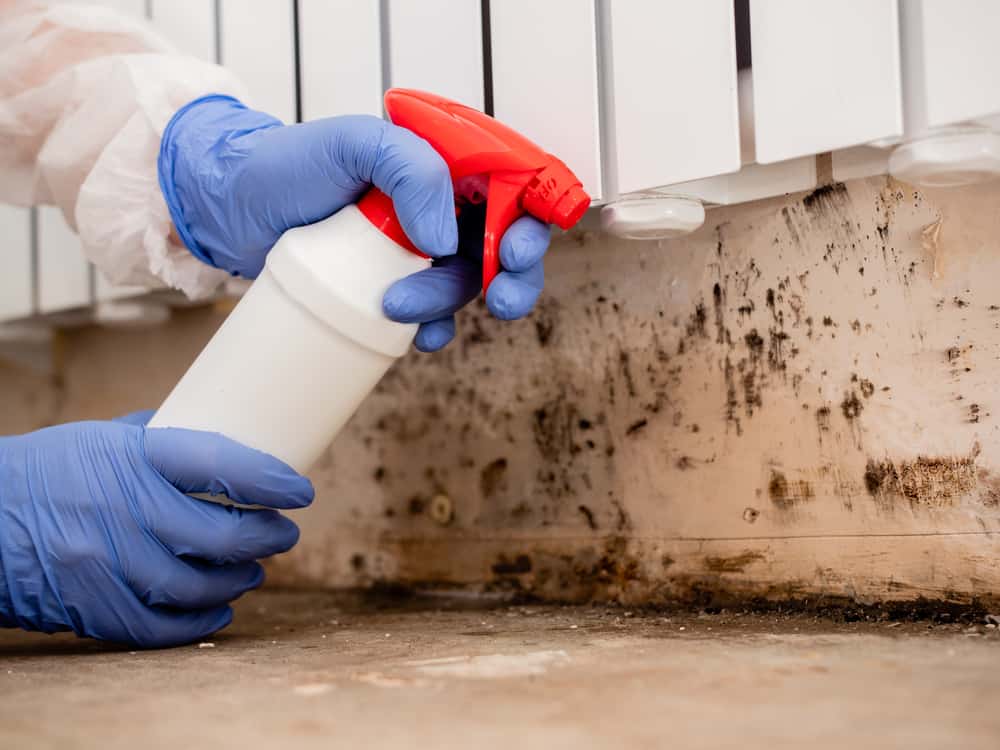
Most people don’t call about mold until they smell something when they unlock the door in May. By then, it’s usually been growing since November. A thorough mold inspection in Montauk, NY gives you a clear picture of what’s actually happening inside your home — not a guess, not a visual once-over, but lab-verified results that tell you exactly what species are present, where the moisture is coming from, and what needs to happen next.
That matters more here than in most places. Montauk’s housing stock is older — a lot of it built in the 1950s and 60s, when vapor barriers weren’t standard and crawlspaces were the norm. Salt air off the Atlantic doesn’t just corrode metal and peel paint. It’s hygroscopic, meaning it pulls moisture into wood framing, drywall, and insulation and holds it there — even on days when the air feels dry. That’s a condition that doesn’t exist the same way in Hauppauge or Commack. It exists here.
If you’re buying a property in Montauk, listing one, or managing rentals through the season, knowing the indoor air quality condition of that structure isn’t optional anymore. A mold problem that surfaces after closing — or after a guest complaint — costs far more than the inspection would have. In a market where the median home value clears a million dollars, the math on skipping this step doesn’t work.
We’ve been working across Suffolk County for over three decades. That’s not a tagline — it’s a track record built property by property, from West Babylon out to the East End. We know what a Montauk cottage looks like after a hard winter. We know what happens to a crawlspace on the Napeague strip after a nor’easter. That kind of familiarity doesn’t come from a website — it comes from showing up, repeatedly, in conditions most companies don’t reach.
Every technician on our team is IICRC-certified — not just the person answering the phone. We hold active New York State licenses for both mold assessment and mold remediation, which has been a legal requirement in this state since 2016. And because we handle everything from the initial inspection through remediation and reconstruction, you’re not coordinating three separate contractors while trying to get a rental property ready before Memorial Day.
We’re reachable at (631) 587-5300 for Suffolk County — and yes, we come out to Montauk.
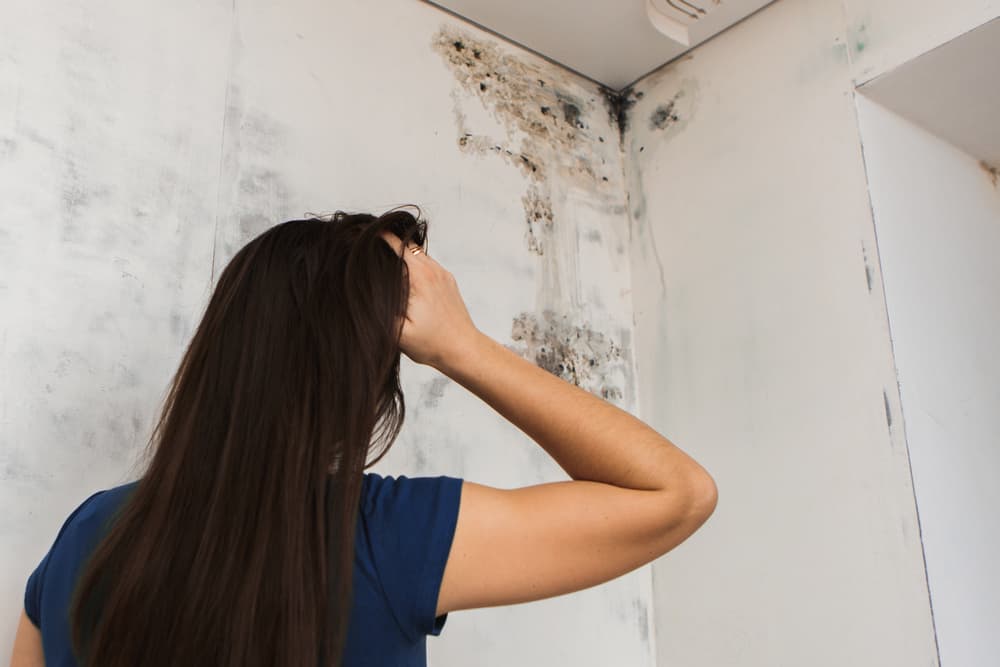
When we arrive at your Montauk property, we’re not doing a quick walkthrough and calling it done. The inspection starts with air sampling — pulling airborne spore counts from inside the home and comparing them against an outdoor control sample taken at the same time. That comparison is what tells you whether what’s inside is actually elevated, not just normal background mold that exists everywhere.
From there, we take surface swab samples from any areas of visible concern — staining, discoloration, or anything that looks like growth. We also run a full water intrusion inspection to find where moisture is getting in, and we use calibrated meters to measure moisture levels inside walls, floors, and ceilings. This is where the infrared thermal imaging becomes critical: it detects temperature differentials behind surfaces that indicate trapped moisture — the kind that’s been sitting inside a wall since a February storm and hasn’t dried out. In an older Montauk home with minimal insulation, that’s not a rare find.
Everything gets photographed and documented. When the lab results come back from the accredited facility we use, we compile them into a written report — plain language, not raw data sheets — that explains what was found, where it is, and what remediation steps are recommended. If your insurance company needs documentation, that report is built to support a claim. If you’re in the middle of a real estate transaction, it holds up to scrutiny. The Town of East Hampton may also require permits for any structural work tied to remediation, and we’re familiar with navigating that process.
Ready to get started?
Mold inspection in Montauk, NY isn’t the same job it is inland. The conditions here — salt air, storm exposure, aging housing stock, extended vacancy periods — create a specific set of risks that a generic inspection protocol doesn’t fully address. What we do here accounts for all of it.
Air testing and surface sampling are the foundation, but the inspection also includes a full water intrusion assessment, moisture meter readings throughout the structure, and infrared thermal imaging to find hidden moisture behind walls and under floors. Attic mold inspection and basement mold detection are both part of the scope — two areas that take the hardest hit in older Montauk homes during the off-season. If your HVAC system has been sitting dormant since October, we check that too. Inactive systems are a known mold trigger, and in a seasonal community like Montauk, they’re the rule rather than the exception.
The written report you receive at the end documents everything — lab results, species identified, moisture source findings, and specific next steps. If remediation is needed, we handle that as well, along with any reconstruction required to restore the affected areas. And if there’s an insurance claim involved — whether it stems from storm flooding around Fort Pond Bay, water intrusion on the Napeague strip, or a slow leak that went unnoticed through the winter — we manage the documentation and communication with your insurer from start to finish.
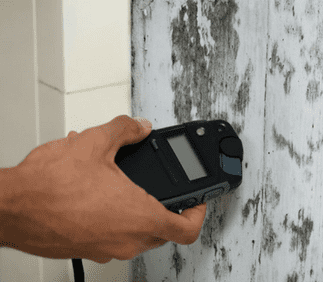
The most common sign is a musty odor when you first open the property in spring — that smell is almost always mold, not just staleness. You might also notice discoloration on ceilings or walls, particularly in bathrooms, closets, or anywhere near exterior walls. But the more serious problem is what you can’t see. Moisture that entered through a failed window seal or roof flashing during a nor’easter can sit inside wall cavities for months without any visible sign on the surface.
That’s why a professional mold inspection matters more for seasonal properties than for homes that are occupied year-round. When a house is lived in, problems get noticed and addressed. When it sits vacant from October to May with the HVAC off, there’s nothing stopping moisture from accumulating and mold from establishing itself behind walls, under floors, and in attic spaces. An inspection that includes infrared thermal imaging can detect that hidden moisture before it becomes a much larger remediation project.
A thorough inspection includes air sampling, surface swab collection, a water intrusion assessment, moisture meter readings throughout the structure, and infrared thermal imaging to detect hidden moisture behind walls and ceilings. Each air sample is sent to a certified, accredited laboratory — not processed on-site with a quick-read kit. The lab results identify specific mold species and measure spore concentrations, which is the only way to know whether what’s present is actually a problem or within normal background levels.
As for timing, the on-site portion of the inspection typically takes two to three hours depending on the size and condition of the property. Lab turnaround adds a few business days before the final written report is ready. That report summarizes everything in plain language — what was found, where the moisture sources are, and what remediation steps are recommended. If you’re working against a rental season deadline or a real estate closing date, it’s worth scheduling the inspection early enough to have the results in hand before you need to act on them.
It’s not legally required, but it’s become a standard part of due diligence in the East End real estate market — and for good reason. Montauk’s housing stock skews older, a significant portion of it built before modern moisture management standards existed. Many of these homes have crawlspaces, minimal vapor barriers, and have been modified and expanded over decades. That combination, layered on top of coastal humidity and years of storm exposure, means hidden mold is a realistic possibility in a property that otherwise looks fine.
From a financial standpoint, the stakes in Montauk are significant. Median home values in the hamlet exceed one million dollars. Studies consistently show that mold discoveries can reduce a property’s value by 20 to 37 percent, and a meaningful percentage of buyers walk away from a transaction entirely when mold is disclosed. A pre-purchase mold inspection gives buyers documented clarity before closing, and a pre-listing inspection gives sellers the ability to address any issues on their own terms — rather than having them surface during a buyer’s inspection at the worst possible moment.
It depends on the policy and the cause. Most standard homeowner’s insurance policies cover mold remediation when it results directly from a covered peril — like water intrusion from a storm or a burst pipe. What they typically don’t cover is mold that developed from long-term neglect or gradual moisture buildup. In Montauk, where nor’easters and coastal flooding are recurring events, storm-related mold claims are not uncommon, but the documentation requirements are strict.
To support a successful claim, you need a professional inspection report that establishes the connection between the moisture event and the mold growth — specific findings, lab results, photographs, and a clear remediation scope of work. Insurance adjusters look for exactly that kind of documentation. We manage the entire communication process with your insurer, from the initial inspection through project completion, which matters a lot when you’re dealing with a property remotely. If your Montauk home took on water during a storm and you’re not sure whether you have a mold issue or a claim, the right first step is an inspection — not a call to your adjuster without documentation to back it up.
Mold inspection costs in Montauk, NY typically range from $300 to $600 for a residential property, depending on the size of the home and the scope of testing needed. Larger properties, or those requiring more extensive air sampling and moisture mapping, may fall toward the higher end of that range. The cost of lab analysis is generally included in that figure when you work with us — not billed separately after the fact.
It’s worth putting that number in context for this market. In a community where homes routinely sell for over a million dollars, a mold inspection is a proportionate investment in protecting a significant asset. The alternative — discovering a mold problem after closing on a purchase, or after a rental guest complains, or after a property sits on the market longer than expected because a buyer’s inspector flagged something — costs far more in remediation, lost value, or lost time. In Montauk specifically, where seasonal vacancy creates real risk and the housing stock is aging, the inspection pays for itself the first time it finds something that would have gone unnoticed until it became a serious problem.
The most frequently identified mold species in coastal Long Island homes include Cladosporium, Aspergillus, Penicillium, and Stachybotrys chartarum — the last of which is what most people refer to as black mold. Cladosporium and Penicillium are among the most common finds in homes with elevated humidity and limited ventilation, both of which are standard conditions in a Montauk property that’s been closed for the winter. Stachybotrys is less common but grows readily on wet drywall and wood framing — exactly the materials affected when storm water gets into a structure and sits.
Health effects vary by species and by the individual. Respiratory irritation, chronic congestion, worsening asthma, and unexplained allergy symptoms are the most commonly reported issues in mold-affected homes. Children, elderly residents, and people with compromised immune systems are more sensitive. The important thing to understand is that the only way to know what species you’re dealing with — and at what concentration — is through accredited lab analysis of collected samples. A visual inspection alone can’t tell you that. Neither can a home test kit from a hardware store. A professional mold inspection in Montauk, NY gives you species-level identification and spore count data, which is what you actually need to make informed decisions about your home and your family’s health.
Useful Links
Other Services we provide in Montauk