
Hear from Our Customers
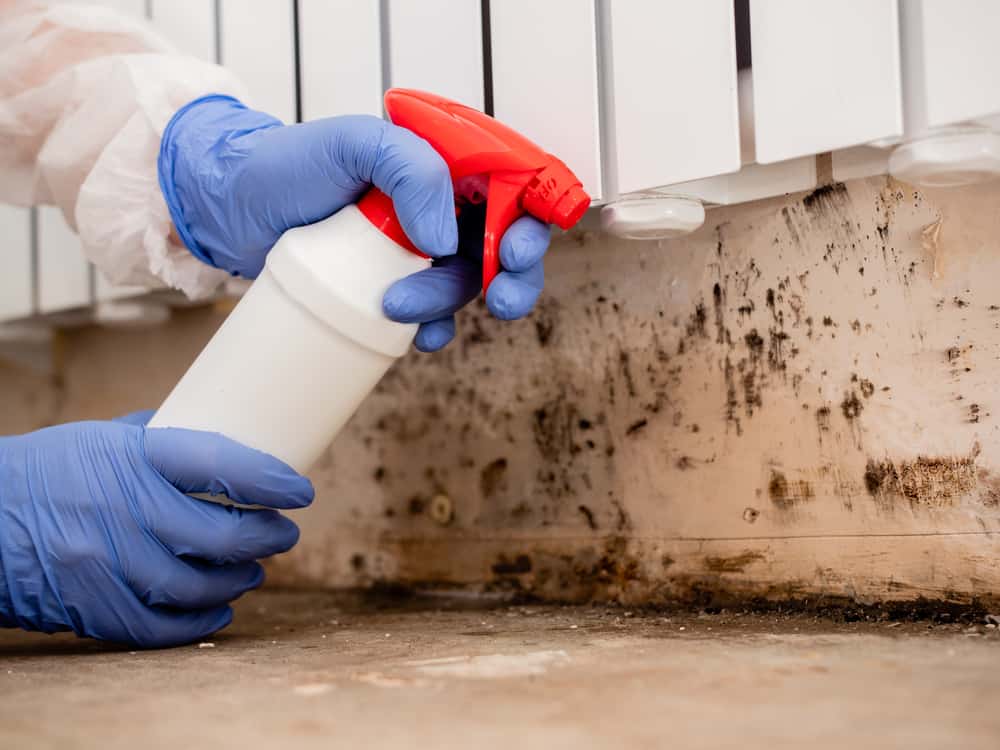
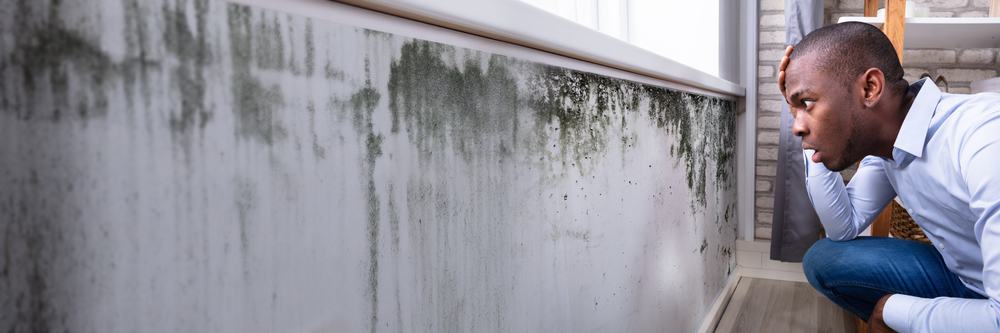
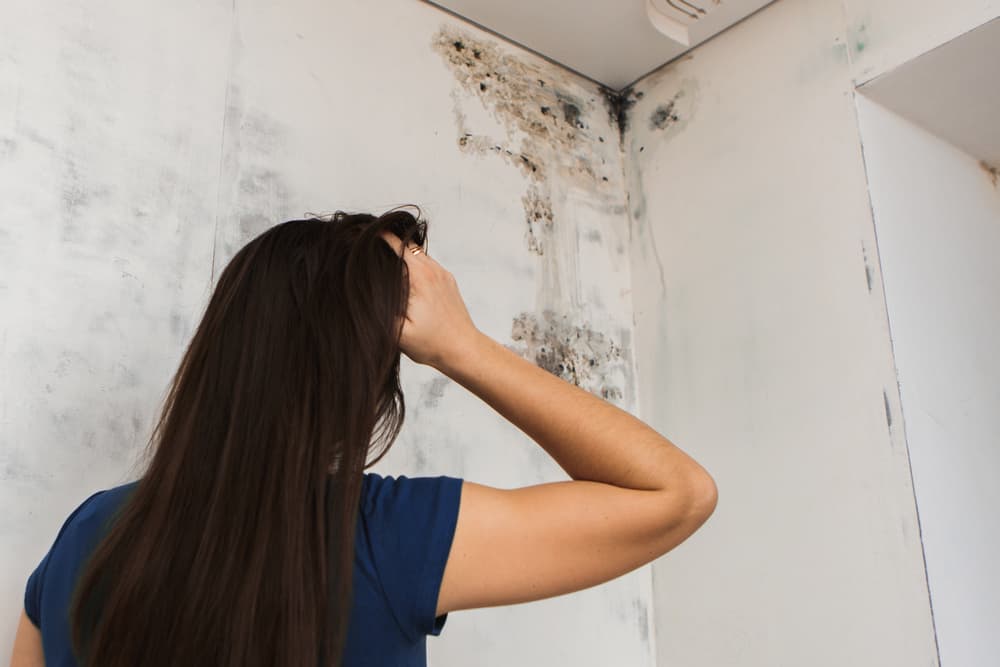
Most homeowners in Nissequogue don’t call about mold because they can see it. They call because something feels off — a musty smell in the basement, a family member whose allergies won’t quit, or a renovation that opened up a wall and revealed something that shouldn’t be there. A thorough mold inspection gives you a clear, documented answer: what’s there, where it came from, and what needs to happen next.
Living on a peninsula bounded by the Nissequogue River, Long Island Sound, and Stony Brook Harbor means your home is dealing with moisture pressure that inland communities simply don’t face. Tidal fluctuations push groundwater against your foundation. Salt air accelerates the breakdown of weatherstripping, caulking, and exterior sheathing — the exact materials keeping moisture out of your wall cavities. When those degrade, mold moves in quietly, often behind plaster or under flooring, with no surface sign at all.
The homes in Nissequogue are also large — averaging close to 7,000 square feet — and many carry decades of construction history. Older builds weren’t designed with modern moisture barriers. That means more square footage of potential mold habitat, more crawl space and attic volume to assess, and a higher chance that something has been growing undetected for years. After a proper inspection, you stop guessing and start making decisions based on lab-verified facts.
We’ve been working on Long Island since 1993 — long before mold licensing was even required by New York State. That kind of tenure isn’t just a number. It means we’ve inspected homes along the North Shore, in Nissequogue and surrounding Suffolk County communities, and we understand the specific conditions that come with waterfront living, older construction, and large residential properties.
Every technician on our team holds IICRC certification — not just the owner, not just whoever answers the phone. We also carry both the NY State Mold Assessor License and the Mold Remediator License, which have been legally required since January 1, 2016. You can verify both directly through the NY Department of Labor’s online search tool before you ever call us.
We’re not an inspection-only company that hands you a report and disappears. If the inspection finds something, we can handle remediation and full structural reconstruction under one roof — one licensed team, one accountable process, from the first air sample to the final rebuild.
We start with airborne spore sampling — pulling air samples from inside your home and comparing them against outdoor baseline counts. That comparison matters because Nissequogue’s proximity to the David Weld Sanctuary and the surrounding preserved woodland means outdoor spore counts are naturally elevated. We need to know what’s ambient and what’s coming from inside your home.
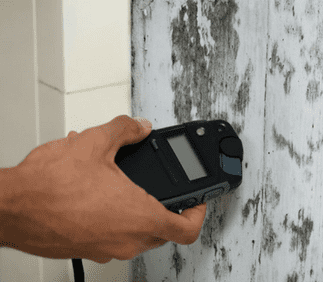
From there, we move into surface swab sampling of any visible mold, a full water intrusion inspection to trace moisture back to its source, and calibrated moisture readings throughout the structure. In a home along the Nissequogue River corridor or on a Sound-facing bluff, those moisture readings often tell a story that a visual inspection alone would miss entirely. We also use infrared thermal imaging to detect moisture and mold activity behind walls, under floors, and inside ceilings — without cutting into anything.
Every sample goes to a certified, accredited laboratory for analysis. When the results come back, you get a written report in plain language — what was found, where, at what concentration, and what the recommended remediation steps are. If your inspection is tied to an insurance claim or a real estate transaction, that lab-verified documentation is what actually holds up. We also handle communication with your insurance carrier directly, so you’re not left translating lab data into claim language on your own.
Ready to get started?
A mold inspection in Nissequogue isn’t the same as one in a flat, inland community with a standard housing stock. The properties here are large, often historic, and surrounded by water on three sides. The inspection scope reflects that. You get air testing, swab sampling, water intrusion tracing, moisture measurement, infrared thermal imaging, photographic documentation, a full damage assessment, and a written report with specific remediation recommendations — all backed by accredited laboratory analysis.
The infrared imaging piece is worth calling out specifically. Most mold inspection companies in the Long Island market don’t offer this. For a home with original plaster walls, wide-plank flooring, or a crawl space that hasn’t been accessed in years, thermal imaging is often the only way to detect moisture accumulation before it becomes a major mold problem. In Nissequogue, where homes sit on lots adjacent to tidal water and preserved wetlands, that hidden moisture risk is real and ongoing — not just a post-storm concern.
If the inspection finds contamination that has reached structural materials — wall framing, floor joists, attic sheathing — we can move directly into remediation and full reconstruction without you coordinating a separate contractor. For a property in Nissequogue that may be worth $1 million, $2 million, or more, having one licensed team accountable for the entire scope isn’t a convenience. It’s the only approach that makes sense.
The Nissequogue River is tidal, which means the water table along the western edge of the village fluctuates with the tides — not just with rainfall. That creates a more constant moisture pressure against foundation walls and basement slabs than what homeowners in inland communities deal with. Even a well-maintained foundation can develop hairline cracks or gaps over time, and that persistent hydrostatic pressure finds them.
What this means practically is that basement and crawl space mold risk in river-adjacent Nissequogue properties is elevated year-round, not just after a storm. If you’ve noticed efflorescence on your basement walls, a musty odor that’s worse after high tide, or any soft spots in flooring near the foundation perimeter, those are signs worth investigating. A moisture reading and air quality test can tell you definitively whether you have active mold growth or just elevated humidity — and the difference matters for how you respond.
For a standard-sized home, mold inspections typically run between $300 and $500. For a property in Nissequogue — where the average home is close to 7,000 square feet — expect to pay more, because the inspection scope is larger. Multiple floors, a finished basement, a crawl space, a large attic, and extensive exterior wall area all require additional time and more sampling points to assess properly. A quote that sounds low for a home this size usually means something is being skipped.
The more useful way to think about the cost is relative to what’s at stake. Research consistently shows that mold issues can reduce a home’s value by 20 to 37 percent. On a Nissequogue property worth $2 million, that’s a potential loss of $400,000 to $740,000. The inspection cost — even at the high end for a large property — is a small fraction of that exposure. It’s also far less expensive than discovering mold during a sale negotiation, when buyers have leverage and you’re under time pressure to resolve it.
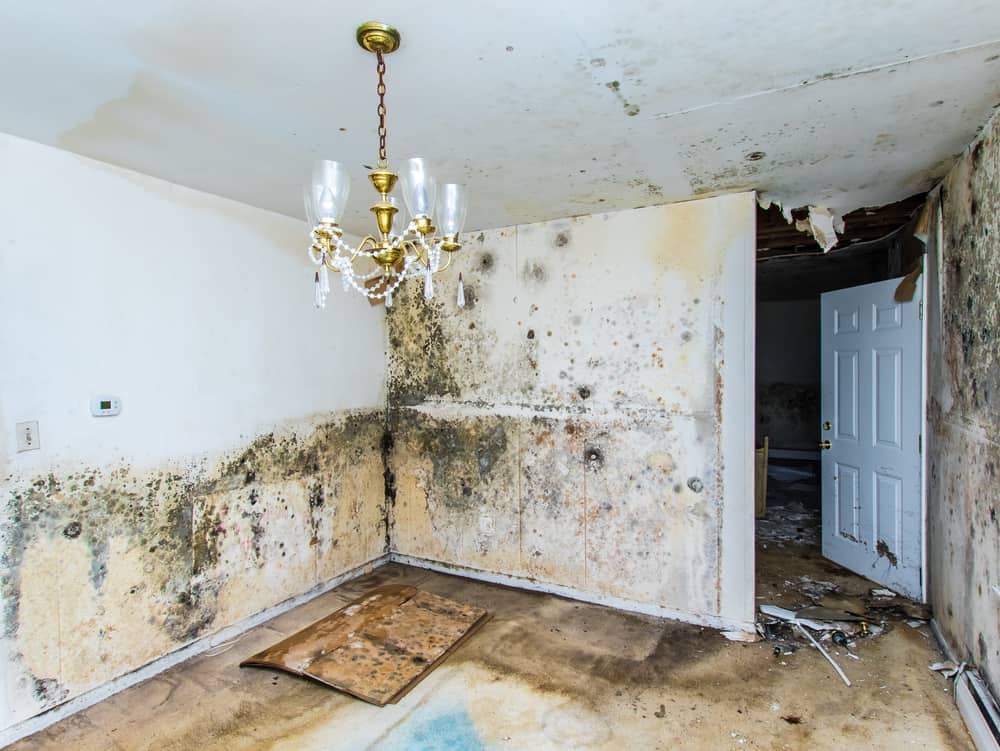
Yes, and it’s one of the most common things we find during inspections in older North Shore properties like those throughout Nissequogue. Homes built before modern moisture barriers and vapor retarders were standard often have original wood framing and plaster walls that were never designed to manage the humidity levels that coastal living produces. Mold can establish itself inside a wall cavity and grow for years without producing any visible surface indication — no discoloration, no obvious staining, nothing you’d notice during a normal walkthrough.
The way we find it is through infrared thermal imaging combined with calibrated moisture readings. Thermal cameras detect temperature differentials in wall surfaces that indicate moisture accumulation behind the drywall or plaster. When we find a cold spot that correlates with elevated moisture readings, that’s where we focus the sampling. It’s a non-destructive process — we’re not cutting into walls to investigate. If the results confirm active mold growth in a specific cavity, then we know exactly where remediation needs to happen and can scope the work accurately.
For buyers, a mold inspection is one of the most financially sound steps you can take before closing on a Nissequogue property. A standard home inspection will flag visible issues, but it won’t tell you what’s inside the walls, under the flooring, or in the attic. Given the size of homes here and the persistent moisture environment created by the surrounding water, hidden mold is a real possibility — and discovering it after closing puts the remediation cost entirely on you.
For sellers, a pre-listing inspection gives you the chance to identify and address any issues before they become negotiating leverage for a buyer. In a market where Nissequogue properties are valued at $1 million and above, a mold discovery during a buyer’s inspection can derail a deal or force a significant price reduction. New York’s property condition disclosure requirements also mean that known mold issues need to be disclosed — so knowing what you have before you list is always the better position to be in.
A mold test typically refers to a single sampling — an air sample or a swab — that gets sent to a lab to confirm whether mold is present and what species it is. It answers “is there mold?” but not much else. A mold inspection is a comprehensive assessment that includes sampling, but also covers moisture source identification, water intrusion tracing, infrared imaging, moisture readings throughout the structure, and a written report with specific remediation recommendations. It answers “is there mold, where is it coming from, how extensive is it, and what do we do about it?”
For most Nissequogue homeowners — especially those in larger, older homes or properties near the water — a full inspection is the appropriate starting point. A single air test can confirm the presence of elevated spore counts but won’t tell you whether the source is a leaking chimney flashing, a compromised crawl space vapor barrier, or moisture intrusion through a foundation wall. Knowing the source is what allows you to actually solve the problem rather than just document it.
New York State has required all mold assessors and mold remediators to hold licenses issued by the NY Department of Labor since January 1, 2016. That requirement applies to anyone conducting a mold inspection or remediation in Nissequogue, regardless of how established their website looks or how low their price is. The license is not optional, and operating without one is illegal under state law.
You can verify any company’s license status directly through the NY Department of Labor’s online licensed contractor search tool — it takes about two minutes and gives you the license number, license type, and current status. Look for both a Mold Assessor License and a Mold Remediator License if the company offers both services. Some companies that show up in search results for Nissequogue carry out-of-state phone numbers or operate as national franchises with limited local accountability. Before you book anything, ask who specifically will be conducting your inspection, whether they hold individual IICRC certification, and whether the company’s NY State licenses are current and verifiable.
Useful Links
Other Services we provide in Nissequogue