
Mold Inspection in North Sea, NY
Bay Air and Closed Winters Create the Perfect Mold Setup
Hear from Our Customers
Mold Testing Services in North Sea
North Sea sits right up against Little Peconic Bay, with Big Fresh Pond, Little Fresh Pond, and Scallop Pond spread across the hamlet. That’s a lot of water close to a lot of homes and elevated groundwater and ambient humidity are the natural result. When moisture pressure is that consistent, it doesn’t take a major flood or a broken pipe to end up with a mold problem. It just takes time.
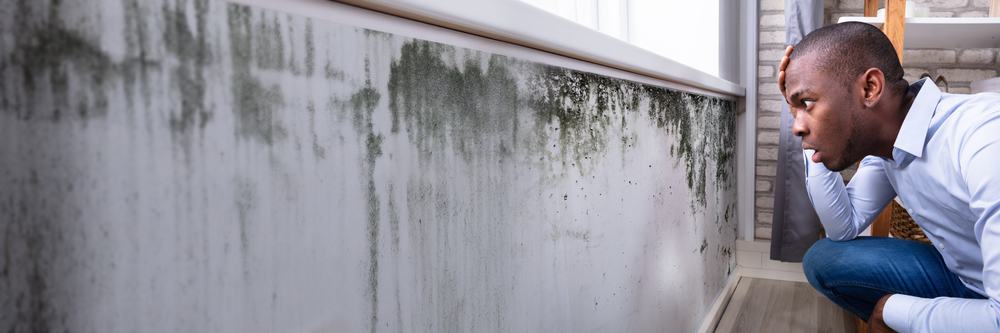
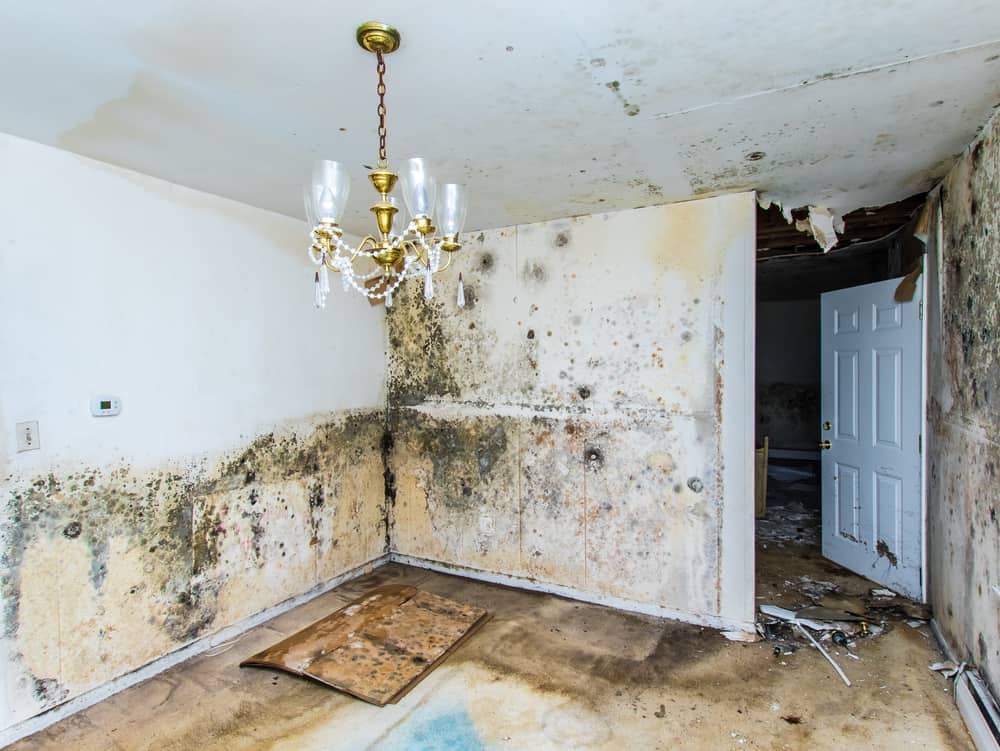
For homeowners who close their properties over the winter and return in spring, that time is exactly what mold needs. A home that sits unheated and unventilated from October through May is a home where moisture stagnates, cold surfaces collect condensation, and mold quietly colonizes wall cavities, crawl spaces, and attic sheathing without anyone around to notice. By the time you’re back for Memorial Day weekend, the damage is already done.
A professional mold inspection in North Sea, NY gives you a documented, lab-verified picture of what’s actually happening inside your home not a guess, not a visual scan of what’s visible, but a real assessment of air quality, moisture levels, and hidden growth. If something is there, you’ll know exactly where it is, what species it is, and what needs to happen next. If nothing is there, you’ll have the documentation to prove it which matters a lot when you’re selling a property in a market where buyers at this price point don’t take anything on faith.
Mold Inspection Company in North Sea, NY
First Response Restoration and Cleaning Inc. has been operating across Long Island for approximately 31 years. That’s not a marketing number it’s the kind of track record that only comes from doing the work right, consistently, in a market where reputation is everything. Richard Peterson built this company from the ground up, and the team we run today holds New York State licenses for both mold assessment and mold remediation, along with IICRC certification across every technician on our crew.
North Sea and the surrounding Southampton area are part of the territory we’ve served throughout that history. We understand what coastal, bay-adjacent properties deal with the humidity, the storm exposure off Little Peconic Bay, the moisture that accumulates in homes that aren’t designed or maintained for year-round occupancy. When you call the Suffolk County line at 631-587-5300, you’re reaching a team that already knows the conditions your North Sea home is dealing with.
Professional Mold Assessment in North Sea, NY
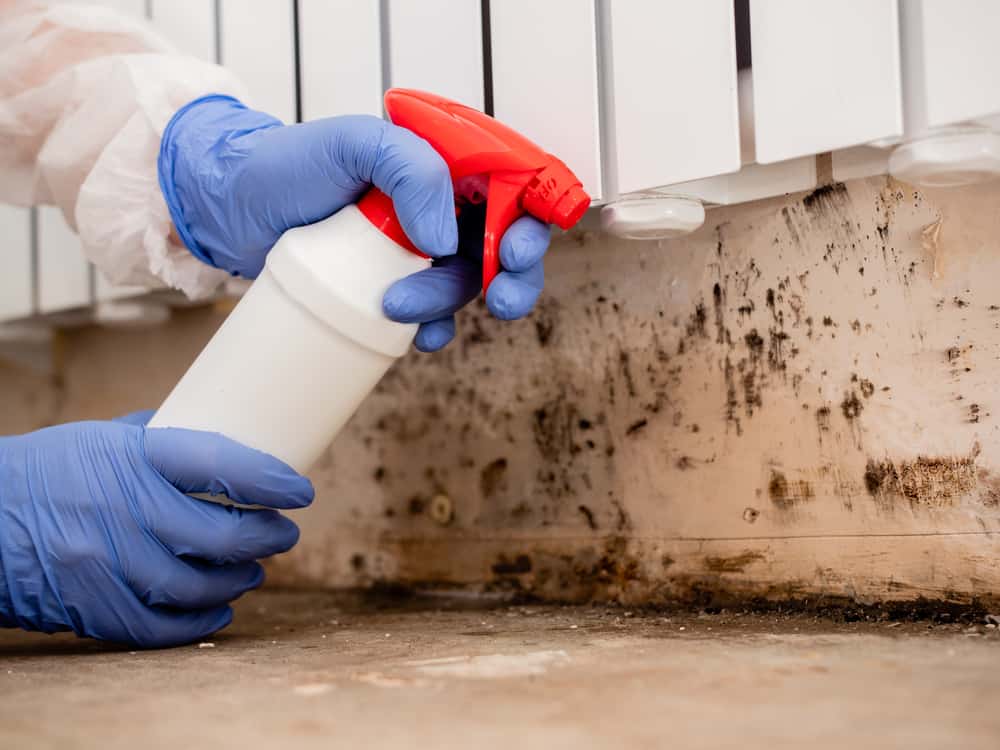
The inspection starts with air testing drawing air samples from inside your home and sending them to an accredited lab to measure airborne spore concentrations and identify what species are present. That gets compared against an outdoor baseline sample, so you can see exactly how your indoor air quality stacks up. From there, any visible growth gets swab-sampled for direct surface analysis.
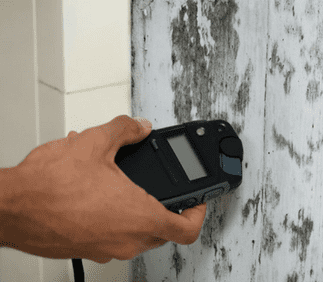
Alongside the sampling, the inspection covers water intrusion tracing back any moisture to its actual source, whether that’s a failing roof, a compromised foundation, a plumbing leak, or bay-driven groundwater pressing up through a crawl space. Moisture levels are measured throughout the home using calibrated equipment, not guesswork. And because North Sea homes especially older ones and those that have been through nor’easters or coastal flooding often hide moisture damage inside wall cavities and under flooring, we use infrared thermal imaging to detect temperature differentials that indicate moisture accumulation behind surfaces you can’t see.
Everything is documented with photographs and compiled into a written report. The report identifies what was found, where it was found, what the lab results show, and specifically what remediation steps are recommended. New York State law requires that the mold assessor and the mold remediator be separately licensed and we hold both licenses, which means if the inspection turns up something that needs to be addressed, you’re not starting over with a new contractor.
Ready to get started?
Residential Mold Detection Services in North Sea, NY
New York State has required active mold assessor and mold remediator licenses from the Department of Labor since January 1, 2016. That applies to every inspection performed in North Sea, in the Town of Southampton, and across all of Suffolk County. Before you hire anyone to test your home, you can verify their license status directly through the NY DOL’s contractor search tool. We hold both licenses not one, both.
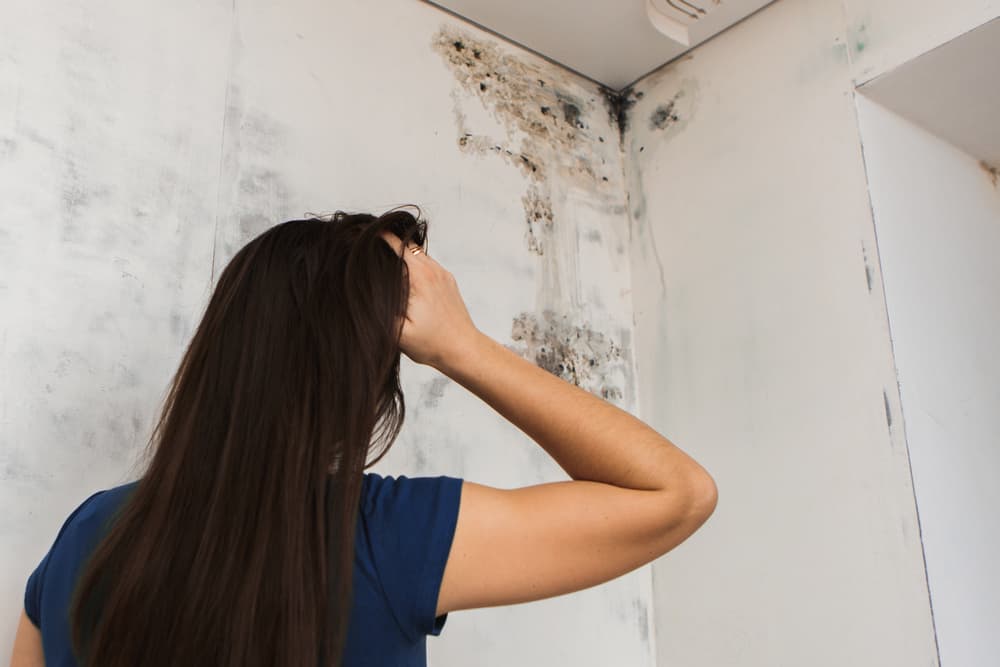
The inspection itself covers residential and commercial properties. For North Sea homeowners, the most common areas of concern are basements and crawl spaces near the elevated water table, attics where ice dam damage or inadequate ventilation has allowed moisture to collect, and HVAC systems circulating air through ducts that haven’t been assessed in years. Seasonal homes that were closed for winter are a specific focus the combination of no heat, no dehumidification, and no airflow over several months creates conditions that are almost designed to grow mold.
If the inspection reveals active mold, we can move directly into licensed remediation without handing you off to another company. And if remediation requires removing and replacing structural materials drywall, insulation, framing the reconstruction work stays with our team. For homeowners in a real estate transaction, that full-service capability also means the documentation produced during inspection is usable for insurance claims, closing disclosures, and post-remediation verification handled by one company from start to finish.
Does mold inspection in North Sea, NY require a state-licensed assessor?
Yes and this is one of the most important things to verify before hiring anyone. New York State law, in effect since January 1, 2016, requires that anyone performing mold assessment or mold remediation in the state hold an active license issued by the NY Department of Labor. This applies fully to work performed in North Sea, throughout the Town of Southampton, and across all of Suffolk County. The law also requires that the assessor and the remediator be separate licensed entities meaning a company cannot legally both inspect and remediate under a single license.
You can verify any contractor’s license status through the NY DOL’s online licensed contractor search tool before you sign anything or let anyone into your home. We hold both the mold assessor license and the mold remediator license, which is why we can legally take a job from initial inspection through full remediation without subcontracting either side of the work. If a company can’t point you to their NY DOL license number, that’s a problem regardless of how many years they claim to have been in business.
How much does a mold inspection cost in North Sea, NY?
Professional mold inspection typically runs between $303 and $1,043 nationally, with most full inspections including air sampling, surface swabs, and lab analysis landing somewhere in the $400 to $700 range depending on the size of the property and how many samples are collected. For North Sea properties, which often include larger lot sizes, crawl spaces, finished basements, and HVAC systems that serve multiple zones, a thorough inspection may require more sample points than a smaller suburban home.
The more important number to keep in mind is the cost of missing it. Mold remediation runs anywhere from $1,150 to $20,000 depending on how far the growth has spread and what materials are affected. In a real estate market where North Sea properties carry significant value, a mold problem discovered during a buyer’s inspection can stall or kill a deal and research consistently shows that 50% of potential buyers back out when mold is discovered, even after remediation has already been completed. The inspection is always the least expensive part of this equation. Catching it early is the only way to keep the rest of the costs manageable.
My North Sea home was closed all winter should I get a mold inspection before moving back in?
That’s one of the most practical reasons to schedule a mold inspection in North Sea specifically. A home that sits unheated and unventilated from fall through spring is operating in near-ideal conditions for mold growth cold surfaces create condensation, stagnant air allows moisture to accumulate, and without any active dehumidification, humidity levels inside the home can stay well above the 60% threshold the EPA identifies as the point where mold growth becomes likely.
North Sea’s position along Little Peconic Bay and its proximity to multiple freshwater ponds mean ambient humidity is already elevated compared to inland Long Island communities. When you layer months of no climate control on top of that baseline moisture environment, the risk is real. The inspection gives you a documented picture of what developed in your absence air quality, moisture levels, and any visible or hidden growth before you bring your family back into the home for the season. It’s a straightforward step that takes a few hours and gives you a clear answer either way.
What's the difference between mold testing and mold remediation and do I need both?
Mold testing, or mold assessment, is the diagnostic side it identifies whether mold is present, where it’s located, what species are involved, and what the moisture source is driving the growth. Mold remediation is the treatment side the physical removal of mold, the drying and treatment of affected materials, and the correction of the moisture source so the problem doesn’t return. New York State law actually requires these to be performed by separately licensed entities, which is why you’ll sometimes see inspection-only companies that refer out to a remediator, or remediation companies that subcontract the inspection.
Whether you need both depends on what the inspection finds. Some homes come back clean especially newer construction with good vapor barriers and active dehumidification and the inspection simply gives you documented confirmation of that. Others show active growth that needs to be addressed. If remediation is necessary, we can handle it directly, since we hold both licenses. The inspection report will tell you specifically what’s present and what the recommended next steps are you’re not being pushed toward remediation before anyone has looked at your home.
Can mold grow in an attic or behind walls where I can't see it?
Yes and in North Sea homes, hidden mold is often the bigger concern, not the visible kind. Attic sheathing is one of the most common locations, particularly in homes that have had ice dam damage along rooflines during cold winters, or in homes where bathroom and kitchen exhaust fans vent into the attic space instead of outside. Moisture accumulates on the underside of the roof deck, and mold colonizes the wood before anyone notices anything from inside the living space.
Wall cavities are another common location, especially in homes that have experienced storm-driven water intrusion which is a recurring reality for properties in the Southampton area that face nor’easters and coastal weather events. Water gets behind siding, into the wall assembly, and sits there. The interior surface of the drywall may look fine for months while mold grows on the back side. Infrared thermal imaging detects the temperature differentials caused by moisture accumulation behind surfaces, which is why we use it as part of every inspection. A visual walkthrough alone won’t find what’s inside the wall.
I'm buying a home near Conscience Point should I get a mold inspection before closing?
For a property in North Sea at any price point and especially near the waterfront areas around Conscience Point and North Sea Harbor a pre-purchase mold inspection is one of the most straightforward pieces of due diligence you can do. Waterfront and bay-adjacent properties in this area deal with elevated groundwater, higher ambient humidity, and more frequent exposure to storm-driven moisture intrusion than properties further inland. Older homes in the hamlet may have decades of moisture history that a standard home inspection won’t fully surface.
The inspection gives you lab-verified documentation of air quality and mold status before you close not a seller’s disclosure, not a visual scan during a showing, but actual sampled and tested results from an accredited lab. If something is found, you have documented evidence to negotiate with, request remediation before closing, or make an informed decision about whether to proceed. If nothing is found, you have a clean report that protects you and establishes a baseline for the property going forward. Given what properties in this area sell for, the cost of the inspection is a small line item relative to what you’re protecting.
Useful Links
Other Services we provide in North Sea