

Hear from Our Customers
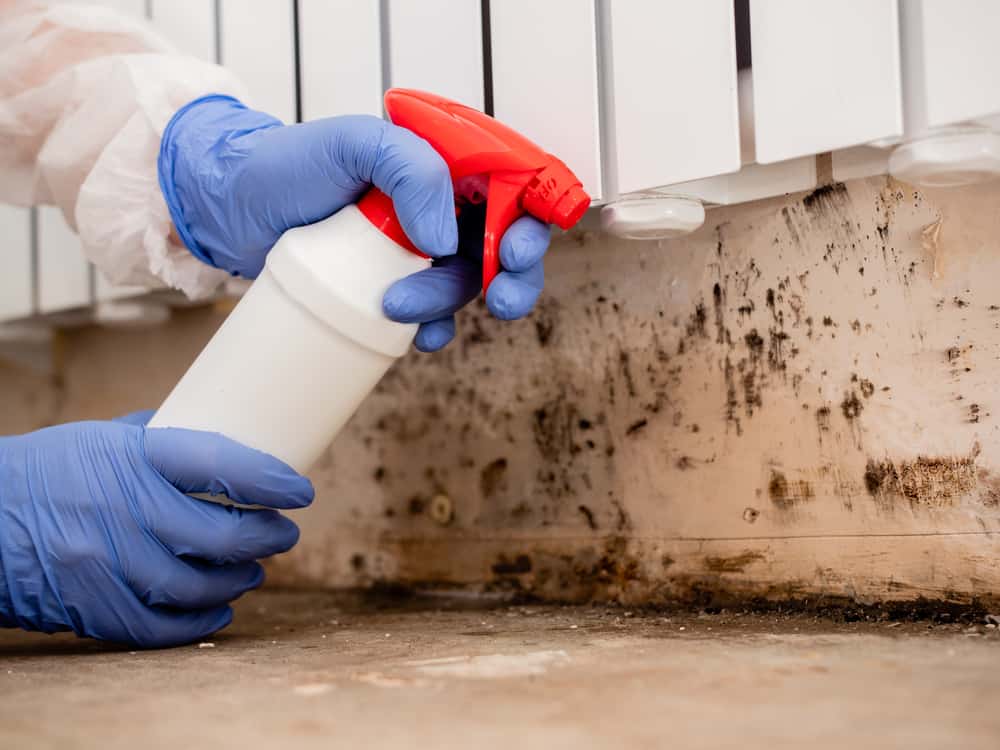
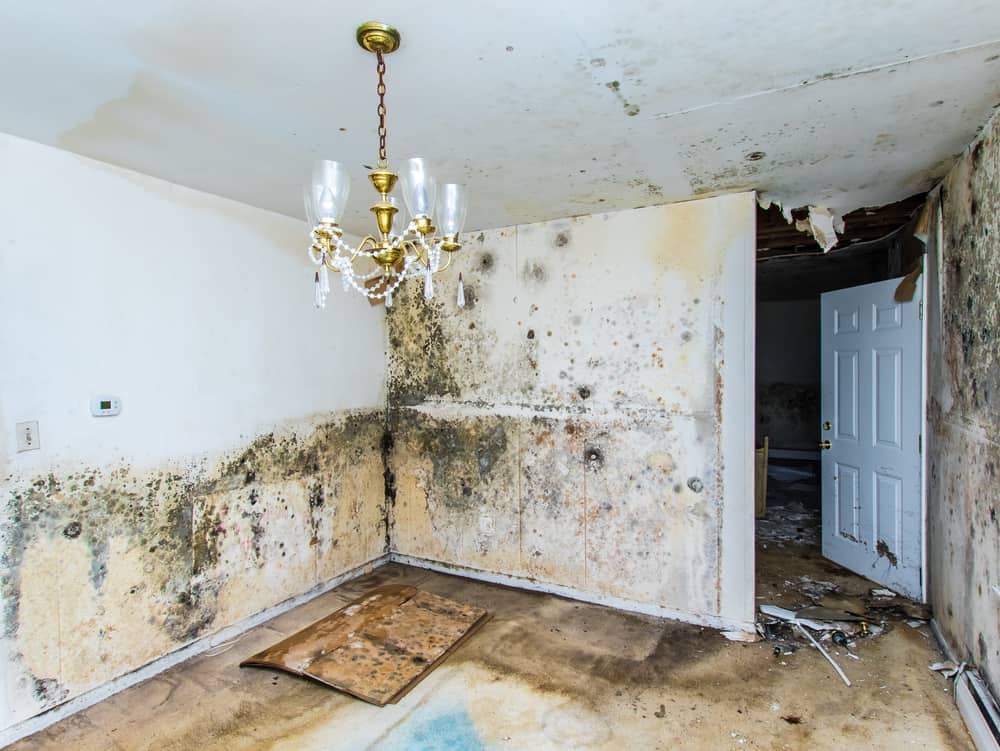
Most mold problems on Shelter Island don’t announce themselves. They develop quietly over a winter — behind the drywall in the basement, inside the attic above the master bedroom, underneath flooring near a window that lost its seal during a nor’easter. By the time you notice a smell or a stain, it’s already been growing for weeks, sometimes months. A real mold inspection tells you exactly what’s there, where it is, and what caused it — before you’re guessing or spending money in the wrong direction.
For a seasonal home on Shelter Island that’s been closed since October, that kind of clarity matters enormously. You’re not just protecting a house — you’re protecting a property that, at Shelter Island’s average sale price of around $1.5 million, represents serious wealth. Mold issues, when they surface during a sale or rental inspection, can reduce a home’s value by 20% or more and send buyers walking. Knowing your property’s status isn’t just peace of mind — it’s financial due diligence.
The other thing worth understanding is what drives mold here specifically. Shelter Island is surrounded by water on every side. The ambient humidity during summer months regularly exceeds 70%. Salt air degrades window seals and building materials faster than most homeowners realize. Homes near Mashomack Preserve deal with ground-level moisture from tidal creeks and freshwater marshes year-round. These aren’t generic mold risk factors — they’re the specific conditions your Shelter Island home is living in every single day.
First Response Restoration and Cleaning Inc. has been doing this work on Long Island for over 31 years. That’s not a marketing line — it means we and our team were solving mold problems on the East End before most of today’s competitors were in business. We know what Suffolk County coastal properties look like from the inside, and we know what Shelter Island’s combination of salt air, seasonal vacancy, and aging housing stock does to a building over time.
Every technician who enters your home is IICRC-certified — not just the owner. We hold active New York State licenses for both mold assessment and mold remediation, as required by state law since 2016. And because Shelter Island properties often involve insurance claims — especially after storm damage or off-season plumbing failures — we handle insurance documentation and adjuster communication from the first call through the end of the project.
You’re not coordinating multiple contractors across ferry crossings. One licensed team handles it from inspection through completion.
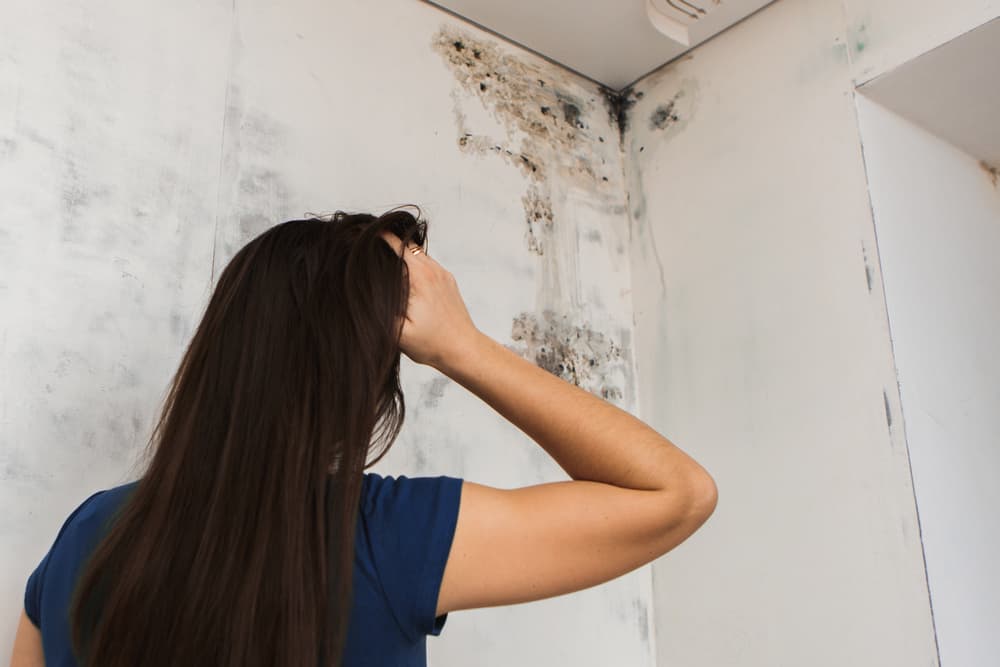
The inspection starts with air testing — airborne spore sampling that captures what’s actually circulating inside your home, not just what’s visible on a surface. From there, swab samples are collected from any areas showing signs of mold activity or moisture damage. Both go to an accredited laboratory for analysis. The results are objective. Mold either shows up in the samples or it doesn’t.
What separates this process from a basic walkthrough is the technology behind it. Infrared thermal imaging scans walls, ceilings, and floors for temperature differentials that indicate hidden moisture — the kind that sits behind drywall in a closed-up beach house for five months without anyone knowing. On Shelter Island, where homes along West Neck, Ram Island, and the Coecles Harbor waterfront face direct tidal exposure, hidden moisture intrusion is far more common than most owners expect. The inspection also includes a full water intrusion assessment to identify the source driving any mold growth, because treating mold without addressing the moisture source means it comes back.
Once the lab results are in, you receive a written report in plain language — specific findings, mold types identified, moisture sources, and clear recommended next steps. If you’re managing your Shelter Island property from the city, that report gives you everything you need to make decisions without being on-site.
Ready to get started?
Our mold inspection service includes five core components: air testing via airborne spore sampling, surface swab collection, water intrusion inspection, calibrated moisture level measurement, and full photographic documentation of every mold source identified. Beyond those five steps, the inspection also includes an internal-to-external mold particle comparison, infrared thermal imaging, a complete damage assessment, and a written report summarizing lab findings and remediation recommendations.
For Shelter Island properties specifically, we design the inspection with seasonal vacancy in mind. Homes that have been closed for the winter — whether in Shelter Island Heights, Dering Harbor, or anywhere along Route 114 between the two ferry terminals — are inspected with particular attention to attics, crawl spaces, basements, and wall cavities where moisture accumulates undetected during the off-season. Victorian-era homes in the Heights, some dating to the 1870s, are inspected with awareness of the older construction methods that predate modern vapor barriers and moisture-resistant materials.
If remediation is needed after the inspection, we can handle that too — along with any structural repairs or reconstruction required. New York State law mandates that the mold assessor and mold remediator on a project be separate licensed entities, and we hold both licenses, which means the process stays compliant and in-house. For rental property owners navigating the Town of Shelter Island’s rental licensing requirements, the inspection report also provides the documentation needed to demonstrate habitability compliance.
That smell is almost always mold or mildew that developed during the months your home was closed. When a property sits unoccupied through a Shelter Island winter — typically five to seven months — the conditions inside shift significantly. Without an active HVAC system running, there’s no dehumidification. Without anyone present, slow leaks from plumbing, roofing, or window seals go undetected for the entire off-season. Add the island’s chronic coastal humidity and the salt air that accelerates material degradation, and you have near-ideal conditions for mold to establish itself inside wall cavities, attic insulation, and basement spaces.
The musty smell is your first signal, but it’s not a reliable measure of how far the problem has spread. Mold can colonize extensively behind surfaces that look completely normal. A professional mold inspection with air testing and infrared thermal imaging is the only way to know what you’re actually dealing with — and where it is — before you start any remediation work.
A professional mold inspection in Shelter Island, NY generally runs between $300 and $700 for a residential property, depending on the size of the home and the scope of testing required. Larger waterfront properties or homes with multiple areas of concern — attics, crawl spaces, basements — may fall toward the higher end of that range. Some companies advertise free mold inspections, but those are typically tied to remediation sales and don’t include laboratory analysis, which is where the objective data actually comes from.
For a Shelter Island property averaging $1.5 million in sale value, the cost of a thorough inspection is a small number relative to what’s at stake. If mold surfaces during a buyer’s due diligence process — or if a rental property fails a habitability check — the financial exposure is significantly larger than any inspection fee. Think of it as the cost of knowing, before someone else finds out for you.
Yes — and on Shelter Island, the conditions during the off-season are particularly favorable for it. Mold needs three things: moisture, a food source (which building materials provide), and the right temperature range. When a home is closed for the winter, the heating system is typically set to a minimal temperature or shut off entirely. That creates freeze-thaw moisture cycling in walls and foundations, condensation on cold surfaces, and no mechanical dehumidification to counteract the island’s ambient coastal humidity.
A single slow plumbing leak, a compromised roof flashing after a fall nor’easter, or a failed window seal can introduce enough moisture to support significant mold growth over five to six months of vacancy. By the time you return in May or June, what started as a minor moisture issue can be a substantial remediation project. The earlier you catch it — ideally with a pre-closing inspection in the fall or an opening inspection in the spring — the less expensive and disruptive the fix.
Yes. As of January 1, 2016, New York State law requires all mold assessors and mold remediators to hold active licenses issued by the New York State Department of Labor. This applies to every property in Suffolk County, including Shelter Island. The licenses must be renewed every two years and are publicly verifiable through the NY DOL’s licensing database — which means you can confirm any company’s credentials before they set foot in your home.
It’s also worth knowing that New York State law requires the mold assessor and the mold remediator on any given project to be separate licensed entities — they cannot be the same individual. We hold both the NY State Mold Assessor license and the NY State Mold Remediator license, which allows us to manage the full process legally and in compliance with state requirements. Before hiring anyone for mold work on your Shelter Island property, verifying their license status through the DOL database takes about two minutes and is absolutely worth doing.
On Shelter Island, the highest-risk areas for hidden mold are attics, crawl spaces, basements, and the interior of exterior walls — particularly in homes that sit vacant for extended periods. Attics are especially vulnerable in older homes throughout Shelter Island Heights, where Victorian-era construction and complex rooflines create opportunities for ice dams in winter, which force water under shingles and into the attic space. Crawl spaces and basements face ground-level moisture intrusion, which is elevated near tidal creeks, freshwater marshes, and the edges of Mashomack Preserve.
Interior wall cavities are the trickiest because they show nothing on the surface until the problem is advanced. This is exactly why infrared thermal imaging is part of our inspection process — it detects the temperature differentials caused by moisture behind walls and under floors, making hidden mold visible before it becomes a major remediation project. If your home has had any water intrusion event — a storm surge, a burst pipe over winter, a roof leak — those wall cavities should be among the first areas inspected.
It depends on the cause. Most standard homeowners insurance policies cover mold remediation when it results directly from a covered peril — a burst pipe, storm damage, or sudden water intrusion from a specific event. What they typically don’t cover is mold that developed gradually due to ongoing moisture issues, deferred maintenance, or neglect. For Shelter Island properties, the line between those two categories can get complicated, especially when a home has been unoccupied for months and the original cause of moisture intrusion isn’t immediately clear.
This is one area where having a licensed mold assessor involved early makes a real difference. A professional inspection with lab-verified results and photographic documentation gives your insurance adjuster the specific evidence needed to process a claim accurately. We handle insurance documentation and adjuster communication directly, which removes a significant burden from property owners — particularly those managing their Shelter Island home from off-island. Getting the documentation right from the start tends to result in faster claims and fewer disputes about what’s covered.
Useful Links
Other Services we provide in Shelter Island