
Mold Inspection in Southampton, NY
When a Coastal Home Closes Up, Mold Moves In
Hear from Our Customers
Residential Mold Detection in Southampton
Southampton properties carry a mold risk that most homeowners underestimate. The Atlantic humidity doesn’t stop at your exterior walls it works its way into crawl spaces, attic insulation, wall cavities, and anywhere moisture can sit without being noticed. When a property stays closed from October through April, that risk compounds every single week.
A thorough mold inspection in Southampton, NY gives you documented answers, not guesses. You find out what’s there, where it started, and what it’s going to take to fix it before it becomes a structural problem or tanks a real estate deal. In a market where Sagaponack and Southampton Village properties regularly trade at seven figures, that documentation isn’t optional. It’s asset protection.
The older housing stock in areas like Shinnecock Hills and Hampton Bays adds another layer of concern. Homes built before modern vapor barriers and moisture management systems weren’t designed for the coastal humidity loads this part of Long Island delivers year-round. Black mold testing, air sampling, and moisture measurement in these structures often reveals problems that a visual walkthrough would never catch.
Licensed Mold Inspector in Southampton, NY
We’ve been working on Long Island since before most of the mold companies advertising in the Hamptons were in business. That’s 31 years of real-world experience with coastal properties in Southampton, post-storm water intrusion, and the specific conditions that come with owning a home on the South Fork.
Our owner, Richard Peterson, holds both a New York State Mold Assessor License and a New York State Mold Remediator License the two credentials the state legally requires for this work. Every technician on our team carries IICRC certification. Not just the owner. Every person who walks through your door.
From Hampton Bays to Shinnecock Hills to Southampton Village itself, we know what mold looks like in a 19th-century colonial, a mid-century ranch, and a newly built luxury estate. That range of experience matters when you’re trusting someone to get the inspection right the first time.
Mold Assessment Services in Southampton, NY
The inspection starts with a full walkthrough interior and exterior to identify visible signs of mold, moisture intrusion, and water damage. This includes areas that are easy to overlook: crawl spaces, attic cavities, around HVAC systems, and inside wall assemblies near windows and exterior doors. In Southampton’s older housing stock, these are the spots that tend to tell the real story.
From there, we collect air samples and surface swab samples and send them to an accredited laboratory for analysis. This isn’t an in-house test or a DIY kit it’s certified lab science that identifies mold species, spore concentrations, and whether indoor levels are elevated compared to outdoor control samples. We also use infrared thermal imaging to detect moisture behind walls and ceilings without cutting into anything unnecessarily, which matters in high-finish properties where disruption needs to be minimal.
Once results come back, you receive a written report that documents everything lab findings, moisture readings, identified sources, photographic evidence, and clear remediation recommendations. That report is formatted to hold up in a real estate transaction, an insurance claim, or a contractor coordination meeting. Under New York State’s Article 32 mold licensing law which was enacted largely in response to the post-Sandy mold crisis that hit communities across the South Fork the assessment and remediation must be handled by separately licensed professionals, and every step of our process is built to comply with that framework.
Ready to get started?
Indoor Air Quality Testing for Mold in Southampton
We serve residential and commercial properties across the full scope of Southampton from seasonal estates in Water Mill and Sagaponack to year-round homes in North Sea and Flanders. Our mold inspection in Southampton, NY covers air testing, swab sampling, water intrusion inspection, moisture level measurement, infrared thermal imaging, and complete photographic documentation. Everything is compiled into a written report with lab-verified results.
What separates our work from a standard inspection is what comes after. If the report identifies mold, we handle the remediation. If remediation requires opening walls, replacing insulation, or rebuilding structural materials which is common in properties that have experienced storm water intrusion from nor’easters or coastal flooding the same licensed, insured team handles the reconstruction too. You don’t have to coordinate a second or third contractor in one of the tightest construction markets on Long Island.
We also work directly with your insurance carrier from day one. If you’re filing a claim after a storm event, a pipe burst, or a flooding situation, the documentation we produce during the inspection is formatted specifically to support that process. For Southampton homeowners managing high-value properties often from a distance having one accountable team handling inspection, remediation, reconstruction, and insurance communication is the difference between a manageable situation and a months-long headache.
What does a professional mold inspection in Southampton, NY actually include?
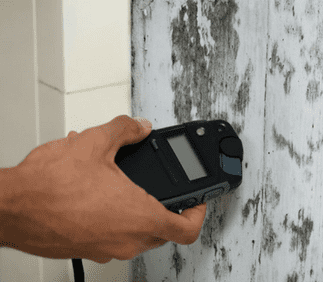
A professional mold inspection in Southampton, NY goes well beyond a visual walkthrough. The process includes air sampling to measure airborne spore levels, surface swab sampling to identify mold species on contact areas, moisture level measurement throughout the property, water intrusion inspection to trace the source, and infrared thermal imaging to detect hidden moisture behind walls and ceilings without opening them up.
All samples are sent to an accredited laboratory not analyzed in-house. The results come back as a written report that documents mold species, spore concentrations, indoor-versus-outdoor air comparisons, moisture readings, photographic evidence, and specific remediation recommendations. That report is structured to be usable for insurance claims, real estate transactions, and contractor coordination which matters in a market like Southampton where property values and transaction stakes are as high as they are.
How much does a mold inspection cost in Southampton, NY?
Nationally, professional mold inspections typically range from around $300 to just over $1,000, with the average landing near $670. In Southampton, costs can vary depending on the size of the property, the number of samples collected, and whether additional testing like infrared thermal imaging is included. Larger estate properties or homes with complex layouts finished basements, multi-zone HVAC systems, extensive crawl spaces generally take more time and require more samples, which affects the final cost.
It’s worth putting that number in context. The cost of a thorough inspection is a fraction of what remediation runs if a problem goes undetected and remediation projects can range from $1,150 on the low end to $20,000 or more depending on scope. In a market where mold issues have been documented to reduce home values by 20 to 37 percent, skipping or delaying a professional inspection on a Southampton property is a financial risk that far outweighs the inspection fee itself.
Can mold grow inside a Southampton home that's been closed for the winter?
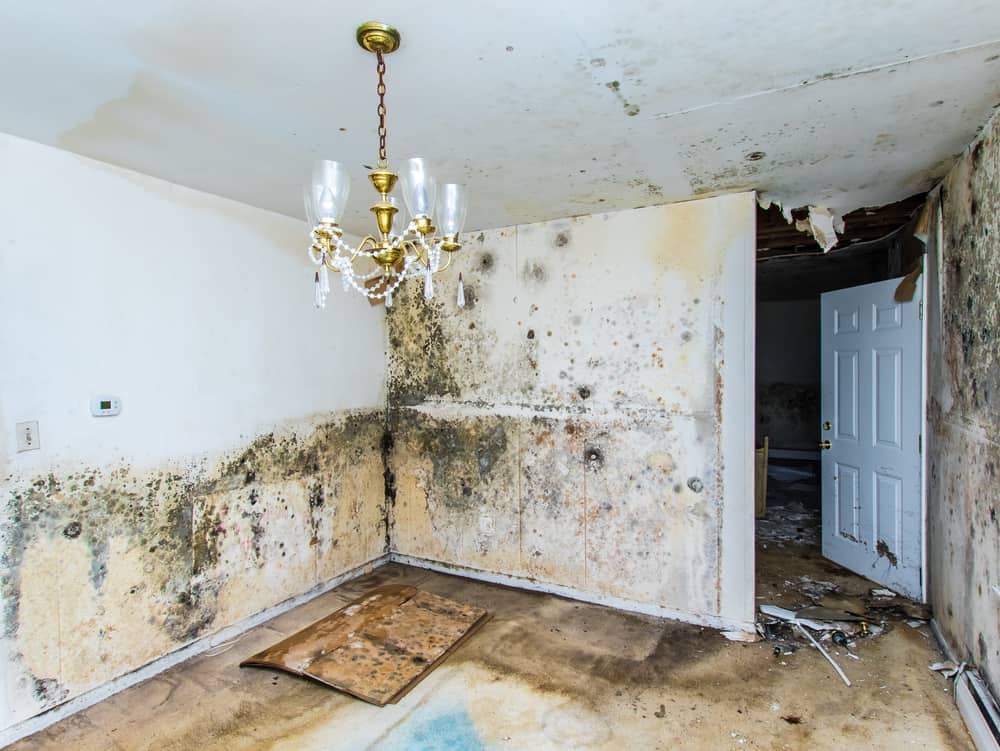
Yes and it’s one of the most common scenarios we see in Southampton specifically. When a property is closed up from fall through spring with no active HVAC management, no ventilation, and no one present to notice early warning signs, moisture has months to accumulate unchecked. The Atlantic humidity that characterizes the South Fork doesn’t stop affecting your home just because the heat is off. It works its way into wall cavities, attic insulation, and crawl spaces and creates exactly the conditions mold needs to establish itself.
Seasonal homeowners who open their properties in spring and notice a musty smell, discoloration on walls, or unexplained staining on ceilings are often dealing with mold that developed quietly over the winter. A pre-season mold inspection in Southampton, NY before or immediately after opening is one of the most practical ways to catch these problems early before they’ve spread to structural materials or HVAC components, which is when remediation costs climb significantly.
Do I need a mold inspection before buying a home in Southampton?
A general home inspection can flag moisture concerns and musty odors, but it cannot identify mold species, measure spore concentrations, or produce the kind of lab-verified documentation that a licensed mold assessor can. In Southampton’s real estate market where transactions routinely involve multi-million-dollar properties, multiple attorneys, and detailed due diligence processes a mold inspection during the contract period is a standard protective step, not an unusual one.
If the general inspector notes anything related to moisture, water staining, or a musty smell, that’s a clear signal to bring in a licensed mold assessor before closing. A mold problem discovered after closing becomes a legal and financial issue that can take months to resolve. Discovered before closing, it becomes a negotiation point a remediation credit, a price adjustment, or a seller-funded fix. The written report from a professional mold assessment in Southampton, NY gives you the documentation you need to have that conversation with real numbers behind it.
What are the most common signs that a Southampton property needs mold testing?
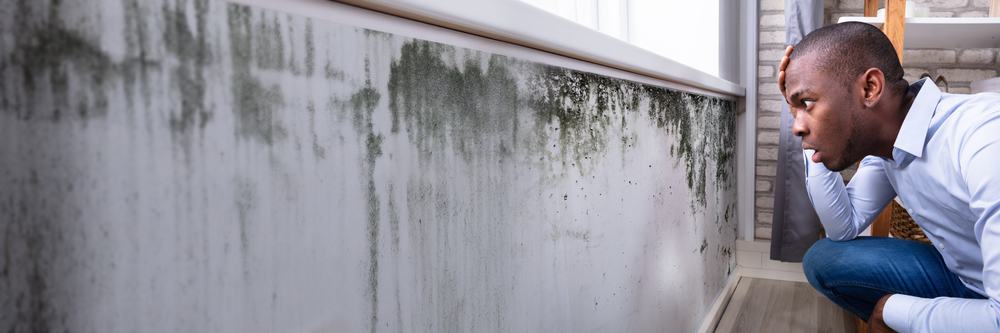
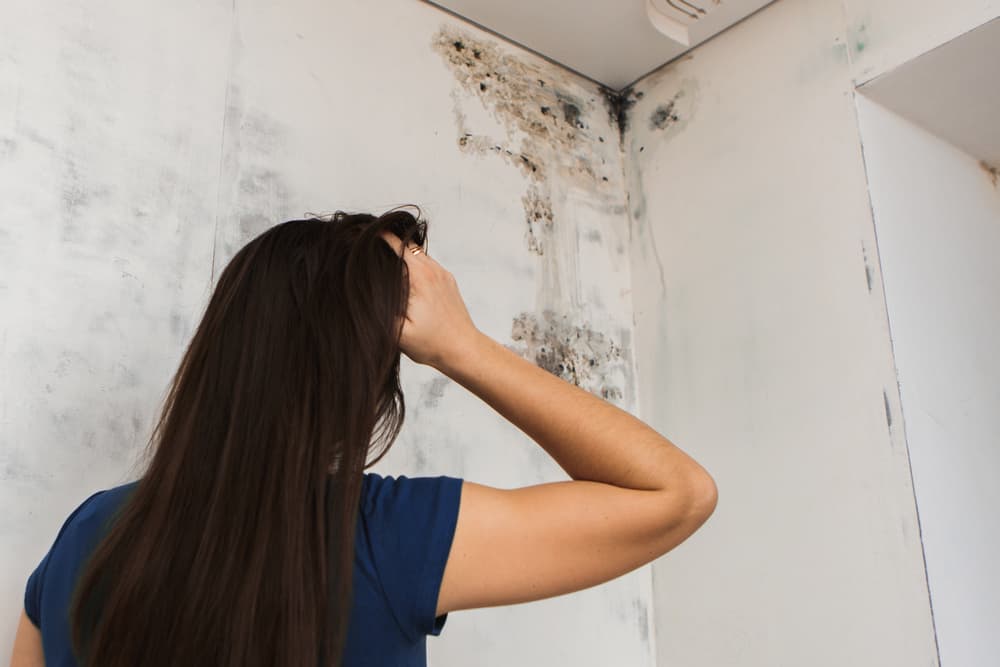
The most obvious signs are visible dark spots or discoloration on walls, ceilings, or around windows, particularly in bathrooms, basements, or any room that faces the water. A persistent musty smell that doesn’t clear with ventilation is another strong indicator, especially in properties that have been closed for a period of time. Unexplained respiratory symptoms, chronic sinus issues, or allergy-like reactions that improve when you leave the property and return when you come back are also worth taking seriously.
In Southampton specifically, properties near Shinnecock Bay, North Sea Harbor, or in low-lying areas of Hampton Bays with higher water tables tend to show moisture-related problems earlier and more frequently than inland homes. Post-storm situations after a nor’easter brings wind-driven rain, or after coastal flooding introduces water through foundation gaps or window seals are also common triggers. If any of these situations apply to your property, professional indoor air quality testing for mold in Southampton, NY is the right next step, not a wait-and-see approach.
Does homeowner's insurance cover mold remediation after a storm in Southampton?
It depends on the cause and how well it’s documented. Most standard homeowner’s insurance policies cover mold remediation when the mold is a direct result of a covered event a storm, a burst pipe, or sudden water intrusion. What they typically don’t cover is mold that developed from long-term neglect, chronic moisture, or maintenance issues the homeowner was aware of and didn’t address. The distinction matters, and insurers will look closely at the documentation before approving a claim.
Southampton’s history with coastal flooding and nor’easters including the mandatory evacuations and widespread property damage that followed Hurricane Sandy across the South Fork means storm-related mold claims are a real and recurring situation here. The key to a successful claim is documentation: lab-verified results, photographic evidence, moisture readings, and a written report that clearly connects the mold to the triggering event. We handle the inspection documentation and work directly with your insurance carrier throughout the process, so the claim is supported from the start rather than pieced together after the fact.
Useful Links
Other Services we provide in Southampton