
Mold Inspection in Bay Park, NY
When Bay Park Floods, the Mold Stays Behind

Hear from Our Customers
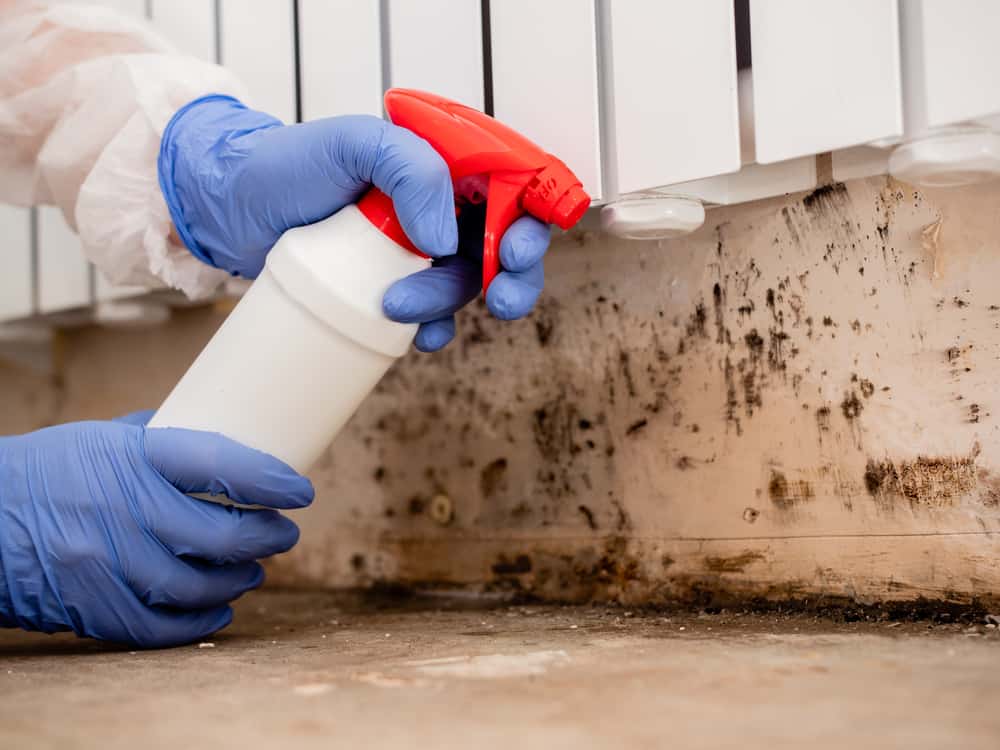
Mold Testing in Bay Park, NY
Bay Park sits right along the East Rockaway Channel, and if you’ve lived here for more than a few years, you already know what flooding does to a home. What most homeowners don’t realize is that the water leaving doesn’t mean the damage is over. Moisture gets trapped inside wall cavities, under flooring, and in crawlspaces and once it’s there, mold can start growing within 24 to 48 hours. The problem isn’t always visible. That’s exactly where a professional mold inspection in Bay Park changes everything.
A proper inspection gives you a clear, documented answer not a guess. You’ll know whether mold is present, where it is, what species you’re dealing with, and what it’s going to take to fix it. That kind of certainty matters whether you’re dealing with a recent flooding event, a musty smell that won’t go away, or a real estate transaction on a home with a post-Sandy renovation history.
For Bay Park homeowners in FEMA flood zones, the stakes are even more specific. Flood insurance claims require documentation. Real estate attorneys want lab-backed reports. And in a community where homes average 66 days on market because buyers are doing serious due diligence, a clean mold inspection report has real dollar value attached to it. You’re not just buying peace of mind you’re protecting what the house is actually worth.
Licensed Mold Inspector in Bay Park, NY
First Response Restoration and Cleaning Inc. has been serving Nassau County homeowners for over 31 years. That means we were here before Sandy, during Sandy, and through every storm event that’s hit the South Shore since. We’ve inspected canal-front bungalows along the Bay Park waterfront, raised Cape Cods, and pre-war homes with decades of moisture history buried in their walls. This isn’t new territory for us.
Owner Richard Peterson holds New York State licensure in both mold assessment and mold remediation under Article 32 of the NY Labor Law the two separate licenses the state requires. Every technician on our staff is IICRC-certified, which means the person who shows up at your door carries the same credentials as the person who answered the phone. We’re fully licensed, bonded, and insured, and we’re available 24 hours a day, 7 days a week. When a storm clears and you need answers fast, one call to our Nassau County line at 516-698-1776 gets someone moving toward Bay Park not a voicemail.
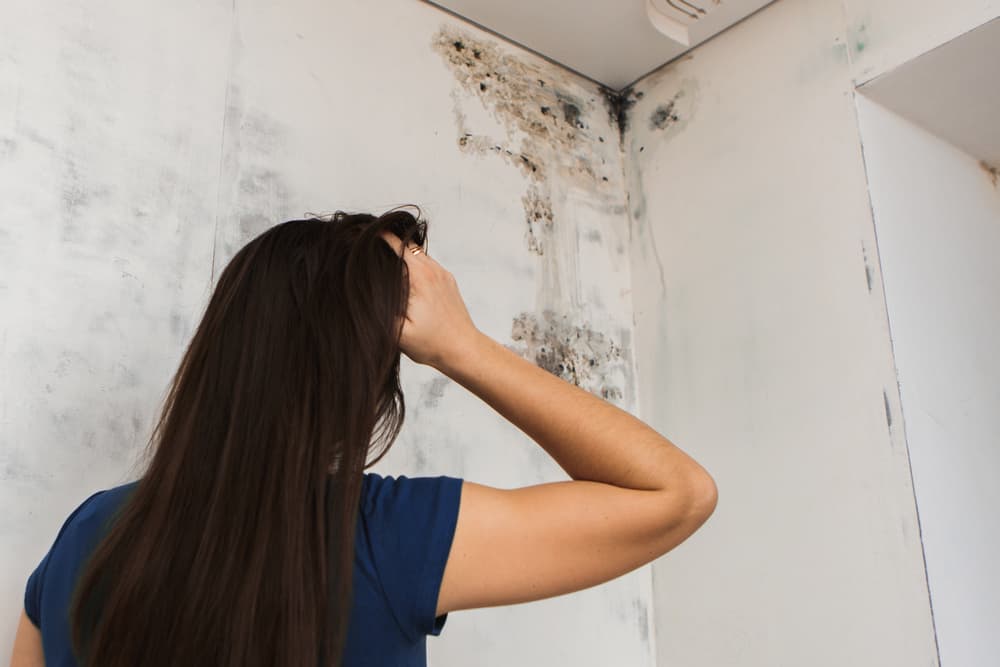
Mold Assessment Services in Bay Park, NY
Most mold inspections stop at what’s visible. Ours doesn’t. For a home in Bay Park where tidal flooding comes in from below, saltwater gets into building materials, and the moisture can linger long after the water recedes a surface-level look isn’t enough. That’s why we use a five-point inspection protocol designed to find mold wherever it’s hiding.
We start with a full water intrusion inspection, tracing every possible moisture pathway into the structure. From there, we measure moisture levels throughout the home using calibrated equipment, then deploy infrared camera technology to detect temperature differentials in walls, ceilings, and floors that indicate hidden moisture the kind that never shows up on a visual inspection. Air samples and swab samples are collected and sent to a certified third-party laboratory for analysis. The lab identifies the species present, measures spore concentration, and compares your indoor air quality against outdoor baseline levels.
When the results come back, you get a written report not a verbal summary, a written report with certified lab findings and specific remediation recommendations. If your home is in a FEMA flood zone, this is the documentation your insurance company needs. If you’re buying or selling, it’s what your real estate attorney is going to ask for. Under New York State’s Article 32 mold law, any mold assessment performed for compensation must be carried out by a state-licensed assessor. We are. A lot of operators in this market aren’t and in Bay Park, where that report may need to hold up to legal or insurance scrutiny, that distinction matters.
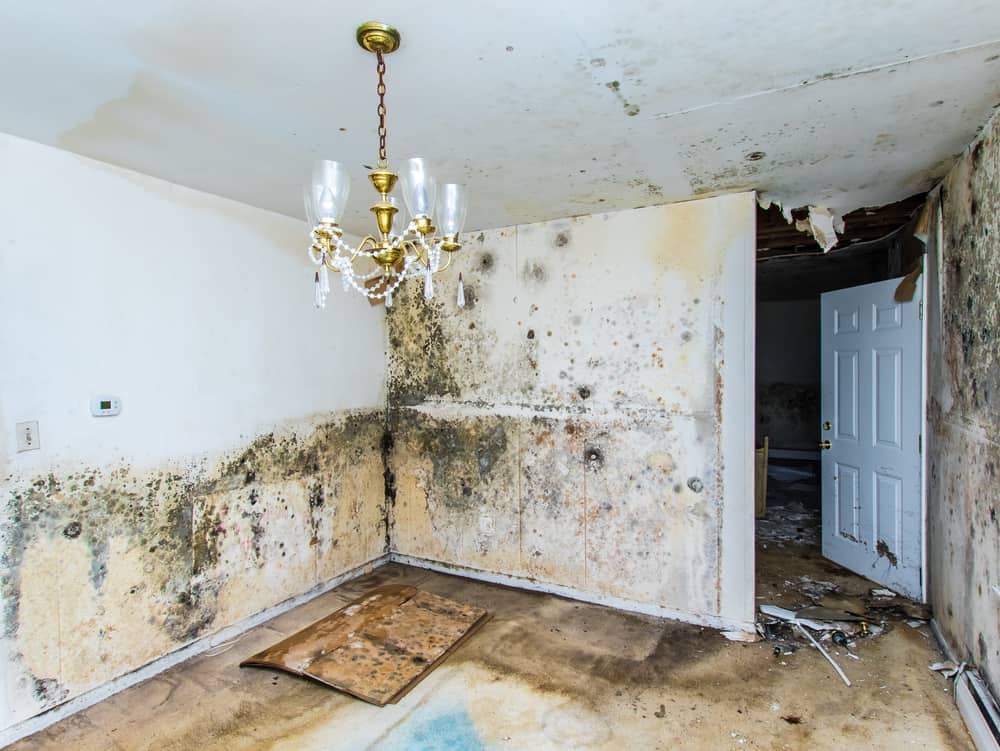
Ready to get started?
Residential Mold Inspection in Bay Park, NY
A mold inspection in Bay Park from First Response covers the full picture not just the obvious spots. We inspect the areas that matter most in South Shore coastal homes: basements, crawlspaces, wall cavities, attics, and anywhere water intrusion has a pathway in. For canal-front properties along the Bay Park waterfront, that includes the structural interface between the foundation and tidal exposure an inspection point that most generic inspectors don’t even think to include.
Every inspection we perform includes air testing, surface swab sampling, moisture level measurement, infrared hidden mold detection, and a written report backed by certified laboratory results. The lab report identifies mold species, spore concentration levels, and how your indoor air compares to outdoor baseline readings. That comparison matters it tells you whether what’s inside your home is significantly worse than what’s naturally in the outside air, which is the key indicator of an active mold problem.
If mold is found and remediation is needed, we handle that too. You won’t be passed off to a second company or left to coordinate between separate contractors. First Response does the inspection, the remediation, and the full restoration which means one consistent standard from the first air sample to the final cleared report. For Bay Park homeowners navigating an insurance claim, a real estate transaction, or just trying to understand what’s actually in their home after years of South Shore flooding, that continuity makes the whole process considerably less stressful.
Does flooding from the East Rockaway Channel actually cause mold in Bay Park homes?
Yes and the way it causes mold is different from a typical plumbing leak or roof issue. When tidal water from the East Rockaway Channel enters a Bay Park home, it doesn’t just wet the floor. It gets absorbed into wall framing, insulation, subfloor materials, and concrete block foundations. Saltwater is particularly problematic because salt residue continues to attract and retain moisture long after the initial flooding event ends. That ongoing moisture presence creates conditions where mold can grow and spread even without any additional water intrusion.
The other issue is that tidal flooding often comes in from below through foundation gaps, crawlspace vents, and slab cracks which means the moisture ends up in places you’d never think to look. A standard visual inspection won’t catch it. Infrared camera technology is specifically designed to detect temperature differentials in building materials that indicate trapped moisture, and that’s a core part of how we inspect every Bay Park home we work in. If your home has experienced tidal flooding even once, a professional mold inspection is worth doing because the mold doesn’t always announce itself.
How do I know if I need mold testing or just a regular home inspection?
A standard home inspection looks at the visible condition of a property structure, systems, roof, and so on. It’s not designed to detect mold, and most home inspectors aren’t licensed mold assessors. In New York State, mold assessment for compensation requires a separate state license under Article 32 of the NY Labor Law. A home inspector flagging a “possible mold concern” is very different from a licensed mold assessor performing certified air and surface sampling with laboratory analysis.
If you’re buying a home in Bay Park especially one that was renovated after Sandy or sits in a FEMA flood zone you want a dedicated mold inspection in addition to your standard home inspection. The home inspection tells you the condition of the structure. The mold inspection tells you what’s living inside it. For a home with any flooding history, those are two separate questions that deserve two separate answers. We’ve worked with plenty of Bay Park buyers who discovered mold issues after closing that a proper pre-purchase mold inspection would have caught beforehand.
What does a mold inspection in Bay Park, NY typically cost?
For most residential properties, professional mold inspection costs fall in the range of $300 to $670, depending on the size of the home and the scope of the inspection. Larger homes, canal-front properties with additional access points, or homes requiring extensive infrared scanning may fall toward the higher end of that range. The certified laboratory analysis is included in that cost you’re not paying separately for the lab work.
It’s worth putting that number in context. If mold is found and goes untreated, professional remediation typically runs between $1,150 and $3,400 for moderate cases and can reach $10,000 to $20,000 or more for extensive contamination behind walls or in structural materials. In a Bay Park home with a flooding history, catching a mold problem early is almost always significantly cheaper than dealing with it after it’s had time to spread. And if you’re in a FEMA flood zone filing an insurance claim, the inspection report is required documentation meaning the cost of the inspection is directly tied to the value of the claim you’re trying to support.
How quickly does mold start growing after a flood or water intrusion event?
Mold can begin growing within 24 to 48 hours once moisture is present and indoor humidity rises above 60%. In a coastal community like Bay Park, where ambient humidity from the East Rockaway Channel is already elevated relative to inland Nassau County, conditions can accelerate that timeline even further. The mold doesn’t need a dramatic flood event to get started. A slow leak behind a wall, a sump pump that ran a little late, or a crawlspace that took on a few inches of water during a storm surge can all create the right environment.
This is why we’re available 24 hours a day, 7 days a week. When a storm clears and you’re assessing the damage, you don’t have the luxury of waiting until the following week to book an inspection. Call our Nassau County line at 516-698-1776 and we’ll get a certified technician to your Bay Park home as quickly as possible. The faster the inspection happens, the more options you have and the lower the likelihood that a manageable moisture problem becomes a full-scale mold remediation project.
Can mold grow in a Bay Park home that was renovated and raised after Sandy?
This is one of the most important questions Bay Park homeowners and buyers should be asking, and the honest answer is yes. Elevating and renovating a home after Sandy addressed the structural vulnerability to future flooding but it didn’t necessarily address mold that was already present inside the original building materials. Many post-Sandy renovations involved cosmetic and structural upgrades without full gut-and-remediate work. If the original wall framing, subfloor, or insulation was left in place and mold had already colonized those materials, raising the house didn’t eliminate it.
Homes in Bay Park that were “renovated after Sandy” and are now listed as FEMA compliant are worth inspecting before purchase or even if you’ve owned one for years and never had a professional mold assessment done. Infrared technology can detect moisture anomalies inside wall assemblies without any destructive testing, giving you a clear picture of what’s actually inside the structure before you commit to a purchase or before a problem gets worse. If the inspection comes back clean, you have documented proof. If it doesn’t, you know what you’re dealing with before it becomes a much bigger issue.
Does homeowner or flood insurance cover mold inspection and remediation costs?
It depends on the policy and the cause of the mold. Standard homeowner’s insurance policies typically cover mold damage when it results from a sudden, accidental event like a burst pipe but often exclude mold that results from ongoing moisture issues or flooding. Flood insurance, which is required for many Bay Park properties in FEMA-designated flood zones, may cover mold remediation when the mold is a direct result of a covered flood event, but the coverage limits and conditions vary significantly by policy.
What every Bay Park homeowner should understand is that documentation is non-negotiable when filing a claim. Insurance companies require a professional, written assessment with certified laboratory results not a verbal opinion or a basic visual report. First Response produces exactly that: a written report with certified lab findings, species identification, spore concentration data, and specific remediation recommendations. That documentation is what your adjuster needs to process the claim, and it’s what protects you if the claim is disputed. We’d recommend reviewing your flood and homeowner’s policies before a loss event so you understand your coverage and if you’ve already experienced flooding, call us before you call your adjuster so the documentation is in place from the start.
Useful Links
Other Services we provide in Bay Park