
Hear from Our Customers
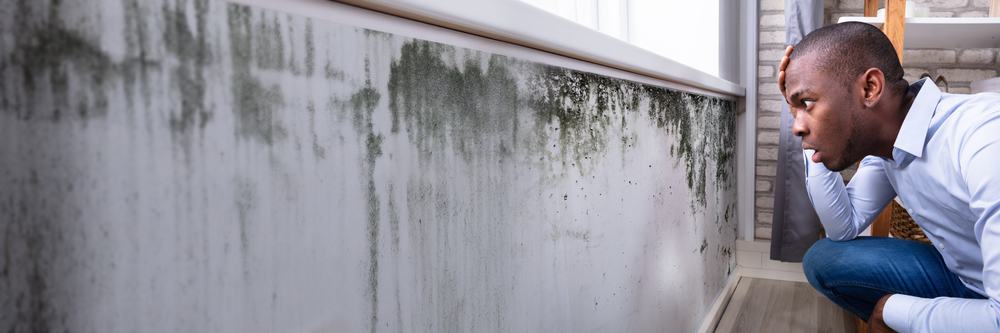
There is a difference between suspecting mold and knowing it is there. A professional mold inspection gives you documented, lab-confirmed answers — not guesses, not a verbal opinion after a quick walkthrough. That matters whether you are buying a home in Bay Shore, dealing with a recurring musty smell in your basement, or trying to figure out why someone in your household keeps getting sick.
Bay Shore’s housing stock makes this more urgent than most people realize. A large portion of homes in neighborhoods like Baywood and Baywood East were built between 1940 and 1969. These are 55- to 80-year-old structures with decades of moisture history inside their walls, aging plumbing, and crawl spaces that were never designed to handle the kind of coastal humidity the Great South Bay delivers every summer. Add the flooding legacy of Hurricane Sandy — which produced record water levels in the western Great South Bay along southern Suffolk County — and Bay Shore has a documented history where hidden mold is a genuine, ongoing risk, not a remote possibility.
When the inspection is done right, you walk away with a clear picture of what is happening inside your home, what species are present, where the moisture source is, and what needs to happen next. That information protects your health, your home’s value, and your ability to make a smart decision about what to do next.
We are based in West Babylon — directly next door to Bay Shore along the South Shore. This is not a company routing calls from a regional office or sending crews from Nassau County. The team that shows up at your door knows this coastline, knows what post-Sandy basements look like years later, and knows the specific conditions that drive mold growth in older Bay Shore homes.
Richard Peterson has been running this operation for over three decades. Every technician on our staff holds IICRC certification — not just senior staff, but everyone. We hold active New York State licenses for both mold assessment and mold remediation, as required by the NY Department of Labor since 2016. Those licenses are verifiable. That matters in a market where plenty of people show up with a flashlight and call it an inspection.
When you call us for a mold inspection in Bay Shore, NY, you are calling a team that has been solving these problems in this exact environment — the same coastal humidity, the same aging housing stock, the same South Shore flooding history — for longer than most competitors have been in business.
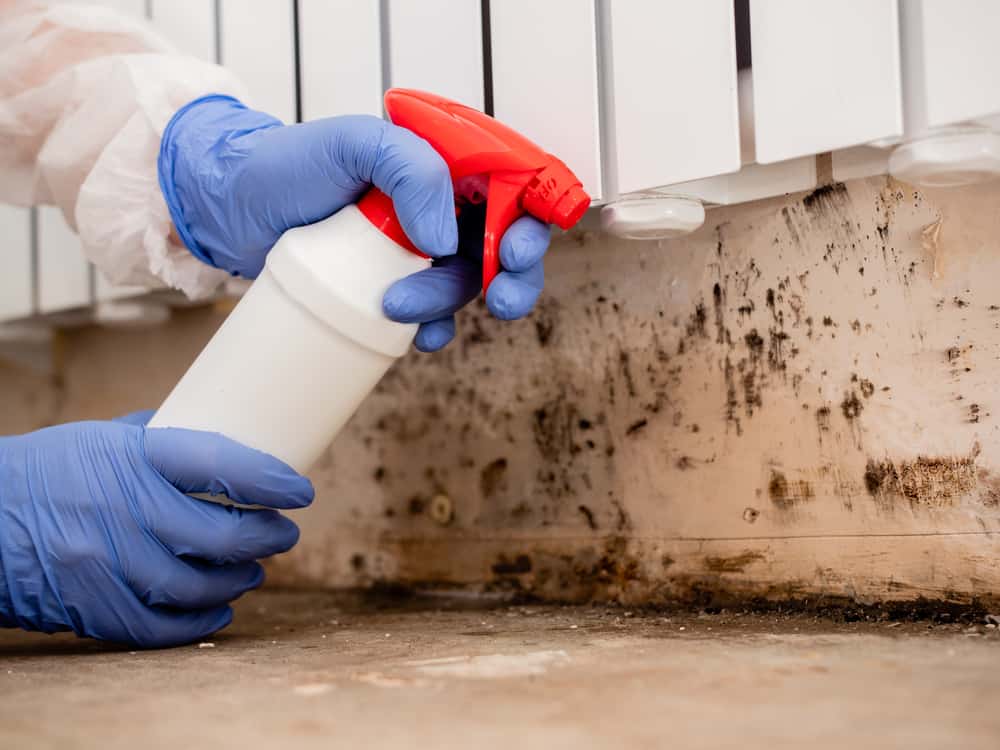
The inspection starts before anyone opens a wall. Air samples are collected from the interior spaces and compared against an outdoor control sample — this tells you whether spore concentrations inside your home are elevated relative to the environment outside. Surface swab samples are collected from any visible growth or suspected areas. Both go to a certified, accredited laboratory for analysis. You get documented species identification and spore counts, not an inspector’s personal read on what they saw.
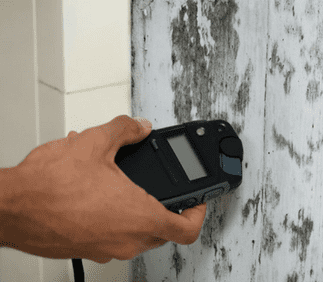
From there, the process moves into moisture mapping. Moisture meters measure the actual water content inside walls, floors, and ceilings — because mold does not always grow where you can see it. In Bay Shore homes near the marina or along the lower-lying blocks that experienced storm surge flooding, moisture can persist inside structural materials long after everything looks dry on the surface. Infrared thermal imaging takes this further, detecting temperature differentials that indicate hidden moisture behind walls and under floors without cutting into anything.
Once sampling and moisture mapping are complete, you receive a written report with lab results, photographic documentation, identified moisture sources, and specific recommended next steps. If remediation is needed, we hold the NYS Mold Remediator license to handle that work as well — and the capability to manage full structural reconstruction if materials need to be replaced. Under New York State law, mold assessment and remediation must be performed by separate licensed entities, so the inspection report is always independent and objective before any remediation scope is discussed.
Ready to get started?
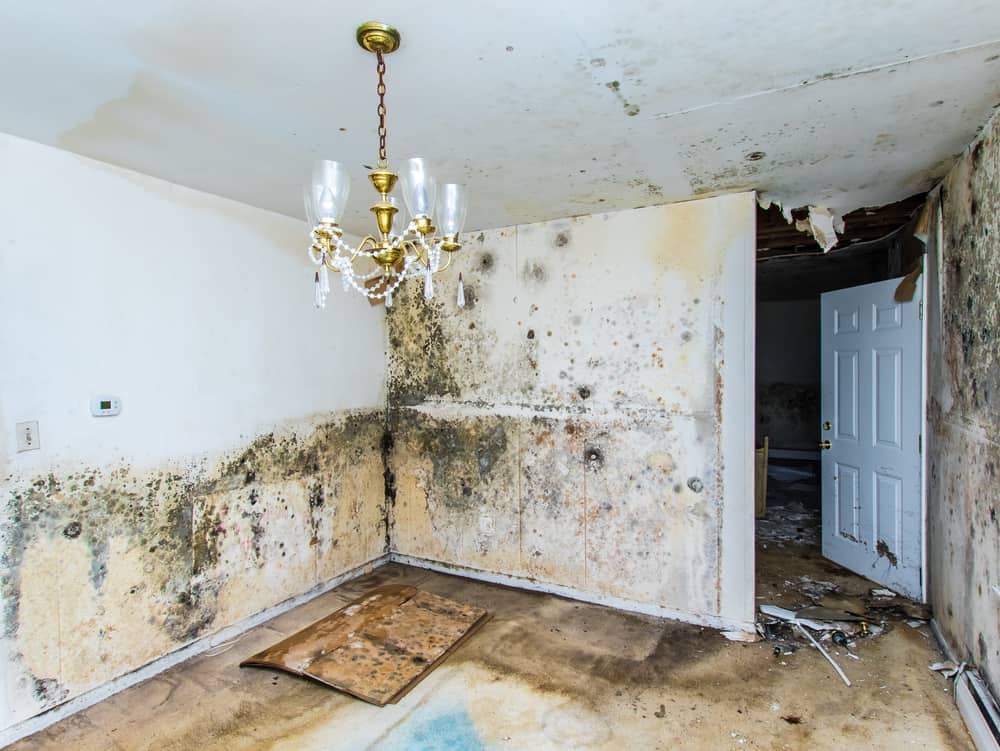
A thorough mold inspection in Bay Shore, NY covers more than what is visible. Our inspection includes air quality testing for airborne spore sampling, surface swab collection, a full water intrusion assessment, moisture level measurements throughout the structure, and photographic documentation of all identified problem areas. Infrared thermal imaging is used to locate hidden moisture behind walls, under flooring, and inside ceilings — a critical tool in older Bay Shore homes where water has had decades to work its way into places you cannot see from the surface.
For homeowners in Baywood, Baywood East, or the waterfront blocks near the Bay Shore Marina, the inspection also evaluates the specific risk factors tied to this area: coastal humidity intrusion, potential saltwater-related material degradation, and evidence of prior flooding that may have left moisture inside structural cavities. For landlords managing multi-family properties along the Main Street corridor, or commercial property owners dealing with ground-level water damage that migrates into upper-floor units, we adapt the process to address the building type and occupancy context.
Every inspection produces a written report with lab-verified findings that can be used for insurance documentation, real estate transactions, or landlord-tenant disputes. If you are buying or selling a home in Bay Shore, that report is the kind of documentation that holds up — not a verbal summary, not a one-page checklist, but a complete assessment with laboratory results behind it.
Yes — and the reasons are specific to Bay Shore. Our community sits directly on the Great South Bay, which means ambient humidity levels here are consistently higher than inland communities, particularly from spring through early fall. Coastal air carries more moisture, and that moisture finds its way into building envelopes, crawl spaces, attics, and basements — especially in older homes that were not built with modern vapor barriers or moisture management systems.
The flooding history compounds the issue. Hurricane Sandy produced record coastal flooding in the western Great South Bay corridor, and many Bay Shore homes — particularly in the lower-lying blocks near the marina and ferry terminal — took on water. Mold from flood events can remain dormant inside structural materials for years and reactivate when humidity conditions are right. If your home is in Baywood, Baywood East, or anywhere near the waterfront and it has never been professionally inspected for mold, there is a real possibility that something is growing where you cannot see it.
Professional mold inspection costs generally range from around $300 to $700 for a residential property, depending on the size of the home and the scope of testing needed. Larger properties, multi-family buildings, or inspections requiring extensive air sampling across multiple areas will land toward the higher end of that range. The number that matters more, though, is what you are comparing it against.
Full mold remediation — the work required after mold is confirmed and needs to be removed — typically runs anywhere from $1,150 to well over $10,000 depending on how far the growth has spread. If a mold problem in a Bay Shore home goes undetected for another year or two, the difference between a $500 inspection today and a $15,000 remediation project later is not hypothetical. It is the actual cost of waiting. For homeowners in older Bay Shore properties with coastal exposure and flood history, an inspection is the lowest-cost risk management tool available.
New York State has required all mold assessors and mold contractors to hold active licenses issued by the NY Department of Labor since January 1, 2016. This applies to everyone operating in Bay Shore and throughout the state — there are no exceptions. The license is verifiable through the NY DOL’s online contractor license lookup tool, which is publicly accessible. You can search any company by name and confirm whether their Mold Assessor license is current before you let them into your home.
This is worth checking because not everyone advertising mold inspection services in the Bay Shore area holds the required credentials. A company without a current NYS Mold Assessor license is operating outside the law, and more practically, their findings carry no legal weight for insurance claims, real estate disclosures, or habitability disputes. We hold both the NYS Mold Assessor license and the NYS Mold Remediator license — both active, both verifiable. That is the baseline you should require from anyone you hire for this work.
They are related but not identical. A mold inspection is the broader process — it includes a physical assessment of the property, moisture mapping, identification of water intrusion sources, and documentation of visible or suspected mold growth. Mold testing refers specifically to the collection and laboratory analysis of samples: air samples for airborne spore counts and surface swabs for species identification. A complete professional mold inspection in Bay Shore, NY includes both.
Where the distinction matters is when someone offers “mold testing only” — meaning they collect samples but do not conduct a full moisture and intrusion assessment. In a Bay Shore home with coastal exposure and potential flood history, knowing the spore count without understanding where the moisture source is does not give you the full picture. You need to know what is growing, where it is growing, and why — because without addressing the moisture source, any remediation work is temporary. A thorough inspection covers all three.
For a Bay Shore property, a pre-purchase mold inspection is one of the more important due diligence steps you can take. The combination of older housing stock — particularly in Baywood and Baywood East where most homes were built between 1940 and 1969 — and the community’s documented coastal flooding history creates conditions where hidden mold is a realistic risk, not a remote one. A standard home inspection will note visible mold if it is obvious, but it is not designed to detect mold behind walls, inside attic insulation, or beneath flooring.
From a financial standpoint, mold disclosure can reduce a home’s value by 20 to 37 percent, and a significant portion of buyers back out of deals entirely when mold history surfaces after an offer is accepted. Getting an independent mold inspection before closing gives you documented information to negotiate with, plan around, or — if the findings are severe — walk away from a bad deal before it becomes your problem. The inspection report also establishes a baseline for the property’s condition at the time of purchase, which is useful if issues develop later.
Yes, and this is actually one of the most common situations that leads to a mold inspection call in Bay Shore. The assumption that mold only develops immediately after flooding is not accurate. Mold can remain dormant inside wall cavities, subfloor materials, and insulation for years after a water event — and it reactivates when humidity conditions create the right environment. Given that Bay Shore’s coastal climate regularly pushes indoor humidity into the range where mold thrives, a basement that flooded during Sandy or a subsequent nor’easter may have never fully dried out inside the structural materials, even if everything looked fine on the surface within a few weeks.
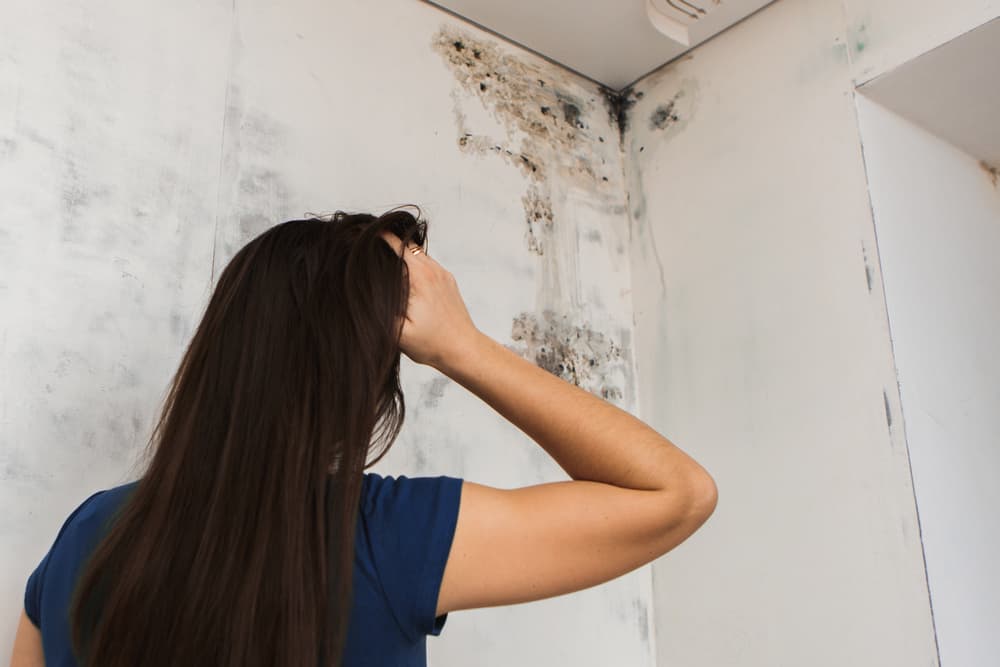
If your basement took on water at any point and has never been professionally inspected, there is no reliable way to know what is happening inside those walls without testing. A musty smell that comes and goes, unexplained respiratory symptoms in the household, or visible staining on walls or flooring are all reasons to act sooner rather than later. The inspection will tell you definitively whether something is there — and if it is, you will have the documentation and the remediation path to deal with it properly.
Useful Links
Other Services we provide in Bay Shore