
Mold Inspection in Bellport, NY
Bellport's Coastal Homes Deserve More Than a Flashlight and a Guess
Hear from Our Customers
Residential Mold Inspection Bellport, NY
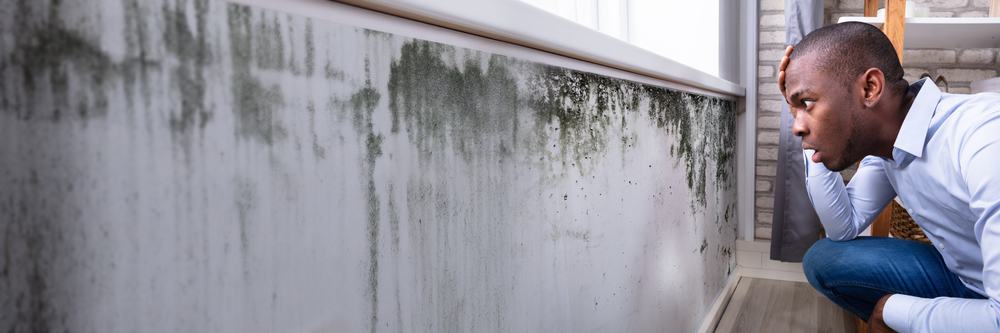
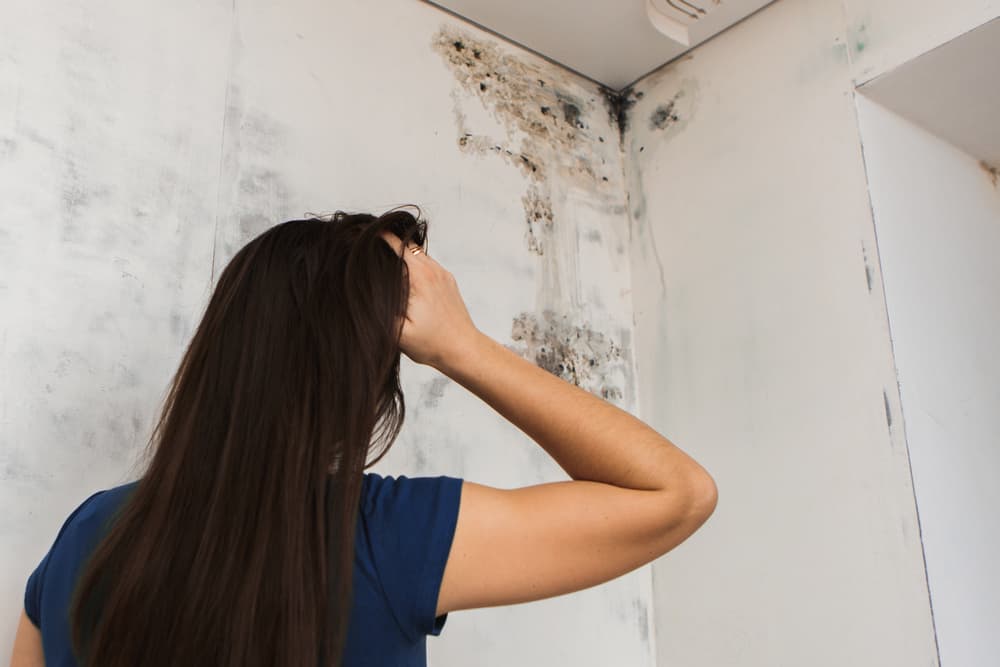
Most people don’t call a mold inspector because everything’s fine. They call because something feels off a smell that won’t go away, a corner that keeps getting damp, a basement that flooded after the last nor’easter came through the bay. The problem is, by the time you can see mold, it’s usually been growing for a while. A thorough inspection tells you what’s actually happening, where it started, and what it’s going to take to fix it.
For homes along South Country Road or anywhere near the waterfront, that matters more than it does in most places. Bellport sits directly on the Great South Bay, and the coastal humidity here is persistent not just in summer, but year-round. Older homes in the village, especially those built before modern moisture barriers existed, absorb that humidity through walls, crawl spaces, and foundations in ways that newer construction simply doesn’t. If your home was built in the early 1900s, it was never designed to handle what Long Island’s South Shore throws at it today.
After a proper inspection, you’ll know exactly what type of mold is present, where the moisture is coming from, and what remediation if any actually needs to happen. That’s not a small thing when you’re deciding whether to list your home, file an insurance claim, or just figure out why your family keeps getting headaches.
Mold Inspection Company Bellport, NY
We’ve been serving Long Island homeowners for over three decades. That’s not a marketing number it’s the kind of track record that only comes from consistently doing the work right. Our company was built out of West Babylon, a South Shore community on the same Great South Bay corridor that Bellport sits on, and we’ve spent years working in exactly the kind of coastal, older-construction homes that make up the village’s housing stock.
Every technician on our team holds IICRC certification not just our owner, not just a senior inspector, but everyone who comes through your door. We also hold both the New York State Mold Assessor license and the Mold Remediator license, which have been legally required in New York since 2016. You can verify both through the NY Department of Labor’s online search tool before you ever pick up the phone.
What that means for you as a Bellport homeowner is that the same licensed, insured team that finds the problem can also fix it all the way through remediation and reconstruction if needed. You won’t be handed a report and left to figure out the next step on your own.
Professional Mold Assessment Services Bellport, NY
The inspection starts with a full walkthrough of your home basement, crawl spaces, attic, and anywhere else moisture is likely to travel. In Bellport, that usually means paying close attention to below-grade spaces first. High water tables and soil saturation are endemic to this coastal area, and basement mold is one of the most common findings in homes throughout the 11713 ZIP code. If there’s been any recent flooding or storm intrusion, those areas get priority.
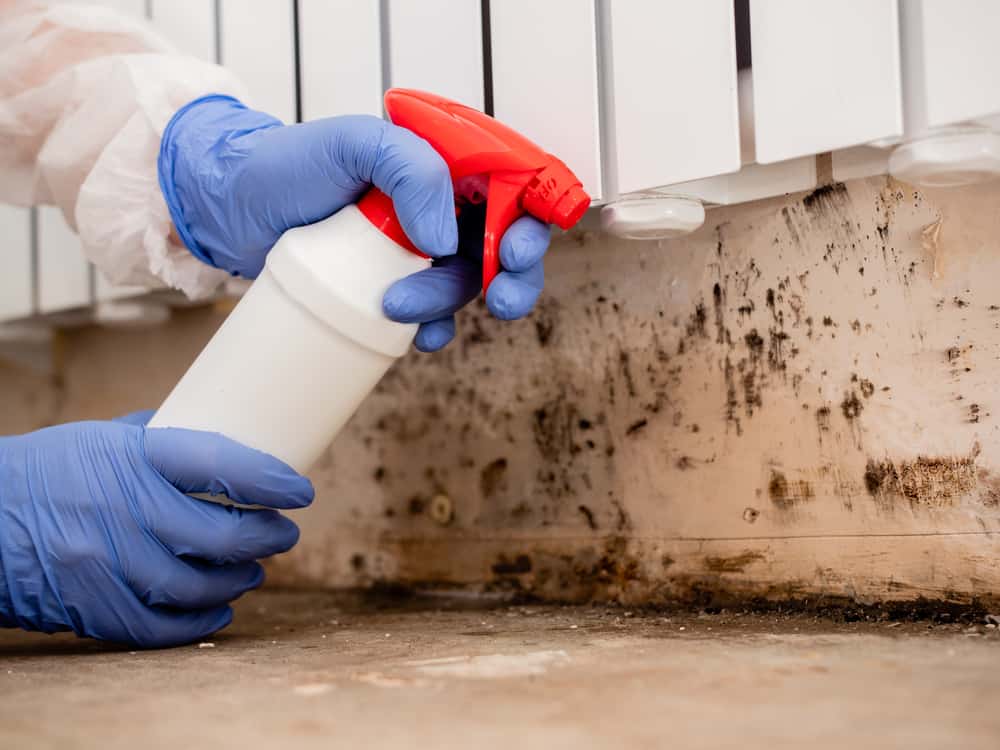
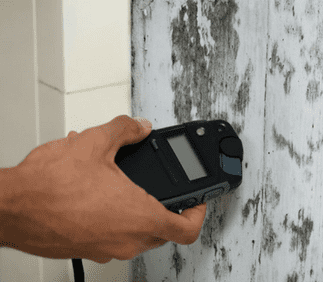
From there, we collect air samples and surface swab samples, which go directly to an accredited laboratory for analysis. At the same time, infrared thermal imaging is used to scan walls, ceilings, and floors for hidden moisture pockets areas where mold is actively growing but not yet visible. This is especially relevant in Bellport’s older homes, where plaster walls and original wood framing can conceal moisture damage for months without showing a single visible sign on the surface.
Once the lab results come back, you receive a comprehensive written report. It breaks down what was found, what species of mold are present, where the moisture source is, and what the recommended next steps are in plain language, not raw data. If your home is in one of the village’s Historic Districts, that report also accounts for the preservation considerations that affect how remediation work can be done on a landmarked property. If an insurance claim is involved, we handle that documentation from the start.
Ready to get started?
Indoor Air Quality Testing for Mold Bellport, NY
Our mold inspection service covers five documented points: airborne spore sampling, surface swab collection, water intrusion source identification, moisture level measurement with calibrated instruments, and full photographic documentation of every mold location found. Infrared thermal imaging is included to detect hidden mold behind walls and under flooring not offered as an add-on, but built into the process because it’s the only responsible way to inspect an older home.
All samples go to an accredited lab. The written report you receive at the end is usable for insurance claims, real estate transactions, or just your own records. Given that Bellport’s real estate market includes homes trading well above $600,000 and waterfront properties reaching into the millions having lab-verified documentation isn’t optional if you’re buying, selling, or filing a claim after storm damage from the bay.
We also provide commercial mold inspection in Bellport, NY for businesses and commercial properties along South Country Road and throughout the broader area. Whether it’s a residential property in the historic district or a commercial space, the same licensed team, the same accredited lab process, and the same written reporting standard applies. If mold is found and remediation is needed, that work is handled by us no hand-off, no coordination gap, no starting over with a new contractor.
How do I know if my Bellport home actually needs a mold inspection?
The most common signs are a persistent musty smell, visible dark spots on walls or ceilings, recurring condensation, or a basement that’s taken on water. But in Bellport specifically, a lot of homeowners don’t see any of these signs and still have a mold problem because the village’s older housing stock and high water table create conditions where mold grows inside wall cavities, beneath original flooring, and in crawl spaces without ever showing up on the surface.
If your home is more than 50 years old, has a basement or crawl space, sits close to the Great South Bay, or has experienced any water intrusion in the past even a minor one a professional inspection is worth doing. The cost of the inspection is a fraction of what remediation costs once mold has had time to establish itself in structural materials. Catching it early is almost always the cheaper outcome.
What does a mold inspection cost, and what does that price include?
Professional mold inspection typically runs between $300 and $700 for a standard residential property, though larger homes or properties requiring more extensive sampling may run higher. What matters more than the number is what you’re getting for it because not all inspections are the same. A thorough inspection includes air sampling, surface swabs, moisture measurement, water intrusion assessment, infrared imaging, and a written report with accredited lab results. That’s a very different product than a visual walkthrough with no samples collected.
For Bellport homeowners, the more relevant cost comparison is what you’re protecting. If your home is worth $800,000 or more which is common in the village and a mold problem surfaces during a sale, the cost to the deal can far exceed what a proper inspection would have cost upfront. Lab-verified documentation of a clean bill of health, or early remediation before a listing, is almost always the financially smarter move in this market.
Can mold grow in my home even if I've never seen any water damage?
Yes and this is one of the most common misconceptions homeowners have. Mold doesn’t require a visible flood or a burst pipe to establish itself. In Bellport, the combination of coastal humidity from the Great South Bay, naturally high water tables, and older construction that wasn’t built with modern moisture barriers means that moisture works its way into homes slowly and silently. Crawl spaces, attic sheathing, and wall cavities can accumulate enough moisture from ambient humidity alone to support mold growth over time.
Homes in the village’s Historic Districts are particularly susceptible because original materials solid wood framing, plaster walls, older insulation are more porous and more vulnerable to moisture absorption than modern building materials. You can have significant mold growth behind a plaster wall with no visible sign on the surface and no single water event to point to. That’s exactly why infrared thermal imaging is part of a proper inspection it finds what a visual check can’t.
Is black mold more dangerous than other types, and should I be concerned?
The term “black mold” gets used loosely, and it causes a lot of unnecessary panic. Stachybotrys chartarum the species most people are referring to when they say black mold is one of many mold types that can appear in a home, and color alone doesn’t tell you what you’re dealing with. Plenty of mold species are dark in color without being Stachybotrys, and some genuinely problematic molds aren’t black at all.
That said, any mold growth in a living space is worth taking seriously. Mold produces airborne spores that affect indoor air quality, and prolonged exposure can cause respiratory irritation, allergy symptoms, and other health issues especially for children, elderly residents, or anyone with asthma or a compromised immune system. The right response isn’t panic, but it isn’t ignoring it either. A professional inspection with accredited lab analysis tells you exactly what species you’re dealing with, at what concentration, so you can make an informed decision about next steps rather than guessing.
What happens after the inspection if mold is actually found in my home?
If mold is found, you’ll receive a written report that identifies the type, location, and extent of the growth, along with specific remediation recommendations. From there, the decision is yours but you won’t have to start over with a different company. We hold both the NY State Mold Assessor license and the Mold Remediator license, which means the same team that conducted your inspection can move directly into remediation if you choose to proceed.
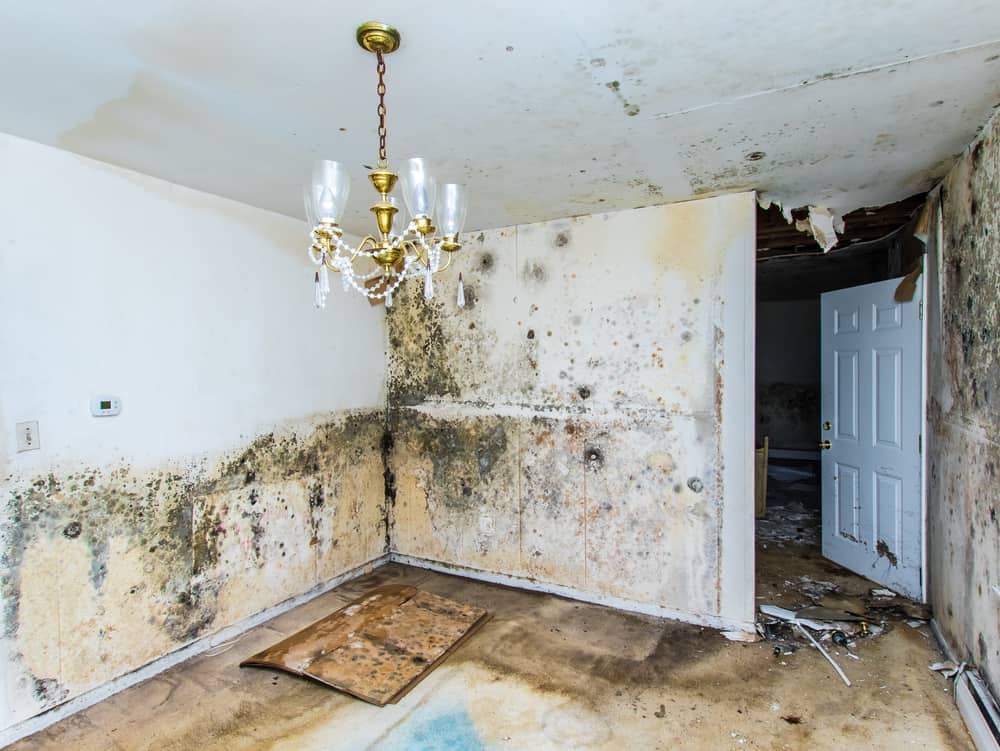
For homes in Bellport’s Historic Districts, remediation work is approached carefully. Removing mold from a 100-year-old cedar-shingle home or a plaster-walled Victorian requires a different level of care than working in modern drywall construction. If structural materials were damaged framing, subfloor, sheathing reconstruction is handled by us as well. You don’t need to coordinate three different contractors to get your home back to a clean, safe condition.
Do I need a mold inspection before buying a home in Bellport, NY?
A standard home inspection will note visible moisture or obvious mold, but it won’t include air sampling, surface testing, or infrared imaging. In most markets, that gap is manageable. In Bellport, it’s a real risk. The village’s older housing stock, coastal location, and persistent humidity from the Great South Bay create conditions where mold can be present and active in areas a general inspector simply won’t catch behind plaster walls, under original flooring, in crawl spaces that haven’t been properly ventilated in decades.
A dedicated mold inspection before closing gives you lab-verified data on what you’re actually buying. If mold is found, you have documented evidence to negotiate with or to walk away from a deal that isn’t what it appeared to be. If the home comes back clean, you have a baseline report for your records and peace of mind going into ownership. Given what homes in this village trade for, the cost of a professional mold inspection before closing is one of the easier decisions you’ll make in that transaction.
Useful Links
Other Services we provide in Bellport