
Mold Inspection in Central Islip, NY
Central Islip's Older Homes Hide Mold Better Than You Think
Hear from Our Customers
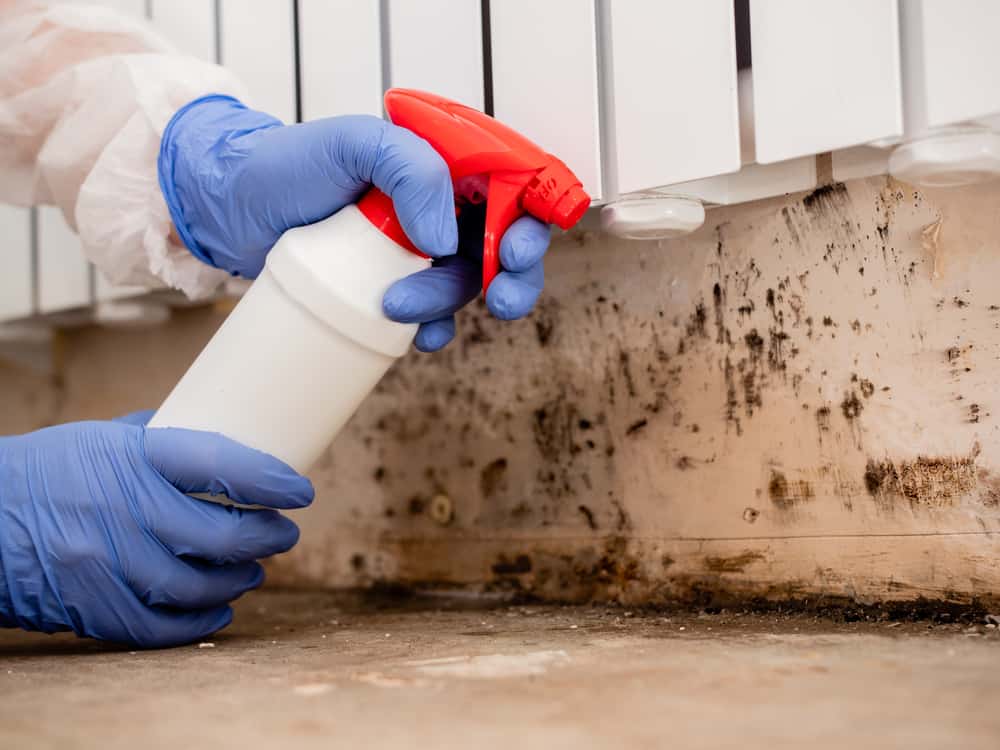
Residential Mold Detection Services, Central Islip
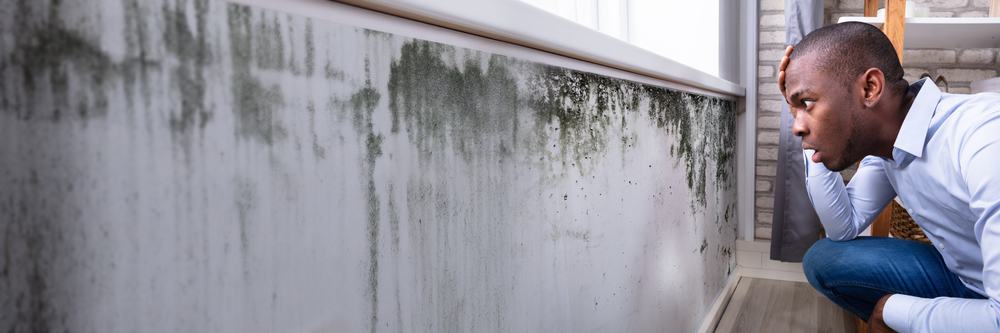
Most mold problems in Central Islip don’t start with something visible. They start behind a finished basement wall that’s been holding moisture since the last heavy rain backed up through aging storm drains, or inside a wall cavity where a slow pipe leak went unnoticed for months. By the time you can see it, it’s usually been there a while.
A professional mold inspection gives you documented, lab-verified answers not a guess, not a visual estimate. Air samples and surface swabs go to an accredited laboratory, and the written report tells you exactly what’s present, where the moisture source is, and what needs to happen next. That report also holds weight with insurance companies, landlords, and real estate transactions, which matters in Central Islip where the rental market is active and home values have climbed significantly.
For families living in Central Islip’s postwar housing stock homes built in the 1950s, 60s, and 70s before modern vapor barriers and ventilation standards existed this kind of thorough inspection isn’t overcautious. It’s practical. These homes were built to last, but they weren’t built to handle decades of Long Island humidity without some help.
Mold Inspection Company Serving Central Islip, NY
We’re based in West Babylon a few minutes from Central Islip via the Southern State Parkway and have been operating across Suffolk and Nassau Counties for over three decades. This isn’t a franchise that recently opened a Long Island branch. We’re a locally built company with real history in the communities we serve, including the Town of Islip and every neighborhood within it.
Every technician on our team is IICRC-certified not just the owner, not just senior staff. We hold both the NY State Mold Assessor License and the NY State Mold Remediator License, which have been legally required since 2016 and aren’t held by every company advertising mold services in this area. That matters when you need documentation that actually stands up.
If the inspection reveals a problem, we can take the project all the way through remediation, structural repair, reconstruction without you having to find and coordinate separate contractors. One company, one point of contact, from the first call to the final walkthrough.
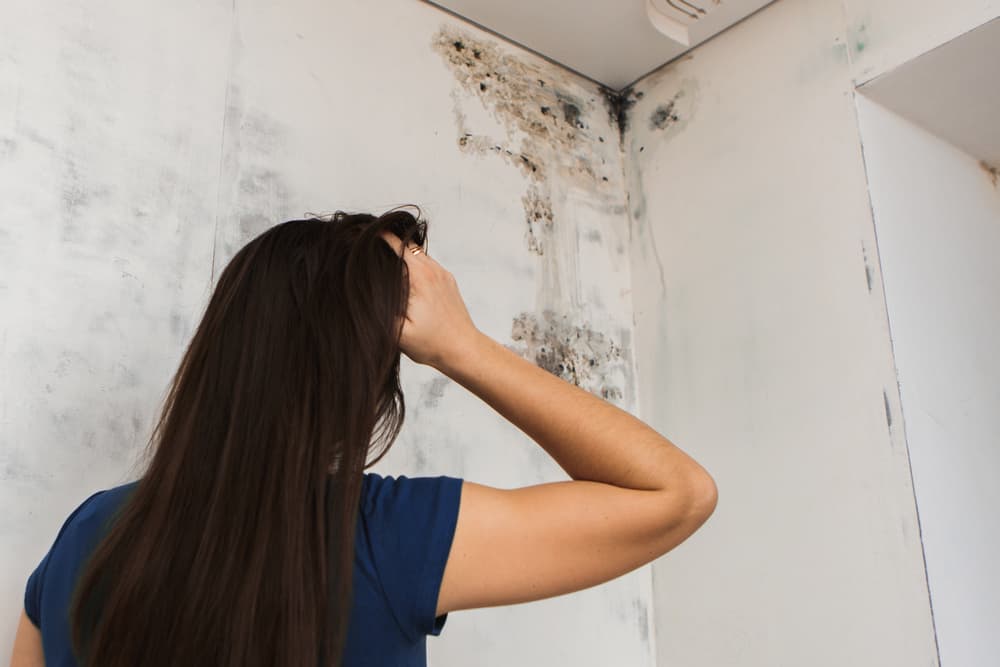
Professional Mold Assessment Process, Central Islip NY
The inspection starts with a full walkthrough of your property basement, attic, bathrooms, HVAC areas, and any spaces where water has been an issue. In Central Islip homes, that usually means a close look at finished basement walls, crawl spaces, and older plumbing connections where slow leaks tend to develop quietly over time.
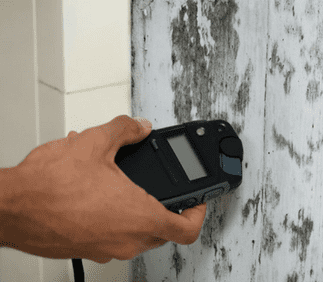
From there, air samples are collected using calibrated spore trap cassettes that capture what’s actually circulating in your indoor air. Surface swabs are taken from any areas of visible growth or discoloration. Moisture readings are recorded throughout the property using calibrated meters, and infrared thermal imaging is used to identify temperature differentials behind walls and ceilings the kind of hidden moisture that a visual inspection alone would completely miss. Everything collected goes to an accredited laboratory for analysis.
When the results come back, you receive a written report with the lab findings, photographic documentation, identified moisture sources, and a clear picture of what’s present and where. If mold remediation is needed, that report also becomes the foundation for the remediation plan. And if your situation involves an insurance claim which is common after the basement flooding events that hit older Central Islip homes after heavy rain we handle the insurance communication from start to finish.
Ready to get started?
Indoor Air Quality Testing for Mold, Central Islip NY
The mold inspection covers five documented areas: air testing, surface swab sampling, water intrusion source identification, moisture level measurement, and full photographic documentation. Infrared thermal imaging is included to detect mold and moisture activity behind finished surfaces a capability that matters specifically in Central Islip, where a large portion of homes have finished basements and insulated wall assemblies that haven’t been opened since original construction.
Lab analysis is performed by an accredited third-party laboratory. The written report you receive is objective, documented, and carries the weight of verified scientific findings not an opinion, not a sales pitch for services you may not need. New York State law requires mold assessors and remediators to hold separate licenses, and we hold both. That means if remediation is necessary, the same licensed, insured company can handle it without you starting the process over with someone new.
For Central Islip renters dealing with a landlord who won’t act, or for buyers and sellers navigating the active local real estate market, this report is the deliverable that creates accountability. It documents the condition of the property in a way that is legally defensible and professionally credible something a DIY test kit or a verbal walkthrough simply cannot provide.
How do I know if my Central Islip basement actually has a mold problem?
The most common signs in Central Islip homes are a persistent musty smell in the lower level, visible dark spots on concrete block walls or around the base of drywall, and unexplained respiratory symptoms congestion, coughing, or irritated eyes that seem to improve when family members spend time outside the home. These are all indicators worth taking seriously, but none of them confirm mold on their own.
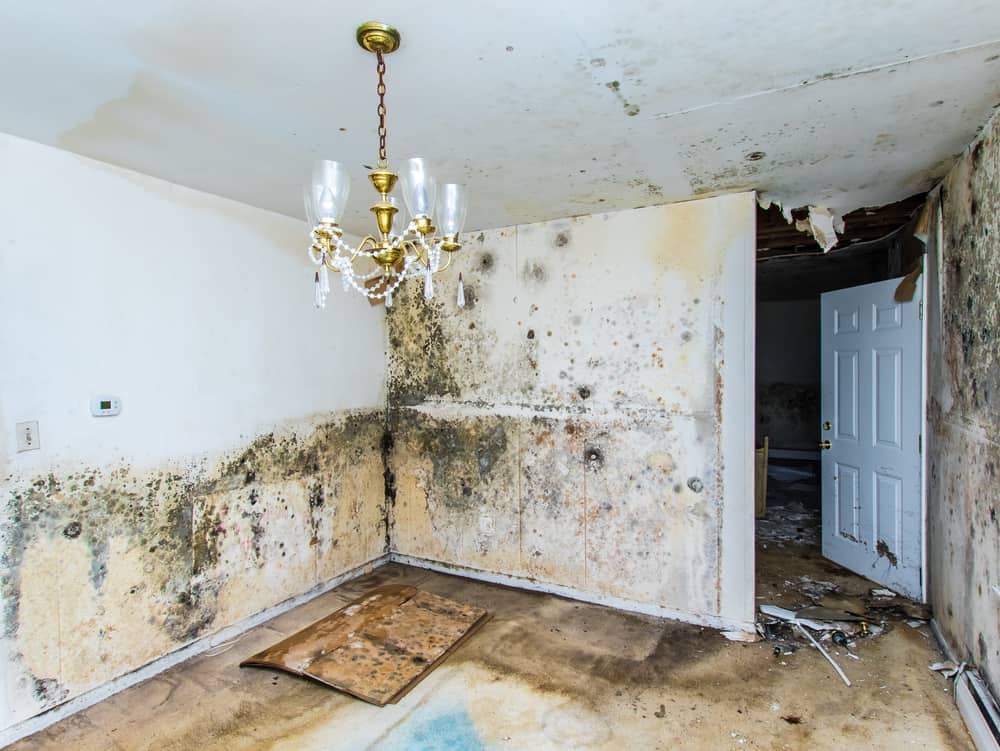
The only way to know for certain is through air testing and surface sampling sent to an accredited laboratory. Visual inspections alone miss what’s growing inside wall cavities, behind insulation, and beneath flooring which is exactly where mold tends to colonize in the postwar-era finished basements common throughout Central Islip. If you’ve had any water intrusion in the past year, even a small amount that seemed to dry out on its own, that’s enough reason to get a professional assessment before assuming everything is fine.
How much does a mold inspection in Central Islip, NY typically cost?
A professional mold inspection in Central Islip, NY generally runs between $300 and $700 depending on the size of the property and the scope of testing needed. That range covers the physical inspection, air and surface sampling, laboratory analysis, and the written report with findings. It does not include remediation that’s a separate scope if the inspection confirms active mold growth.
The more useful way to look at the cost is in comparison to what you’re protecting. Mold remediation, depending on the extent of contamination, can run anywhere from $1,150 to over $20,000. Mold discovered during a home sale in Central Islip’s current market where median home values sit around $472,000 can reduce a sale price by 20% or more, or kill a deal entirely. The inspection is the least expensive part of this equation by a significant margin. Catching a problem early is almost always cheaper than addressing one that’s been growing unchecked for another six months.
Does mold really spread that quickly in Long Island homes during summer?
Yes and Long Island’s summer humidity is a real factor. Ambient outdoor humidity on Long Island regularly exceeds 70 to 80 percent during June, July, and August. Inside a Central Islip home where a basement has limited ventilation, or where an HVAC system is cycling on and off and creating condensation in ductwork, you can have sustained moisture conditions that support active mold growth even without any visible water intrusion.
Mold can begin colonizing a damp surface within 24 to 48 hours of a moisture event. In the summer months, when humidity is consistently high and homes are closed up with air conditioning running, that process can accelerate. Late summer is typically when homeowners in Central Islip notice musty odors that weren’t there in the spring which is usually because mold that started growing in June has had two or three months to establish itself. If you’re noticing something now, the time to get it checked is before fall, not after.
What's the difference between a mold inspection and mold testing are they the same thing?
They’re related but not the same. A mold inspection is the physical process a trained, licensed assessor walks through your property, identifies areas of concern, checks moisture levels, looks for water intrusion sources, and documents conditions with photographs and measurements. Mold testing refers specifically to the collection of air or surface samples and the laboratory analysis of those samples to identify what mold species are present and at what concentration.
A thorough mold inspection in Central Islip, NY should include both. An inspection without testing gives you a visual assessment, but it can’t tell you what’s in your air or confirm whether what’s growing inside a wall is a surface-level issue or a deep contamination. Testing without a proper inspection misses the moisture source that’s feeding the problem in the first place. Under New York State law, the written report produced by a licensed mold assessor must document findings in a way that supports any subsequent remediation plan which is another reason why doing both together, through a single licensed company, is the most complete and legally sound approach.
Can a mold inspection help me if I'm renting a home in Central Islip with a mold problem?
It can, and in some cases it’s the most effective tool available to you. New York State’s warranty of habitability requires landlords to maintain rental properties free of conditions that are hazardous to tenant health, and mold is explicitly covered under that standard. If you’ve reported a mold issue to your landlord and nothing has been done, a professional mold inspection with a written, lab-verified report gives you documented evidence of the condition something that carries real weight if you need to escalate to housing court or the Town of Islip’s code enforcement.
The report identifies what mold is present, where it’s located, what the moisture source is, and what remediation is required. That’s not something a landlord can easily dispute or dismiss. For Central Islip renters particularly in older multi-family homes where mold in one unit can spread through shared wall cavities to neighboring units having that documentation early is far more useful than waiting and hoping the problem gets addressed on its own.
Should I get a mold inspection before buying or selling a home in Central Islip?
For buyers, yes especially in Central Islip’s older housing stock. A standard home inspection covers a lot of ground, but it’s not a mold assessment. Inspectors note visible moisture staining or obvious damage, but they’re not collecting air samples or using thermal imaging to find what’s behind finished surfaces. In a community where a significant portion of homes were built in the 1950s and 60s, buying without a dedicated mold inspection means accepting real uncertainty about what’s inside those walls.
For sellers, a pre-listing mold inspection can actually work in your favor. If the home is clean, you have documentation to support that which can reduce buyer hesitation and protect your asking price in a market where Central Islip home values have climbed considerably. If there is a problem, you’re better off knowing before a buyer’s inspector finds it mid-transaction, when your negotiating position is weakest. Either way, the inspection gives you information and information is what protects you in a real estate deal.
Useful Links
Other Services we provide in Central Islip