
Mold Inspection in Deer Park, NY
Deer Park's Aging Homes Hide Mold in Places You'd Never Think to Look

Hear from Our Customers
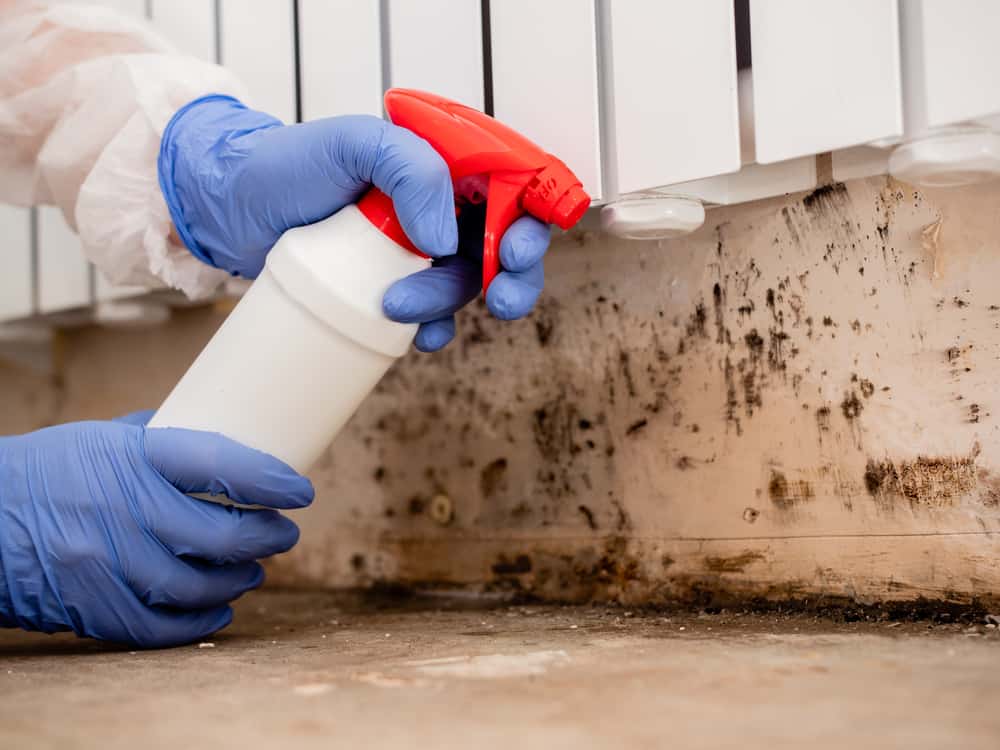
Residential Mold Detection Services in Deer Park
Most homeowners in Deer Park don’t call about mold until something forces their hand a musty smell they can’t shake, a family member with recurring sinus issues, or a basement that flooded last spring and never quite dried right. By that point, the mold has usually been there a while. A proper inspection tells you exactly what’s present, where it’s coming from, and what needs to happen next. Not a guess. Not a visual scan. A documented, lab-verified answer.
Deer Park’s housing stock makes this especially important. Over two-thirds of homes here were built between the 1940s and 1960s Cape Cods, split-levels, and ranches with original plumbing, aging insulation, and basement construction that was never designed with vapor control in mind. These homes have had decades to accumulate moisture history in places that rarely get inspected. The Edgewood Oak Brush Plains Preserve borders the northeastern edge of the hamlet, and homes near that tree line deal with organic debris buildup in gutters and around foundations that accelerates moisture problems at the roofline and perimeter a local condition that most generic inspection companies wouldn’t even think to check.
After a mold inspection in Deer Park, NY with us, you walk away with a written report backed by accredited lab results, a clear picture of where moisture is entering your home, and a specific plan not a vague recommendation. If remediation is needed, you already have the company that can handle it. If it’s not, you have documentation that proves it.
Licensed Mold Inspection Company in Deer Park, NY
We’ve been operating out of West Babylon for over 31 years which puts us in the same Town of Babylon jurisdiction as Deer Park, just a few minutes from Deer Park Avenue and the neighborhoods off Commack Road that we’ve been serving since before most of our competitors were in business. This isn’t a national franchise routing calls to whoever’s available. It’s a locally owned company that has responded to every type of mold, water damage, and restoration scenario this area produces through every nor’easter, every hard winter, and every summer humidity stretch Long Island throws at homeowners.
Every technician on our team carries IICRC certification not just the owner, everyone. We hold both a New York State Mold Assessor license and a Mold Remediator license, which have been required by state law since 2016 and are publicly verifiable through the NY Department of Labor. When you call our Suffolk County line, you’re reaching a team that already knows what Deer Park homes look like from the inside and what mold looks like when it’s been hiding in one for twenty years.
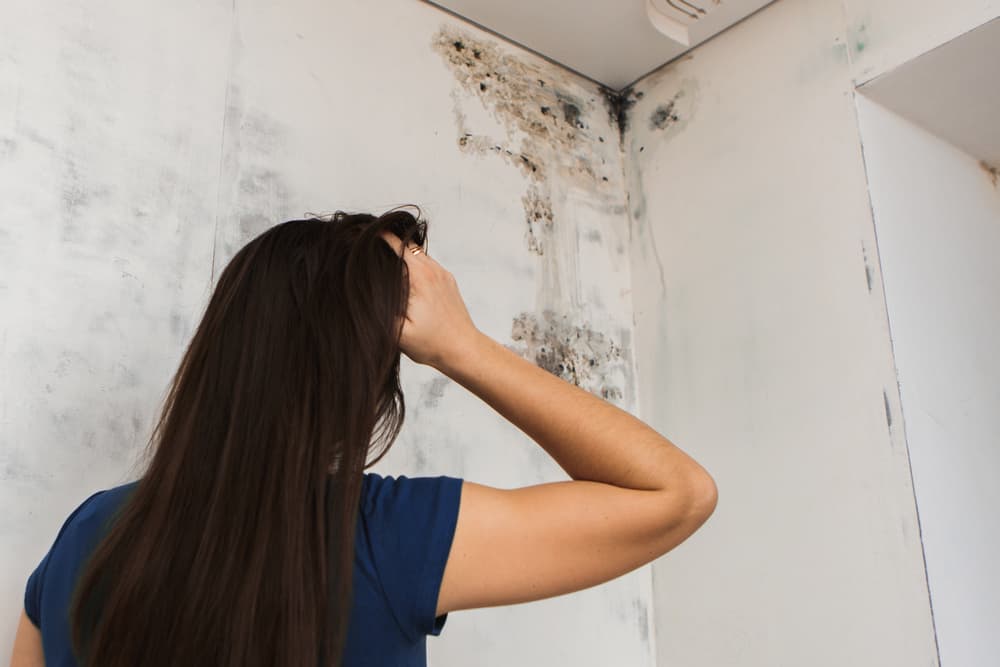
Mold Assessment Services in Deer Park, NY
The inspection starts with a water intrusion assessment because mold doesn’t appear without a moisture source, and finding that source is the only way to prevent it from coming back. In Deer Park’s older Cape Cods and split-levels, that source is often something the homeowner hasn’t connected to the problem: a slow pipe sweat behind a wall, a failed vapor barrier under a crawl space, or organic debris packed into a gutter that’s been directing water toward the foundation for years.
From there, we take air samples and surface swab samples, which go to a certified, accredited laboratory for analysis. We’re not evaluating anything on-site by eye the lab results are objective, documented, and defensible for insurance or real estate purposes. We also use infrared thermal imaging to detect moisture activity behind walls, under floors, and above ceilings that wouldn’t show up in a standard visual inspection. This matters a lot in Deer Park homes with knee-wall attic spaces and multi-level floor plans, where moisture can travel and settle in ways that aren’t obvious from the surface.
You receive a full written report: mold species identified, spore counts measured, moisture sources mapped, and specific next steps outlined in plain language. If remediation is required, we handle that too and if structural materials need to be replaced, we can rebuild. New York State law requires all mold assessors and remediators to hold separate licenses, so by law, the company that inspects cannot be the same entity that remediates without proper licensing. We hold both licenses, which means you’re covered end to end by one licensed, insured team no handoffs, no gaps in accountability.
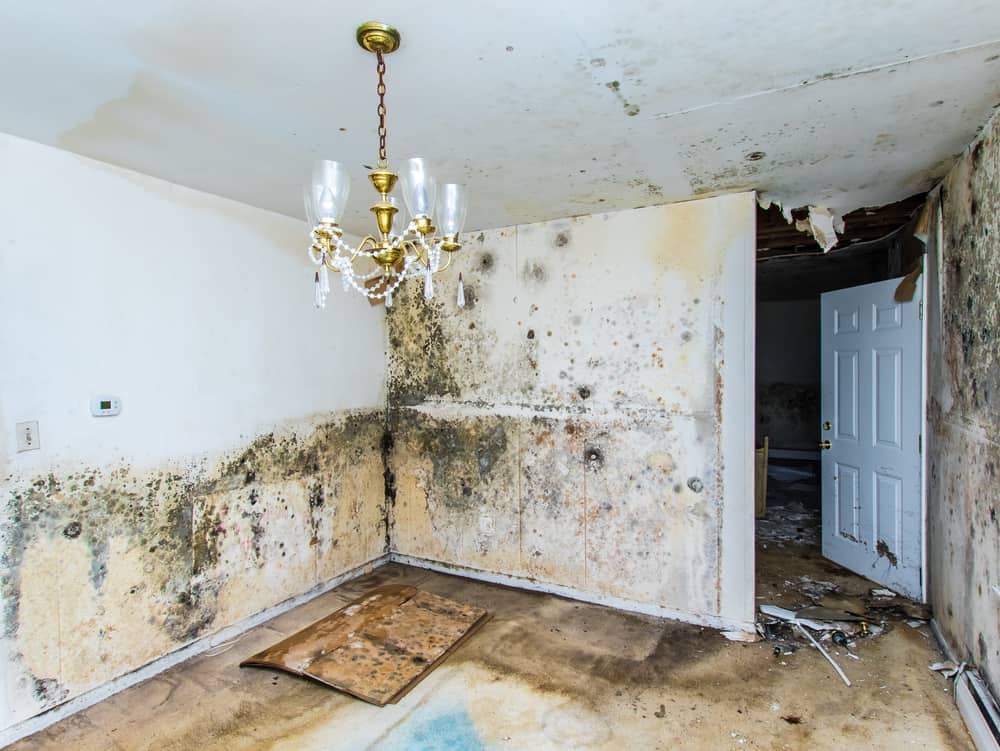
Ready to get started?
Indoor Air Quality Testing for Mold in Deer Park, NY
A mold inspection in Deer Park, NY through our team is a five-point documented process: airborne spore sampling, surface swab collection, water intrusion inspection, moisture level measurement with calibrated equipment, and photographic documentation of all mold sources. That’s the foundation. On top of that, every inspection includes an internal-versus-external air comparison to establish a meaningful baseline, infrared thermal imaging for hidden moisture detection, a full damage assessment, and a detailed written report with lab results and recommended next steps.
For Deer Park homeowners, that infrared scan is often where the real findings come from. The dominant home types here split-levels and Cape Cods have structural features that create hidden moisture pathways: crawl spaces under lower levels, knee-wall cavities in upper floors, original bathroom tile work installed fifty or sixty years ago. These are the spaces where mold grows for years without anyone knowing. Thermal imaging finds what a visual walkthrough misses.
We also offer commercial mold inspection in Deer Park, NY for business owners and property managers along the Deer Park Avenue corridor and in the Tanger Outlets area. Commercial properties carry their own mold risks flat roofing, high-occupancy humidity, and HVAC systems that can circulate contaminated air throughout an entire building. Whether it’s a residence off Geiger Park or a commercial space near the Commack Road corridor, our inspection process is thorough, documented, and built around what that specific property actually needs.
What does a mold inspection in Deer Park, NY actually include?
A mold inspection in Deer Park, NY with us includes air sampling, surface swab sampling, a water intrusion assessment, moisture level measurements, and full photographic documentation. All samples go to a certified, accredited laboratory nothing is evaluated on-site by judgment call. You receive a written report that identifies mold species, measures spore counts, maps moisture sources, and outlines specific next steps in plain language.
Beyond the five core steps, every inspection also includes infrared thermal imaging to detect moisture behind walls, under floors, and above ceilings. In Deer Park’s older Cape Cods and split-levels, this is often where the real findings are inside knee-wall cavities, under crawl space floors, or behind original bathroom tile that was installed fifty or sixty years ago. The inspection also includes an internal-versus-external air comparison so you have a meaningful baseline, not just raw numbers. If the results show mold that requires remediation, we can handle that too you don’t need to start over with a different company.
How much does a mold inspection cost in Deer Park, NY?
Mold inspection costs nationally range from around $300 to just over $1,000, with the average landing near $670 depending on the size of the property, the number of samples taken, and whether specialized equipment like infrared thermal imaging is used. For a Deer Park home where the typical property is a post-war Cape Cod or split-level with a basement, crawl space, and multiple areas of concern expect the cost to reflect the scope of what’s actually being inspected, not a flat-rate number that doesn’t account for your specific home.
The more useful framing is this: the median home value in Deer Park is around $640,000. Research shows mold can reduce a home’s value by 20 to 37 percent that’s potentially $128,000 to $237,000 at risk if a mold problem goes undiscovered or undisclosed. A professional mold inspection is one of the least expensive ways to protect that investment. If the inspection is connected to a prior water damage event, we also handle insurance documentation from start to finish, which can offset costs significantly depending on your policy.
Does a company need to be licensed to do mold inspections in New York State?
Yes and this is one of the most important things to verify before hiring anyone. New York State has required all mold assessors and mold remediators to hold licenses issued by the NY Department of Labor since January 1, 2016. This applies to every mold inspection and remediation job performed in Deer Park and throughout Suffolk County. Operating without those licenses is a violation of state law, and any findings or documentation produced by an unlicensed company may not hold up for insurance claims or real estate transactions.
You can verify a company’s license status yourself through the NY DOL’s public contractor search tool it takes about two minutes and it’s free. We hold both a Mold Assessor license and a Mold Remediator license. When you call, ask for the license numbers and check them. Any legitimate company will give them to you without hesitation. If a company doing business in Deer Park can’t provide a verifiable NY State license number, that’s your answer before the conversation goes any further.
My Deer Park home is a split-level built in the 1960s am I at higher risk for mold?
Yes and it’s not just the age of the home. Split-levels built in the 1960s have a specific combination of features that make them more vulnerable to hidden mold: crawl spaces under the lower level that are rarely accessed, multiple floor transitions that create complex moisture pathways, original plumbing that has been slowly sweating and micro-leaking for decades, and insulation that was never designed to manage vapor. Add in original bathroom tile work with sixty-year-old grout, and you have multiple locations where mold can establish itself without any visible sign on the surface.
Deer Park has a disproportionately high concentration of exactly this type of home over two-thirds of the housing stock was built between the 1940s and 1960s, and split-levels are among the most common floor plans in the hamlet. That’s the reality of what these homes are carrying after six or seven decades. A professional mold inspection with infrared thermal imaging is the only way to know for certain what’s happening inside the walls and under the floors not just what’s visible from the hallway.
Can mold in my attic or crawl space affect my family's health?
Yes, and it doesn’t require direct contact. Mold releases spores into the air, and those spores move through your home’s ventilation system, through gaps in flooring, and through wall cavities especially in older homes with less airtight construction. Attic mold in a Cape Cod with a knee-wall space, or crawl space mold in a split-level, can affect indoor air quality throughout the entire living area even if the mold itself is completely out of sight. The EPA attributes approximately 4.6 million asthma cases in the U.S. to dampness and mold exposure in the home.
Symptoms that get attributed to seasonal allergies persistent coughing, sinus congestion, headaches, fatigue are sometimes connected to indoor mold exposure, particularly in older Deer Park homes where the problem has been building quietly for years. If your family is experiencing recurring respiratory issues and you live in a Deer Park home built before 1980, a professional mold inspection that includes indoor air quality testing for mold is worth doing. The air sampling component of the inspection measures actual spore counts in your living environment and compares them to outdoor baseline levels, giving you a clear, lab-verified picture of what your family is breathing.
If I find mold during a home sale or purchase in Deer Park, what happens next?
Mold discovered during a real estate transaction in Deer Park typically needs to be addressed before closing and how it’s handled depends on what the inspection finds. If the mold is minor and surface-level, remediation may be straightforward. If it’s embedded in structural materials drywall, insulation, framing remediation will involve removing and replacing those materials, which requires a licensed mold remediator under New York State law. The inspection report itself becomes part of the transaction record, so it needs to be thorough, lab-verified, and produced by a properly licensed assessor to carry any weight with attorneys, lenders, or the other party’s agent.
Deer Park’s active real estate market with median home values around $640,000 means there’s real financial pressure on both sides of a mold discovery. Sellers need documentation that the problem was properly assessed and resolved. Buyers need confidence that what they’re purchasing is clean. We handle both sides of that equation: the initial mold inspection in Deer Park, NY, the remediation if it’s needed, and the post-remediation clearance testing that confirms the problem is actually gone. One company, one licensed team, from the first inspection through the final clearance report.
Useful Links
Other Services we provide in Deer Park