
Mold Inspection in East Garden City, NY
East Garden City Properties Need More Than a Guesswork Inspection

Hear from Our Customers

Home Mold Testing East Garden City
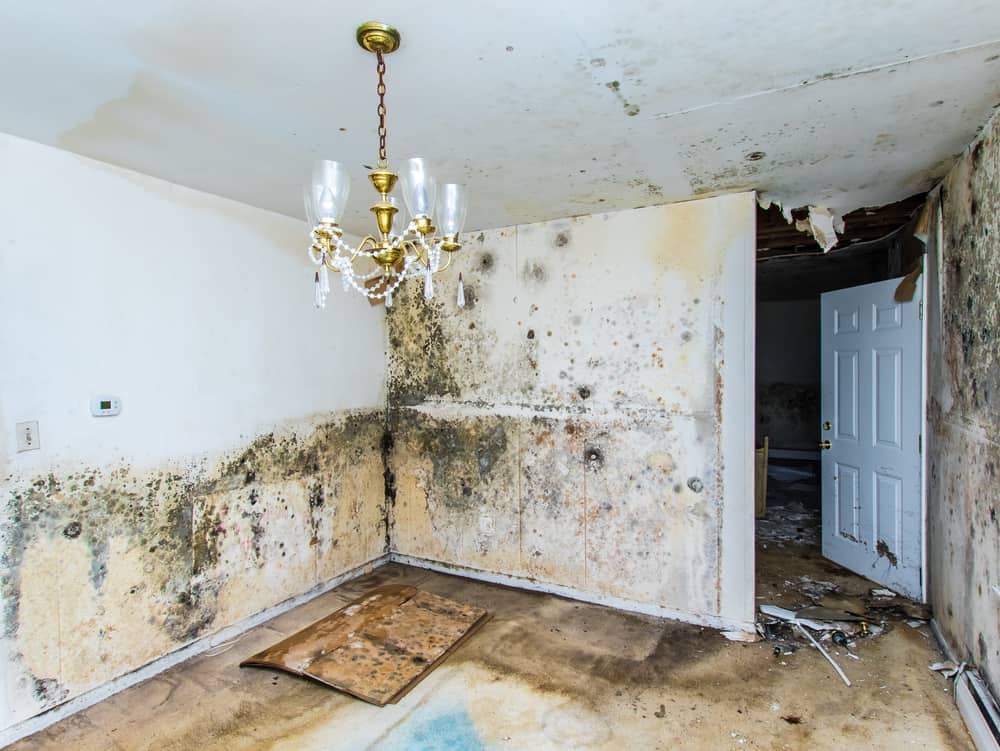
East Garden City sits on flat, low-lying terrain where stormwater doesn’t drain fast it lingers. After a heavy nor’easter or a summer downpour, water finds its way into basements, crawl spaces, and wall cavities before most people even notice the damage. By the time there’s a visible stain or a smell you can’t shake, mold has often been growing for weeks. A professional mold inspection catches what you can’t see before it becomes something you can’t ignore.
This area also carries a unique mix of property types from older residential units tucked near the Carle Place and Westbury borders to decades-old commercial buildings in the Mitchel Field office corridor. Aging infrastructure means aging plumbing, aging HVAC systems, and building envelopes that have had years to develop slow leaks and hidden moisture problems. Whether you own a home, manage a rental near Nassau Community College, or oversee a commercial suite off Stewart Avenue, the inspection process is the same: find it, document it, and deal with it before it gets worse.
The financial case is straightforward. The average mold remediation runs anywhere from $1,150 to over $3,400 and that’s assuming it’s caught early. An inspection that costs a fraction of that is what separates a manageable problem from a major one.
Licensed Mold Assessment Services Nassau County
We’ve been serving Long Island for 31 years. That’s not a marketing number it’s the actual amount of time we’ve spent learning how East Garden City properties behave, where they fail, and what it takes to fix them right. From the coastal humidity that drives mold season every summer to the post-storm flooding that hits central Nassau County hardest, our team has seen it play out in thousands of properties across the island.
What makes us different isn’t just the tenure. Every technician on our staff holds IICRC certification not just our owner, not just the person who answers the phone. The person who shows up at your door to conduct the mold inspection in East Garden City, NY has the same professional credentials as our leadership. That’s not standard in this industry, and it matters when you’re making decisions based on what that technician finds.
We’re fully licensed by the New York State Department of Labor under Article 32, bonded, and insured and we maintain a dedicated Nassau County line at 516-698-1776, available 24 hours a day, seven days a week.
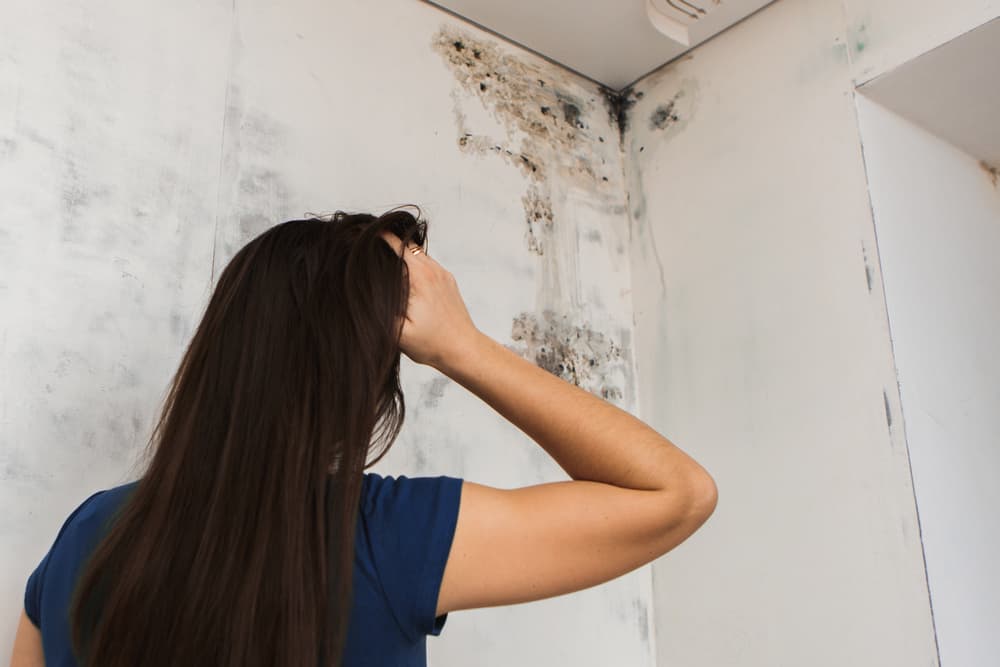
Mold Detection Services East Garden City NY
The inspection starts with a full walkthrough of the property not a quick visual scan, but a methodical assessment using moisture meters and infrared thermal imaging to locate hidden water intrusion behind walls, above ceilings, and beneath flooring. In East Garden City, where flat drainage patterns and older commercial infrastructure create conditions for concealed moisture buildup, this step alone often reveals problems that a standard visual inspection would miss entirely.
From there, we collect air samples and surface swabs and send them to a certified third-party laboratory. This is where the science happens the lab identifies mold species, measures spore concentration levels, and compares indoor air quality against an outdoor baseline. That comparison matters because it tells you whether what’s inside your building is genuinely elevated or within a normal range for the area.
Once results are back, you receive a written report that covers everything: lab findings, species identification, spore counts, the indoor-versus-outdoor air comparison, and specific recommended next steps. New York State requires mold assessors to be licensed under Article 32 of the NY Labor Law, and every report we produce meets that standard which means it holds up with insurance companies, real estate attorneys, and property managers who need documentation they can actually use.
Ready to get started?
Residential and Commercial Mold Inspection East Garden City
Most mold inspection companies are built for single-family homes. East Garden City isn’t a single-family-home kind of market. It’s the Nassau Hub Roosevelt Field Mall, Mitchel Field office parks, Nassau Community College, Hofstra University’s northern campus, and a commercial real estate corridor that accounts for nearly half of Nassau County’s total economic activity. We handle mold inspection across all of it: residential properties, rental units, commercial suites, and large institutional buildings with the same five-point protocol and the same lab-backed written report regardless of property size or type.
For residential clients, that means a thorough inspection of the spaces where mold hides most basements, attics, crawl spaces, and areas around HVAC systems. For commercial property managers in the Mitchel Field corridor or office parks off Old Country Road, it means an assessment capable of handling larger, more complex buildings where mold can spread through shared HVAC ductwork before a single tenant notices anything wrong.
East Garden City properties also fall across four ZIP codes 11530, 11590, 11553, and 11550 and we cover all of them. If your property sits in this area regardless of which mailing address it carries, you’re in our service zone. The Nassau County line at 516-698-1776 is the number to call, and someone picks up around the clock.
How much does a mold inspection cost in East Garden City, NY?
The national average for a professional mold inspection runs around $670, with most jobs falling somewhere between $300 and just over $1,000 depending on the size and complexity of the property. In East Garden City, where the property mix ranges from smaller residential units near the Westbury and Carle Place borders to large commercial buildings in the Mitchel Field corridor, the scope of the inspection is the biggest factor in the final cost. A straightforward residential inspection is going to be priced differently than a full commercial assessment of a multi-suite office building.
What’s worth keeping in mind is the cost comparison. If a mold problem is caught early through inspection, remediation typically runs $1,150 to $3,400. Let it go undetected and that number can climb past $20,000 for extensive cases. The inspection isn’t a luxury it’s the step that determines whether you’re dealing with a manageable problem or a major one.
What's actually included in a professional mold inspection report?
A real mold inspection report isn’t just a technician’s opinion written on a form. What you get from us includes certified laboratory analysis of every sample collected during the inspection air samples and surface swabs both. The report identifies the specific mold species present, measures spore concentration levels, and compares indoor air quality against an outdoor baseline so you can see whether what’s inside the building is genuinely elevated or within a normal range.
Beyond the lab results, the report includes specific recommended remediation steps based on what was actually found not a generic checklist. This matters a lot in East Garden City, where the documentation needs to hold up for insurance claims, real estate transactions, landlord-tenant disputes, and commercial property management purposes. A written, lab-backed report from a New York State licensed mold assessor is the kind of document that insurance companies and real estate attorneys will actually accept.
Does New York State require a license to perform mold inspections?
Yes and it’s not optional. Under Article 32 of the New York State Labor Law, anyone performing mold assessment or remediation for compensation is required to hold a license issued by the NYS Department of Labor. This requirement has been in effect since January 1, 2016, and fines for unlicensed mold work can reach $10,000. Enforcement has been increasing as of 2025.
The problem is that most property owners in East Garden City and across Nassau County don’t know to ask whether their mold inspector is actually licensed before they hire one. It’s worth verifying. We hold the full NYS DOL mold assessor and remediator licenses, carry the required liability insurance, and are bonded. If you’re hiring anyone else for this work, ask to see their license number before they walk through your door. It protects you legally and financially if anything goes sideways.
Can mold grow in commercial buildings near East Garden City's Nassau Hub area?
Absolutely and commercial buildings in the Nassau Hub are actually at higher risk in certain ways than a typical residential home. Large HVAC systems in commercial buildings accumulate condensation in ductwork and drip pans, and when that moisture isn’t managed properly, mold can spread through the entire air circulation system before a single tenant notices anything wrong. Older buildings in the Mitchel Field corridor many of which were developed on former military base land and carry aging infrastructure are particularly vulnerable to slow leaks, compromised building envelopes, and HVAC-related moisture issues.
For commercial property managers, the stakes are also higher. Tenant complaints, regulatory inspections, lease renewals, and insurance requirements all create situations where documented mold assessment isn’t just a good idea it’s a business necessity. We handle commercial mold inspection in East Garden City, NY with the same five-point protocol used for residential properties, scaled appropriately for larger and more complex buildings.
When is the best time of year to schedule a mold inspection in East Garden City?
The honest answer is that there’s no bad time to schedule one if you have a reason to suspect a problem mold doesn’t take a season off. That said, certain times of year in Nassau County create conditions that make inspections especially worthwhile. Summer is peak mold season on Long Island, when humidity regularly pushes indoor air above the 60% threshold where mold begins colonizing surfaces within 24 to 48 hours. If your HVAC system isn’t properly maintained, condensation builds up in ductwork and drip pans all season long.
Spring is when post-winter damage becomes visible ice dams from the previous winter force water under roofing and into attic spaces, and basements that absorbed groundwater during the winter thaw start showing the effects. Fall brings nor’easters and late-season storms that can dump several inches of rain quickly, overwhelming East Garden City’s flat drainage infrastructure and sending water into basements and crawl spaces. If you’ve had any kind of water event in the last six months, an inspection is worth scheduling regardless of the season.
What should I do if I find mold in a rental property in East Garden City?
If you’re a tenant and you’ve found mold in a rental unit in East Garden City, the first step is documentation. Take photos, note when you first noticed it, and put your concern in writing to your landlord text or email creates a record. Landlords in New York State are legally obligated to maintain habitable conditions, and mold that affects air quality or causes health concerns falls under that obligation. A professional mold inspection gives you a certified, lab-backed report that documents exactly what’s present and at what concentration levels the kind of evidence that holds up if the situation escalates.
For landlords and property managers, the same logic applies in reverse. If a tenant raises a mold complaint, having an independent inspection done promptly rather than waiting protects you. It either confirms the problem and gives you a clear remediation roadmap, or it documents that conditions were within acceptable range at the time of inspection. Either way, you have a paper trail. We serve rental properties across East Garden City’s four ZIP codes and can typically schedule inspections quickly when the situation calls for it.
Useful Links
Other Services we provide in East Garden City