
Mold Inspection in East Hampton North, NY
Coastal Homes Hide Mold. Here's How to Know for Sure.
Hear from Our Customers
Mold Assessment Services East Hampton North, NY
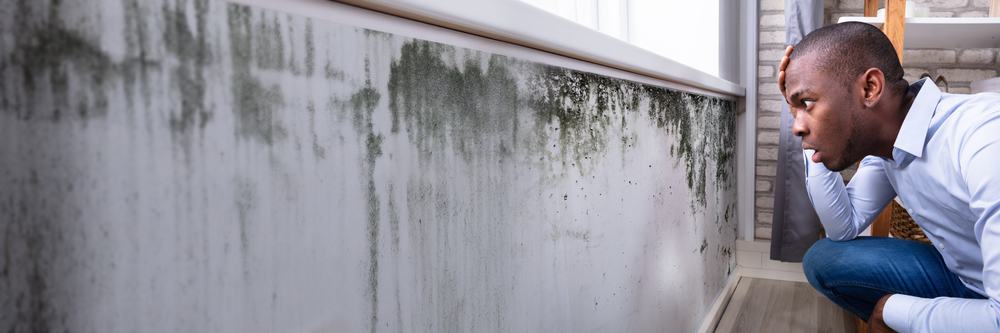
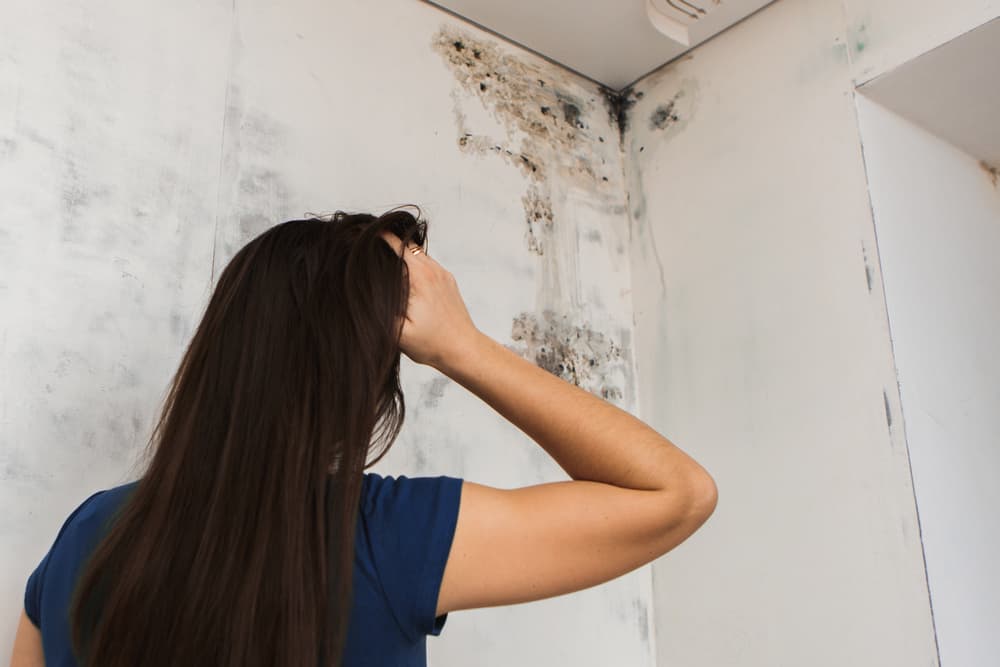
Most homeowners in East Hampton North don’t find mold because they’re careless. They find it because their property sat closed through a Long Island winter, a pipe quietly failed, or salt air worked its way through aging flashing around a window that looked perfectly fine from the outside. By the time there’s a smell or a visible spot, the growth behind the wall has usually been there for weeks.
A thorough mold inspection tells you exactly what’s present, where it’s coming from, and how serious it is before it spreads further or shows up as a problem during a real estate transaction. For a home in East Hampton North, where median values sit close to $925,000, that information isn’t optional. A mold discovery at closing can stall or kill a deal entirely. Finding it first, on your terms, keeps you in control.
What you walk away with after a proper inspection is a lab-verified written report specific mold species, spore counts, moisture source findings, and clear remediation recommendations. Not a verbal summary. Not a vague “you might have an issue.” Real data that you can use with your insurance carrier, your real estate attorney, or simply to make a confident decision about your own home.
Professional Mold Inspector East Hampton North, NY
We’ve been operating across Suffolk County for over three decades. That’s 31 years of working in the specific conditions that affect homes on Long Island’s East End the coastal humidity, the freeze-thaw winters, the properties that sit dark and unheated from October through April, and the older housing stock throughout East Hampton North that was built long before modern vapor barriers were standard.
We hold New York State licenses for both mold assessment and mold remediation a dual credential that’s been legally required since 2016 and that not every company serving the Hamptons area can actually verify. Every technician on our team carries IICRC certification, which is the industry’s recognized standard for restoration professionals. We’re owner-operated with a real track record in this region, from Springs to Northwest Harbor and everywhere in between.
If mold is found and remediation is needed, we handle that too including full reconstruction if structural materials have been compromised. One call, one team, start to finish.
Residential Mold Inspection Process East Hampton North, NY
It starts with a call. You describe what you’re seeing, smelling, or concerned about and we schedule an inspection that works around your timeline, whether you’re a year-round resident or coming out from the city to check on a property that’s been sitting since fall.
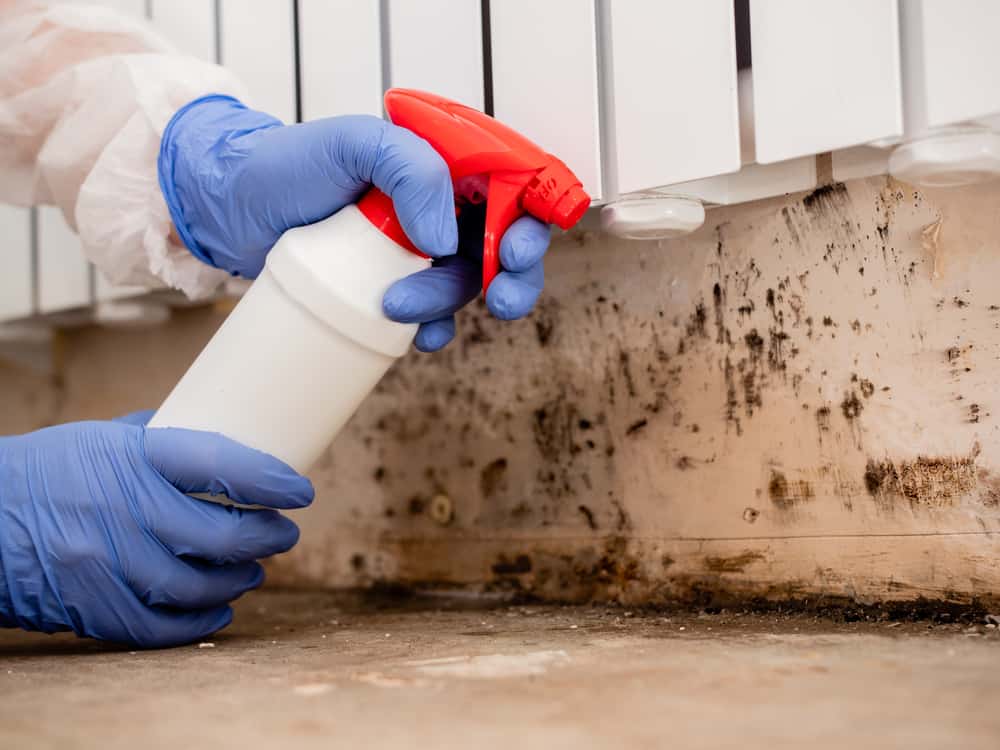
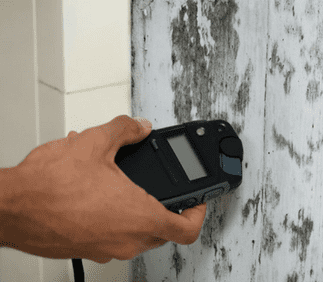
On inspection day, our process covers five specific areas: air quality testing, surface swab sampling, water intrusion assessment, moisture level measurement throughout the structure, and full photographic documentation of every finding. In East Hampton North’s coastal environment where moisture can migrate through foundation walls, deteriorated window seals, and storm-compromised roofing we use infrared thermal imaging to detect heat and moisture signatures behind walls and under floors without opening anything up. This matters in older homes, and there are plenty of them in this area, where construction methods from decades past didn’t account for the kind of sustained humidity this peninsula sees.
All samples go to a certified, accredited laboratory. When results come back, you receive a written report in plain language what was found, where, at what levels, and what the recommended next steps are. If your situation involves an insurance claim, we handle documentation and communication with your carrier directly. You don’t have to figure out what to send or how to frame it.
Ready to get started?
Indoor Air Quality Testing for Mold East Hampton North, NY
Mold inspection in East Hampton North isn’t a one-size-fits-all job. Homes here face a combination of conditions that most of Long Island doesn’t deal with at the same intensity Atlantic Ocean exposure from the south, Gardiners Bay moisture from the north, proximity to freshwater ponds and wetland areas throughout the town, and a housing stock that ranges from historic pre-war construction to mid-century cottages to modern estates. Each of those property types has different vulnerabilities, and our inspection approach reflects that.
Our service covers the full picture: attic mold inspection for homes where poor ventilation has allowed condensation to accumulate over winter, basement mold inspection and crawl space assessment for properties where ground moisture is a recurring issue, and targeted testing in areas that took on water during nor’easters or storm surge events. For seasonal properties and there are many in East Hampton North we also look specifically at the conditions that develop when a home sits unoccupied and minimally heated for months at a time.
Black mold testing is included when air or surface sampling indicates the presence of Stachybotrys or other toxigenic species. Every sample is analyzed by an accredited lab, and the findings are presented in a written report that meets the documentation standards required by New York State and accepted by insurance carriers operating in Suffolk County. If remediation and reconstruction follow, we handle it no handoff, no coordination gap, no starting over with a new contractor.
Does mold commonly develop in East Hampton North homes left vacant over winter?
Yes and it’s one of the most common scenarios we see on the East End. When a property is closed up for the winter with minimal heat, the interior temperature drops enough to allow condensation to form on cold surfaces like exterior walls, window frames, and basement ceilings. If there’s any existing moisture intrusion a slow roof leak, a compromised window seal, or ground moisture wicking through a foundation that condensation compounds the problem significantly.
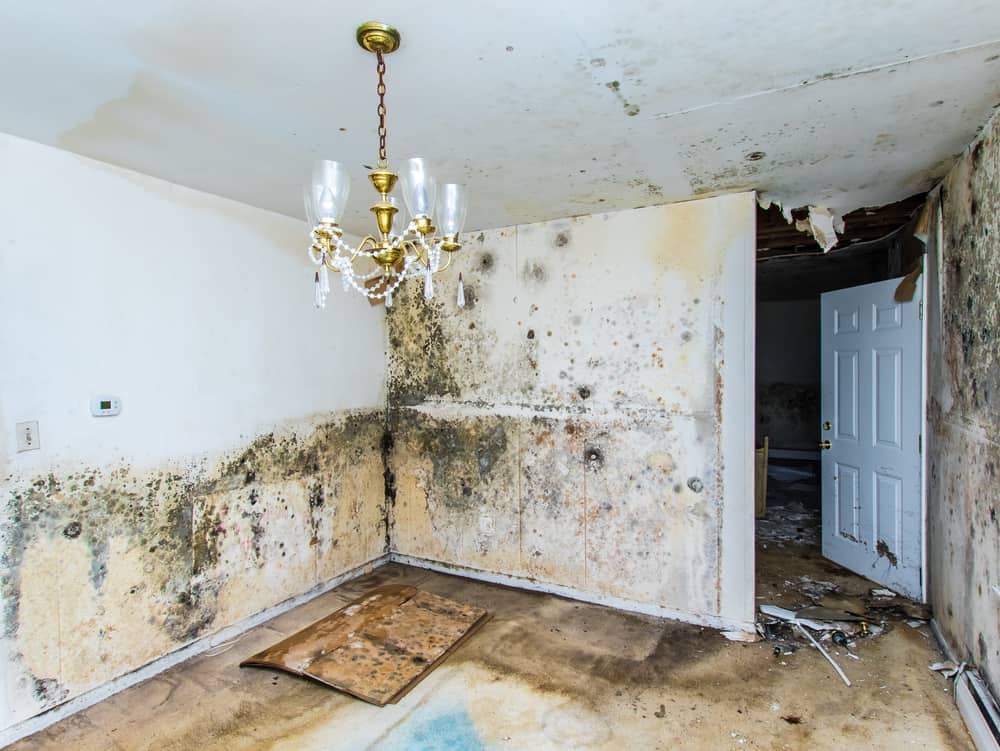
Homes in East Hampton North that sit unoccupied from October through April are particularly vulnerable because small issues go unnoticed for months. By the time the owners return in spring, what started as a minor moisture problem may have developed into a full mold colony behind drywall or inside a crawl space. A post-winter mold inspection is one of the most straightforward ways to catch these situations early, before they become expensive remediation projects or worse a health issue for the family moving back in for the summer.
How much does a professional mold inspection cost in East Hampton North, NY?
For a residential property in East Hampton North, a comprehensive mold inspection typically runs between $300 and $700, depending on the size of the home, the number of samples collected, and whether specialized testing like infrared thermal imaging is needed. Larger properties or those with multiple areas of concern may fall toward the higher end of that range.
The more useful number to keep in mind is what it costs when mold goes undetected. Remediation for a moderate mold problem runs $1,500 to $5,000 on average. Significant infestations the kind that require opening walls and replacing structural materials can reach $20,000 or more. In a market where homes are valued close to $925,000, a mold discovery that wasn’t caught before a sale can reduce the negotiated price by tens of thousands of dollars or derail the transaction entirely. The inspection cost is a small number relative to any of those outcomes.
What's the difference between a mold inspection and a mold test?
These terms get used interchangeably, but they’re not the same thing. A mold test typically refers to a single air sample or surface swab sometimes a DIY kit from a hardware store that tells you whether mold spores are present. It doesn’t tell you where the mold is growing, what’s causing it, or how extensive the problem is. A mold inspection is a full assessment of the property: visual examination, moisture mapping, water intrusion analysis, multiple air and surface samples, infrared imaging where needed, and a written report with lab-verified findings.
For homeowners in East Hampton North dealing with coastal humidity, aging construction, or a property that’s been sitting vacant, a single test result without context isn’t particularly useful. You need to know the source of the moisture driving the growth, which areas of the structure are affected, and what remediation if any is actually required. That’s what a proper inspection delivers, and it’s the only format that holds up for insurance documentation or real estate due diligence.
Is mold inspection required before buying or selling a home in East Hampton North?
New York State does not legally require a mold inspection as part of a real estate transaction. That said, in East Hampton North’s market where properties sell at or near $925,000 and where coastal conditions, seasonal vacancy, and older construction all create genuine mold risk skipping it is a significant gamble for both buyers and sellers.
For buyers, a pre-purchase mold inspection is part of standard due diligence at this price level. If mold is discovered after closing, the remediation cost comes entirely out of your pocket unless you can demonstrate the seller had prior knowledge. For sellers, a pre-listing inspection removes uncertainty from the process. If mold is present, you can address it before it becomes a negotiating issue or a reason for a buyer to walk. Either way, having a licensed mold assessor’s written report in hand not just a general home inspector’s observation puts you in a much stronger position.
Can mold grow in attics and crawl spaces in East Hampton North homes?
Attics and crawl spaces are two of the most common places mold establishes itself in East Hampton North properties, and they’re also the two areas most likely to go unnoticed until the problem is significant. In attics, the issue is usually inadequate ventilation combined with winter condensation warm air from the living space rises, meets the cold roof deck, and deposits moisture that accumulates over months. In older homes throughout East Hampton North, attic insulation and ventilation systems were often not designed to handle the sustained humidity this coastal environment produces.
Crawl spaces face a different but equally serious problem: ground moisture. East Hampton North sits in an area with numerous freshwater ponds, wetland areas, and elevated water tables in certain sections of the town. That ground moisture migrates upward into crawl spaces that lack proper vapor barriers or drainage, creating consistently damp conditions that are ideal for mold growth. Both of these areas are covered in a full mold inspection including infrared imaging to detect moisture that isn’t yet visible.
Does homeowner's insurance cover mold remediation in East Hampton North, NY?
It depends on the cause. Most standard homeowner’s insurance policies in New York will cover mold remediation if the mold resulted directly from a covered event a burst pipe, storm damage, or sudden water intrusion. What they typically won’t cover is mold that developed from long-term moisture issues, deferred maintenance, or gradual leaks that weren’t addressed. For seasonal properties in East Hampton North, this distinction matters a lot, because the most common mold scenario slow moisture buildup during a winter vacancy often falls into the uncovered category.
Documentation is everything when it comes to insurance claims. A licensed mold assessor’s written report, with lab-verified findings and a clear moisture source analysis, gives your carrier the information they need to evaluate the claim accurately. We handle the insurance documentation and communication process directly, which is particularly useful when you’re managing a situation remotely or dealing with a high-value property policy that has complex coverage terms. Getting the documentation right from the start significantly affects how a claim gets resolved.
Useful Links
Other Services we provide in East Hampton North