
Mold Inspection in East Norwich, NY
When Your 1940s Home Hides More Than You Think
Hear from Our Customers
Mold Assessment Services in East Norwich, NY
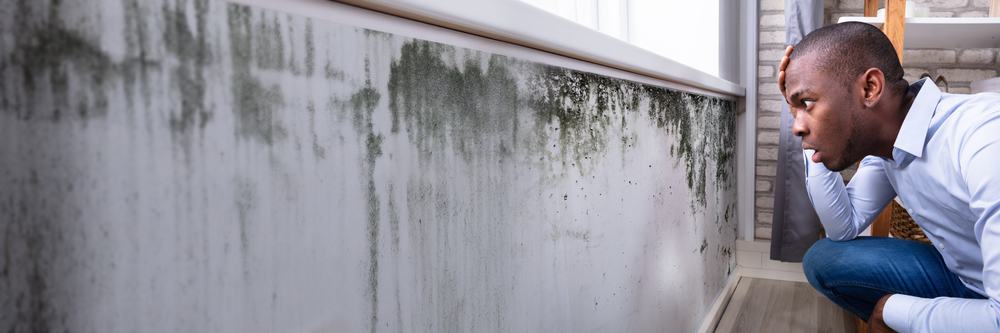
Most homeowners in East Norwich don’t call about mold because they see it. They call because something feels wrong a smell in the basement after a wet spring, a stain on the ceiling they’ve been watching, or a home inspector’s note that stopped a closing cold. What you get from a thorough mold inspection isn’t just a report. It’s clarity on whether your home is safe, what’s actually going on, and what if anything needs to happen next.
East Norwich’s housing stock creates specific conditions worth understanding. Homes built in the 1940s were constructed without modern vapor barriers, and their basements, attics, and wall cavities were never designed to handle today’s expectations for moisture control. Add the wooded surroundings near Tiffany Creek Preserve and Muttontown Preserve which keep your property shaded, slower to dry, and sitting in higher ambient humidity and you have a combination that quietly feeds mold growth for years before anyone notices.
When you know exactly what’s in your home’s air, where moisture is accumulating, and which areas are clear, you can make decisions based on facts. That’s what a properly conducted mold inspection in East Norwich actually delivers and it’s the only standard that makes sense when you’re protecting a home worth over $800,000.
Professional Mold Inspector in East Norwich, NY
We’ve been serving Nassau County for 31 years, with deep roots in East Norwich and the surrounding North Shore communities. Our owner Richard Peterson holds a New York State Department of Labor license for both mold assessment and mold remediation and every technician on our team carries IICRC certification, not just leadership. That matters because the person who shows up to your East Norwich home is the person doing the work, and their credentials should match what you were promised when you called.
We’re licensed, bonded, and insured, and we operate 24 hours a day, seven days a week. For homeowners along the North Shore corridor from Oyster Bay to Syosset and the communities in between that kind of availability isn’t a selling point. It’s just the right way to run a restoration business. Mold situations don’t wait for business hours, and neither do we.
What sets our team apart isn’t a single certification or a long list of services. It’s three decades of showing up to Long Island homes, doing the work correctly, and building a reputation that doesn’t need much explaining.
Mold Detection Services in East Norwich, NY
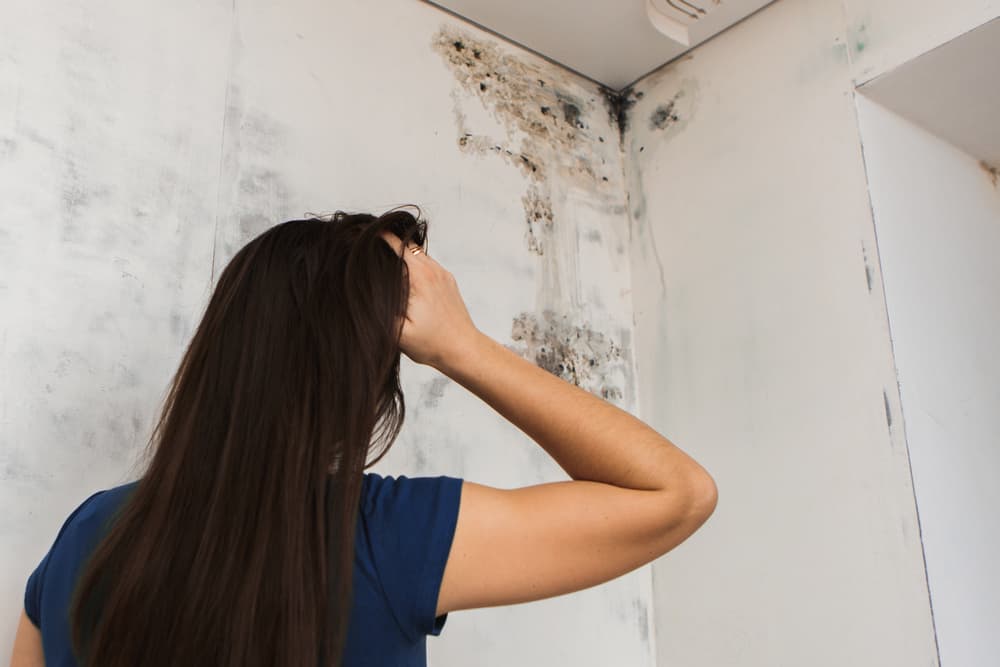
The inspection starts with a full walkthrough of your property. A licensed mold assessor evaluates the areas most likely to harbor moisture in a home of your vintage basements, attics, wall cavities around older plumbing, and anywhere a past leak may have gone unaddressed. In East Norwich’s 1940s-era homes, that list is rarely short, and the inspection is designed to reflect that reality rather than rush past it.
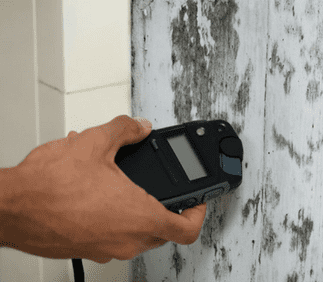
From there, air samples and surface swabs are collected from the areas of concern, along with an outdoor air sample for comparison. That internal-versus-external comparison is how you establish whether what’s inside your home is actually elevated it’s not an opinion, it’s a measurable difference. We use infrared thermal imaging to scan for moisture behind walls and under flooring without opening anything up, which is particularly useful in homes where aging plumbing has had decades to develop slow, hidden leaks.
All samples go to a certified third-party laboratory. When results come back, you receive a written report that includes the lab data, mold species identified, spore concentration levels, photographs of the sources found, and specific remediation recommendations if they’re warranted. That report is what holds up with your insurance company, your real estate attorney, and your lender because in East Norwich, the financial stakes of getting this right are real.
Ready to get started?
Indoor Air Quality Testing for Mold in East Norwich, NY
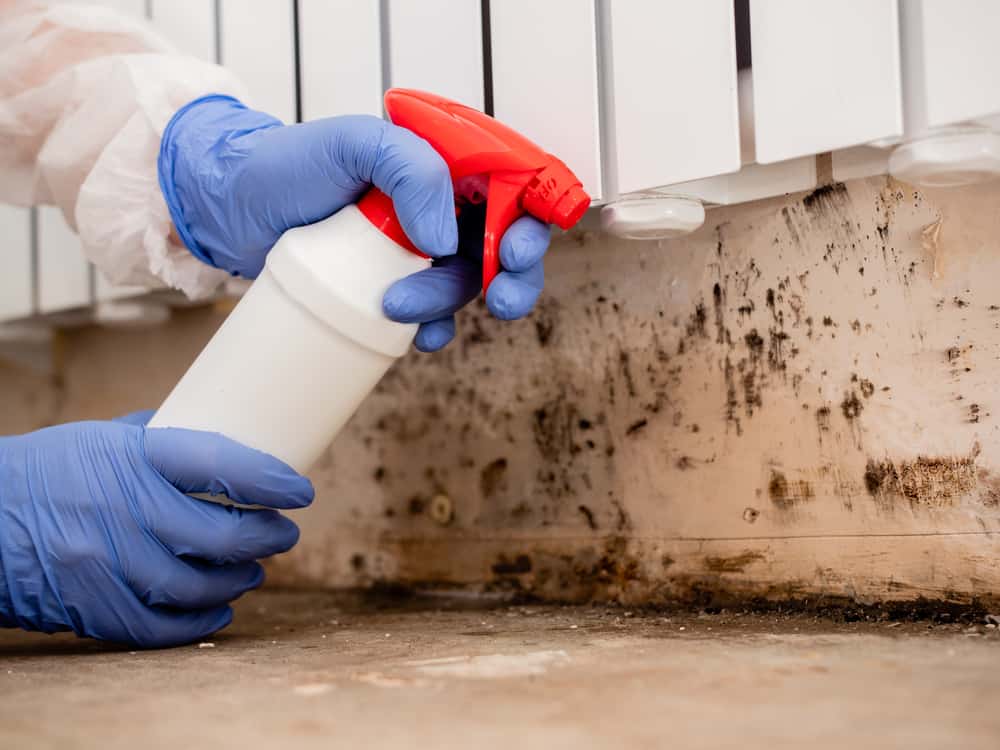
Our mold inspection service includes air testing, surface swab sampling, moisture level measurement, infrared scanning for hidden mold, water intrusion assessment, and an internal-versus-external air quality comparison. Every sample is analyzed by a certified lab, and the written report you receive includes actual results not a summary judgment. For homeowners in East Norwich navigating a real estate transaction, an insurance claim, or a health concern, that documentation is what makes the difference between a resolved situation and an ongoing one.
New York State law requires all mold assessors and remediation contractors to hold a license from the NYS Department of Labor under Article 32 of the Labor Law. This has been the case since January 1, 2016, and enforcement has increased significantly. Fines for unlicensed mold work can reach $10,000. We’re fully licensed for both assessment and remediation, which means if your inspection reveals a problem, you don’t have to start over with a new company our team can take you through remediation and full restoration without a hand-off.
Attic mold inspection is one of the most common requests we handle in East Norwich, and for good reason. The passive ventilation systems in 1940s attics were never designed for today’s insulation loads, and blocked airflow creates exactly the warm, damp, dark conditions mold needs. Basement mold inspection in East Norwich is equally common older concrete block foundations wick groundwater, and the water table on the North Shore doesn’t give them much of a break. If you’ve been noticing humidity in your basement during warmer months, that’s not just a comfort issue. It’s worth a real look.
How do I know if my East Norwich home actually needs a mold inspection?
The honest answer is that you don’t always know and that’s exactly the problem. Mold doesn’t always announce itself with visible growth. In East Norwich’s older homes, it tends to show up as a persistent musty smell in the basement or attic, a family member dealing with unexplained allergy symptoms or respiratory issues, a water stain that came and went, or a home inspector’s note flagging moisture in the attic during a pre-purchase walkthrough.
If any of those situations sound familiar, a professional mold inspection is the right next step. Homes built in the 1940s which describes most of the housing stock in East Norwich were constructed without modern moisture barriers, and their older plumbing systems have had decades to develop slow leaks behind walls. You don’t need to see mold to have a mold problem. You need an inspection that’s designed to find what visual checks miss.
What does a mold inspection in East Norwich, NY typically cost?
Nationally, professional mold inspections average around $670, with a typical range of $303 to $1,043 depending on the size of the home, the number of samples collected, and whether additional testing like infrared scanning is included. For East Norwich specifically, the size and age of the homes most of which are colonials, ranches, and split-levels built in the 1940s generally place inspections toward the middle of that range when a full assessment is conducted.
What’s worth keeping in mind is the context. You’re protecting a home with a median value over $800,000 in a community where property taxes average $10,000 a year. A mold problem discovered late after it’s spread into wall cavities, structural framing, or HVAC systems can cost $5,000 to $20,000 or more to remediate. The inspection cost is a fraction of what it costs to deal with a problem that’s been growing unchecked. Getting a certified lab-backed report now is a straightforward investment in the asset you’re already paying significantly to maintain.
Does a mold inspection cover the attic and basement, or just the main living areas?
A thorough mold inspection covers the full property including the attic, basement, crawlspace if present, and any areas flagged during the walkthrough. In East Norwich homes, the attic and basement are actually the two highest-priority areas, and any inspection that skips them isn’t giving you a complete picture.
Attics in 1940s-era homes frequently develop mold problems because the original passive ventilation systems weren’t designed to handle the insulation levels most homeowners have added over the decades. When airflow is blocked, moisture builds up and mold follows often for years before anyone notices. Basements in this area deal with a different but equally persistent issue: older concrete block foundations wick groundwater, and the North Shore’s water table keeps the pressure on. During an attic mold inspection or a basement mold inspection in East Norwich, we use infrared thermal imaging to scan for moisture in areas that a visual check alone would miss which is how hidden problems actually get found.
Is mold inspection required before buying or selling a home in East Norwich?
New York State doesn’t legally require a mold inspection as part of every real estate transaction, but in practice, it comes up constantly especially in East Norwich’s older housing stock. When a general home inspector notes moisture in an attic or basement, most buyers and their attorneys want a licensed mold assessor to take a closer look before closing. At that point, it’s not optional in any practical sense.
For sellers, getting ahead of it makes sense too. A home valued at $800,000 or more is a significant transaction, and a mold finding that surfaces during the buyer’s inspection can stall or kill a deal. Having a clean, certified mold assessment report in hand before listing removes that uncertainty. And if a problem is found, addressing it before listing rather than mid-negotiation gives you control over the timeline and the remediation process. We handle both the inspection and remediation, so you’re not managing multiple contractors during an already stressful process.
What's the difference between a mold inspection and mold testing in New York?
These terms get used interchangeably, but they’re not the same thing. A mold inspection is a physical assessment of your property a licensed assessor walks the home, identifies areas of concern, evaluates moisture levels, looks for visible growth, and determines where samples should be collected. Mold testing refers specifically to the lab analysis of those samples, which identifies the species present and measures spore concentration levels.
In New York State, both the assessment and the remediation sides of mold work require separate licenses from the NYS Department of Labor under Article 32 of the Labor Law. A company that only does testing without a licensed assessor conducting the inspection isn’t providing a legally compliant service and the results won’t carry weight with your insurance company or real estate attorney. What you want is a licensed mold assessment that includes certified lab testing as part of the process, and a written report that documents everything from the walkthrough findings to the lab results. That’s the standard we follow on every mold inspection in East Norwich.
Can mold grow in a home that doesn't have visible water damage or flooding?
Yes and this is one of the most common misconceptions homeowners in East Norwich run into. You don’t need a flood or a burst pipe for mold to take hold. Mold needs three things: moisture, an organic surface to grow on, and time. In a 1940s home, all three are readily available without any dramatic water event.
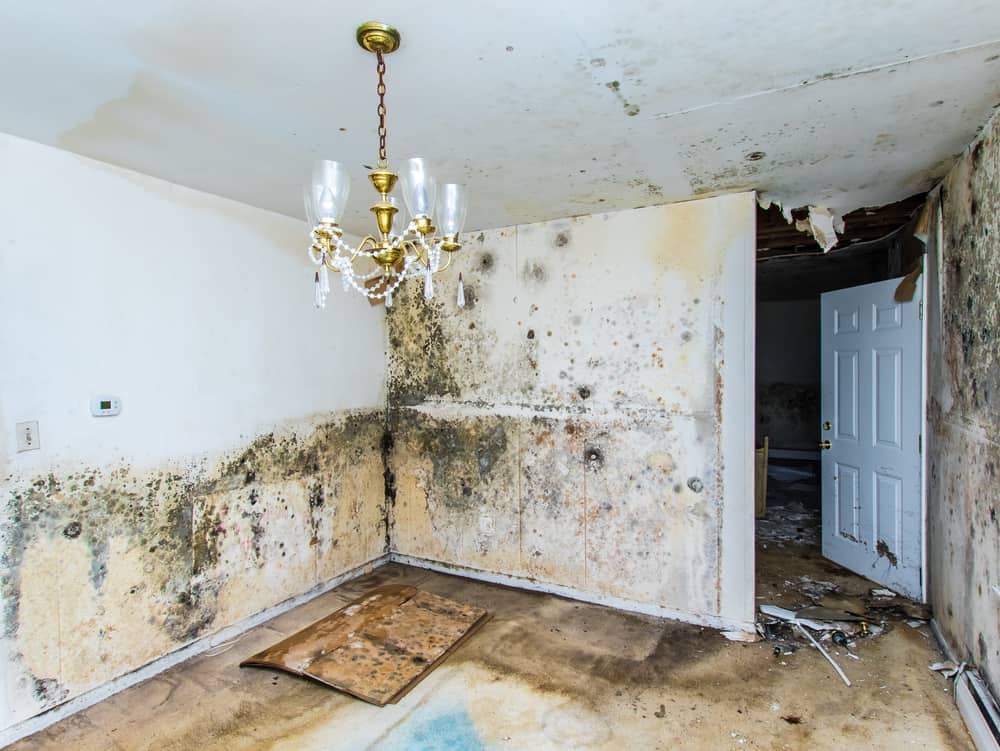
Slow plumbing leaks behind walls, condensation on uninsulated pipes, humidity that builds up in a poorly ventilated attic, or groundwater that wicks through an older concrete block basement wall any of these can sustain mold growth for months or years without producing visible water damage. Long Island’s humid summers push indoor humidity above 60% regularly, which is the threshold at which mold can begin growing within 24 to 48 hours. In a shaded, wooded neighborhood like East Norwich where homes near Tiffany Creek Preserve and Muttontown Preserve see less direct sunlight and slower drying conditions that ambient moisture is a factor year-round, not just after a storm. If your home hasn’t had a mold inspection in several years, the absence of visible damage isn’t the same as a clean bill of health.
Useful Links
Other Services we provide in East Norwich