
Mold Inspection in East Patchogue, NY
South Shore Humidity Doesn't Forgive Neither Does Hidden Mold
Hear from Our Customers
Home Mold Testing in East Patchogue
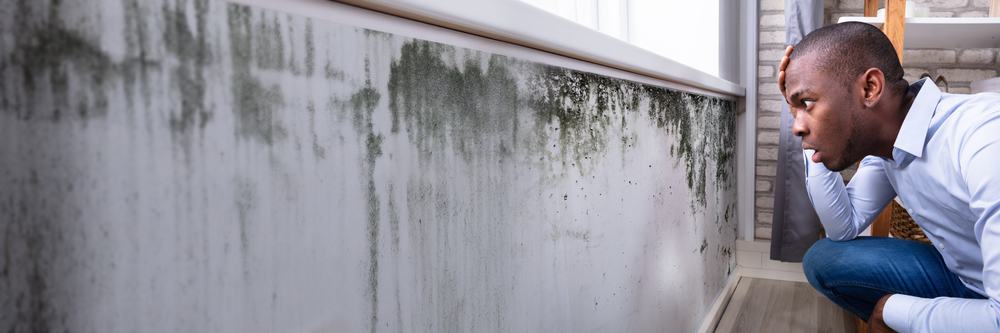
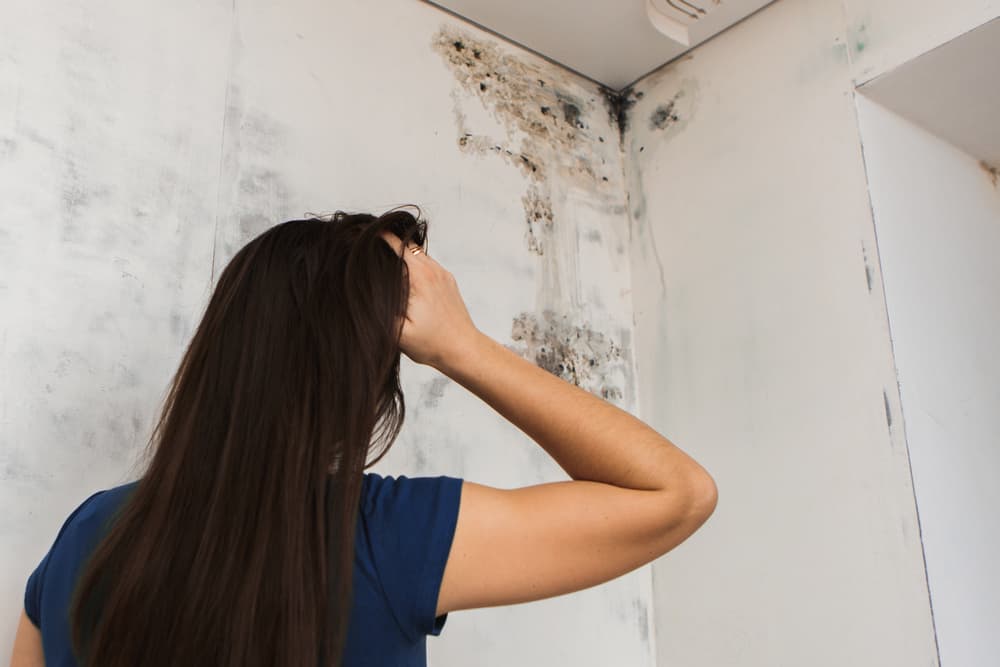
Most East Patchogue homeowners who call us aren’t panicking they’re just tired of not knowing. There’s a smell in the basement that’s been there for two winters. A bathroom wall that never quite dried out after that nor’easter. A crawl space nobody’s opened in years. You don’t need someone to tell you mold is bad. You need someone to tell you whether it’s actually there, where it is, and what it’s going to take to fix it.
That’s what a proper mold inspection gives you documented answers, not guesses. After we’re done, you’ll have lab-verified results from an accredited laboratory, a written report that identifies mold species and spore counts, and a clear picture of what’s happening inside your home. That report can hold up in a real estate transaction, an insurance claim, or a conversation with your doctor. It’s not a verbal opinion it’s a record.
East Patchogue’s position on the South Shore, near Great South Bay and the Swan River corridor, creates conditions that push moisture into homes constantly. High ambient humidity through spring and summer, a water table that sits close to the surface in the eastern part of the hamlet, and a housing stock built mostly between the 1940s and 1970s these aren’t generic risk factors. They’re the specific reasons why mold problems in East Patchogue tend to hide inside walls, under floors, and in attic insulation rather than somewhere you’d spot on your own.
Mold Inspection Company in East Patchogue, NY
First Response Restoration and Cleaning Inc. has been serving Suffolk County homeowners for over three decades. Not as a franchise. Not as a call center with rotating subcontractors. As a locally owned, Long Island-based restoration company that has handled mold inspection and remediation in communities across the South Shore including East Patchogue long enough to know exactly what conditions drive problems here.
Every technician who walks into your home is IICRC-certified. That’s not a detail we mention once and move on from it’s a standard we hold across our entire team, not just ownership. Richard Peterson holds both the New York State Mold Assessor License and the Mold Remediator License, as required by state law since 2016. Those licenses are verifiable through the NY Department of Labor.
We’ve worked in older homes along East Main Street in East Patchogue, in properties near the Swan River where the water table makes basement moisture a year-round issue, and in mid-century ranches off Sunrise Highway where attic ventilation was never quite right to begin with. That kind of local context matters when you’re trying to find mold that isn’t showing itself.
Professional Mold Inspector in East Patchogue, NY
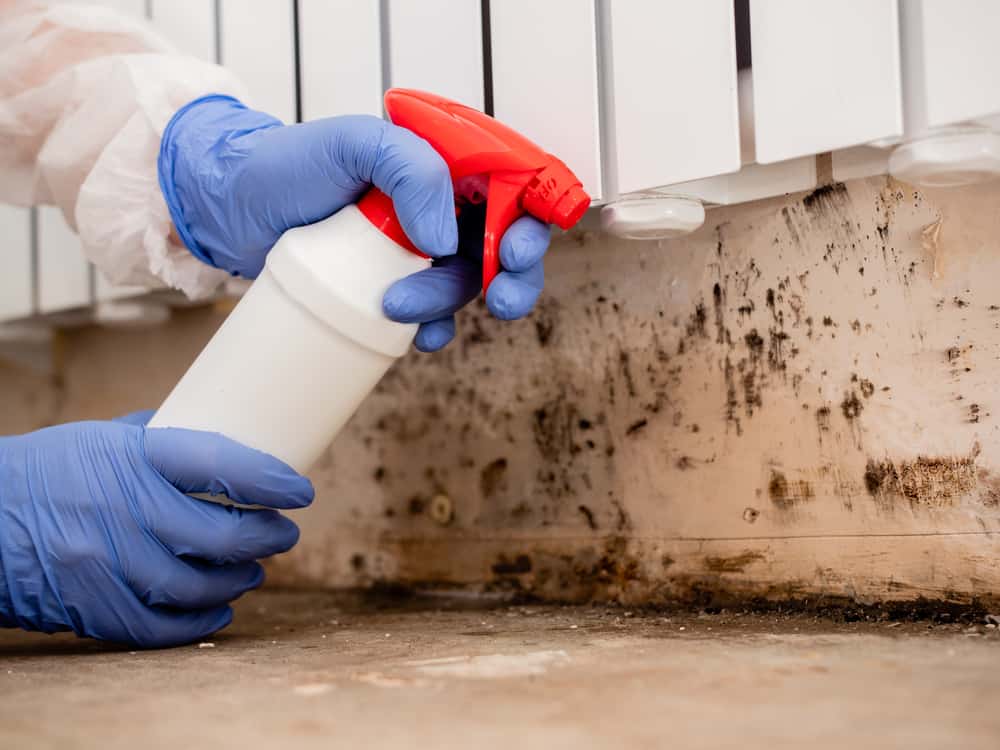
When we show up to your East Patchogue home, the inspection follows a documented five-point process not a walkthrough, not a visual sweep. We start with air testing to capture airborne spore samples throughout the home, then move to swab sampling on any surfaces where visible or suspected mold is present. Both sets of samples go to a certified, accredited laboratory. We don’t analyze them ourselves that’s intentional, because objective lab results are the only thing that removes any question about whether findings are real.
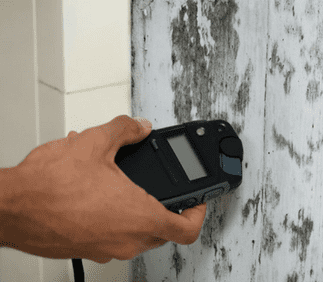
From there, we conduct a water intrusion inspection to identify where moisture is getting in. This is often the most important part of the process, because mold doesn’t appear without a source, and treating mold without addressing the source is a temporary fix at best. We also take moisture level measurements throughout the home using calibrated equipment, and we document everything photographically so you have a visual record of every finding.
What separates our inspection from a basic walkthrough is the infrared thermal imaging we use to detect moisture and mold activity behind walls, under flooring, and inside ceilings. In East Patchogue’s older housing stock homes with original plaster walls, uninsulated crawl spaces, and aging drainage systems this technology finds what a standard inspection misses. The final written report ties everything together: lab results, mold species identified, spore counts, moisture source findings, and specific recommended next steps in plain language.
Ready to get started?
Residential Mold Inspection Services in East Patchogue
One of the more frustrating things homeowners in East Patchogue run into is finding out they have a mold problem and then having to coordinate three separate companies to actually resolve it an inspector, a remediator, and a contractor to rebuild whatever got torn out. We handle all of it. Inspection, remediation, and full structural reconstruction if needed, all under one licensed team. That continuity matters more than it sounds. The team that found the problem understands it completely, which means the remediation plan isn’t being handed off to someone starting from scratch.
For East Patchogue homeowners navigating an insurance claim after storm damage a situation that South Shore residents know well we manage the documentation and communication with your insurance company from the first call through project completion. We know what adjusters need to see, and we build the inspection report with that in mind from the start.
New York State law requires separate licensing for mold assessment and mold remediation. Any company performing either service in East Patchogue without those licenses is operating outside the law. We hold both. Beyond licensing, we also serve commercial properties along the Sunrise Highway and Medford Avenue corridors not just residential. Whether it’s a home near the Swan River or a commercial space in the eastern part of the hamlet, the inspection process is the same: thorough, lab-verified, and documented.
How do I know if my East Patchogue home actually needs a mold inspection?
The most honest answer is: if you’re asking the question, it’s probably worth getting one. A musty smell that doesn’t go away, a room that always feels damp, visible discoloration on walls or ceilings, or a history of water intrusion any of these are reasonable triggers. But in East Patchogue specifically, there are conditions that push the threshold lower than in other areas. Homes near the Swan River corridor and the bay sit above a water table that’s close to the surface, particularly in the eastern part of the hamlet. Many of the mid-century homes in East Patchogue have crawl spaces, original plaster walls, and basement construction that was never designed to handle the moisture load that South Shore living creates over decades. You don’t need to see black mold on a wall to have a real problem. In fact, most significant mold issues in older East Patchogue homes are hidden inside wall cavities, under flooring, or in attic insulation. An inspection tells you what’s actually there.
What does a mold inspection in East Patchogue, NY typically cost?
Nationally, professional mold inspections range from roughly $300 to over $1,000 depending on the size of the home, the number of samples collected, and whether advanced tools like infrared thermal imaging are part of the process. For a typical single-family home in East Patchogue, you’re generally looking somewhere in the $400 to $800 range for a thorough inspection that includes lab analysis. That said, cost should be weighed against what you’re protecting. The median home value in East Patchogue is over $540,000. Mold discovered after a real estate closing when the seller is no longer responsible can cost tens of thousands of dollars to remediate, and can reduce a home’s value by 20% or more. A pre-purchase mold inspection is one of the most cost-effective decisions a buyer can make in this market. For current homeowners, catching a mold problem early before it spreads into structural materials keeps remediation costs significantly lower than discovering it after years of unchecked growth.
Can mold grow in my home even if I've never had visible water damage?
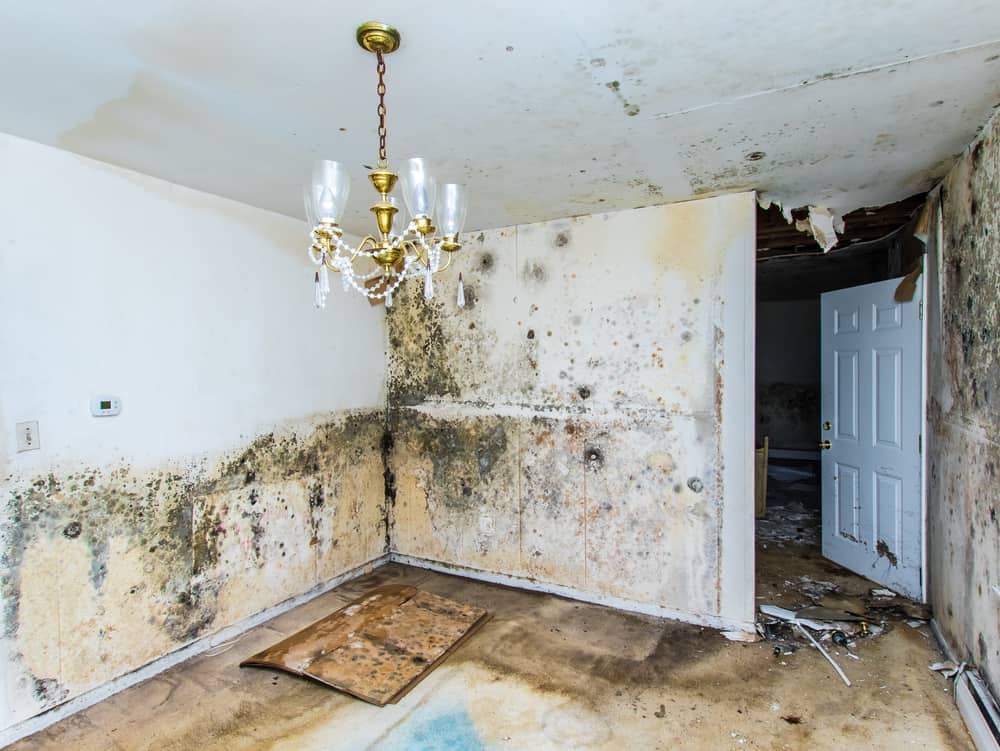
Yes and this is one of the most common misconceptions we run into. Mold doesn’t require a flooded basement or a burst pipe to establish itself. In East Patchogue, the combination of coastal humidity, an older housing stock with minimal vapor barriers, and crawl spaces or basements that weren’t built to modern moisture standards creates conditions where mold can grow from ambient moisture alone. Condensation inside wall cavities during temperature swings, inadequate attic ventilation trapping warm moist air, and slow seepage through aging block or concrete basement walls are all common sources none of which produce visible water damage that would alert a homeowner. The homes built in East Patchogue between the 1940s and 1970s were constructed before modern building science addressed these issues. That’s why infrared thermal imaging is part of our inspection process it detects moisture signatures in areas that look completely dry to the naked eye.
Does homeowner's insurance cover mold inspection or remediation costs?
It depends on the cause of the mold, and the answer matters a lot for East Patchogue homeowners who deal with storm-related water intrusion on a somewhat regular basis. Most standard homeowner’s insurance policies will cover mold remediation if the mold resulted from a covered peril a sudden pipe burst, storm damage, or a specific flooding event that’s covered under the policy. What they typically won’t cover is mold that developed over time from ongoing moisture issues, deferred maintenance, or gradual seepage. This distinction is exactly why documentation matters from the start. A professional mold inspection report that establishes the source of moisture and the timeline of mold development becomes a critical piece of your insurance claim. We manage that documentation process and communicate directly with your insurance company throughout the project. If your home took on water during a nor’easter or a coastal storm event, getting an inspection done and documented quickly before the insurance adjuster’s visit puts you in a much stronger position.
How long does a mold inspection take, and when will I get the results?
For a typical single-family home in East Patchogue, the on-site inspection takes roughly two to four hours depending on the size of the home and how many areas need to be assessed. Homes with finished basements, attic access points, or crawl spaces generally take longer because those are the areas that require the most thorough evaluation and in this part of Suffolk County, they’re also the areas most likely to have issues. After the on-site portion is complete, the samples we’ve collected go to an accredited laboratory for analysis. Lab turnaround is typically three to five business days. Once we have the results, we compile the full written report including mold species identified, spore counts, moisture source findings, and recommended next steps and walk you through it in plain language. You’re not handed a document full of technical terminology and left to figure it out. The goal is that you leave the conversation knowing exactly what you’re dealing with and what your options are.
Is it safe to stay in my East Patchogue home during a mold inspection?
In most cases, yes the inspection itself doesn’t disturb mold in a way that poses a significant risk to occupants. Our technicians are trained to collect samples carefully, and the inspection process is designed to assess conditions, not agitate them. That said, if preliminary findings suggest a particularly heavy concentration of mold especially in a central HVAC system that could be circulating spores throughout the home we’ll let you know immediately and give you a straightforward recommendation on whether it makes sense to limit time in the home until remediation is complete. For households with young children, elderly family members, or anyone with respiratory sensitivities or compromised immune systems, we take that context seriously and factor it into how we communicate findings and next steps. East Patchogue homes with older HVAC systems that haven’t been serviced recently are worth paying particular attention to if mold has established itself in ductwork or an air handler, normal system operation can spread spores to every room in the house. That’s something we specifically look for during the inspection.
Useful Links
Other Services we provide in East Patchogue