
Mold Inspection in East Quogue, NY
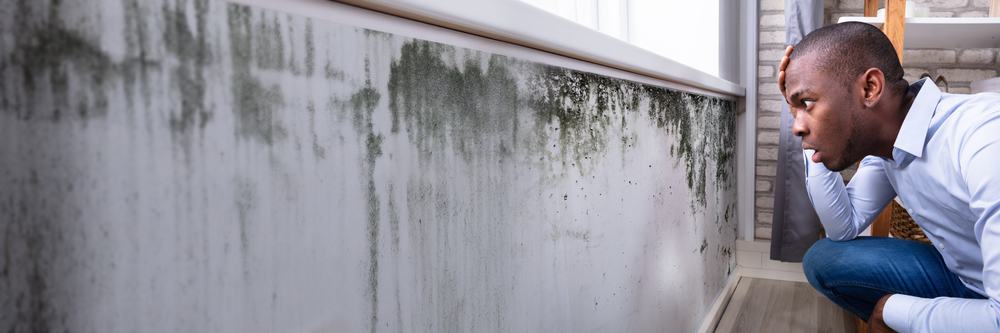
Coastal Homes Hide Mold. Here's How to Know for Sure.
Hear from Our Customers
Mold Testing in East Quogue, NY
Most East Quogue homeowners who call us don’t have a mold problem they can see. They have a smell they can’t explain, a crawl space they haven’t looked at in years, or a home that was closed up all winter and reopened to something that doesn’t feel right. That uncertainty is its own kind of stress and it doesn’t go away until you have real answers.
A proper mold inspection in East Quogue, NY gives you exactly that. You’ll know whether mold is present, where it’s coming from, what species you’re dealing with, and what needs to happen next. That’s not a guess it’s lab-confirmed data from accredited testing, delivered in a written report you can actually use.
For homeowners in Shinnecock Shores, along Tiana Bay, or anywhere near Dune Road, this matters more than it does in most places. Properties in this part of Southampton Town sit close to the water table, face salt air year-round, and in many cases have crawl spaces and original insulation that were never built for the moisture load they carry. If you’ve had any water intrusion from a nor’easter, a pipe, or just decades of coastal humidity you deserve to know what’s actually in your home before it becomes a bigger problem.
Mold Inspection Company in East Quogue, NY
First Response Restoration and Cleaning Inc. has been operating across Long Island for over three decades. That’s not a number we throw around lightly it means we’ve worked through storm seasons, insurance disputes, and the kind of coastal moisture damage that the East End sees year after year. We built this company on doing the work right, and that standard hasn’t changed.
We hold New York State licenses for both mold assessment and mold remediation two separate licenses that are legally required for this work in New York. Every technician on our team is IICRC-certified. We’re also licensed, bonded, and fully insured, which matters when someone is working inside a home worth close to a million dollars in a community like East Quogue.
What separates us from most companies you’ll find in a search is that we don’t hand you a report and walk away. If remediation is needed, we handle that too. If reconstruction follows, we do that as well. One team, one point of contact, from the first call through the final clearance.
Professional Mold Inspector East Quogue, NY
When we arrive at your East Quogue property, we’re not doing a quick walkthrough and calling it done. The inspection is a structured, five-point process that’s designed to find mold whether it’s visible or not because in coastal homes, it usually isn’t sitting out in the open.
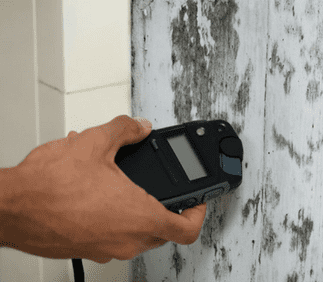
We start with air testing to capture what’s actually floating through your living space, then collect surface samples from areas of concern. From there, we conduct a full water intrusion inspection checking every likely entry point and take moisture readings throughout the home. Everything gets photographed and documented. We also use infrared thermal imaging to detect temperature differences behind walls and ceilings that indicate hidden moisture, which is one of the most important tools we have in a home that’s been exposed to tidal flooding or long-term coastal humidity.
All samples go to an accredited laboratory for analysis. When results come back, you receive a plain-language written report that identifies what was found, where it came from, and what the recommended next steps are. If you’re in the middle of a real estate transaction, dealing with an insurance claim after storm damage, or just trying to understand what’s been making your family uncomfortable, that report gives you something concrete to work with. In a community like East Quogue where seasonal closures, bay exposure, and 40-year-old housing stock all stack up against you that level of thoroughness isn’t optional. It’s the whole point.
Ready to get started?
Residential Mold Inspection East Quogue, NY
East Quogue’s 11942 zip code carries Hamptons status, but it also carries some of the most demanding moisture conditions on Long Island’s South Shore. Homes in Shinnecock Shores sit on a bay lagoon system. Properties along Dune Road face the Atlantic directly. Older homes throughout the Fourth Neck area some dating back generations have crawl spaces, original window seals, and attic insulation that were never designed to handle decades of salt air and coastal storm exposure. When we conduct a mold inspection here, we’re accounting for all of that.
Every inspection we perform includes air sampling, surface swab collection, moisture measurement, water intrusion assessment, photographic documentation, and infrared thermal imaging. Samples are sent to a certified, accredited lab not evaluated on-site with a kit. The final written report covers species identification, spore concentration levels, moisture source analysis, and specific remediation recommendations. It’s the kind of documentation that holds up for insurance claims, real estate disclosures, and legal purposes.
Because we’re licensed for both mold assessment and mold remediation under New York State Department of Labor regulations, we can take the next step if the inspection findings require it. We also handle all communication with your insurance carrier if this is part of a larger claim something that matters a great deal when you’re dealing with post-storm damage in a coastal community that sees nor’easters roll through every fall and winter.
Do I need a mold inspection before buying a home in East Quogue, NY?
If you’re purchasing a property in East Quogue, a mold inspection is one of the smartest things you can do before closing and it’s separate from a standard home inspection. General home inspectors are not licensed mold assessors under New York State law, and they’re not equipped to collect air samples, run lab analysis, or identify mold species. What they can do is flag visible concerns and recommend further testing. A licensed mold assessor picks up where they leave off.
East Quogue properties carry specific risk factors that make this especially important. Many homes in the area were built in the 1970s and 1980s, sit close to the water table, and have had years of coastal humidity working on them. Bayfront properties in Shinnecock Shores and homes near Tiana Bay have a documented history of basement and crawl space moisture issues. With median home values approaching $1 million in this market, the cost of a professional mold inspection is a small fraction of what you stand to lose if a problem goes undetected at closing.
How much does a mold inspection cost in East Quogue, NY?
A professional mold inspection in East Quogue, NY typically runs between $300 and $700, depending on the size of the property and the number of samples collected. Larger homes, properties with crawl spaces, or inspections that require multiple sampling locations may fall toward the higher end of that range. Some companies advertise very low flat rates, but those often don’t include laboratory analysis which is where the real information comes from. A visual walkthrough without lab-confirmed results isn’t a mold inspection. It’s a guess.
For context, East Quogue homes are among the higher-value residential properties in Suffolk County. The inspection cost represents a very small percentage of what’s at stake. If mold is found and remediation is needed, addressing it early before it spreads into wall cavities, HVAC systems, or structural materials is significantly less expensive than dealing with it after months of unchecked growth. The inspection pays for itself in the information it gives you.
What are the signs of mold in a seasonal home that's been closed for winter?
The most common sign is smell a musty, earthy odor that hits you when you first open the door in spring. That smell is mold off-gassing, and it usually means the growth is already established somewhere inside the home, even if you can’t see it. Other signs include discoloration on walls or ceilings, peeling paint or wallpaper, condensation on windows, and visible dark spots in corners, closets, or under sinks.
In East Quogue, seasonal properties face a specific risk pattern. When a home is closed for winter with the heat turned down and ventilation reduced, interior humidity can climb significantly during the colder months especially in a coastal environment where outdoor moisture levels are already elevated. Mold that develops during that period has months to spread through wall cavities, attic spaces, and ductwork before anyone notices. If you’re reopening a property after an extended closure and something feels off, don’t assume it will air out on its own. Get it tested before your family spends the summer there.
Does homeowner's insurance cover mold inspection and removal in East Quogue?
It depends on the cause. Most homeowner’s insurance policies in New York will cover mold remediation if the mold resulted directly from a covered event like a burst pipe, storm surge flooding, or wind-driven rain that caused water intrusion. What they typically don’t cover is mold that developed from long-term neglect, gradual moisture accumulation, or maintenance issues you knew about and didn’t address.
For East Quogue homeowners, the storm damage angle is particularly relevant. The South Fork sees nor’easters every fall and winter, and coastal flooding from those events is a documented, recurring issue in this area. If water got into your home during a storm and mold followed, there’s a reasonable path to an insurance claim but the documentation has to be right. That means a licensed mold assessor’s report, accredited lab results, and a clear chain of evidence connecting the mold to the covered event. We handle all of that documentation and communicate directly with your insurance carrier throughout the process, which takes a significant amount of the burden off you.
How long does a mold inspection take, and how soon will I get results?
The on-site portion of a mold inspection typically takes between one and three hours, depending on the size of the property and how many areas need to be assessed. A larger home with a crawl space, finished basement, and multiple floors will take longer than a smaller single-story property. The inspection itself is thorough we’re not rushing through it but we’re also not in your home all day.
After samples are collected, they go to an accredited laboratory for analysis. Turnaround on lab results is generally two to five business days under standard processing, with expedited options available if timing is critical for example, if you’re in the middle of a real estate transaction with a closing deadline or if you need results before a seasonal property opens. Once we have the lab report back, we compile the full written assessment and walk you through the findings. You’ll know exactly what was found, where it came from, and what the recommended next steps are.
Is mold in East Quogue basements and crawl spaces really that common?
It’s more common here than in most inland Long Island communities, and the geography explains why. East Quogue sits on a peninsula system surrounded by Shinnecock Bay, Tiana Bay, and Weesuck Creek. The soil is sandy and permeable, which means the water table sits close to the surface particularly in the southern portions of the hamlet near the bay. When groundwater is that close to your foundation, moisture doesn’t need a dramatic flooding event to find its way in. It seeps through slowly, over time, and creates the damp conditions that mold needs to establish itself.
Crawl spaces are especially vulnerable. Many East Quogue homes particularly those built in the 1970s and 1980s have crawl spaces without proper encapsulation or vapor barriers. Without those protections, ground moisture rises freely into the space below your floors. Combine that with the humidity that rolls in off the bay during summer and the lack of ventilation in a closed seasonal home during winter, and you have conditions that we see repeatedly in this zip code. We’ve worked throughout Suffolk County for over 30 years, and coastal communities like East Quogue consistently show higher rates of crawl space and basement mold than their inland counterparts.
Useful Links
Other Services we provide in East Quogue